
Review · TOKYO CITY TOURS
Tokyo: Karate Experience with Former All-Japan Champion
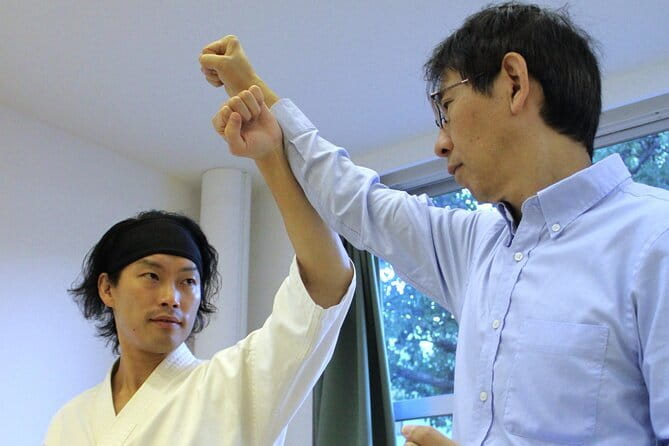
Karate in Tokyo, step by step. In just 90 minutes, you practice a traditional class led by Ryo, a former All-Japan champion with 20 years of experience, in a small group that makes it feel personal. It is hands on, physical, and easy to fit into a day because the meeting spot is well placed near public transit.
I especially like two parts: first, the focus on Standing Zen Training and the stance basics that make the whole workout work better. Second, you learn the essence of kumite in a structured way with no physical contact, so you get the self defense ideas without going full contact.
One consideration: the class asks for moderate physical fitness. If your mobility is limited, kicks can feel tough at first, but the instructor adjusts and breaks techniques down.
Key Highlights to Know Before You Go
- Former All-Japan champion instruction: Ryo brings 20 years of experience to a beginner friendly class.
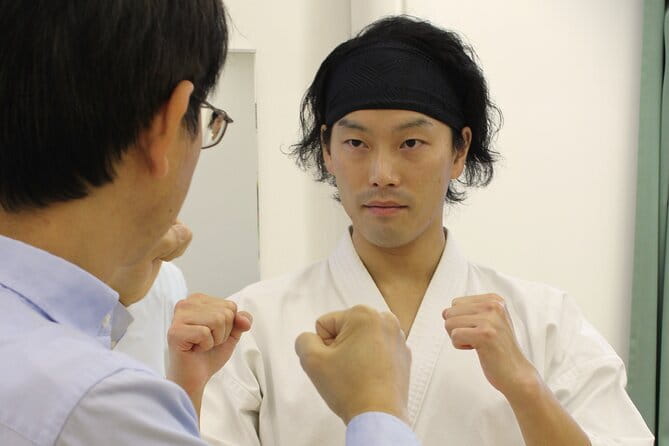
- Standing Zen Training focus: you work stance and posture so punches, blocks, and kicks start to feel more solid.
- No-contact kumite training: learn defense and timing without physical contact.
- Step by step technique breakdown: punches, blocks, and kicks are taught in smaller pieces for learning speed.
- Small group size: maximum 8 travelers, which helps questions and individual adjustments.
- Great for schedule flexibility: morning or afternoon classes, plus a central meeting point.
Why Ryo’s Former All-Japan Champion Background Matters
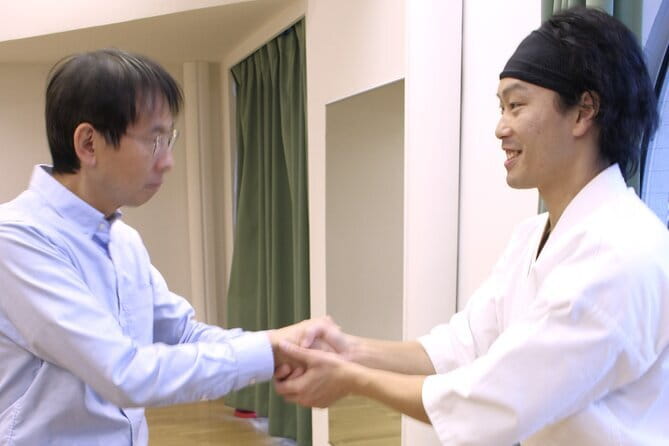
This is not a vague self defense class where you do a random circuit. It is a traditional karate session built around fundamentals, and the teaching comes from real competitive and long term practice. Ryo is a former All-Japan champion, with 20 years of experience, so the class has that firm structure you want when you are learning a new martial art in a foreign city.
I like that the class does not treat karate like a museum piece. You bow, breathe, stretch, and train positions. That stuff matters, because it turns karate into something you can repeat at home, not just something you watch for an hour.
The group stays small, with a maximum of 8 people. In practice, that usually means more attention from the instructor and fewer long waits between drills.
You can also read our reviews of more tours and experiences in Tokyo.



The 90 Minute Flow, Bow to Bow
The lesson is designed to be clear and paced, starting with respect and ending with control. The rhythm is part of the training, not just ceremony.
You begin by learning how to bow, because the class follows the traditional rule: start with a bow and end with a bow. Then you move into belly breathing, which helps focus and a calmer mind. It sounds simple, but it is the kind of control that makes the rest of the workout feel less chaotic.
Next comes stretching for major areas: legs, hip joints, shoulder blades, and the chest. This is practical for visitors who might spend a day walking Tokyo. You get your body prepped for stances and repeated movements.
After that, you work core techniques in pieces: punches, blocks, and kicks using a proper stance. Each technique is broken down so you can learn step by step instead of copying something at full speed right away.
Finally, you practice the essence of kumite without physical contact. You learn how to defend against attacks like punches, front kicks, and low kicks using precision and efficiency, with guidance that keeps it safe for everyone in the group.
Standing Zen Training: The Stance You Feel in Your Core
The star of the class is Standing Zen Training, the stance work that builds balance and body alignment. Even if you only hold it for short rounds, you can feel what it is doing: steady legs, firm posture, and controlled power from the center.
I like how this is taught as the foundation. Once stance gets clearer, punches and blocks stop looking like separate moves and start looking like one connected system. That is where beginners usually notice the fastest improvement, because your body gets a reference point.
This is also why this class works even if you have no martial arts background. You do not need prior sparring experience. You need a stance you can trust, and the instructor builds it with you.
Punches, Blocks, and Kicks Without the Guesswork
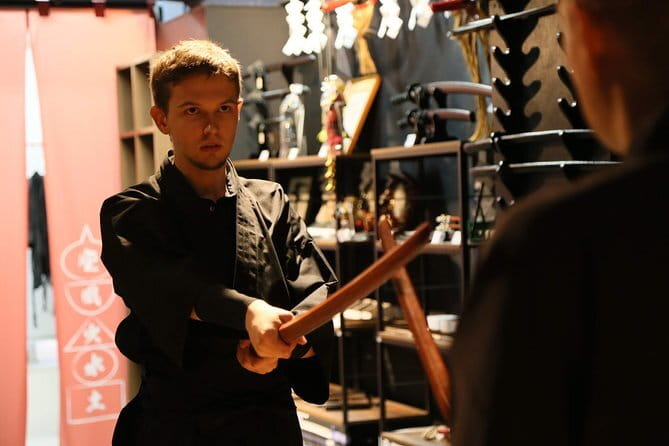
After stretching, you jump into basic techniques: punches, blocks, and kicks. The class keeps things structured, splitting each technique into a few moves so it is easier to learn correctly.
You will practice with a proper stance, and you should expect repetition. Repetition is the point in karate. It is not about showing off, it is about getting muscle memory for what to do with your hips, shoulders, arms, and feet.
Kicks are often where beginners hit a wall, mainly because mobility takes time. One possible drawback is that if your hips or hamstrings are tight, kicks can feel limited early on. The good news is the instructor adjusts the lesson level and keeps the pace reachable, so you still get a workout and a real learning path.
If you want something you can build on later, this technique segment is the value engine. You leave with basics that make sense.
Kumite Without Contact: Learning Defense, Not Chaos
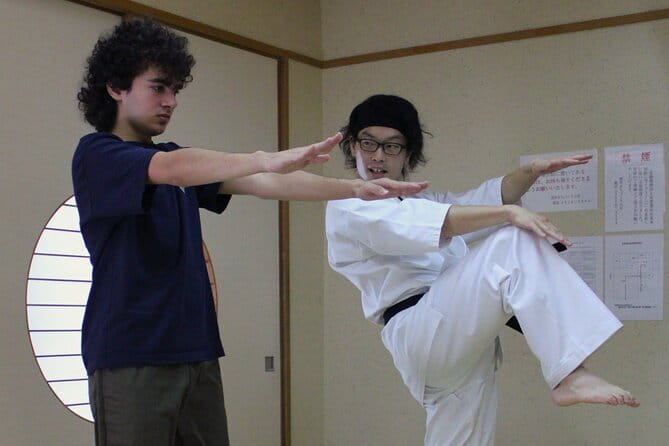
The class ends with the essence of kumite, sparring training, but without physical contact. You practice defense against attacks like punches, front kicks, and low kicks while learning how to respond with timing and precision.
This is smart for a short class in a big city. You still get the feeling of reactive training, but without the injury risk that can come from full sparring. It is also a great match for mixed ability groups, since everyone can practice safely.
I like the framing of kumite as principles rather than bruises. You learn how to defend and how to move efficiently. That is the part that transfers best if you ever keep training after your Tokyo trip.



What You Actually Get: Uniform, Pads, and a Real Workout
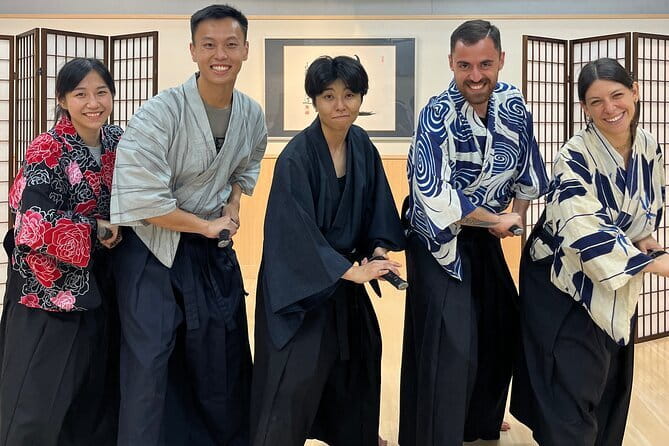
You do not show up empty handed. A karate uniform and pads are included, which removes a common travel headache. You can focus on training instead of hunting down rental gear in advance.
Because it is a hands on session with stances, punches, blocks, kicks, and controlled defense work, it is also a real workout. Even though the class is only about 90 minutes, your body is doing enough that you will likely feel it later, especially if your day includes lots of walking.
At $66.99 per person, the price can feel steep or reasonable depending on what you compare it to. Here, it is easier to see as value because you get:
- instruction from a former All-Japan champion
- all training gear included (uniform and pads)
- a class sized for actual learning (maximum 8)
- a structured curriculum that goes beyond one or two random moves
It is also a great “Tokyo add on” when you want something active that is not just sightseeing.
Getting There: Azumabashi Hall Is a Handy Starting Point
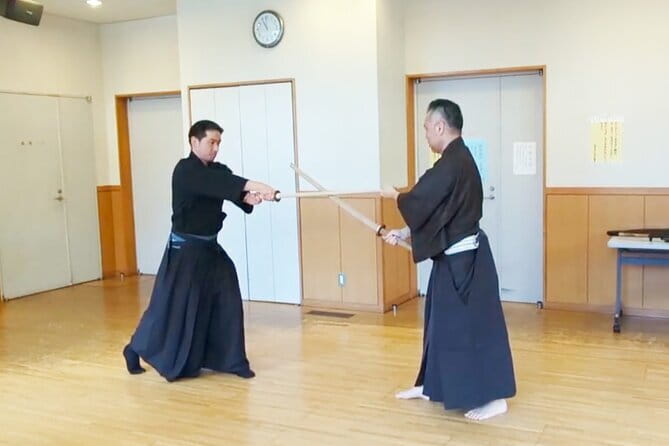
The meeting point is Azumabashi Hall, 1-chōme-23-27 Azumabashi, Sumida City, Tokyo 130-0001, Japan. The activity ends back at the meeting point.
This location is central enough that it is easy to reach by train, which matters in Tokyo. You will not lose your whole day to complicated transit. Morning and afternoon class options help too, so you can slot it around your neighborhood exploring and still keep the rest of the day flexible.
Practical tip: arrive a bit early so you have time to settle, get into your uniform, and mentally switch from tourist pace to training pace.
Who This Class Suits Best (And Who Should Think Twice)
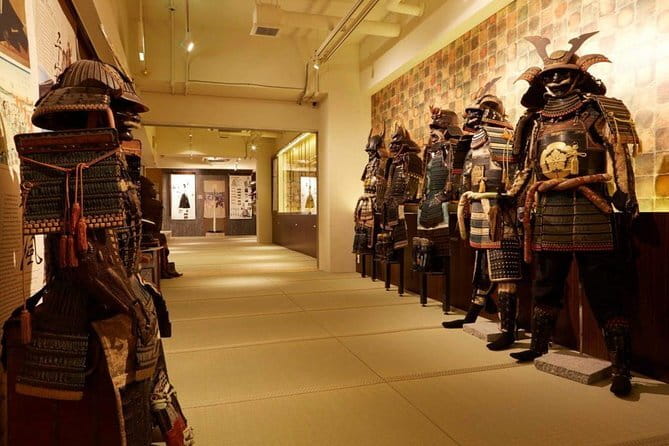
This class is built for beginners, but it is not only for beginners. The instructor teaches in a way that works for people with prior karate experience too, because the lesson can be adjusted based on what you can do.
You should strongly consider it if you want:
- a hands on martial arts experience in Tokyo
- a small group setting that gives you attention
- a structured, safe way to learn basic technique and defense
- an active cultural activity that feels genuinely Japanese
You might want to think twice or prepare extra carefully if:
- you have limited mobility that makes kicks uncomfortable
- you are expecting a totally gentle session with no intensity
- you want long-form sparring with lots of contact (this is no-contact kumite)
The good middle ground is that it is active, but it is controlled.
How to Prepare So You Get More From the Lesson
Because the class includes stance training, kicks, and stretches, show up feeling ready to move. Wear comfortable clothing underneath any layer you might take off once you change.
If you have tight hips or hamstrings, it can help to do light mobility work before you go. Even a short warmup can make kicks feel more manageable.
Also, be ready to follow instructions closely. Karate is repetitive and technical, and that is where the benefit comes from. If English is your main language, you will be glad that instruction is clear and communication is precise, including for participants who come in with prior martial arts experience.
Bring a calm mindset too. The belly breathing part is not just fluff. It helps you stay focused when your legs start working.
Should You Book This Tokyo Karate Experience?
I think you should book if you want a real, beginner friendly karate class taught by someone with credible competitive background, and you want it in a format that fits a day in Tokyo. The small group size, the step by step technique training, and the no-contact kumite ending are a strong combination for learning without chaos.
You might skip it if you are hoping for full contact sparring, or if you know your mobility limitations will make kicks frustrating with no chance to modify. Otherwise, this is a smart way to add something active, authentic, and memorable to your Tokyo trip.
If your goal is to leave with basics you can actually practice again, this is the kind of structured session that gives you a foundation, not just a photo.
FAQ
How long is the karate class?
It lasts about 1 hour 30 minutes.
How many people are in the group?
The maximum group size is 8 travelers.
Who teaches the class?
The instructor is Ryo, a former All-Japan champion with 20 years of experience.
Where does the class meet?
The meeting point is Azumabashi Hall, 1-chōme-23-27 Azumabashi, Sumida City, Tokyo 130-0001, Japan.
What will I learn during the session?
You practice bowing, belly breathing, stretching, basic punches, blocks, and kicks, and the essence of kumite training without physical contact.
Is there sparring involved?
You do kumite training without physical contact. It focuses on defense against attacks like punches, front kicks, and low kicks.
Do I need to bring a karate uniform or pads?
No. A karate uniform and pads are included.
What level is the class for?
It is designed for beginners, and it is also adjusted for people who already have karate experience.
Is the class physically demanding?
It is best suited for people with a moderate physical fitness level.
What is the price?
The price is $66.99 per person.
Can I cancel for a refund?
Yes, you can cancel for a full refund if you cancel up to 24 hours in advance of the experience’s start time. If you cancel less than 24 hours before, the amount paid is not refunded.
More Tour Reviews in Tokyo


Not for you? Here's more nearby things to do in Tokyo we have reviewed












Tokyo City Tours, side by side.
 ★ 5.01-Day Tokyo Bus TourFrom $12914,250 reviews
 ★ 4.5TOKYO SKYTREE® Admission ticketFrom $1311,192 reviews
 ★ 4.6teamLab Planets TOKYO Digital Art Museum Entry TicketFrom $259,779 reviews
 ★ 4.0Mt Fuji & Hakone Cruise, Drum Show Bullet Train 1 Day from TokyoFrom $1497,413 reviews
 ★ 5.0Shinjuku Food Tour (13 Dishes at 4 Local Eateries)From $866,603 reviews
 ★ 4.4Tokyo Mt Fuji 5th St & Hakone Cruise Bus Tour w/Bullet TrainFrom $1545,024 reviews
 ★ 5.0Flagship 2-Hours Official Street Go-Kart Tour – Tokyo Bay ShopFrom $644,974 reviews
 ★ 4.5From Tokyo: Mount Fuji Full-Day Sightseeing TripFrom $684,970 reviews