
Review · TOKYO CITY TOURS
Kintsugi Experience: Art of Golden Joinery in Tokyo
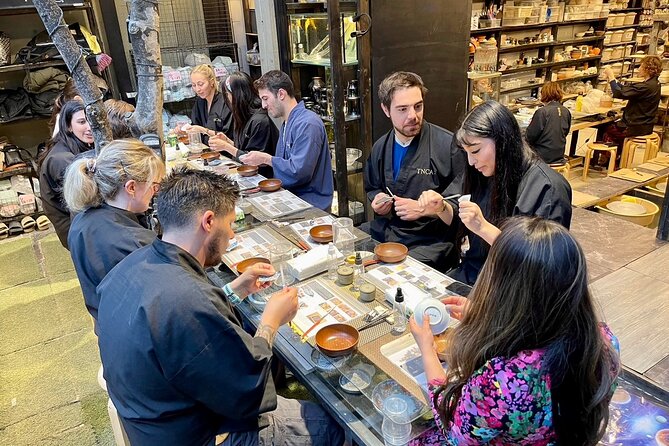
Kintsugi in Tokyo is the rare craft class that feels like a philosophy lesson. You repair a broken ceramic plate using lacquer mixed with gold, then take home the finished piece as a souvenir from Japan’s golden-joinery tradition. If you book the 11:00 a.m. slot, there’s a chance to meet Master Taku, which adds real energy to the room.
I especially love that this class gives you both the why and the how. You learn the idea that breakage and repair are part of an object’s history, not a reason to toss it. I also like the small-group pace, capped at no more than 10 guests, so you are not shouting across a studio while trying to work neatly.
One thing to plan around: this is not a bring-your-own-ceramics workshop. Personal items are not allowed, and under 6 years of age can’t enter the atelier for safety reasons. That means you’ll get a guided lesson, but with some firm boundaries on what you can work on.
Key points to know before you go
- Gold-lacquer kintsugi on a studio-provided plate, designed as a take-home souvenir
- Small group size (up to 10 guests) for hands-on guidance
- You wear a samue, a traditional craftsperson garment, during the refinish work
- Philosophy focus, not just technique, including the wabi-sabi mindset behind repair
- Master Taku may be present in the 11:00 a.m. class
- No personal pottery is allowed, so you’re working with what the studio provides
Why this Kintsugi lesson feels different in Tokyo

Most creative workshops teach you a product. This one teaches a mindset, and that changes how you experience the hour. Kintsugi is built on the idea that an object’s history includes damage, and repair can be a form of respect. Instead of hiding cracks, you emphasize them with gold.
That philosophical framing matters because it keeps you from treating the class like a quick souvenir factory. You’ll spend the time on careful restoration work guided by an instructor, then you’ll leave with a piece that tells a story. Even if you have zero art background, the “repair is part of life” message gives the whole session a calmer feel, not a pressure-to-perform vibe.
You can also read our reviews of more tours and experiences in Tokyo.



Entering the Minami-Aoyama studio, samue, and small-group flow
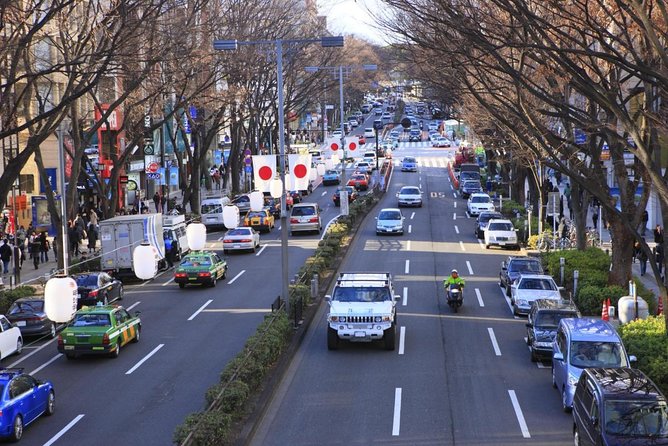
The class takes place at the TNCA Minami-Aoyama Studio in Minami-Aoyama, in central Tokyo’s Minato City area. You make your own way there, and the studio is described as near public transportation, so you should be able to get there without hiring a taxi.
Once you arrive, you meet your teacher and your small group, then you put on a samue. That’s not just costume trivia. It signals that this is a craft you should treat with care and attention. In a small atelier setting, that small shift in how you show up helps you focus on the steps instead of rushing.
Group size is capped at no more than 10 guests, and that tends to make a big difference in a workshop. You can actually ask questions. You can also get feedback without waiting for the instructor to finish with the person next to you.
How the workshop runs: technique plus the cultural reasoning
The lesson runs about 1 hour. You’ll work on a ceramic plate provided by the studio. You also learn about the philosophy behind Kintsugi, so you understand what you’re doing beyond the visible result.
Here’s what you can count on, in practical terms:
- Your teacher guides you through the kintsugi technique step-by-step
- You use lacquer mixed with gold to repair and highlight the join
- You learn the cultural reasoning behind kintsugi as an attitude toward objects and repair
- You get a more thoughtful view of Japanese aesthetics, often described through the lens of wabi-sabi (the beauty of imperfection)
A key detail: personal items are not allowed. That’s worth noting because it keeps the class simple and predictable. The studio controls the materials and the repair method, and it also reduces safety issues inside a small work space.
What you make and what you can take home
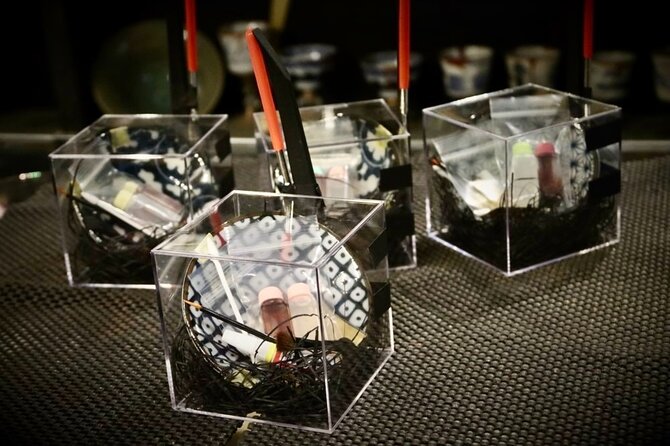
Your take-home item is the repaired plate you use during the class. You do not just watch from a seat. You complete the mending and refinishing work yourself, guided by the instructor and studio tools.
This souvenir setup is actually good value. Many Tokyo craft activities charge similar prices, but you might leave with a small item that doesn’t feel like it took real work. Here, your result is a functional-looking ceramic piece that you helped repair with gold.
Also, the studio seems to think about post-lesson reality, like transporting the finished item. There’s mention of careful packaging for travel, and that matters because lacquer repairs can be delicate. You’ll want to follow any instructions you’re given for packing and handling so your souvenir survives your flight.
Getting your timing right, including the Master Taku possibility
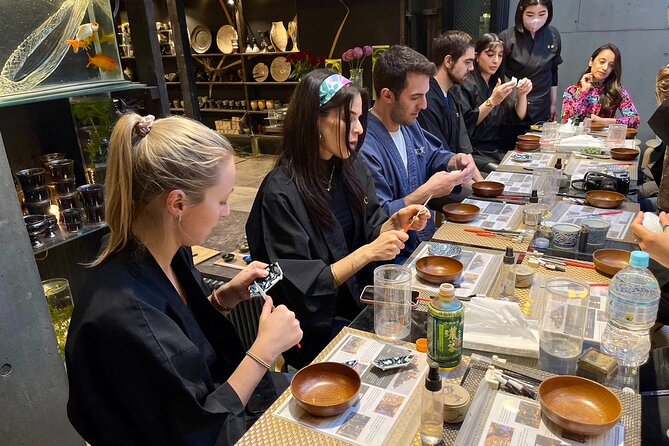
The experience runs multiple classes, and one highlight is that the owner and master artisan are sometimes present in the atelier work. The overview also notes that you have a chance to meet Master Taku in the 11:00 a.m. class.
So if you are the kind of person who plans your day around a special cultural moment, pick the time that has that added possibility. If you just want the workshop experience and you do not care who is in the room, any time that fits your schedule will still deliver the core lesson.



Price and value: what $59.69 includes in Tokyo
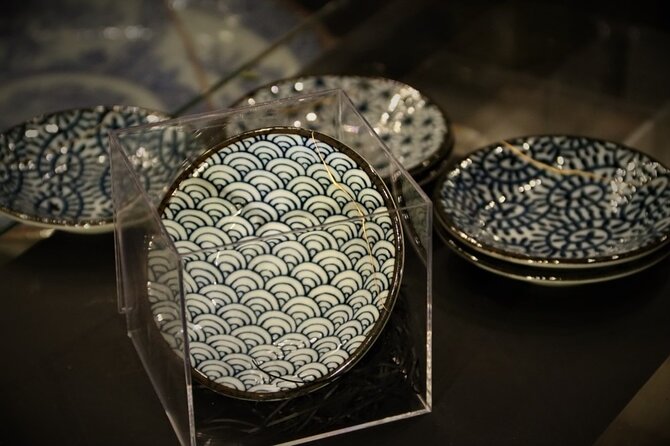
The price is listed at $59.69 per person, and that sounds straightforward until you look at what’s included.
Your lesson fee includes:
- The plate you use during the workshop and can take home afterward
- All necessary equipment
- All taxes, fees, and handling charges
What’s not included:
- Hotel pickup and drop-off
- Food and drinks
That bundle is where the value shows. You are paying for a guided, materials-included craft class, with a take-home ceramic item at the end. Since you do not need to buy supplies, you also avoid the common “craft class surprise” where you spend more once you’re on-site.
If you are traveling with friends, the listing also mentions group discounts. That can make this a strong budget-friendly option for a creative morning in Tokyo.
Practical logistics that matter on workshop day
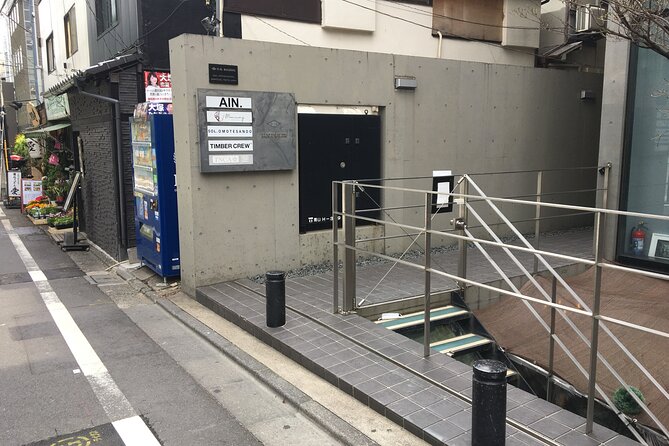
This is a studio class in a specific neighborhood, so the main logistics are getting there and arriving on time. The meeting point is the TNCA Minami-Aoyama Studio at 3-chōme-8-2 Minamiaoyama, Minato City, Tokyo 107-0062. The activity ends back at the meeting point.
A couple of things to keep in mind based on what people report about the experience:
- You’ll want to have the address saved in your maps app before you leave. Some people find small studio locations easier with a navigation tool.
- Expect to walk a bit from the nearest station and plan for stairs if you use underground transit routes.
- Wear comfortable clothes. You’ll be putting on the samue, but you still need to be able to move your hands and stay steady at the work table.
Also note the age rule: under 6 years of age cannot enter the atelier for safety reasons. If you are traveling with kids, check your schedule and alternatives early.
Who this Kintsugi class is best for (and who should think twice)
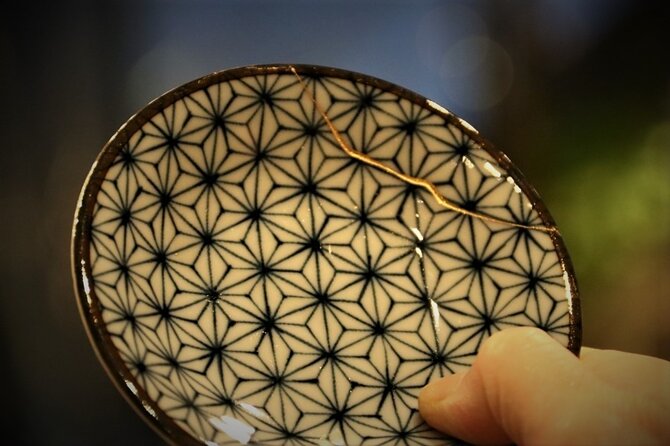
This workshop fits best if you want a short, meaningful creative activity in Tokyo. It’s also ideal if you like learning cultural context along with technique.
You’ll probably enjoy it if:
- You want a hands-on Japanese art class without needing prior experience
- You like crafts that feel meditative and focused
- You want a souvenir with personal effort behind it
- You care about the philosophy, not only the final look
You might think twice if:
- You were hoping to repair your own broken dish or mug. Personal items are not allowed.
- You need a strictly stroller-friendly or very kid-friendly environment. The atelier has a safety limit for children under 6.
Should you book the Kintsugi Experience in Tokyo?
If you’re choosing between “another photo stop” and “something you’ll remember,” this is a good bet. The class gives you a repaired ceramic plate with gold-accent joins, and it pairs the craft with the repair philosophy that makes Kintsugi more than a pretty object.
Book it if you want:
- A small-group Kintsugi workshop in Minami-Aoyama
- The chance to meet Master Taku in the 11:00 a.m. class
- A lesson that includes both technique and cultural meaning
- A take-home souvenir that looks like it came from Japan, not a mass-produced kit
Skip it if you’re only interested in working on your own ceramics or you’re traveling with very young children who can’t enter the atelier.
If your schedule can handle a calm, focused hour, this is the kind of Tokyo experience that feels worth the ticket price because you leave with skill, context, and a tangible piece of art.
FAQ
How long is the Kintsugi experience in Tokyo?
It runs about 1 hour (approximately).
Where is the studio located?
The start and meeting point is TNCA Minami-Aoyama Studio, 3-chōme-8-2 Minamiaoyama, Minato City, Tokyo 107-0062, Japan.
What does the lesson cost?
The price is $59.69 per person.
How many people are in the group?
The group is capped at no more than 10 guests, and the overall activity maximum is listed as 20 travelers.
Can I bring my own broken pottery to repair?
No. Personal items are not allowed. The studio provides the plate you work on.
What will I make in the class?
You will repair a ceramic plate using lacquer mixed with gold, and you take that repaired plate home.
Do I need to bring anything?
The lesson includes all necessary equipment. Food and drinks are not included.
What should I wear?
The class includes putting on a samue (traditional craftsperson garment) during the workshop.
Is the experience suitable for children?
Under 6 years of age cannot enter the atelier for safety reasons.
Is a mobile ticket used?
Yes, the experience mentions a mobile ticket.
Can I change or get a refund after booking?
This experience is non-refundable and cannot be changed for any reason. If it is canceled because the minimum number of travelers is not met, you will be offered a different date or a full refund.
More Tour Reviews in Tokyo
Not for you? Here's more nearby things to do in Tokyo we have reviewed












Tokyo City Tours, side by side.
 ★ 5.01-Day Tokyo Bus TourFrom $12914,250 reviews
 ★ 4.5TOKYO SKYTREE® Admission ticketFrom $1311,192 reviews
 ★ 4.6teamLab Planets TOKYO Digital Art Museum Entry TicketFrom $259,779 reviews
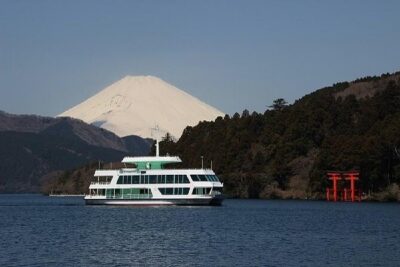 ★ 4.0Mt Fuji & Hakone Cruise, Drum Show Bullet Train 1 Day from TokyoFrom $1497,413 reviews
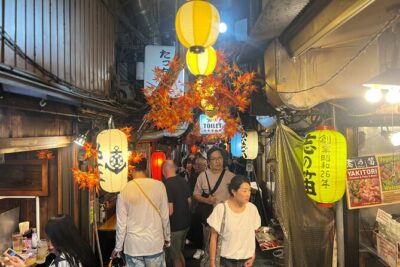 ★ 5.0Shinjuku Food Tour (13 Dishes at 4 Local Eateries)From $866,603 reviews
 ★ 4.4Tokyo Mt Fuji 5th St & Hakone Cruise Bus Tour w/Bullet TrainFrom $1545,024 reviews
 ★ 5.0Flagship 2-Hours Official Street Go-Kart Tour – Tokyo Bay ShopFrom $644,974 reviews
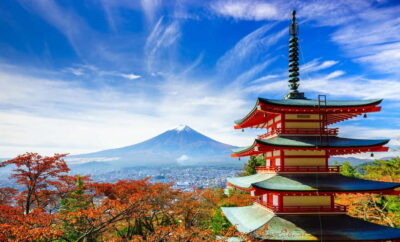 ★ 4.5From Tokyo: Mount Fuji Full-Day Sightseeing TripFrom $684,970 reviews