
Review · ASAKUSA TOURS
Full Tokyo: Meiji Shrine, Imperial Palace, Asakusa & Skytree
Tokyo moves fast, in the good way. This 7-hour highlights loop strings together Shibuya Crossing, Meiji Shrine, the Imperial Palace exterior, Asakusa, and optional Tokyo Skytree views.
I especially like the mix of big-city energy and quiet, spiritual space. You’ll get major photo stops plus guided time at places that deserve it, like the calm walk through Meiji’s shrine grounds and the Imperial Palace area.
One thing to weigh: the day is packed, and the Asakusa portion can feel tight if you want lots of slow, step-by-step temple time. Also, if you add Skytree, entry depends on having tickets sorted ahead of time.
Key Things to Know Before You Go
- Hachiko to Shibuya first: start by getting your bearings at Hachiko Square, then roll straight into the Shibuya Crossing moment.
- Guided time where it matters: Meiji Shrine gets a focused guided walk, and the Imperial Palace stop is also guided.
- Asakusa includes options: you can choose lunch, then you get free time to explore around Senso-ji.
- Skytree can be add-on heavy lifting: the tour can include Skytree admission, but you need to be ticket-ready to go up.
- Trains handle the spacing: transfers are by train, which keeps the day moving across Tokyo.
Starting at Hachiko Square and Locking In Shibuya Crossing
Your day starts at the Hachiko Statue at Hachiko Square. It is a smart meeting point because it is easy to find, and it instantly places you in the Shibuya area that powers so much of Tokyo’s modern buzz.
After you meet your bilingual guide in English or Spanish, the schedule shifts quickly into motion. You’ll head toward Shibuya and get that famous Shibuya Crossing view, with time for photos and that slightly surreal feeling of watching a sea of people move together.
Two practical tips help here. First, wear comfortable shoes even if you think you will be mostly sightseeing from a window or a short stop, because photo moments still mean walking. Second, bring water and sunscreen, since this part of the day tends to be outdoors.
You can also read our reviews of more tours and experiences in Tokyo.



Meiji Shrine: A Quiet Reset in an Urban Forest
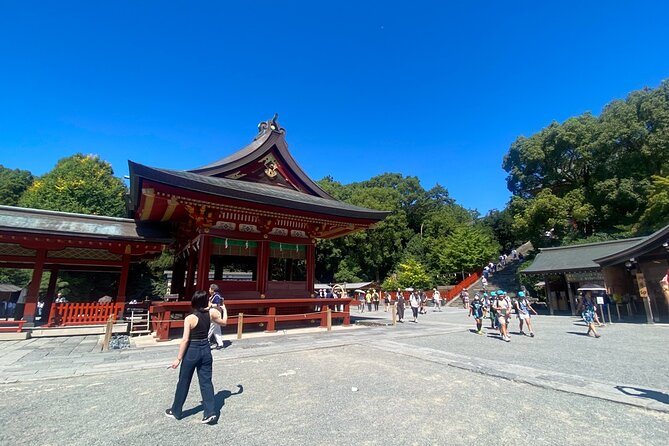
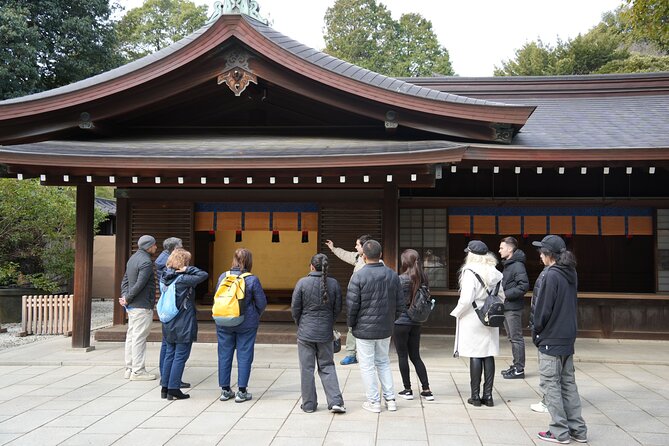
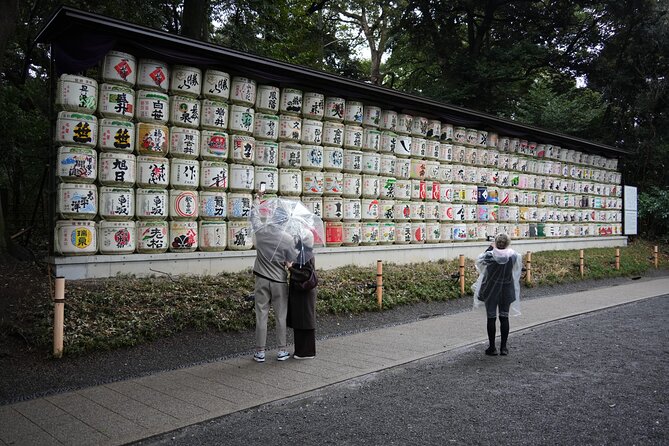
Then the tour turns the volume down at Meiji Shrine. You go from crowds and street energy to a calm, tree-filled approach that feels like a breather inside the city.
Meiji Shrine is guided for a good stretch, so you are not just looking at scenery. You’ll get context about what you are seeing and how Shinto tradition shows up in everyday details, like the way the space is laid out and how people move through the area.
I like this stop because it gives you a “Tokyo rhythm” that makes the rest of your day make more sense. When you understand the shrine’s mood, the contrast with Shibuya and Akihabara feels sharper, not random.
If you want photos, keep your camera ready as you walk inward. The greenery frames shots nicely, and the crowd level often feels more manageable here than at the big-picture intersections.
Imperial Palace Exterior Photos Without the Stress
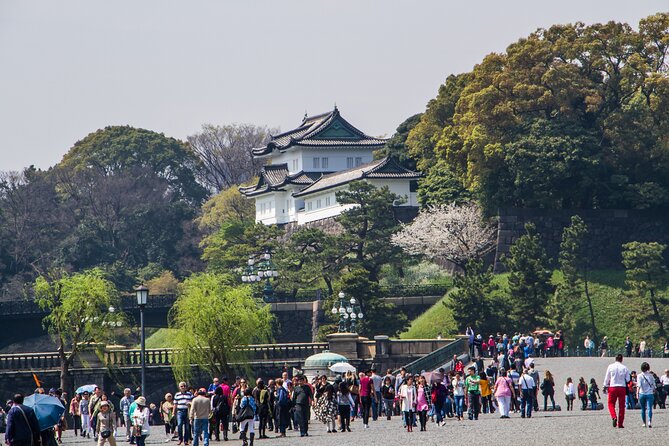
Next up is the Tokyo Imperial Palace area, with guided time focused on what you can realistically see. You’ll have the chance to snap photos of the palace exterior, and you can appreciate the surrounding gardens even if you are not spending a full day inside.
The Imperial Palace is a great “pause” stop. It is not just a wall and a moat, it is a reminder that Tokyo is layered, old and new side by side, and the city keeps making space for ceremony and tradition.
The only consideration here is time pressure. Guided time is shorter than at Meiji, so decide early what you want to capture, wide exterior shots or garden details, and then commit instead of trying to do everything.
Akihabara: Quick Tech and Pop Culture Flavor
After the palace area, you get a scenic drive through Akihabara, Tokyo’s tech and pop culture zone. Even if you are not shopping, it gives you that immediate sense of what makes Akihabara feel different from the rest of central Tokyo.
This is not the stop for long, slow wandering. It is more of a taste, so if you know you want specific stores, games, electronics, or anime shopping, you’ll likely want to plan a separate time for it later.
Still, I like having Akihabara on the route because it helps round out the day. Tokyo is not one vibe, and this quick slice shows one of the city’s biggest identities without swallowing your whole schedule.
Asakusa and Senso-ji: Lunch Option and Free Time Around the Temple
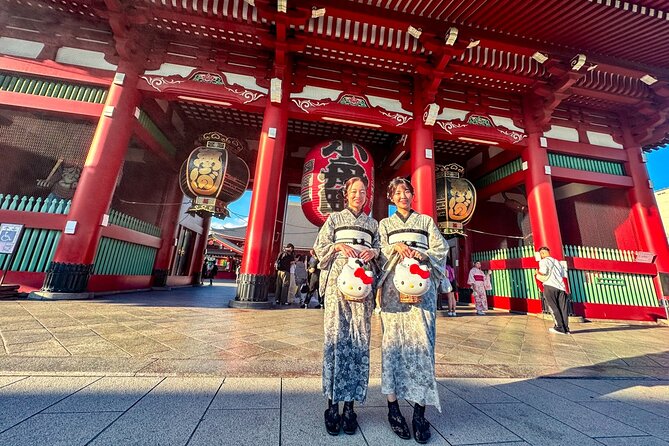
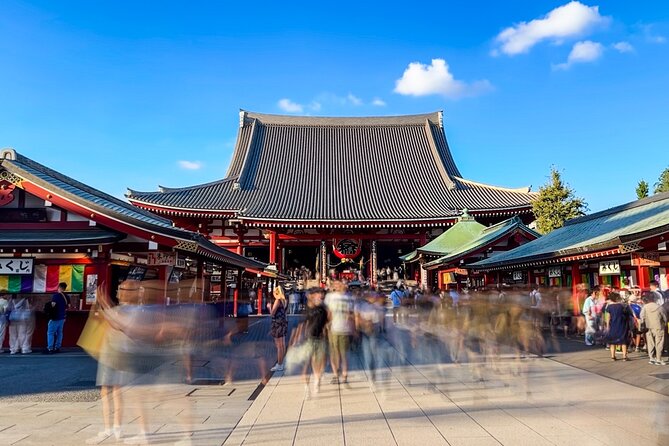
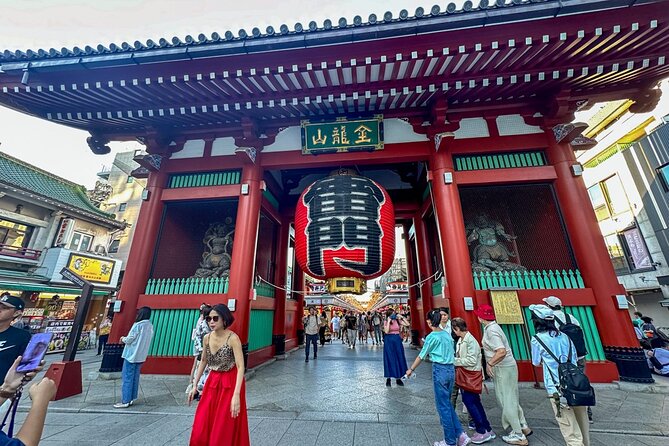
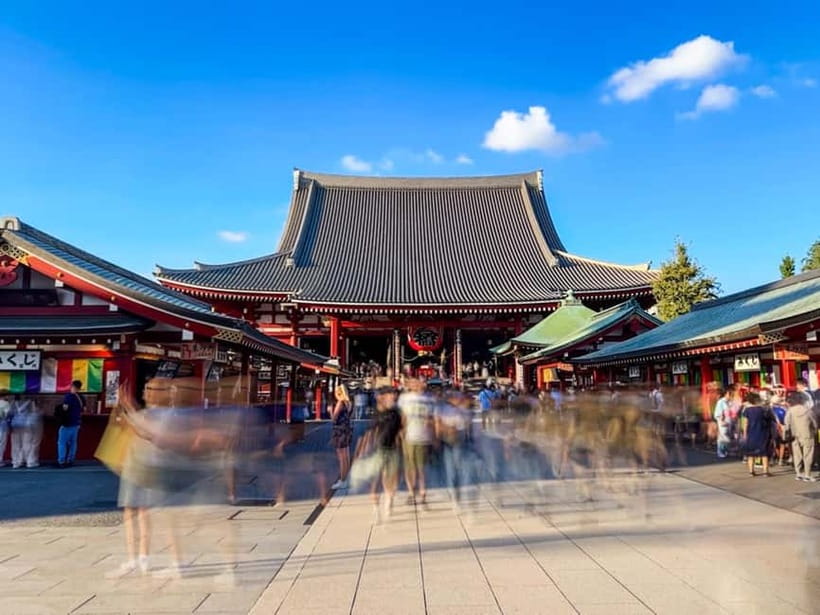
Then comes Asakusa, where you visit Senso-ji Temple and get time for lunch (if you choose the option) plus about two hours of free time in the area. This is one of the most rewarding parts of the day because Asakusa feels built for wandering, not just checking boxes.
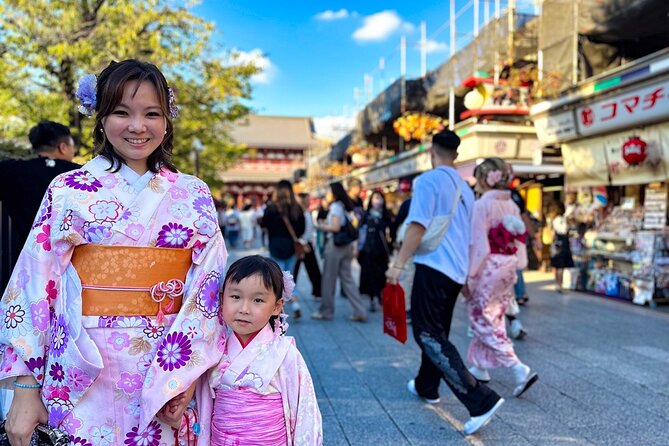
Senso-ji is a major landmark and also a living, sensory neighborhood. Expect foot traffic, incense-and-street energy, and enough to photograph that you’ll be tempted to slow down more than your schedule allows.
Here is the useful tradeoff. If you want a lot of guided explanation at Senso-ji, this tour’s Asakusa time can feel too short for a deep, slow temple experience. Your best move is to ask your guide what to prioritize right at the start of the stop, then do your own exploration with intention.
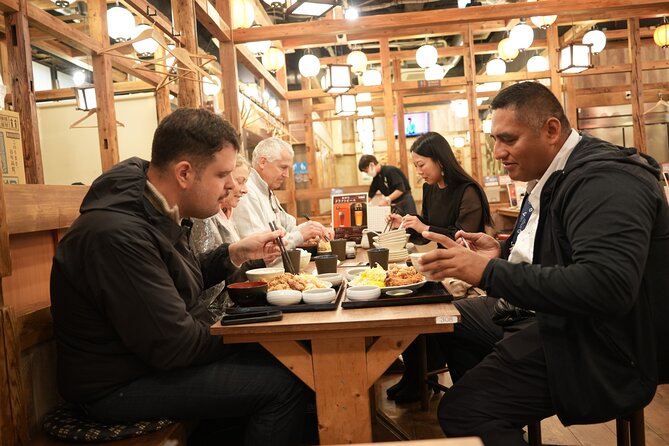
If you select the lunch option, the meal is typically served at a local Japanese restaurant and included in the price you paid for the tour. I like that setup because it removes a common Tokyo headache, figuring out where to eat without losing sightseeing time.
Either way, use the free time to do one thing well. Pick either street snacks and photo spots, or quiet temple-side wandering, and leave yourself some buffer in case it is crowded.



Tokyo Skytree: Panoramic Views With Ticket Readiness
If you choose it, your day ends with Tokyo Skytree and the observation deck city views. This is the payoff moment for many first-time visitors because it turns Tokyo into a map you can understand, with neighborhoods, distance, and scale all visible at once.
The key practical point is ticket timing. The tour notes that you will only be able to enter if you have already purchased tickets. So treat Skytree entry as a must-do task before you rely on day-of access.
When you go up, aim to stay focused for photos and orientation. Look for landmarks, follow major roads with your eyes, and try to identify the areas you walked and rode through that day. The view makes your route feel real.
If you come on a busy day, be ready for lines and keep your pace calm. The best approach is to plan for the view first, not for a perfect photo right at the start.
Price and Value for a $69 7-Hour Highlights Day
At $69 per person for about 7 hours, this tour can be good value if you want structure and transfers handled. You are not only paying for sightseeing stops, you are also paying for a bilingual guide (English and Spanish) and train tickets for the moving parts between major areas.
That matters in Tokyo. Getting across town efficiently can eat time, energy, and money, especially if you are figuring things out on your first day. With transfers included, you lose less of your day to logistics.
Lunch can add even more value if you choose the option. It prevents the classic trap of skipping lunch while sight-seeing and then paying a premium later with less choice.
Skytree is optional in how it is offered, and entrance is listed as included if you pick that option. Just remember the entrance rule about having tickets sorted, because that is what actually determines whether you can go up.
One caution about value: this day is tight. If you prefer long, slow time at fewer places, you may feel that stops are not as leisurely as you hoped. But if you want a smart, high-impact overview of central Tokyo, the structure is the point.
Guides, Group Pace, and Why Organization Shows Up
One reason people rate this type of tour highly is the guide. Names mentioned include Oliver, George, Burt, Erik, and Jörg and Melody, and a recurring theme is that they keep things organized and explain culture in a way that feels practical, not just textbook.
I also like the way this tour handles pacing for mixed walking speeds. Some guides are known for staying attentive to people who walk slower, which keeps the group from splitting into chaos.
Because the tour uses trains between stops, the guide’s job is not only storytelling. It is also keeping you pointed in the right direction and handling the transfers so you can focus on the sights.
That said, the day still moves as a group. If you like lots of unscheduled wandering, you may feel slightly rushed unless you use the free time in Asakusa strategically.
What to Pack for a Tokyo Day That Mixes Shrines, Streets, and Views
For a day like this, your packing is simple but important. Bring comfortable shoes, a hat, sunscreen, water, and your camera.
Tokyo can swing from bright sun to shaded areas under trees, especially once you hit the shrine grounds. Sunscreen and a hat save you from the kind of fatigue that makes later views feel less fun.
If you are bringing a phone for Skytree photos, also bring a power plan. Observation decks eat battery quickly, and you’ll want your camera ready for skyline shots near the top.
Who This Tour Fits Best
This tour is a strong fit if you are a first-timer who wants a one-day overview of central Tokyo’s big icons. You get both sacred and modern, including a major shrine, a palace exterior photo moment, and city-scale views from Skytree.
It is also ideal if you value a plan. The day includes train transfers, guided stops, and clear time blocks, so you spend less time figuring out what comes next.
It is not a match for everyone. It is listed as not suitable for wheelchair users, so if mobility support is needed, you’ll want to look for a different format.
Should You Book This Tokyo Highlights Tour?
Book it if you want a structured 7-hour sampler of Shibuya, Meiji Shrine, the Imperial Palace exterior, Asakusa, and possibly Skytree, with train tickets and bilingual guiding included. It is especially worth considering on a day when you would rather not fight Tokyo transit and timing.
Skip or adjust expectations if you are the type who needs long guided time at Senso-ji or wants a slower, more relaxed temple experience. Also, if Skytree is a priority, double-check you have tickets ready, since entry depends on having them.
If you like contrast, this tour nails it: crowds to quiet, tradition to skyline. That mix is why it works for many people, and it could work very well for you too.
FAQ
Where do I meet the guide?
Meet your guide next to the Hachiko Statue at Hachiko Square.
How long is the tour?
The duration is 7 hours.
What languages is the tour guide in?
The guide is bilingual in English and Spanish.
Is lunch included?
Lunch is included only if you choose the lunch option. If you do not choose it, you will have free time in Asakusa instead.
Is Tokyo Skytree included, and can I enter on the day?
Tokyo Skytree entry is included if you selected the option. The tour also notes that you will only be able to enter if you have previously purchased tickets.
What should I bring?
Bring comfortable shoes, a hat, a camera, sunscreen, and water.
Are drinks included?
Drinks are not included.
More Tour Reviews in Tokyo
Not for you? Here's more nearby things to do in Tokyo we have reviewed












Asakusa Tours, side by side.
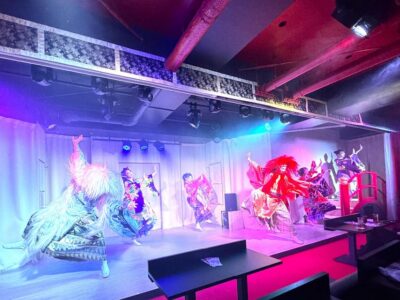 ★ 4.8Japanese Dance Cabaret Theater Asakusa-Kaguwa TicketFrom $492,270 reviews
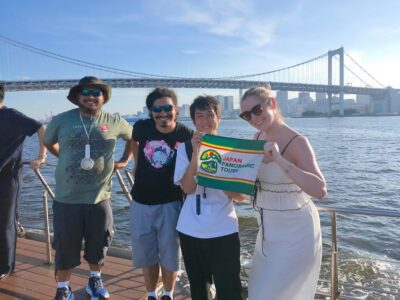 ★ 4.7Meiji Shrine, Asakusa, Skytree Bus Tour and CruiseFrom $1221,986 reviews
 ★ 4.9Roll and Authentic Sushi Making Class in AsakusaFrom $581,957 reviews
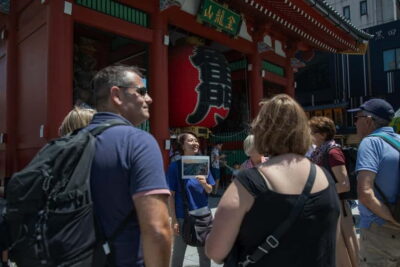 ★ 4.8Asakusa Walking Tour with Sensoji Temple VisitFrom $221,583 reviews
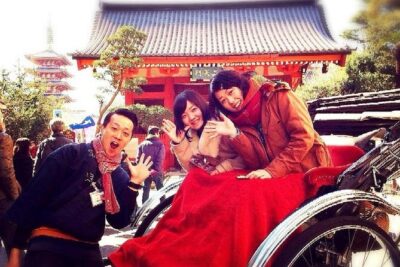 ★ 5.0Tokyo Asakusa Rickshaw TourFrom $421,375 reviews
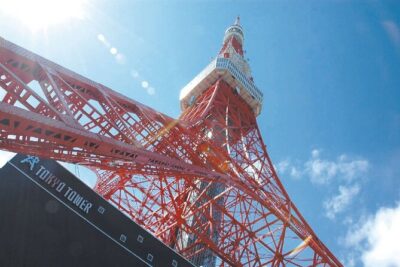 ★ 4.5Tokyo Panoramic 1 Day: Meiji Shrine, Asakusa, Odaiba and SKYTREE®From $851,222 reviews
 ★ 5.0Tokyo Go Kart: Asakusa, Skytree, and Akihabara **IDP MUST**From $99988 reviews
 ★ 4.7Asakusa, Skytree & Akhihabara Go-Kart City ExperienceFrom $96761 reviews
This tour also belongs to