
Review · ASAKUSA TOURS
Tokyo: Asakusa Walking Tour with Sensoji Temple Visit
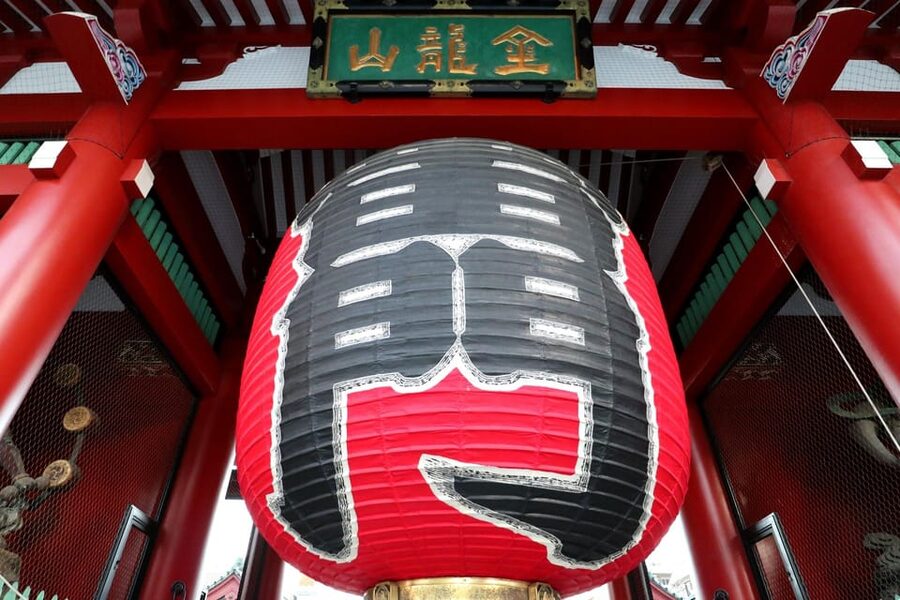
Asakusa feels like old Tokyo, fast. This walking tour takes you straight through Kaminarimon (Thunder Gate) and into Sensō-ji, then winds you along the markets and back streets that still feel like a local neighborhood. You also get a guided explanation of what you are seeing, not just a checklist of sights.
I especially liked two things: standing up close to Sensō-ji and catching the incense-and-temple details firsthand, and then turning the corner onto Nakamise Street to watch the shopping energy start to roll. The guide names what matters, like why certain buildings and customs look the way they do. One drawback to plan around is that Asakusa can be crowded and loud, so if you want a slow, quiet temple sit-down, the group pace will feel a bit tight.
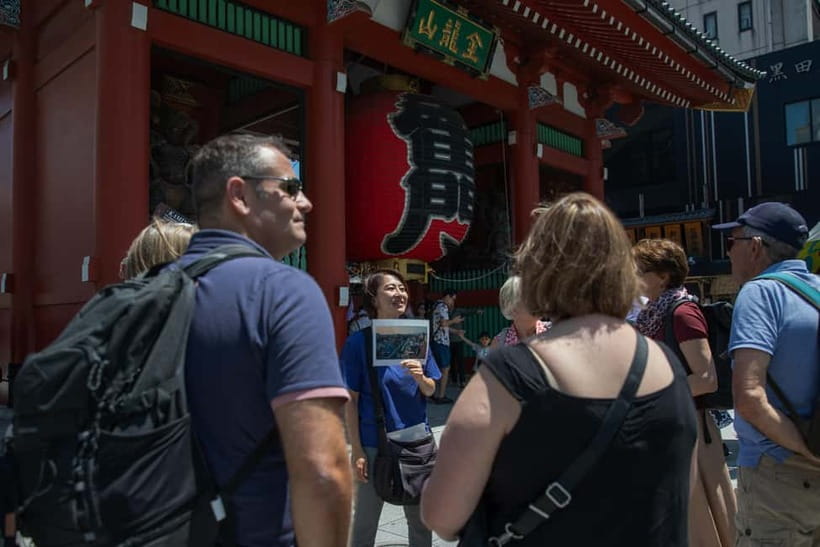
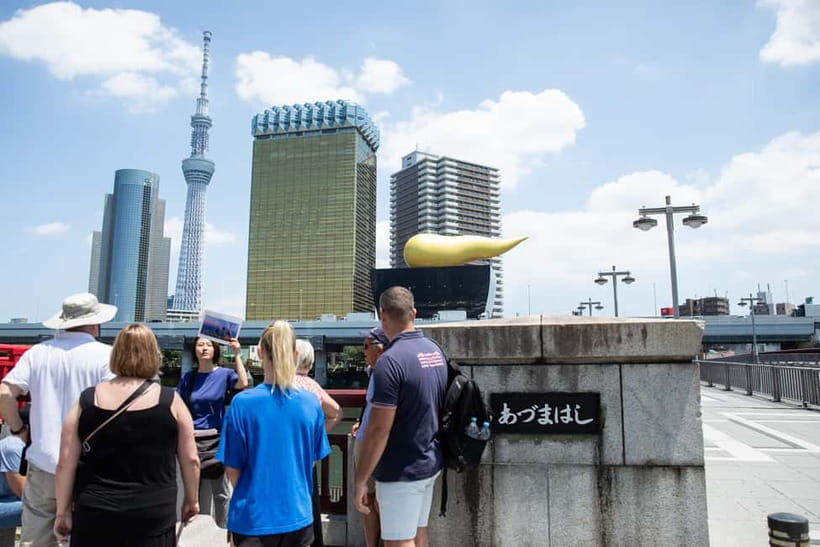
You start at Kaminarimon, meet your guide on the left side near the Tokiwado Kaminari-okoshi Honpo shop, and you finish at Azuma Bridge. The tour runs about 2 hours, in English, and it is built for an easy win on your first or mid-trip day in Tokyo.
Key highlights worth circling on your map
- Kaminarimon Thunder Gate up close for those big “wow” photos
- Sensō-ji incense rituals plus time to look around on your own
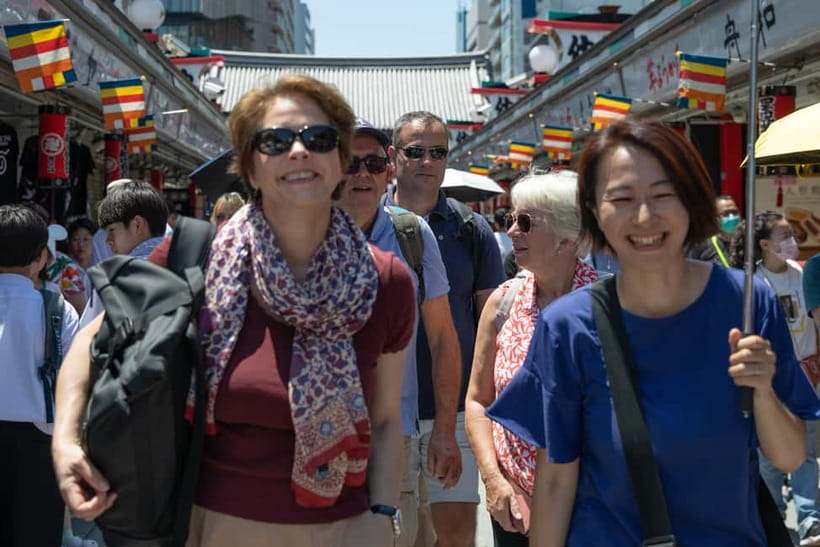
- Nakamise Street walking through one of Tokyo’s oldest shopping corridors
- Asakusa Shrine photo stop that balances the Buddhist focus
- Hoppy Street and Shin-Nakamise for extra local atmosphere and options
- Finish at Azuma Bridge so you can keep exploring or grab lunch nearby
Getting oriented at Kaminarimon, then stepping into Asakusa
The tour kicks off at Kaminarimon Gate, the iconic entrance landmark that you will hear about even if you have not memorized every Tokyo temple fact yet. You meet your guide in front of Kaminarimon, on the left side, near the Tokiwado Kaminari-okoshi Honpo shop, and the guide will be holding a sign for the group. Start on time. This is one of those places where being late costs you the flow, and the guide cannot pause for a straggler.
What I like about starting here is that it instantly gives you context. Kaminarimon is not just an entrance. It is a visual shortcut to what Asakusa is about: religion, tradition, and everyday life rubbing shoulders. In the first 10 minutes, the guide typically sets expectations for how the crowds move and what details are worth looking at, so you feel less like you are sprinting and more like you are reading the place.
If you are coming from a station, you will still need a short walk, so give yourself buffer time for photo stops before the meeting. Shoes matter too. The ground is flat, but the area is packed, and you will be on your feet for the full loop.
You can also read our reviews of more walking tours in Tokyo

Sensō-ji Temple: Thunder Gate photos and real ritual details
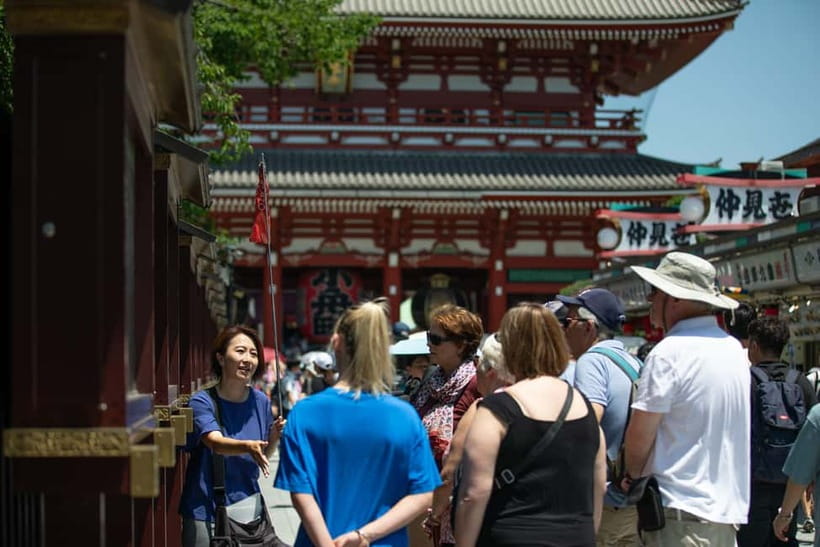
Sensō-ji is the heart of the tour, and the route is designed so you get the main view early. You spend time taking photos at the temple, and you also get guided context that makes the scene click, including what is happening around the incense and why people behave the way they do in the temple area.
Your guided visit includes a look at key temple features and a chance to witness incense-related actions. You are given time to notice the craftsmanship and the small visual cues, not just pose for a picture and move on. Then you get a dedicated window of free time to explore at your own pace, typically about 30 minutes.
Practical note: temple areas are active. Expect people moving in every direction and families taking photos. If you do not like feeling rushed, your best move is to use the guided time to learn what to look for, then spend the free time slowing down on the exact corner or angle you care about most.
Nakamise Street shopping: how to enjoy it without getting overwhelmed
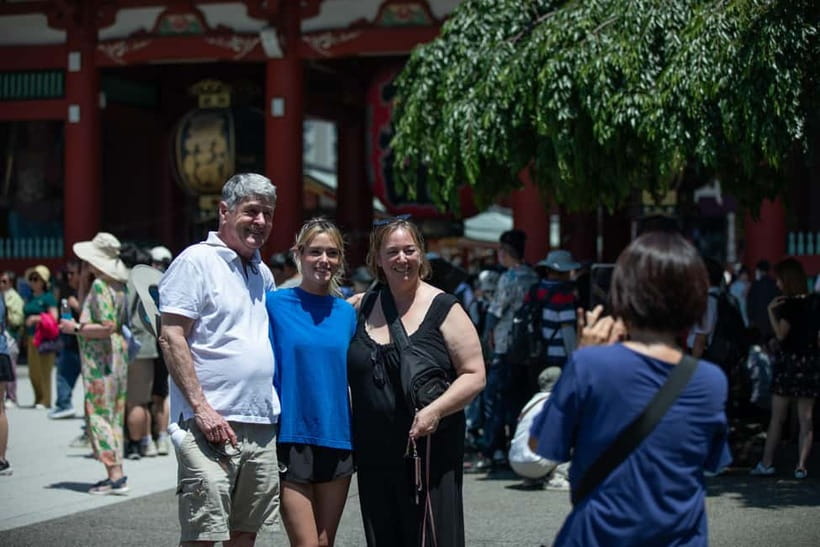
After the temple area, you head onto Nakamise Shopping Street, one of the oldest shopping streets in Japan. The goal here is not to make you buy things. It is to show you the variety and the rhythm of the place, plus how the street’s style reflects the area’s history.
During the walk, the guide typically points out what stands out, like traditional snack stalls and craft shops that sell the kind of souvenirs you actually see people using, not just stacking in a shopping bag. Many guides on this route also share practical tips for later eating and browsing in the area, which is handy because Asakusa is so packed with food choices that it is easy to freeze.
What to watch for:
- If you want to avoid decision fatigue, pick 1 or 2 snack targets early, then treat the rest as browsing.
- If you are sensitive to strong smells, be aware that incense and food aromas can stack up in a busy corridor.
- If you love photos, plan to pause often, but keep the group flow in mind.
Even if shopping is not your thing, this stop is still valuable because it shows how tradition functions in daily life. The markets do not feel like a museum exhibit. They feel like a working street.
Asakusa Shrine and Hoppy Street: the quick detour that adds balance
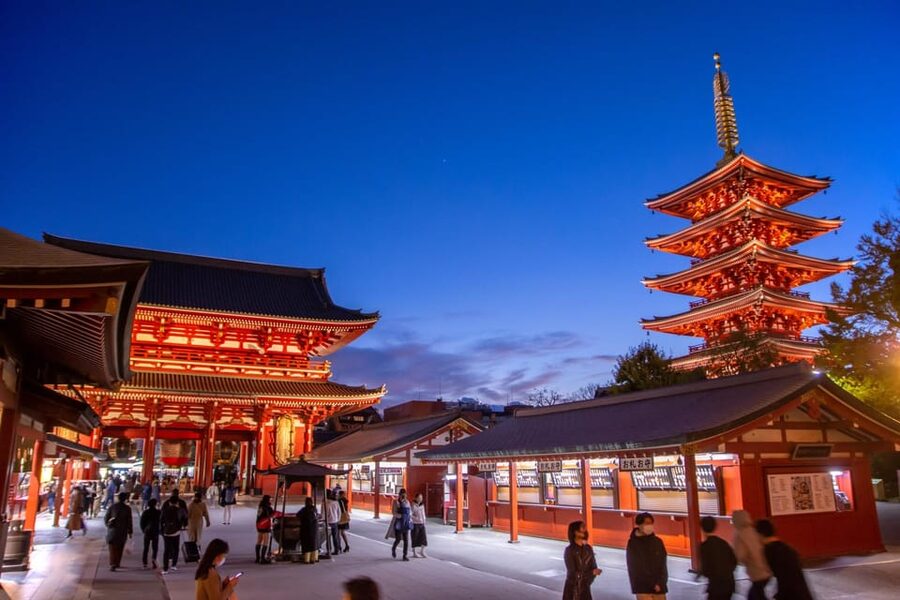
One nice trick of this tour is that it does not spend all 2 hours on one religious site. You also stop at Asakusa Shrine for photos and a guided visit. That change of tone matters. It helps you compare the visual language of Shinto and Buddhist sacred spaces, so you leave with a stronger sense of how Tokyo can mix beliefs in the same neighborhood.
You spend about 20 minutes here, which is enough to orient yourself and notice differences without eating the whole schedule. If you are the type who likes details, ask your guide what to pay attention to, like symbols or architectural cues. Guides here tend to answer questions in a way that makes the scene make sense fast.
Then you move to Hoppy Street, a short stop that adds local flavor. It is one of those areas where you get a taste of Asakusa beyond the postcard view. The guide’s short introduction in this stretch helps you understand what you are walking through, so it feels intentional rather than random.
Shin-Nakamise and the Azuma Bridge finish
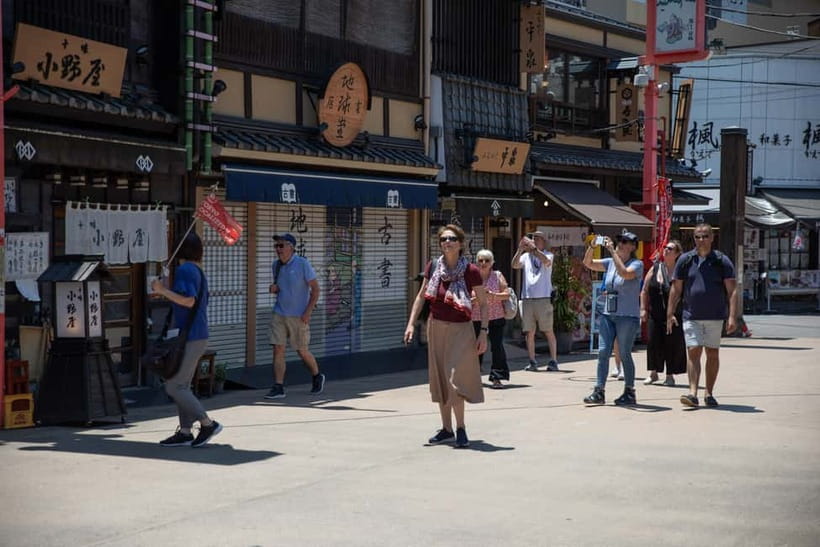
After Hoppy Street, you continue to Shin-Nakamise Shopping Street. This area gives you another layer of shopping and street life, with a slightly different feel than the main Nakamise stretch. You get another guided window, about 10 minutes, which is enough time to see what is going on and spot places you might want to return to later.
Finally, the tour ends at Azuma Bridge. I like this ending point because it sets you up for the next step of your day. You are not trapped inside the tight temple-and-market zone. You finish near a broader view and a natural walking path that makes it easy to go back for food, take more photos, or connect to other parts of the city.
If you are planning lunch immediately after, this is a smart moment. The whole route nudges you toward the idea that Asakusa is also a food neighborhood, not only a sightseeing stop.






Why the guide experience really matters here
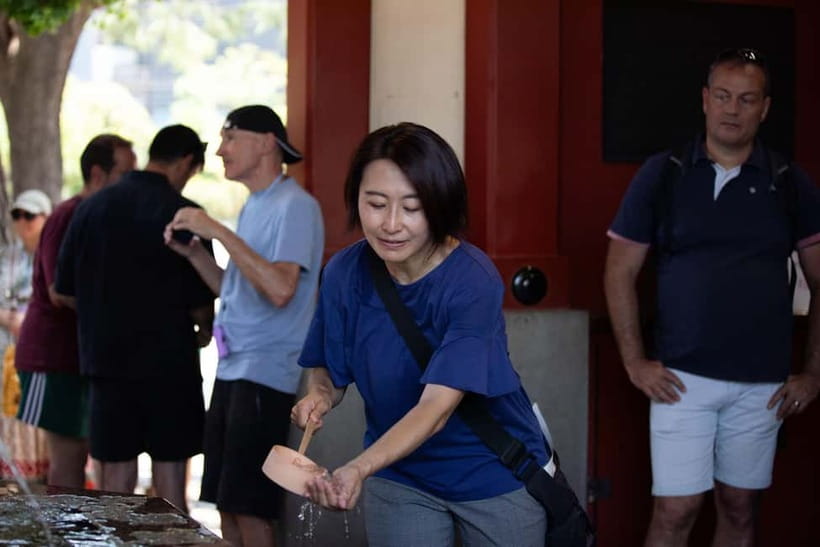
This tour stands or falls on the guide, and the good news is that English interpretation is a central part of it. Many groups led by different guides, including people like Aya, Keiko, Aya-san, Hiroko, Loc, Paulina, and Mei, share the same theme: they explain what you are looking at in plain language and they keep the pace human.
I love guides who handle questions well. On this route, you can ask about temple customs, why certain areas look the way they do, and what souvenirs or street foods actually mean in context. One highlight from the guide style is patience, including with kids and teens, and an ability to adjust pace so everyone can hear and see. You also get practical after-tour help, like suggestions for where to eat, which makes the experience feel like a thoughtful Tokyo start, not just a guided walk around traffic.
So if you want a tour that teaches you enough to explore on your own right after, this is the format.
Price and value: about $22 for a focused 2-hour loop
At around $22 per person for about 2 hours, this is good value for Tokyo, especially because you are not paying for entry tickets or complicated transport. You are paying for guided timing, crowd navigation, and context while you are in the most crowded and confusing part of town.
Here is how I think about the value. You could walk this area alone, sure. But doing it solo often means you miss the meaning behind what you see, and you spend extra time figuring out where to go next. The tour gives you a logical order: Kaminarimon to Sensō-ji, then market streets, shrine, and a finish that makes sense.
If you have limited time in Tokyo or you want your first Asakusa experience to feel smooth, the price looks fair. If you already know Asakusa well and love wandering without structure, you might not need a guide. Still, most people find that the guide turns “I walked past that” into “I understood that.”
What to wear and when to go for a calmer experience
Because this is a walking tour through busy streets, your comfort plan matters. Wear shoes you can walk in for 2 hours without thinking about it. Bring a small umbrella if weather looks questionable. Crowds are normal here, especially near temple entrances and shopping streets, so expect slow pockets and frequent side glances.
Timing can also change your experience. The tour gives you scheduled stops plus free time, so you should be ready to move with the group. If you love quiet photos, consider arriving earlier to the meeting spot so you can take a few shots before the main swell builds.
Also, remember that incense and street food smells are part of the sensory package. If you are sensitive to strong odors, it is still doable, but you may want to keep distance during the busiest ritual moments.
Who this tour is best for
This works especially well if you:
- Want a structured first look at Asakusa without overplanning
- Prefer learning the “why” behind temple and shrine scenes
- Like shopping street atmosphere, even if you do not plan to buy much
- Are traveling with a mix of interests, since you get sacred sites plus everyday Tokyo streets
If you are looking for a super slow, reflective day or you want a long deep-time temple exploration, you might find the guided pacing limiting. Still, the free time and the smart end point at Azuma Bridge help you extend your visit your way.
Should you book this Asakusa walking tour with Sensō-ji?
Yes, I think you should book it if you want a smooth introduction to one of Tokyo’s most iconic neighborhoods and you care about understanding what you see. The value is strong for the time, and the guide-driven explanations make the route feel purposeful.
Skip it only if you already plan to spend the day in Asakusa and you prefer to wander without any structure or context. In that case, you could walk the same streets on your own. But if you want a fast, guided orientation and then a clear path to lunch and more exploring, this tour hits the right notes.
FAQ
Where do I meet the guide?
Meet in front of Kaminarimon Gate on the left side, near the Tokiwado Kaminari-okoshi Honpo shop. The guide will be holding a sign for the tour.
How long is the tour?
The tour lasts about 2 hours.
Is the tour in English?
Yes, the live tour guide speaks English.
What is included?
You get a walking tour and a guide.
Is there free cancellation?
Yes. You can cancel up to 24 hours in advance for a full refund.
Is the tour wheelchair accessible?
Yes, it is listed as wheelchair accessible.
More Walking Tours in Tokyo
More Tours in Tokyo

More Tour Reviews in Tokyo
Not for you? Here's more nearby things to do in Tokyo we have reviewed












Asakusa Tours, side by side.
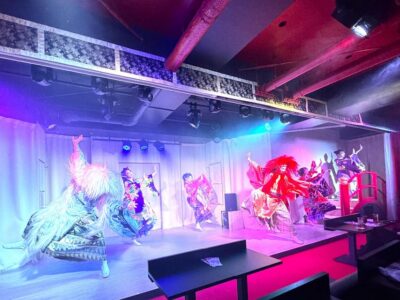 ★ 4.8Japanese Dance Cabaret Theater Asakusa-Kaguwa TicketFrom $492,270 reviews
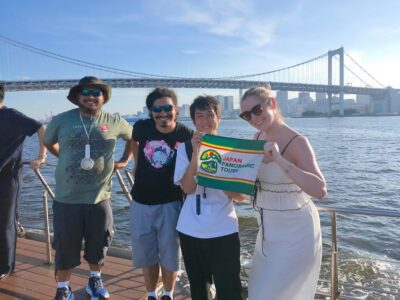 ★ 4.7Meiji Shrine, Asakusa, Skytree Bus Tour and CruiseFrom $1221,986 reviews
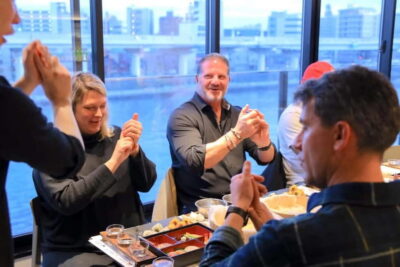 ★ 4.9Roll and Authentic Sushi Making Class in AsakusaFrom $581,957 reviews
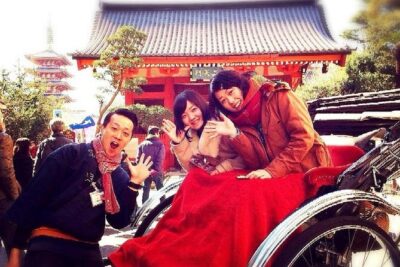 ★ 5.0Tokyo Asakusa Rickshaw TourFrom $421,375 reviews
 ★ 4.5Tokyo Panoramic 1 Day: Meiji Shrine, Asakusa, Odaiba and SKYTREE®From $851,222 reviews
 ★ 5.0Tokyo Go Kart: Asakusa, Skytree, and Akihabara **IDP MUST**From $99988 reviews
 ★ 4.7Asakusa, Skytree & Akhihabara Go-Kart City ExperienceFrom $96761 reviews
 ★ 4.9Matcha Making Experience with Mochi Sweets in AsakusaFrom $22388 reviews
This tour also belongs to