
Review · TOKYO CITY TOURS
Make Sushi and Create Unforgettable Memories in Tokyo
Rice, knives, and smiles in Asakusa. This 1 hour 40 minute sushi class teaches no experience needed nigiri and roll basics with friendly English guidance, in Asakusa near Sensoji Temple.
My favorite part is that you eat what you make, so the learning ends in a real meal you helped create. You also get sushi history and practical tips, and instructors like Rino and Yuto often share trivia that makes the techniques stick.
One thing to consider: the class can have up to 30 people, so timing of individual help can feel a bit staggered. The good news is that you still get hands-on time and plenty of instruction to keep things moving.
Quick take: what makes this Tokyo sushi class worth your time
- Asakusa location near Sensoji Temple, so you can pair it with easy sightseeing
- English-speaking instruction, led step by step for beginners
- Nigiri plus roll sushi, including styles some sessions focus on like temari-style cuteness and maki techniques
- You eat what you make, with a meal included in the price
- Dietary flexibility, including gluten-free options and accommodations for shellfish allergy, plus choices that avoid raw fish
- Maximum group size of 30, with the session organized so you still get practical help
Asakusa, Sensoji Temple area, and why this meeting point is a win
This class happens in Asakusa, in the Tokyo neighborhood most people picture when they think of old-school streets and temple landmarks. The meeting point is at 2-chōme-17-9 Kaminarimon, Taito City, Tokyo 111-0034, and the activity runs back to the same spot at the end.
That location matters. If you schedule sushi class time in Asakusa, you can turn one trip into two things: learn how Japanese sushi is made, then immediately walk off your meal in one of Tokyo’s classic areas. It also keeps logistics simple because you do not need to figure out a faraway kitchen or a complicated transfer.
And since it is near public transportation, you should be able to slot it into almost any day without stressing over travel time.
You can also read our reviews of more tours and experiences in Tokyo.



The class flow in 1 hour 40 minutes, from instructions to photos
The timing is a big part of why this works well for visitors. About 1 hour 40 minutes is long enough to learn real technique, but short enough that you are not burning half a day.
Here is what the structure feels like based on the format and what the instructors cover:
- You start with an English-speaking instructor explaining what you will make and how the pieces fit together.
- You learn sushi rolling basics and nigiri steps in a relaxed, beginner-friendly way.
- You get cultural insights and history or sushi trivia along the way.
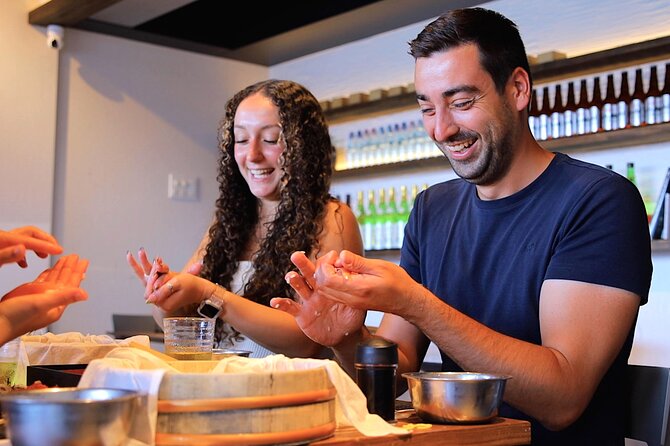
- You make sushi yourself, then eat what you created.
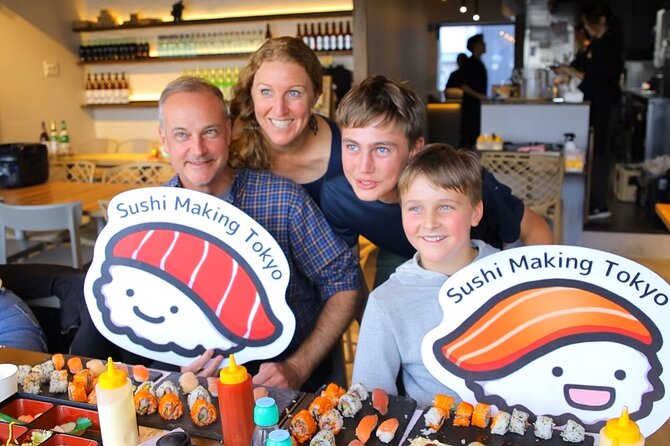
- You take photos at the end so you can remember the result, not just the lesson.
The “photo at the end” part might sound small, but it changes the experience. You are not leaving with vague memories. You are leaving with tangible proof that you made something that looks like what you ordered at sushi counters back home.
Nigiri and roll sushi skills you can repeat, even if you start clueless
No experience is required, and the class is built for learning by doing. The instructors break down technique into steps that you can follow, which is what most people want when they are standing in front of rice and seaweed thinking, uh, where do I even start.
Two sushi styles come up repeatedly:
- Nigiri
Reviews point out that nigiri can be harder than people expect. That is exactly why this course helps. You learn how to form and top it without guessing.
- Maki and related roll styles
You learn rolling for your own hand rolls or maki. Some sessions also include cute, easy styles first, like temari sushi, then move on to rolled sushi that takes more practice.
A nice detail from real course descriptions is that the instructors do not just teach one thing. They tend to guide you through an easy-to-master item and then a roll style where you can show improvement. That pacing helps beginners feel progress fast, which is key in a short class.
English-speaking instructors and the small moments that make it click
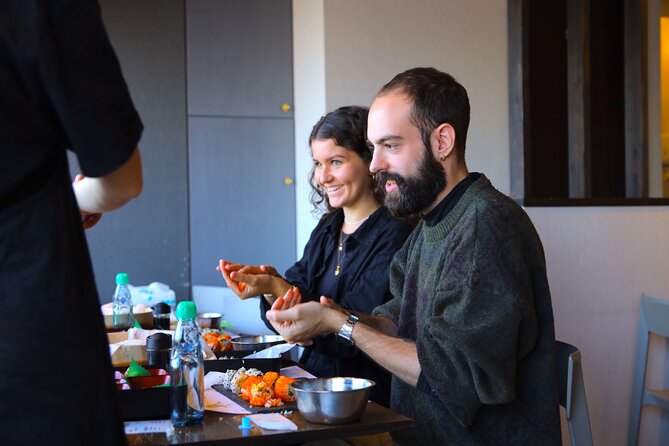
If you come to Tokyo and do not speak Japanese, this is where a class like this earns its place. The instructors run the session in English, so you are not relying on pointing and hoping.
You will hear plenty of instructor names in people’s write-ups, and that is useful for you because it hints at the teaching style. People specifically called out instructors such as Rino, Yuto, Ken, Sato, Momo, Madoka, Yusuke, Yuhi, Yui, Emi, Mikoki, Kento, Matti, and Ayu. Across names, the common theme is friendly guidance, clear step-by-step coaching, and upbeat energy.
There is also a practical teaching detail worth noting: instructors tend to keep things organized with ingredients and tools ready in advance. One review even mentioned that utensils and ingredients were set up well, which is what you want in a hands-on activity. You spend less time looking for stuff and more time learning how to do the sushi.
What you eat, portion size, and how the meal becomes part of the value
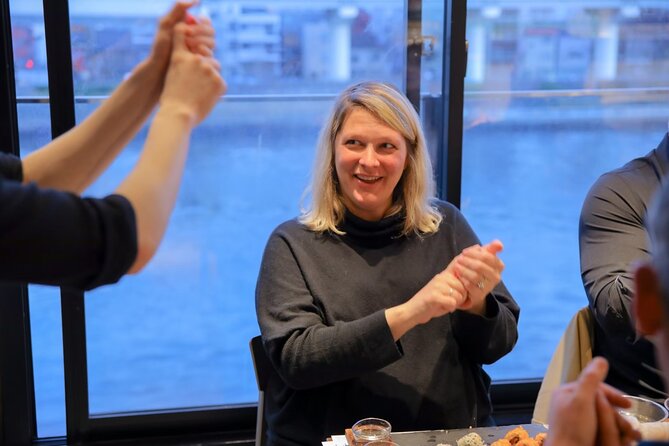
This is not a show-and-taste class. You actually eat the sushi you make. Ingredients of the cooking class and the meal are included.
How much food are you talking about? People mention eating substantial amounts, including combinations like an 8 piece maki roll and 8 pieces of nigiri per person. Even when the exact count varies by session, the consistent point is that you leave full.
That affects value. You are paying for a meal and a skill lesson together. In Tokyo, that is a strong combo, because a lot of food experiences either focus on eating only or teaching only.
Dietary needs are also addressed in a real way. Reviews mention:
- Gluten-free support for at least one participant
- Shellfish allergy accommodation with substitutions that kept the same portion size
- Choices that avoid raw fish so everyone can enjoy what they make
If you have dietary restrictions, this is the kind of class where it is worth telling the instructor early. With the structure and substitutions already used before, you are more likely to get a smooth outcome.



Price and logistics, what you are paying for and what to watch
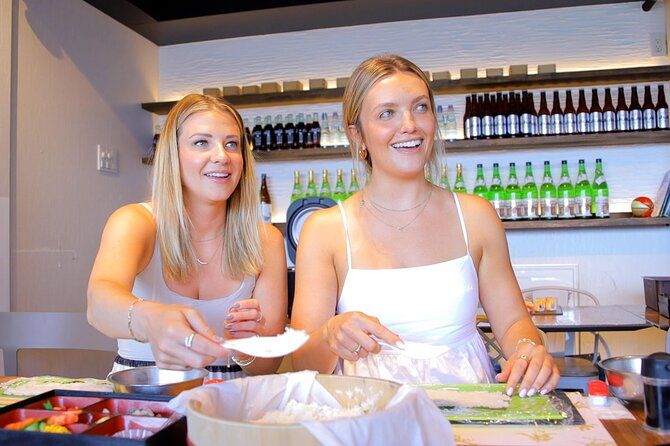
The price is $79.59 per person, and the class runs about 1 hour 40 minutes. No hotel pickup or drop-off is included, so you should plan to get there under your own steam.
That is the tradeoff: you control the schedule and arrival, but you are not paying extra for transport. For a Tokyo day, that is often fine because Asakusa is straightforward to reach by public transportation.
What you do get in the price:
- An English speaking instructor
- Ingredients of the cooking class and meal
What you do not get:
- Hotel pickup and drop-off
Given that you are learning techniques and eating your results, the value is strongest if you like hands-on activities. If you mainly want to snack and take pictures with minimal work, this may feel like more effort than you expected.
A quick logistics tip: arrive a few minutes early. Some participants were a bit late and the team still kept things calm, but the fastest way to reduce stress is to be there on time so the instructor can start without delay.
Who this Tokyo sushi class suits best
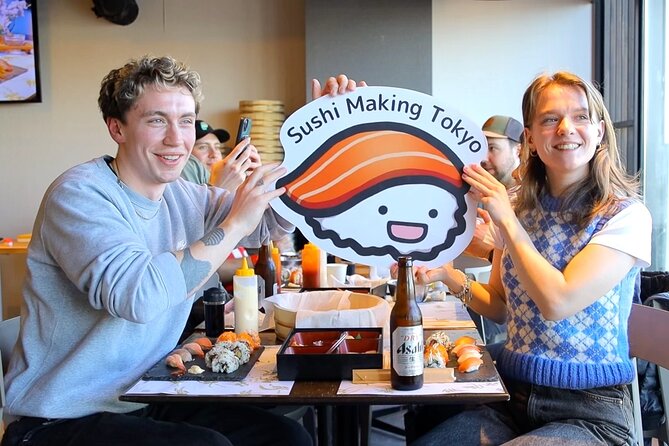
This is one of those activities that works across travel styles, mainly because it is structured for beginners.
It tends to be a great fit if:
- You are traveling solo and want a friendly, social activity that does not require a group tour mindset
- You have teens who are willing to try something hands-on but still want it to feel fun
- You are with family, since the class is beginner-friendly and structured
- You want a memorable food experience in Tokyo that ends with a meal
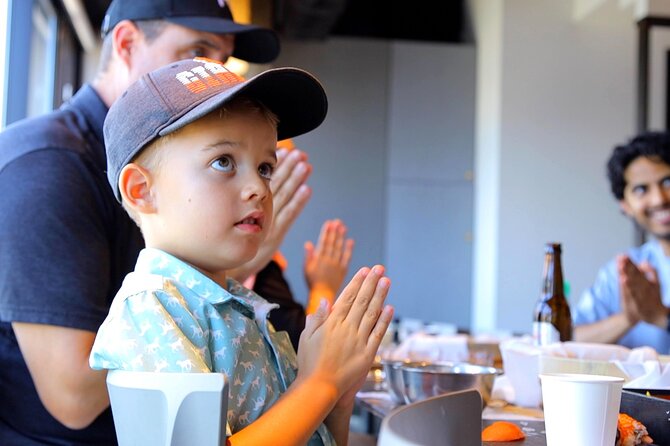
One more bonus for families: the course format can make kids feel proud fast. Making nigiri and rolls is concrete. You can show someone at home exactly what you learned.
If you are the kind of traveler who wants a cooking class to teach technique, not just taste, this is also a strong match. People mention that the explanations are simple and professional, which is what helps you actually repeat the method later.
Practical tips for enjoying the class without friction
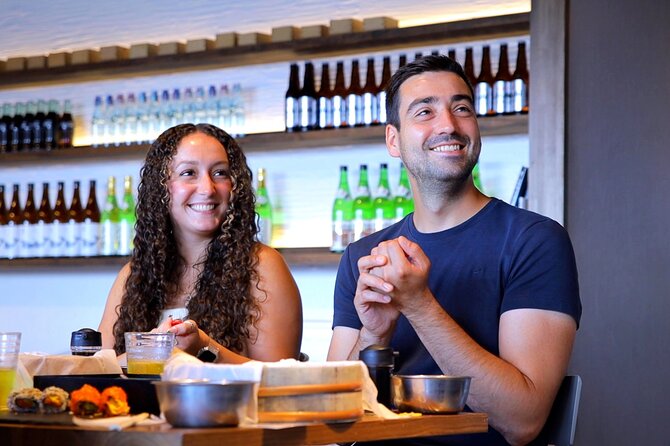
A few small things can make the experience smoother:
- Plan for a photo moment. Use your phone camera during the class, not just at the end.
- Ask about drink options if that matters to you. Reviews mention varied beverage options, and sake can come with an extra charge.
- Tell them about dietary needs ahead of time. Gluten-free and shellfish allergy accommodations are supported based on past outcomes, and there are options that avoid raw fish.
- Go in with realistic expectations. You will learn steps and leave with skills, but sushi technique takes repetition. Think of this as a confidence builder, not a lifetime certification.
Also, keep an eye on group size. With a maximum of 30 travelers, you might not get constant one-on-one focus. The class still breaks people into smaller working groups during the hands-on parts, so you are not just standing and watching.
Should you book Sushi Making Tokyo in Asakusa?
If you want a Tokyo food activity that combines skill, history, and a satisfying meal you made yourself, this is an easy yes.
I would book it if:
- You are a beginner and want step-by-step English instruction
- You like interactive activities more than museum-style experiences
- You want a short, high-impact class that fits into a sightseeing day
- You value options for dietary needs, including gluten-free and raw-fish-avoiding choices
I would think twice if:
- You prefer very small, quiet workshops where you are guaranteed one-on-one coaching the whole time
- You dislike hands-on cooking or you want only a light tasting
Bottom line: for most first-time Tokyo visitors, this is a well-priced, low-stress way to walk away with a real sushi skill and a full stomach, right in the Asakusa neighborhood where Tokyo still feels like Tokyo.
FAQ
Where does the sushi making class start?
The class starts at 2-chōme-17-9 Kaminarimon, Taito City, Tokyo 111-0034, Japan.
How long is the experience?
It runs about 1 hour 40 minutes (approx.).
Do I need any previous cooking experience?
No experience is needed. The instruction is designed for beginners.
Is the class taught in English?
Yes. The experience includes an English speaking instructor.
What is included in the price?
The price includes the English speaking instructor, ingredients for the cooking class, and the meal.
Is hotel pickup and drop-off included?
No. Hotel pickup and drop-off are not included.
Can I take food photos or photos after the class?
The experience includes time to take photos to remember the moment.
Do they have options for dietary restrictions?
Yes. Reviews mention gluten-free options, accommodations for shellfish allergy, and options that avoid raw fish.
What is the cancellation policy?
You can cancel for a full refund up to 24 hours in advance of the experience start time. If you cancel less than 24 hours before, the amount you paid is not refunded. The experience may also be canceled if a minimum number of travelers is not met, in which case you would be offered a different date or a full refund.
More Tour Reviews in Tokyo
Not for you? Here's more nearby things to do in Tokyo we have reviewed












Tokyo City Tours, side by side.
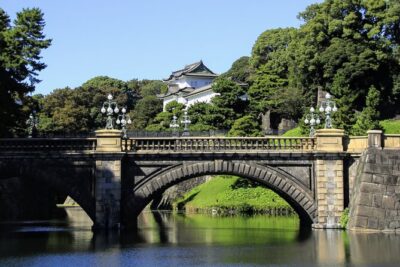 ★ 5.01-Day Tokyo Bus TourFrom $12914,250 reviews
 ★ 4.5TOKYO SKYTREE® Admission ticketFrom $1311,192 reviews
 ★ 4.6teamLab Planets TOKYO Digital Art Museum Entry TicketFrom $259,779 reviews
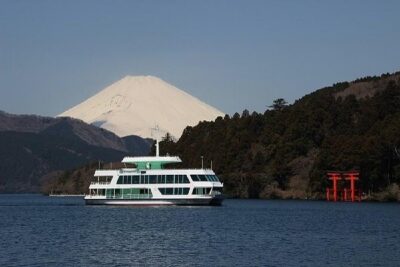 ★ 4.0Mt Fuji & Hakone Cruise, Drum Show Bullet Train 1 Day from TokyoFrom $1497,413 reviews
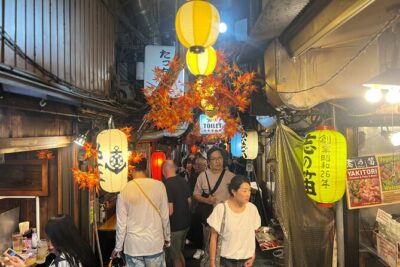 ★ 5.0Shinjuku Food Tour (13 Dishes at 4 Local Eateries)From $866,603 reviews
 ★ 4.4Tokyo Mt Fuji 5th St & Hakone Cruise Bus Tour w/Bullet TrainFrom $1545,024 reviews
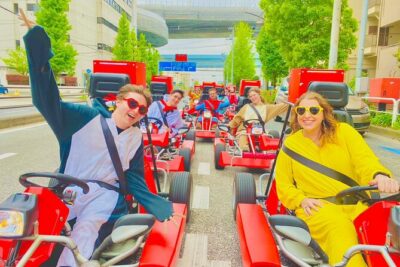 ★ 5.0Flagship 2-Hours Official Street Go-Kart Tour – Tokyo Bay ShopFrom $644,974 reviews
 ★ 4.5From Tokyo: Mount Fuji Full-Day Sightseeing TripFrom $684,970 reviews