
Review · SHIBUYA TOURS
Tokyo Cherry Blossom Matcha Experience in Yoyogi Park (Shibuya)
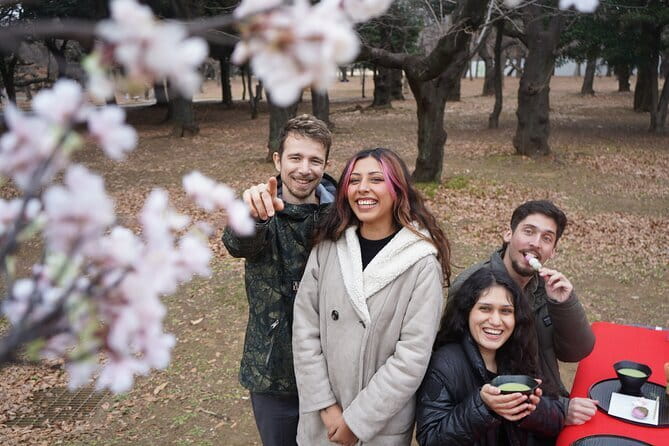
Cherry blossoms in Tokyo have a smell, and this adds matcha. In Yoyogi Park near Shibuya and Shinjuku, you get a matcha picnic vibe, not a stiff tea ceremony. You’ll learn how to whisk with traditional tools, then enjoy it in the open air while sakura is at its peak.
I especially like the combination of Uji matcha and hands-on making. You’re not just tasting, you’re doing, and the host keeps things beginner-friendly in English. I also enjoyed the seasonal wagashi sweets, because they make the whole break feel like a real spring moment, not a checklist.
One thing to keep in mind is that it’s weather dependent, and the cherry blossom timing is short. If the forecast is bad or sakura timing shifts, you’ll need flexibility.
Quick hits: what makes this Yoyogi Park matcha picnic special
- Cherry blossom season only: usually from around March 23 for about two weeks, depending on conditions.
- Small group size: a maximum of 6 travelers, so it stays relaxed and personal.
- Certified hospitality approach: led by a certified Matcha Hospitality Adviser, with Japanese tea culture explained in English.
- Rare Uji matcha: you taste matcha you might not otherwise get as a visitor.
- Traditional whisking, not a ceremony: beginner-friendly, no dress code, and no prior experience needed.
- Optional photo sessions: easy to capture sakura and matcha moments without turning it into a photoshoot marathon.
Cherry blossoms and Uji matcha in Yoyogi Park, near Shibuya
Tokyo in spring is all about timing. This experience is built for that narrow window when sakura is actually in bloom, and Yoyogi Park is one of the city’s best places to feel that atmosphere.
What you’re really booking is a relaxed spring break that pairs two things Tokyo does well: sakura season and tea culture. Instead of moving fast through crowded spots, you slow down under trees and focus on a simple ritual, whisking matcha and eating seasonal sweets at a comfortable pace. It feels local, not staged.
I like that it’s positioned near Shibuya and Shinjuku areas, which makes it practical. You can start in the Harajuku/Jingumae orbit, enjoy the park experience, and still keep your day open for other neighborhoods like Omotesando.
You can also read our reviews of more tours and experiences in Tokyo.



Price and what you really get for $100.80
The price is listed as $100.80 per person, and it’s worth thinking about what’s included beyond the setting. You get a full one-hour activity that centers on matcha making with traditional tools, plus seasonal Japanese wagashi sweets.
You’re also not flying solo with instructions from a phone app. This is led by a local host who explains the culture in English and guides you through the process. With a maximum of 6 travelers, you’re more likely to get real answers to questions instead of feeling rushed.
There’s another value angle here: the matcha itself is described as Uji matcha, and that’s a specific type tied to tea culture. If you’ve only ever had supermarket matcha as a tourist, tasting something more authentic is usually the payoff. Add the traditional tools and it becomes less like a snack stop and more like a mini cultural lesson.
One practical note: food and drinks purchased at local vendors are not included, so if you want extra bites from nearby stalls, you’ll pay separately. The experience includes matcha and sweets, so you don’t need to hunt for anything right away.
How the 1-hour flow feels, stop by stop (Shibuya to Yoyogi Park)
This is an about-one-hour experience. That may sound short, but the structure is simple on purpose, especially during cherry blossom season when you want to keep moving with the group.
You start at Harajuku Station (meeting point listed at 1 Chome-18 Jingumae, Shibuya, Tokyo 150-0001, Japan). From there, the route includes stops in Shibuya and Yoyogi Park, then returns through Harajuku Station and Omotesando.
Here’s how that matters for you in real life. You’re getting a park moment while staying close to major stations. That reduces the “lost time” problem that can ruin spring days when you’re trying to squeeze in multiple neighborhoods.
What you’re likely to do at each stop is practical and low pressure: orientation, moving between viewpoints, and then the main matcha picnic focus in Yoyogi Park. The experience is designed to be beginner-friendly, so you won’t be cramming formal tea ceremony steps into a tight schedule.
The main drawback of a short format is you won’t have hours to wander the entire park on your own. If you love long sakura walks and want maximum time among the trees, consider using this as your anchored, guided spring hour, then plan extra free time outside the tour window.
The matcha making part: traditional tools without the ceremony pressure
This is not a formal tea ceremony. You won’t be expected to dress up, memorize sequences, or perform like you’re in a training video.
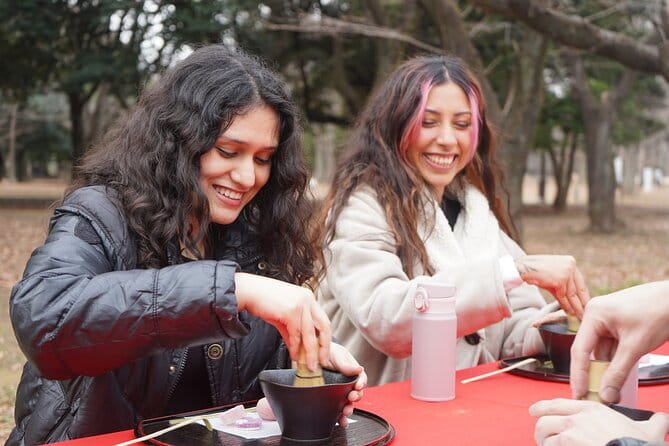
Instead, you’ll whisk your own bowl of authentic matcha using traditional tools. For most first-time visitors, that hands-on moment is where the value lives. It turns matcha from a drink you order into something you understand, even if you keep it simple.
The host is described as a certified Matcha Hospitality Adviser. That combination matters because it signals the explanation won’t be random. You should get clear, step-by-step guidance and culturally grounded hospitality insights, and you get them in English.
I also like that this is “relaxed and local.” The vibe is picnic-like, not stiff. You can ask questions and learn why certain practices exist, without worrying you’re doing it wrong.
If you’re the type who usually freezes during demonstrations, you’ll probably feel comfortable here because the experience is explicitly beginner-friendly. No experience is required, and there’s no dress code. That removes the mental friction that stops people from trying small cultural activities when they’re traveling.
Wagashi sweets and Japanese hospitality lessons you can use right away
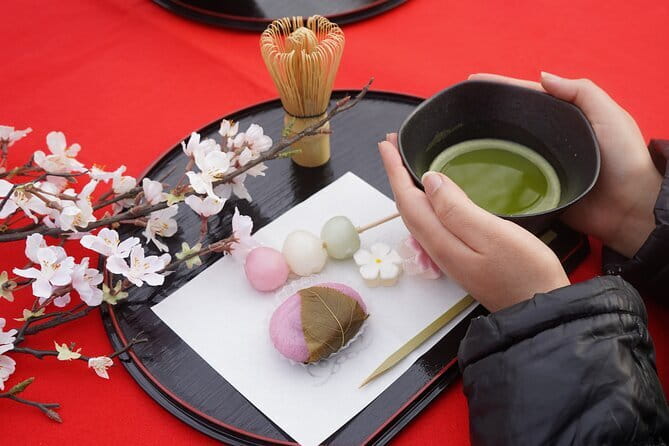
Matcha alone can be nice, but the sweet pairing is what often makes the experience feel complete. You’ll get seasonal Japanese wagashi sweets, and the experience includes snacks described as traditional and modern Japanese sweets.
Wagashi is a great way to learn the rhythm of tea culture without turning it into a lecture. The flavor shift and texture differences help you notice that matcha is not just “green tea,” it’s part of a designed tasting experience. During sakura season, the sweets also make the whole moment feel appropriately spring-themed.
The hospitality part is also worth paying attention to. The experience promises authentic Japanese hospitality and tea culture insights, led by the certified adviser. That likely means more than just trivia. You’ll get practical cultural context, such as how people approach tea as a social and thoughtful act, not just caffeine.
One amusing detail from feedback was the guide and participants discussing the mysterious lack of trash cans in public spaces. It’s a small moment, but it’s exactly the kind of real-world observation that makes a tour feel honest. It reminds you that learning isn’t only about tea, it’s also about how locals handle everyday life.



Photo time: making sakura and matcha memories without turning it into chaos
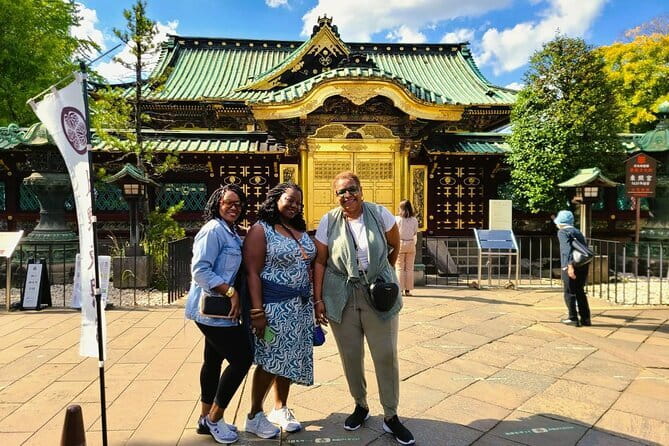
Cherry blossom season is photo-friendly by default, and Yoyogi Park is famous for that. This experience also flags optional photo sessions, which matters because you don’t want to waste your hour trying to coordinate group shots.
The best way to use the photo option is to treat it like a focused window. Get your key sakura photos while the group is together, then settle back into your picnic routine. That way, you don’t end up spending the best part of bloom season fiddling with camera settings.
Also, because it’s small group and beginner-friendly, you’re less likely to feel like you’re in a production line. You can enjoy the experience and still leave with images that capture the matcha-and-sakura theme.
If you’re traveling with someone, this is a nice “first day” activity too. It gives you a gentle start, a simple win early in your trip, and a memorable scene that isn’t just another temple gate photo.
Who this is best for (and who might skip it)
This matcha picnic is a strong fit for:
- First-time Japan visitors who want a gentle cultural intro.
- People who like experiences with a clear focus, matcha and sakura, and don’t want a long day tour.
- Couples or solo travelers who appreciate small groups and English guidance.
- Anyone who wants a spring activity that feels photogenic but still meaningful.
It may be less ideal if you want:
- A full day of sightseeing in Yoyogi Park, since the main experience is about one hour.
- A formal tea ceremony with strict steps. This is explicitly not that.
- Assured cherry blossoms. The timing depends on actual conditions, and the activity requires good weather.
One more practical factor: it’s max 6 travelers, so it can sell out around peak bloom dates. If you’re going in late March or early April, plan to book early.
Should you book this Tokyo cherry blossom matcha picnic?
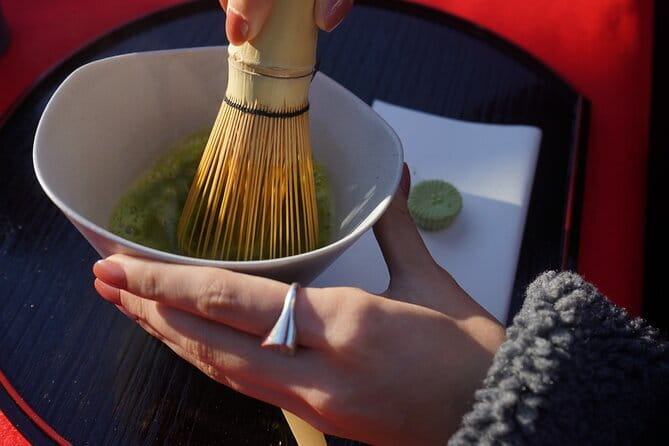
If you’re choosing between a standard “see sakura” plan and something with hands-on culture, I’d book this. You get matcha making, traditional tools, seasonal sweets, and a certified hospitality-led explanation, all in a single hour.
The value math is fairly straightforward. Yes, it’s $100.80 per person, but you’re paying for guided instruction, small group attention, and a very specific spring-only setting. You’re not just renting a view.
I’d especially recommend it if you want an easy first Tokyo day activity near Shibuya and Harajuku. It’s close to major stations, the vibe is relaxed, and the lack of dress code makes it stress-free.
Skip it or wait if your schedule is tight around bloom timing or you hate weather uncertainty. Since it depends on good weather and cherry blossom conditions, flexibility matters.
FAQ
When is this Tokyo cherry blossom matcha experience available?
It’s available only during cherry blossom season, starting around March 23 for about two weeks, depending on cherry blossom conditions.
How long does the experience take?
It lasts about 1 hour.
Where do I meet, and where does it end?
The meeting point is Harajuku Station (1 Chome-18 Jingumae, Shibuya, Tokyo 150-0001, Japan). The activity ends back at the meeting point.
Is it a formal tea ceremony, and do I need experience or special clothing?
No, it is not a formal tea ceremony. It’s relaxed and beginner-friendly, and there is no dress code and no prior experience needed.
What is included in the experience?
You’ll have several cups of matcha tea, snacks including traditional and modern Japanese sweets, and you’ll participate in matcha making with traditional tools. Seasonal Japanese sweets are included.
What happens if the weather is poor, or I need to cancel?
The experience requires good weather. If it’s canceled due to poor weather, you’ll be offered a different date or a full refund. You can cancel up to 24 hours in advance for a full refund.
More Tour Reviews in Tokyo
Not for you? Here's more nearby things to do in Tokyo we have reviewed












Shibuya Tours, side by side.
 ★ 5.0Official Street Go-Kart in ShibuyaFrom $763,435 reviews
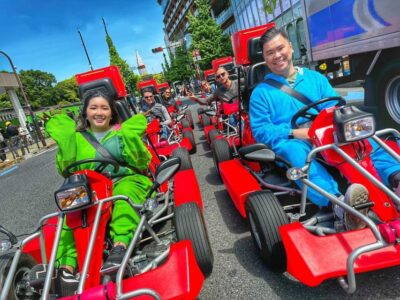 ★ 4.9Street Kart Experience in ShibuyaFrom $741,484 reviews
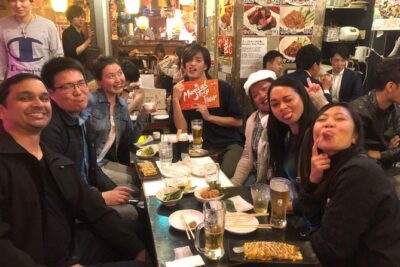 ★ 5.0Shibuya Meltdown Nightlife Tour: All-You-Can-Drink Bar HoppingFrom $1061,058 reviews
 ★ 5.0Shibuya Official Street Go-Kart in Shibuya AnnexFrom $69972 reviews
 ★ 5.0Shibuya Food Tour (13 dishes and 4 Eateries)From $77770 reviews
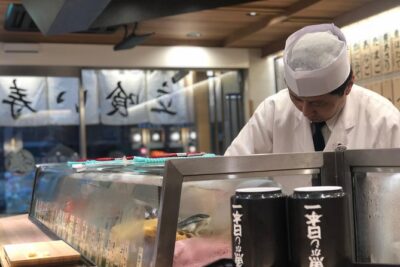 ★ 5.0Best of Shibuya Food TourFrom $217612 reviews
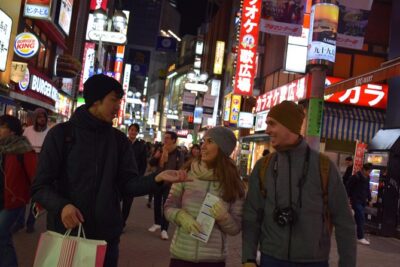 ★ 4.8Shibuya Highlights Walking TourFrom $19601 reviews
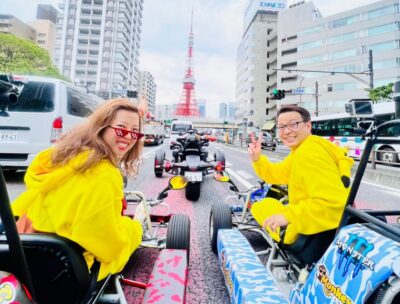 ★ 4.7Premium Go-Kart Tour with Tower & Shibuya CrossingFrom $116528 reviews
This tour also belongs to