
Review · SHIBUYA TOURS
Shibuya: Ramen Dojo Tokyo | Make All 3 (Tonkotsu/Shoyu/Miso)
Three ramen bowls in 90 minutes.
That sounds like a food daydream, but this hands-on class near Shibuya actually gets you making ramen from scratch, including fresh noodles and three distinct styles to taste. I love that it turns Japanese comfort food into a skill you can repeat, not just a meal you eat and forget.
Two things I really like. First, the class is capped at 8 people, so you get real face time with the instructor while you’re kneading dough, cutting noodles, and assembling bowls. Second, you get to compare tonkotsu, shoyu, and miso side by side in one session, which makes the differences click fast.
One consideration: it is not for everyone with dietary needs. If you have severe wheat (gluten), egg, or soy allergies, or celiac disease, this won’t be suitable, and it also isn’t designed for strict vegan or religious dietary compliance.
Key Highlights at a Glance
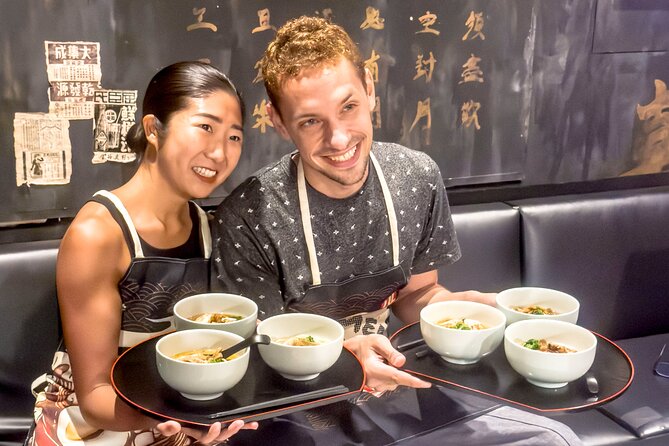
- Three ramen styles in one lesson: tonkotsu, shoyu, and miso, tasted side by side
- Hands-on noodle making using professional tools (you shape and cut the noodles)
- Small group size (max 8) with attentive English-speaking support
- Chicken chashu prep plus soup adjustments so the flavors match your taste
- Three mini bowls included, so you get to taste everything you make
- Digital recipe after class, so you can recreate your ramen at home
Why Make Tonkotsu, Shoyu, and Miso Here in Shibuya
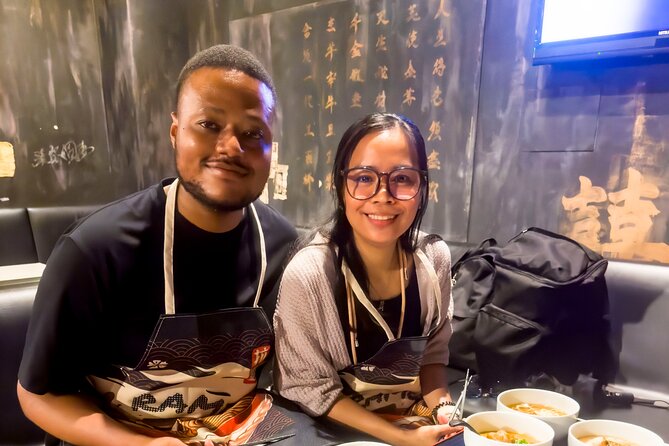
Tokyo has plenty of ramen stops. This class is different because it teaches you how ramen is built, from dough to bowl. You start with noodles from scratch, prep chicken chashu, and then you taste three styles prepared to match each flavor direction.
The biggest payoff for me is the comparison. When you eat one ramen type alone, you taste a good bowl and move on. When you taste three styles in one sitting, you start to notice how broth character and seasoning direction change the whole experience. That helps you order smarter in the future too.
Also, the timing works well for most days. Ninety minutes means you can fit it into a busy Shibuya itinerary without your whole afternoon turning into a wash of hunger and logistics.
You can also read our reviews of more tours and experiences in Tokyo.



Finding the Studio Near Shibuya Station (And Staying on Schedule)
The class meets at Umekita Building, 7-11 Maruyamachō, Shibuya, Tokyo. It is about a 10-minute walk from Shibuya Station, and it’s near public transportation, so you’re not stuck with a long transfer or a complicated route.
Check-in is part of the plan. You’ll do a quick briefing first, then you move right into prep. The lesson runs about 90 minutes and ends back at the same meeting point, so it’s easy to roll into Shibuya food scouting afterward.
Practical tip: wear something you can move in. Even though it’s not a “gym” experience, you’ll be working at a station for noodle prep and assembly, and you’ll want to focus, not adjust sleeves all the time.
Starting Off: Chashu Prep Before the Noodles Take Over
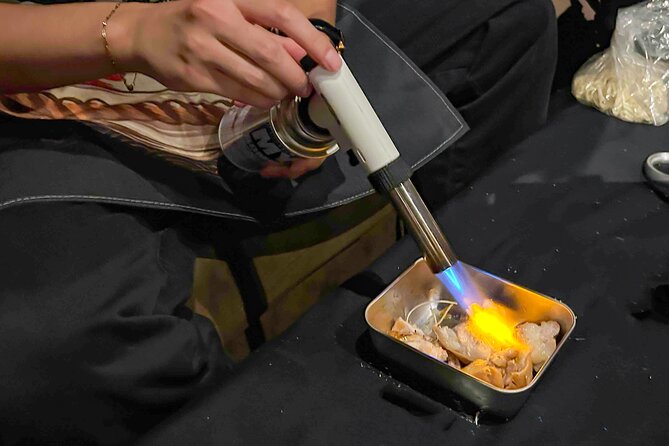
You’ll begin with chicken chashu prep, then jump into the main noodle-making work. This order makes sense. Chashu takes focus, but noodle making is where most beginners get nervous, because your hands have to learn a rhythm quickly.
In the class flow, chashu prep is short at the start, then you finish chashu later. That keeps the momentum going and prevents that awkward moment where you’re waiting around with flour on your hands and no idea what comes next.
If you’re a beginner, the setup is reassuring. The class is described as beginner-friendly, and it is conducted in English. I like that because cooking lessons can get tense when instructions are unclear. Here, the support is part of the design.
The Main Event: Fresh Noodles Using Professional Tools
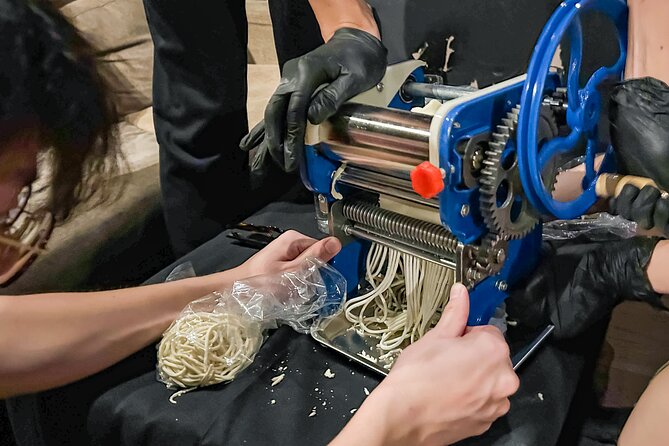
This is the core of the experience. You knead dough, then use professional tools to cut noodles and shape them. The goal is not just to learn a “cute hobby step.” You’re learning the mechanics that affect the final bowl: thickness, consistency, and how noodles behave when boiled.
Here’s what the lesson timing suggests you’ll actually do:
- Check-in and briefing to get oriented
- Noodle making, about 20 minutes, where you work through kneading and cutting
- Boiling noodles and soup prep later, about 10 minutes
- Then plating and tasting once everything is ready
That structure matters because you’re not only making noodles. You’re also seeing what happens when you cook them. Many cooking classes teach steps. This one connects steps to results, which helps you avoid learning a recipe that only works in your imagination.
Practical tip: if you’re nervous about dough, relax your grip. Dough benefits from steady pressure, not force. If you’ve ever punched play dough too hard as a kid, you know the feeling. Gentle consistency wins.
Chicken Chashu Finishing and Soup Prep, With Flavor Control
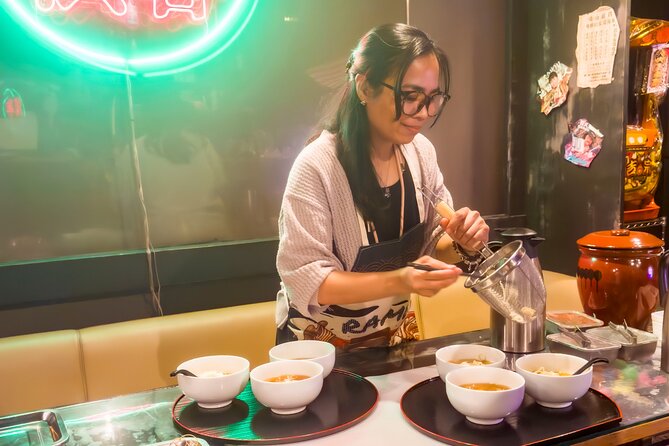
After you’ve tackled noodles, the class shifts back to building the bowl. Chicken chashu gets finished, then you move into boiling noodles and soup preparation. You’ll plate three mini bowls, then adjust flavors to your preference.
The “adjust to your taste” part is more valuable than it sounds. Ramen broth is salty, rich, and intense, and at home you might be tempted to follow a recipe blindly. Here, you get to practice taste-based adjustment while you’re still in the learning window, not weeks later when you’ve forgotten the cues.
One more useful detail: you’re not just assembling a single ramen bowl and calling it a day. You’re preparing the components and then tuning the flavor direction across tonkotsu, shoyu, and miso. That’s where the learning sticks.



Tasting Three Styles Side by Side: Tonkotsu, Shoyu, Miso
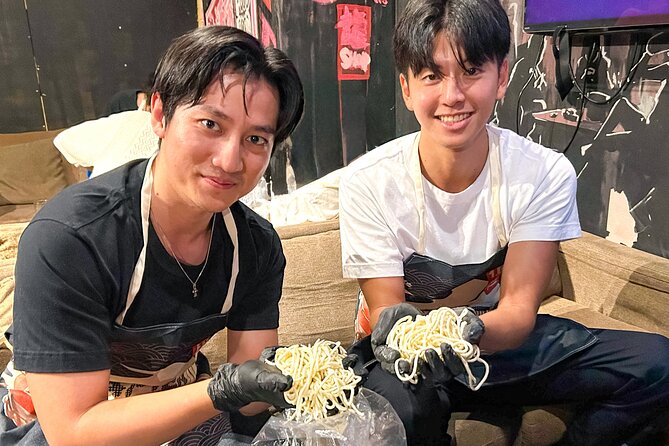
The highlight is tasting three styles in one session. You’ll make and eat mini bowls for each: tonkotsu, shoyu, and miso.
You’ll likely notice these typical differences as you taste:
- Tonkotsu tends to be creamy and pork-forward, with a richer mouthfeel
- Shoyu generally leans soy sauce savory, often a bit cleaner and brighter
- Miso often adds deeper fermentation flavor and a warmer, fuller taste
Even if you can’t name those traits yet, side-by-side tasting helps your brain sort the flavors quickly. It’s like studying with flashcards, except your flashcards get served in bowls.
Photo time is built in. You’ll have time during tasting for photos, which is nice if you want to capture the ramen trio. Just remember, ramen cools faster than you think, so don’t let your camera run the show.
What Exactly Happens During the 90 Minutes
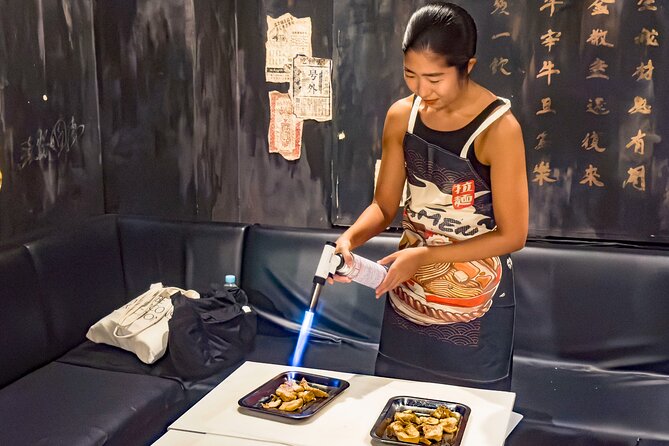
This is the lesson rhythm, and it’s helpful for planning your day around it:
- Check-in and briefing, about 10 minutes
- Chicken chashu prep, about 5 minutes
- Noodle making, about 20 minutes
- Chicken chashu finishing, about 10 minutes
- Boiling noodles and soup preparation, about 10 minutes
- Plating, about 5 minutes
- Tasting and photo time, about 30 minutes
Total: about 90 minutes.
Why that matters for value: you’re not waiting in a line while someone else cooks. The class is paced so you’re actively doing key tasks, then you eat what you made. The tasting segment also means the lesson ends with a payoff, not a “good luck at home” shrug.
The Instructor Support and Small-Group Advantage
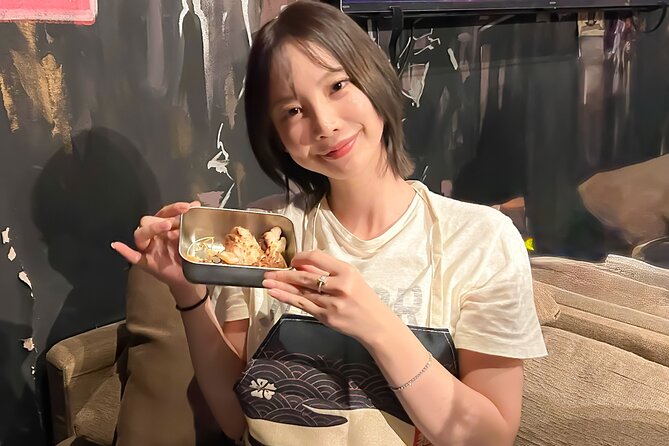
This is a small-group lesson with a maximum of 8 people. That changes the experience from “watch and mimic” to “learn and correct.”
The class is in English with attentive support. If you’ve done cooking activities in Japan before, you know that even when people are kind, kitchen flow can be hard without clear instruction. Here, the English-speaking support is explicitly part of the setup.
A lot of people also care about whether the instructor can handle questions while you’re mid-dough. The small group size is your answer. You’re more likely to get a prompt fix when something is off, whether it’s how you’re kneading or how you’re assembling toppings.
Equipment, Apron, Ingredients, and the Digital Recipe You Keep
Everything is provided. You’ll use kitchen equipment, and you’ll get an apron loan. Ingredients are included, which matters because ramen ingredients can add up if you try to shop for them all at home in one day.
You also get a digital recipe provided after the class. I recommend you treat that recipe like a starting map, not a rigid script. Taste is part of ramen. Use the recipe to recreate the method, then adjust saltiness and richness based on your own preferences.
If you like to cook, this is the difference between paying for a meal versus paying for a skill. You’re leaving with a way to make your own ramen trio, not just a full stomach.
Price and Value: Is $86.22 Worth It?
At $86.22 per person, this is not a “grab a quick snack” activity. You’re paying for:
- Professional noodle-making tools
- Ingredient prep and in-studio cooking guidance
- A capped small-group format with instructor support
- Three ramen tastings, not one
- A digital recipe for future cooking
For comparison, a fancy ramen meal in Tokyo can be surprisingly pricey, and it still doesn’t teach you how to recreate the broth direction or noodle texture. Here, you’re basically buying a workshop where the output is both edible and instructional.
The other part of value is time. Ninety minutes is efficient. You get multiple learning moments in one session, noodle work, chashu work, soup assembly, then tasting.
So who gets the best deal? People who enjoy cooking, want to understand ramen beyond ordering, or are traveling with a flexible schedule and want a hands-on cultural activity.
Where This Class Fits Best in Your Tokyo Day
This class ends back at the meeting point, and it’s near Shibuya. That makes it a great “bridge” activity between shopping, wandering, and ramen-hunting.
I’d schedule it when you can still walk afterward. Ninety minutes of cooking plus tasting means you will eat, and you may not want a heavy dinner immediately after.
If you’re doing other Shibuya activities, plan for a calm finish. This is active, but not exhausting. It’s best when your energy is good.
Who Should Book This Ramen Dojo Lesson
This class is well suited for:
- Beginners who want structured guidance and English support
- Food lovers who like to learn the method, not just eat
- People who enjoy comparing flavors side by side
- Anyone who wants to bring Japanese cooking skills back home
One more practical note: it is not suitable for severe gluten, egg, or soy allergies, or celiac disease. It’s also not for severe airborne flour sensitivity, and it isn’t set up for people unable to use stairs.
If your dietary needs are complex or your mobility has limits, check carefully before booking. Cooking classes can be wonderfully welcoming, but they have constraints.
Should You Book Ramen Dojo Tokyo Make All 3?
If you want to do more than eat ramen, yes, I think this is a strong choice. The biggest reason is the format: you make noodles, you prep chashu, you assemble ramen into three style directions, and you taste them side by side. That combination turns a class into something you can actually remember and repeat.
Book it if you:
- Want hands-on noodle making with professional tools
- Like small-group instruction and clear English support
- Care about learning tonkotsu, shoyu, and miso differences in one go
Skip it if:
- Your dietary restrictions are severe and don’t match the class limitations
- You’re only interested in broth science and deep broth technique, because this is still a hands-on ramen workshop with a practical scope
If you’re on the fence, treat it like a cooking skill investment, not a casual meal. You’ll leave with food in your belly and a method you can use later.
FAQ
How long is the ramen-making class?
It lasts about 1 hour 30 minutes.
Where is the meeting point?
The class meets at Umekita Building, 7-11 Maruyamachō, Shibuya, Tokyo 150-0044, Japan.
Is the class near public transportation?
Yes, it is near public transportation and about a 10-minute walk from Shibuya Station.
What ramen types will I learn and taste?
You’ll make and taste three mini bowls: tonkotsu, shoyu, and miso.
Do I make the noodles myself?
Yes. You’ll knead the dough and use professional tools to cut and prepare fresh noodles.
Is the class offered in English?
Yes, the class is conducted in English with attentive support.
How large is the group?
The experience has a maximum of 8 travelers.
What is included in the price?
All ingredients and use of kitchen equipment are included, plus an apron loan, English-speaking instructor support, and tasting of three mini bowls. A digital recipe is provided after the class.
What should I bring or wear?
You do not need to bring ingredients or special equipment. Wear comfortable clothing you can move in, and plan to use the provided apron.
Is it refundable if I cancel?
Free cancellation is available up to 24 hours in advance for a full refund. Cancellation within 24 hours is not refunded.
More Tour Reviews in Tokyo
Not for you? Here's more nearby things to do in Tokyo we have reviewed












Shibuya Tours, side by side.
 ★ 5.0Official Street Go-Kart in ShibuyaFrom $763,435 reviews
 ★ 4.9Street Kart Experience in ShibuyaFrom $741,484 reviews
 ★ 5.0Shibuya Meltdown Nightlife Tour: All-You-Can-Drink Bar HoppingFrom $1061,058 reviews
 ★ 5.0Shibuya Official Street Go-Kart in Shibuya AnnexFrom $69972 reviews
 ★ 5.0Shibuya Food Tour (13 dishes and 4 Eateries)From $77770 reviews
 ★ 5.0Best of Shibuya Food TourFrom $217612 reviews
 ★ 4.8Shibuya Highlights Walking TourFrom $19601 reviews
 ★ 4.7Premium Go-Kart Tour with Tower & Shibuya CrossingFrom $116528 reviews
This tour also belongs to