
Review · SHIBUYA TOURS
Ride Through The Streets Of Shibuya and Sinjuku By Go Kart
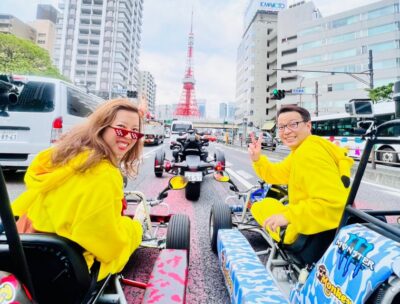
Tokyo on a go-kart is different. This road-legal ride through Shibuya and Sinjuku is built for seeing a lot fast, with a guide who keeps you moving and makes photo stops easy. I also like that you’re in a single-person kart, so your experience feels focused, not like you’re waiting around.
One thing to weigh before you book is the admin. To drive, you must have an eligible IDP for Japan (under the 1949 convention, in booklet format), and the rules vary by passport country, with no refunds if documents are wrong.
Quick Takeaways
- Road-legal karts on public streets mean this is more than a theme-park loop.
- One hour works well when you want big Tokyo energy without a full day out.
- Guide-led photo stops plus airdropped pictures after the ride adds real value.
- Night driving can be special, and the 6 pm onwards slot is a smart pick if you can.
- Good weather matters, since the experience depends on it.
Go-Kart Meets Real Tokyo Streets: The Point of This Tour
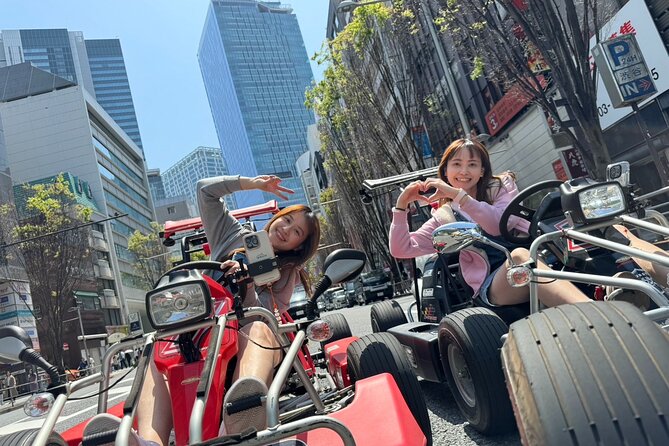
This is the kind of activity that changes your perspective quickly. On foot, Tokyo is a maze of train lines, crossings, and sidewalks. In a go-kart, you get to glide past the same energy at street level, guided so you don’t waste time figuring out what’s next.
The big concept here is that you can go where cars can’t. That phrasing matters because it suggests your route is designed to feel playful and city-close, not like you’re stuck in an overly controlled track. Instead, you’re riding through the actual neighborhoods, seeing the architecture and street bustle as part of the experience, not as something you just read about.
You should also know what this tour is not. It is not a deep-history tour or a slow museum day. It’s a guided, high-speed city sampler, best for getting your bearings and collecting photos in a short window.
You can also read our reviews of more tours and experiences in Tokyo.



Safety Briefing First, Then Your Single-Person Kart
The flow is straightforward. You start with a safety briefing, then you get into your single-person kart and head out behind your local guide. The operator is explicit that these are go-kart vehicles designed for driving on public roads in Japan, which is a key detail for anyone who cares about legality and not just thrills.
You also get the comfort of having a guide present. That matters in Tokyo, because even if you’re directionally smart, riding in traffic conditions is a different skill set than walking. Here, your guide is there to help you stay oriented and keep things fun and safe.
There are also clear rules around participation. Alcohol is not allowed, and the experience is for people who can follow instructions. And because it’s weather dependent, you’re going to want to check the forecast, since the activity requires good weather.
IDP and License Rules: The Most Important Gatekeeping
If you’re the type who hates paperwork, this is your moment to slow down and get it right. To drive in Japan, you need an International Driving Permit (IDP) under the 1949 convention, and the format matters. The IDP must be in booklet format. Digital IDP, card type IDPs, screenshots, or photo copies are not accepted.
The eligibility also depends on your passport country. The operator lists some countries whose residents are not allowed to drive in Japan, including China, Mexico, Indonesia, Pakistan, Saudi Arabia, Kuwait, and Qatar. That’s not a minor detail. It can mean you either drive or you do not.
If your passport country falls into the special list, you must bring more. For example, countries such as Switzerland, Germany, France, Taiwan, Belgium, Estonia, or Monaco must be accompanied with your original driving license plus an official Japanese translation from an authorized organization, and your passport. All three documents are required to drive.
The provider also warns that it’s your responsibility to provide a license that is valid for Japan, and that refunds are not issued if you show up with incorrect or invalid documents. Before you go, I’d treat this like a checklist task: verify IDP format, verify eligibility based on your passport, then bring the documents together in one spot.
Shibuya and Sinjuku by Go-Kart: What You’ll See Along the Way
This tour is designed around street-level sightseeing. You’ll ride through Shibuya and the surrounding Tokyo energy that leads into Sinjuku, and your guide provides the context along the route. The information you get is meant to make the sights click, not just pass by quietly.
The ride includes photo stops. You should plan to take breaks when the guide pauses, because those are the moments you’ll want for sharp photos rather than shooting while you’re moving. One useful detail from the experience is that your guide takes several pictures and then shares them at the end, with participants reporting that the photos are air-dropped.
What about the vibe? The tour highlights incredible architecture and bustling streets, and that’s exactly why go-karts work here. You’re not just traveling from point A to point B. You’re floating along at street pace where buildings, signs, and neighborhood detail feel immediate.
A practical caution: the location can take a little effort to find. One participant specifically said the meeting point was challenging to locate and recommended better signage. So I’d build in extra time to get there cleanly, not rushing while you’re trying to find the right spot.
The One-Hour Schedule: How to Get Maximum Tokyo in Minimum Time
The duration is about 1 hour, approximate. That length is the sweet spot for people who want a fun activity without sacrificing an entire half day to logistics. You get a safety briefing, then riding time, plus photo moments, and you wrap back up at the starting area.
This format is also a good match for first-time visitors. When it’s your first trip, Tokyo can feel like you’re spending your days learning how the city works. A short guided ride helps you see where the neighborhoods sit and how the streets flow, so you can plan the rest of your itinerary with more confidence.
Still, keep expectations realistic. One hour cannot replace a walking tour if you want detailed stories about temples or a museum. Think of this as an action-oriented way to get your bearings and capture an iconic Tokyo memory quickly.
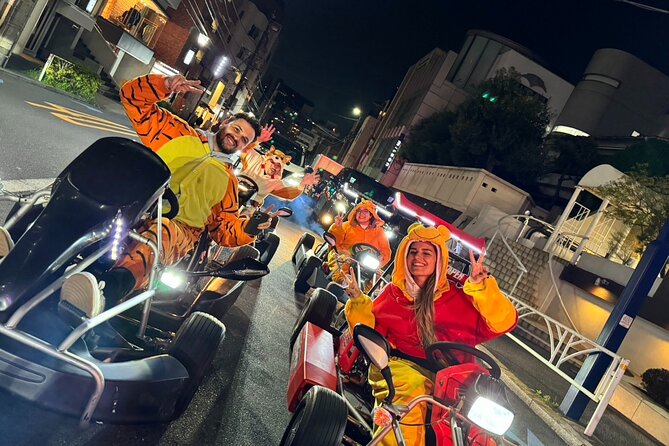
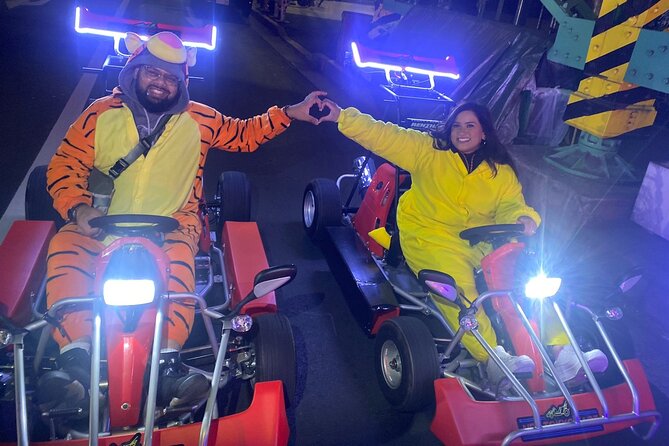
If you’re deciding between time slots, here’s the tip that stands out. A participant strongly recommended booking the 6 pm onwards time slot because night driving was amazing. If your schedule allows, a night ride can add a different mood to the same neighborhoods, and it can be a great way to balance Tokyo’s daytime sightseeing with something louder and more playful.



Meeting Point Near Nishishinjuku: Make Your Start Easy
The meeting point is at 4-chōme-18-2 Nishishinjuku, Shinjuku City, Tokyo 160-0023, Japan, and the tour ends back at the meeting point. It’s also described as near public transportation, which helps because you can plan your arrival around train access rather than relying on taxis.
You’ll receive a mobile ticket, so have it ready on your phone before you arrive. Since the start location can be a bit tricky to find, I’d also suggest arriving early enough to handle last-minute navigation, get checked in, and take a quick look around before the briefing starts.
If you’re the type who likes to avoid stress, this is where you win by not cutting it close. A go-kart activity rewards calm. When you’re late, you’re the one who ends up rushing, and rushing is exactly when you miss small instructions.
Price and Value: Is $99.10 a Fair Deal in Tokyo?
At $99.10 per person, the price may look steep at first glance, but this tour packs in several things that are expensive when you add them separately: a guided street route, road-legal driving equipment, time-saving sightseeing, and structured photo moments.
The guide component is a big part of the value. Tokyo streets can be intense for anyone new to the area, and having someone lead you reduces the mental load. It also gives you better photos, since you can pause when the guide says to and not guess where to stop.
Add in the reported photo sharing at the end. If your guide takes pictures and shares them by air-drop, that’s a small but real perk. It’s not the kind of thing you’d necessarily get with a DIY walking day.
Finally, this is a one-hour experience. For many people, that’s part of the fairness. You’re paying for a contained chunk of time that delivers a memorable, distinct Tokyo moment, without forcing you into an all-day commitment.
Who This Tour Is Perfect For, and Who Should Skip It
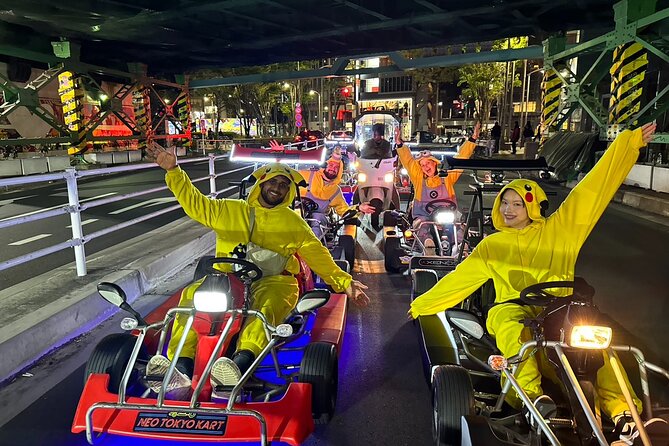
This go-kart ride fits best if you want action plus city sightseeing in a tight window. If you’re first-time in Tokyo and you’re trying to make your early days count, this is exactly the style of activity that helps you stop feeling like you’re just passing through.
It’s also a good fit if you like being outdoors, moving at speed, and capturing photos. The combination of photo stops, a guide to handle the route flow, and the ability to experience neighborhoods from the road makes it feel more “Tokyo” than a generic ride.
Skip it if you don’t meet the driving requirements. The IDP and license rules are strict, and the provider is clear that residents from certain countries are not allowed to drive in Japan. If you’re not sure your documents qualify, sort that out before you book.
Also skip if your schedule depends on perfect weather no matter what. Good weather is required, and while the provider offers an alternate date or a full refund if it’s canceled due to poor weather, it still means you should keep a little flexibility.
Should You Book This Shibuya and Sinjuku Go-Kart Ride?
If you can drive legally in Japan and you’re looking for a short, high-energy way to see major Tokyo districts, I think this is an easy yes. The route concept, the guide support, and the photo-focused pacing are built for visitors who want maximum sightseeing impact per hour.
Choose it especially if you like night experiences and can grab the 6 pm onwards slot. And if you’re the kind of traveler who likes a plan but hates complicated logistics, the guided structure plus the mobile ticket setup helps keep things simple.
Just be disciplined about the IDP details and make sure your documents match the rules for your passport country. Do that, and this becomes one of those Tokyo activities that feels both fun and practical.
FAQ
How long is the go-kart tour?
The tour lasts about 1 hour (approx.).
Where does the tour start and where does it end?
The tour starts at 4-chōme-18-2 Nishishinjuku, Shinjuku City, Tokyo 160-0023, Japan, and it ends back at the same meeting point.
What’s the price per person?
The price is $99.10 per person.
Do I need a mobile ticket?
Yes, the experience includes a mobile ticket.
Can I drive the go-kart without an international driving permit?
You need to confirm your country’s driving license or IDP is eligible for Japan. An International Driving Permit is required for eligible driving, following the Japan rules stated by the operator.
What type of IDP is accepted for driving in Japan?
The IDP must be under the 1949 convention and in booklet format. Digital IDP, card type, pictures, and copies are not accepted.
Are all passport countries allowed to drive in Japan?
No. The operator lists certain countries whose residents are not allowed to drive in Japan, including China, Mexico, Indonesia, Pakistan, Saudi Arabia, Kuwait, and Qatar.
What if I have the wrong or invalid documents?
The operator states that they cannot issue refunds if participants provide incorrect or invalid documents on the activity day.
Is alcohol allowed during the experience?
No. Participants are not allowed to participate if they are under the influence of alcohol.
What happens if the tour is canceled due to weather?
This experience requires good weather. If it’s canceled due to poor weather, you’ll be offered a different date or a full refund.
Is free cancellation available?
Yes. You can cancel up to 24 hours in advance for a full refund.
More Tour Reviews in Tokyo
Not for you? Here's more nearby things to do in Tokyo we have reviewed












Shibuya Tours, side by side.
 ★ 5.0Official Street Go-Kart in ShibuyaFrom $763,435 reviews
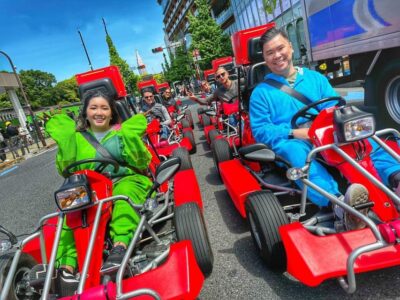 ★ 4.9Street Kart Experience in ShibuyaFrom $741,484 reviews
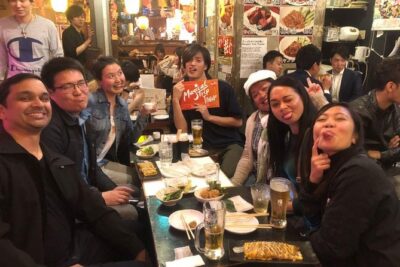 ★ 5.0Shibuya Meltdown Nightlife Tour: All-You-Can-Drink Bar HoppingFrom $1061,058 reviews
 ★ 5.0Shibuya Official Street Go-Kart in Shibuya AnnexFrom $69972 reviews
 ★ 5.0Shibuya Food Tour (13 dishes and 4 Eateries)From $77770 reviews
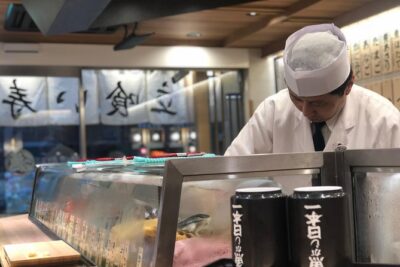 ★ 5.0Best of Shibuya Food TourFrom $217612 reviews
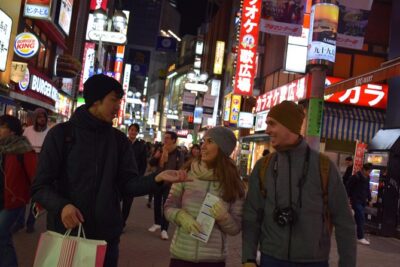 ★ 4.8Shibuya Highlights Walking TourFrom $19601 reviews
 ★ 4.7Premium Go-Kart Tour with Tower & Shibuya CrossingFrom $116528 reviews
This tour also belongs to