
Review · TOKYO CITY TOURS
Tokyo: Taste the downtown atmosphere and enjoy Japanese culture
That crackle of ritual fire is not what you expect in Tokyo. This 3-hour small-group outing pairs temple shrine visits with a Buddhist goma blessing ceremony, then ends with dinner so you do not hunt for food afterward.
I especially like the human scale here, with a maximum of 4 travelers and a guide who helps you understand what to do and why. Another strong point is the food payoff, a soba meal included after the spiritual stops, with a quick chance to try local sweets and sake along the way.
One thing to watch: the goma session includes a loud sound for about 30 minutes, so if you get spooked by noise or have heart concerns, this may not be for you. Also, the dinner is buckwheat, so skip it if you are allergic.
Key highlights you should care about
- Small group (max 4): more time for questions and slower pacing at each stop
- Goma fire ritual with explanation: you learn what priests burn and what the prayers mean
- Wish cards included: you can take part without figuring it out from scratch
- Soba dinner included: no guessing where to eat after temples
- Tomioka Hachiman Shrine stop: a classic prayer hall experience in a lived-in neighborhood
Why this 3:30 pm Tokyo tour feels like a local rhythm
Tokyo has plenty of temple tours. What makes this one different is the timing and flow. Starting around 3:30 pm means you get the downtown feel as the day cools down, with enough daylight to move comfortably between stops before evening. You are not rushing through five places just to check boxes.
This tour also respects your attention span. It is designed as a small-group walk with a guide who talks through customs, so you know what to look for and what to do at prayer spaces. That is the difference between taking photos and actually understanding the moment.
Lastly, I like that the day ends with a sit-down meal. If you have ever left a temple feeling hungry and confused, you know the problem this solves.
You can also read our reviews of more tours and experiences in Tokyo.



Meeting at Tokyu Stay Monzen Nakacho and why the group size matters
You meet at Tokyu Stay Monzen Nakacho, in Tomioka (Koto City), then the tour ends near Monzen-nakacho Station. That matters because you can plan your evening without a complicated commute back across the city.
The group cap is 4 travelers, which is a big deal in Tokyo. With a tiny group, you are less likely to feel swept along. It also helps the guide tailor explanations, especially during the goma ritual, where timing and etiquette matter.
You will also use a mobile ticket, which is practical if you travel light and want less paperwork.
Stop 1: Tomioka Hachiman Shrine and your first hands-on prayer moment
Your first stop is Tomioka Hachiman Shrine, with about 20 minutes here. The big idea is simple: you see the shrine, you learn how people pray, and you get a chance to offer prayers at the main hall.
Even if you have been to shrines before, the value here is the guidance. A guide helps translate and explain local customs, so you can follow along instead of guessing. That means you can spend your attention on the atmosphere and details you would otherwise miss, like the flow of people entering, pausing, and praying.
Practical tip: keep your phone away for this first stop. Let the guide walk you through the basics, then you will know what is worth photographing.
Stop 2: A short Tomioka stop for sweets and sake
Next you head to 1-chōme-8-12 Tomioka, a traditional store stop that includes a sweets shop and a store specializing in sake. This is only about 10 minutes, so do not expect a full food crawl. Instead, think of it as a taste of local everyday culture in the same neighborhood as the temples.
This brief stop is smart. It breaks up the more solemn ritual time with something lighter, while staying connected to the same downtown area. It also gives you a sense of how these historic sites exist alongside normal shopping streets.
If you are sensitive to money budgeting, treat this as an opportunity to look and maybe taste, not to overbuy. You can decide on the spot depending on what smells and looks good.
Stop 3: Fukagawa Fudo-do goma ritual, what to expect and how to prepare
The heart of the tour is Fukagawa Fudo-do, where you spend about 1 hour 40 minutes and participate in a goma fire ritual. Here is what you can expect, in plain terms.
Priests burn wooden sticks with written prayers. The ritual is meant to purify and remove negative energies. Your guide explains what is happening and how the ceremony works, so you are not standing there wondering what the burning is supposed to do or how you should behave.
The pacing is long enough for you to feel present, not just pass through. You are guided through the experience with translation and context, which helps a lot during ceremonies where actions matter.



The noise factor, and who should think twice
There is one caution that you should treat seriously: the goma experience includes a loud sound that lasts about 30 minutes. The instructions also note that you should refrain if you have a weak heart or you do not like loud noises.
If you are unsure, ask yourself this: will you be able to stay calm and focused while sound builds during the ceremony? If not, consider skipping this tour or focusing on quieter shrine experiences instead.
When the wish cards fit in
Your tour also includes payment for wish cards. In practice, that means you are not left to figure out how to participate on your own. If you like cultural rituals but you hate being confused by small steps, this is a relief.
Stop 4: Ending at 中村屋門前そば for a soba dinner that actually finishes your evening
After the spiritual stops, you head to 中村屋門前そば for dinner, around 50 minutes. The tour is built to prevent the post-temple food scramble. Instead of walking around hungry, you sit down and eat buckwheat noodles while the day’s meaning settles in.
The meal is included in the price, and the tour specifically flags that soba is part of the experience. That matters because soba is not just “food,” it is part of the regional and cultural identity you can sample right here.
Two practical notes:
- If you are allergic to buckwheat, do not take this tour.
- If you normally take smaller portions, plan for a solid meal rather than a snack. The tour gives you enough time to eat comfortably.
Price and value: is $92.99 worth it for 3 hours?
At $92.99 per person, this is not a bargain-basement group tour. But it also is not overpriced when you look at what is included.
You get:
- A tour guide
- Participation support for rituals, including wish cards
- A goma fire ceremony experience with explanation
- A full soba dinner
In Tokyo, paying separately for a guided explanation plus a meal often costs more than you expect. Here, dinner is not an afterthought, it is part of the design. You also avoid the hassle cost of trying to coordinate a late temple exit and then figuring out where to eat near Monzen-nakacho.
So the value depends on your travel style. If you want structured cultural context and you like rituals explained in real time, the price makes sense. If you mainly want free wandering and photos only, you may find a self-guided route cheaper.
The most praised parts you can count on in the real world
The tour’s strongest moments are the ones that match what people care about most: respectful explanations, a guide who watches the details, and a ritual that feels powerful without requiring you to already know the culture.
One guide name that comes up is Haruka, described as kind and attentive. Even if your guide is different, the format is the same: you are not left alone in the quiet parts, and you get translation help where it counts.
The goma fire ritual is also consistently highlighted as a standout experience, described as powerful and meaningful. That is exactly why this tour works for many first-time visitors. You see an actual practice, not just a viewpoint.
Finally, the group size adds comfort. When the day includes loud sound, fire, and prayer etiquette, a small group helps the guide manage pacing so you can participate without feeling rushed.
Logistics that affect your comfort (and how to plan around them)
This tour runs about 3 hours total. With the longer goma stop, you should arrive ready to stay present for the full ceremony period.
Also, the route is centered around Monzen-nakacho and nearby areas, which keeps transit simple. It is “near public transportation,” so you should have an easy time getting there.
Bring your normal temple-smart basics:
- Wear comfortable shoes for walking between stops.
- Keep a layer handy. Late afternoon can feel cooler than you expect.
- For the goma portion, be mentally prepared for sound intensity.
And if you know you have buckwheat issues, double-check before booking, since the dinner is soba and the tour flags buckwheat allergies.
Who this tour suits best, and who should skip it
This is ideal if you want downtown Tokyo culture without turning it into a theme park day.
You will likely love it if:
- You enjoy shrines and temples but want guidance on what you are seeing.
- You want to participate in a ritual, not just watch from the outside.
- You prefer a small group with time for questions.
- You like having dinner planned, not improvised.
You might want to skip it if:
- Loud sound for about 30 minutes is a problem for you, or you have health concerns mentioned for the goma session.
- You cannot eat buckwheat.
FAQ
How long is the Tokyo culture and soba tour?
It lasts about 3 hours.
What time does the tour start?
The start time is 3:30 pm.
How many people are in the group?
It has a maximum of 4 travelers.
Where do I meet the guide?
You meet at Tokyu Stay Monzen Nakacho, 1-chome-23-2 Tomioka, Koto City, Tokyo.
Where does the tour end?
It ends at Monzen-nakacho Station, 2 Chome-4 Monzennakacho, Koto City, Tokyo.
Is the soba dinner included?
Yes. The cost of the soba dinner is included.
Are there any food allergies I should consider?
Yes. The tour asks you to refrain from eating if you are allergic to buckwheat.
What is the goma ritual and is it loud?
The tour includes a goma fire ritual. Loud sound lasts about 30 minutes, so you should refrain if you have a weak heart or do not like loud noises.
Is there a guide?
Yes. A tour guide is included.
What is the cancellation policy?
Free cancellation is available up to 24 hours in advance for a full refund.
Should you book this Tokyo temples and goma with soba dinner tour?
If you want a focused, small-group Tokyo experience that mixes shrine context, a hands-on goma ceremony, and an included soba dinner, this is a strong pick. The biggest selling points are the small group, the guided participation (including wish cards), and the fact that dinner is handled for you.
Book it if you are comfortable with loud noise for part of the goma session and you can eat buckwheat. Skip it if noise or health concerns make the ceremony uncomfortable, or if buckwheat is an issue.
If you like your Tokyo days part spiritual and part practical, this one fits the bill.
More Tour Reviews in Tokyo
Not for you? Here's more nearby things to do in Tokyo we have reviewed












Tokyo City Tours, side by side.
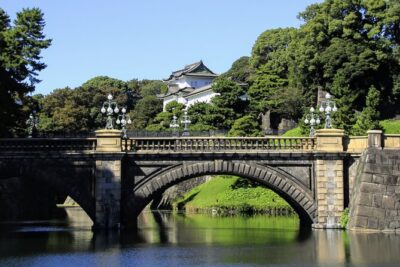 ★ 5.01-Day Tokyo Bus TourFrom $12914,250 reviews
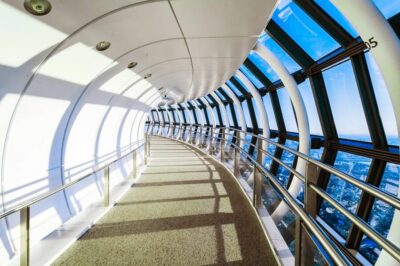 ★ 4.5TOKYO SKYTREE® Admission ticketFrom $1311,192 reviews
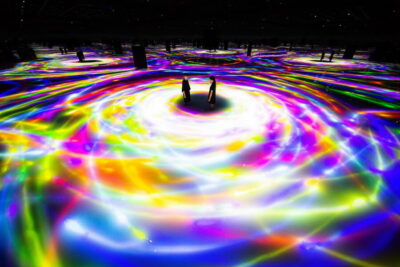 ★ 4.6teamLab Planets TOKYO Digital Art Museum Entry TicketFrom $259,779 reviews
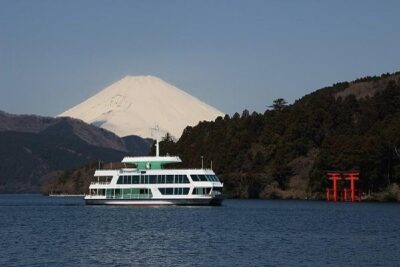 ★ 4.0Mt Fuji & Hakone Cruise, Drum Show Bullet Train 1 Day from TokyoFrom $1497,413 reviews
 ★ 5.0Shinjuku Food Tour (13 Dishes at 4 Local Eateries)From $866,603 reviews
 ★ 4.4Tokyo Mt Fuji 5th St & Hakone Cruise Bus Tour w/Bullet TrainFrom $1545,024 reviews
 ★ 5.0Flagship 2-Hours Official Street Go-Kart Tour – Tokyo Bay ShopFrom $644,974 reviews
 ★ 4.5From Tokyo: Mount Fuji Full-Day Sightseeing TripFrom $684,970 reviews