
Review · SHINJUKU TOURS
Sushi Making Experience in Shinjuku【Temaki】
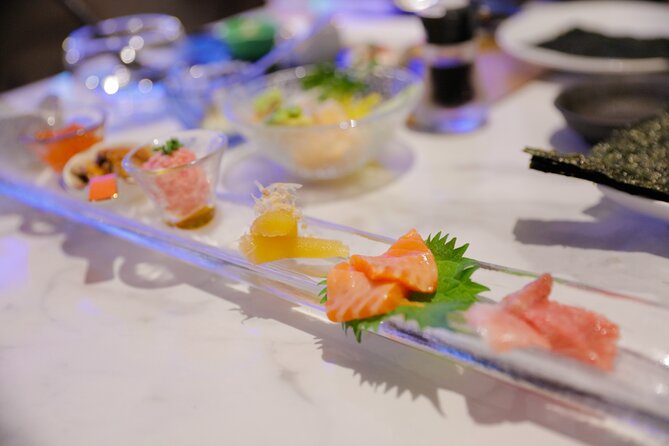
Tokyo sushi class, but make it yours. In Shinjuku, you roll temaki sushi step by step at FLOWER WALL MONE, a cafe and bar surrounded by flowers. You’ll also learn Japan comfort-food basics like dashi-maki tamago, and even try a smoking-style twist.
I especially liked the hands-on pacing. The staff run a clear demonstration at your table, then you assemble your own rolls with toppings you choose, like tuna, salmon, cucumber, and avocado. I also loved the small-group feel, up to 8 people, plus the way staff support can be strong even when English is limited (Nina and Kai came up in the feedback, and a translator helped keep things smooth).
One thing to keep in mind is that after the initial demo, it can feel more DIY than a constant-by-the-chef class. If you want one-on-one coaching the whole time, you might want to confirm you’ll be able to reach the team during the making portion.
Temaki in Flower Wall Mone, Shinjuku, where the setting does half the work
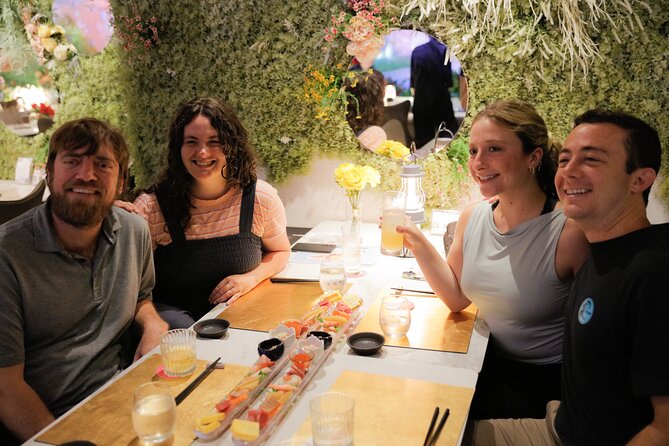
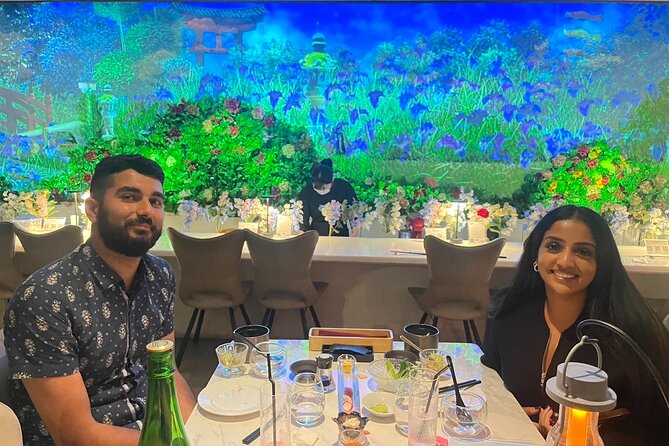
The meeting point is FLOWER WALL MONE (フラワーウォール モネ)新宿, Shinjuku City, Shinjuku, 3-chōme 53 高山ランド b1f. Even before you touch ingredients, the vibe helps you relax. This isn’t a cold, sterile cooking room. It’s a lively cafe and bar with lots of flowers, which makes a short class like this feel like a mini night out.
The class starts with you checking in and telling staff you have a reservation for the Temaki Sushi Experience. Then they take your drink order and bring out the sushi items for the group size. That flow matters, because it keeps you from standing around wondering what comes next.
The restaurant setup also makes sharing easy. Temaki sushi is naturally social. It’s made to be eaten as you go, and your roll is something you can talk about while you’re still building it.
The hands-on temaki process, seaweed to your own roll
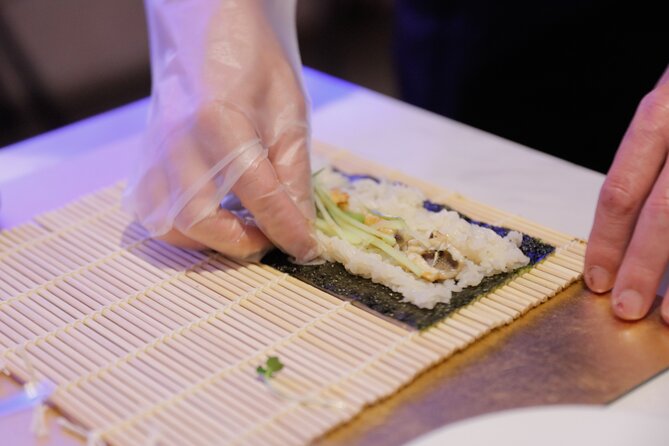
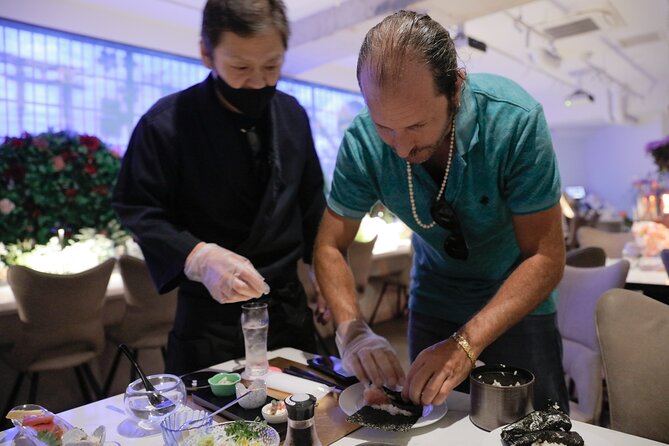
Temaki means hand-rolled sushi, and that’s exactly what you do here. You’ll work with seaweed and sushi rice, then add toppings in the right way so your roll holds together. The experience uses cut sushi ingredients and provides utensils, so you aren’t improvising with random kitchen tools.
Here’s what the structure feels like:
- Staff bring the ingredients and you start at the table.
- You get a demonstration so you can copy the technique.
- After that, you build your own temaki at your own pace.
The key thing I like about this approach is that it avoids overwhelm. You’re not trying to learn rice skills, knife work, and assembly all at once. The class aims for a doable outcome: you leave with the satisfaction of making a real sushi roll, not just watching one.
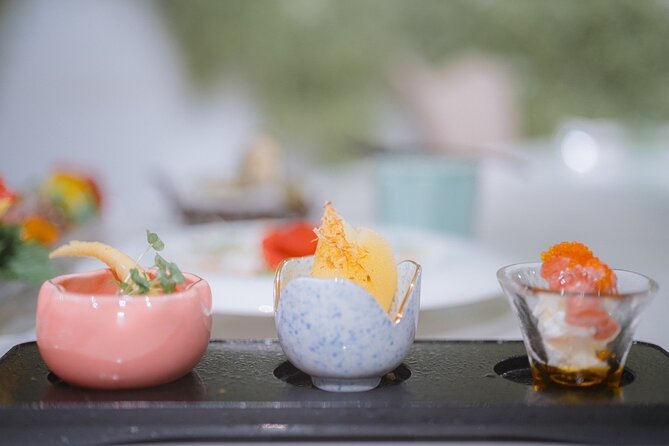
From the information provided, you get to select three types of sushi toppings. That’s a smart design for a 1 hour 30 minutes activity. It gives you variety without dragging the class into something too long. Common topping options include tuna, salmon, cucumber, and avocado, so you can aim for familiar flavors or mix fresh and creamy contrasts.
You can also read our reviews of more tours and experiences in Tokyo.



Dashi-maki tamago, the Japanese rolled omelet you can actually use
A standout part of this experience is learning dashi-maki tamago, the Japanese rolled omelet made with dashi. This isn’t just side dish trivia. It’s a hands-on cooking identity in Japan, and seeing it treated as part of your sushi meal makes the whole event feel more rooted in Japanese food culture.
You make it alongside a sushi chef, which also helps because omelets can be intimidating. Rolling technique matters. While the exact step-by-step details aren’t listed in the info you provided, the overall promise is clear: you’ll be doing the learning with chef guidance, not just eating it after the fact.
What this gives you, as a visitor, is a takeaway beyond temaki. Temaki is fun, but dashi-maki tamago gives you something practical and distinct you can describe when you’re back home. It’s also a great choice for people who don’t want their entire class to be about raw fish.
Choosing toppings and trying a smoking-style twist
Temaki is the main event, but the toppings are where your roll becomes personal. You’ll pick three types of sushi toppings and assemble them into your own hand roll. The provided overview mentions fresh options like tuna, salmon, cucumber, and avocado, which are the kind of flavors that travel well in a mixed roll.
Then there’s the extra experience: trying smoking them. The feedback includes a highlight that they smoked some fish in Sakura wood chips. That matters because it adds a new dimension of flavor, not just a different garnish. Smoke changes how fish tastes, making it feel richer and more layered.
If you’re the type who likes food experiments, this is a great moment to pay attention. Watch what changes when the fish is smoked, and compare it to what you assemble into your own roll. Even in a short class, that sensory comparison sticks.
Small-group teaching style with English support that actually helps
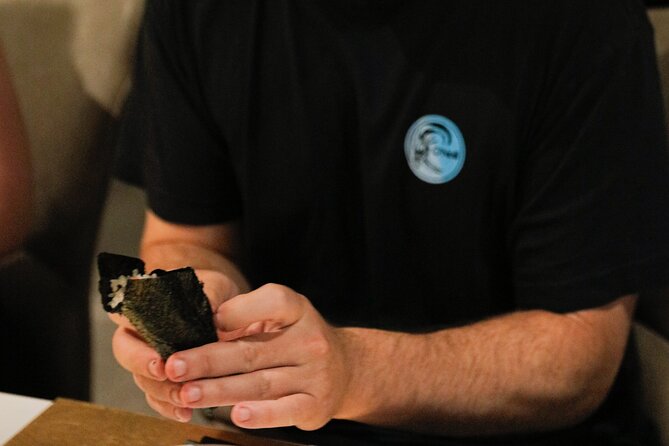
This activity caps at a maximum of 8 travelers. That small size is a big deal in Tokyo cooking classes. You’re less likely to get lost in the shuffle, and it’s easier for staff to manage multiple languages at once.
Language support is part of the plan. The information says some staff members do not speak fluent English, and a translator machine may be used. In the feedback, multiple people highlighted how communication worked clearly, including a dedicated translator who spoke extremely fluent English.
You should expect some demonstration, then independent rolling. One review name that came up was Nina and Kai, both described as kind, friendly, and warm. Another mention included Miss Kashima recommending the class. Those personal names are a good sign that the team is engaged, not just performing a scripted routine.
Practical takeaway: if you’re nervous about instructions, lean into the moment right after the demonstration. That’s when everything clicks. After that, use the contact option if you need help, rather than waiting and guessing.
Price and value for a 1 hour 30 minute hands-on sushi class
The price is $47.09 per person for about 1 hour 30 minutes. That sounds straightforward, but the real value is in what’s included.
What you get included:
- 1 drink
- All fees and taxes
What you should plan for separately:
- bottled drinks
- transportation to the meeting place
- additional meals and drinks
For Tokyo, a class that includes a drink and provides all the sushi ingredients and utensils is usually a better deal than paying for a meal plus a separate experience. Also, the group limit at 8 suggests you’re paying for real attention and actual food-making time.
If you’re comparing options, think in terms of outcomes. Can you realistically walk away with something you made yourself and ate immediately? Here, you build your own temaki, and you also learn dashi-maki tamago. That’s more memorable than a hands-off tasting.
One small planning note: it’s booked on average about 20 days in advance. That doesn’t mean you need to book months early, but it does mean you should check dates soon after you finalize your Tokyo plan.



Who should book this temaki sushi experience in Shinjuku
This class is a strong match for:
- Couples or friends who want a shared activity that isn’t another walking tour
- Food lovers who want hands-on technique, not just eating
- Travelers who like a structured demo, then freedom to assemble
- People curious about Japan’s comfort-food side, especially dashi-maki tamago
It might be less ideal if:
- You expect constant step-by-step help from start to finish
- You want a longer class length for deeper cooking technique
- You’re extremely sensitive to language barriers, since support may involve translation tools and not every staff member is fluent in English
Should you book this Sushi Making Experience in Shinjuku (Temaki)?
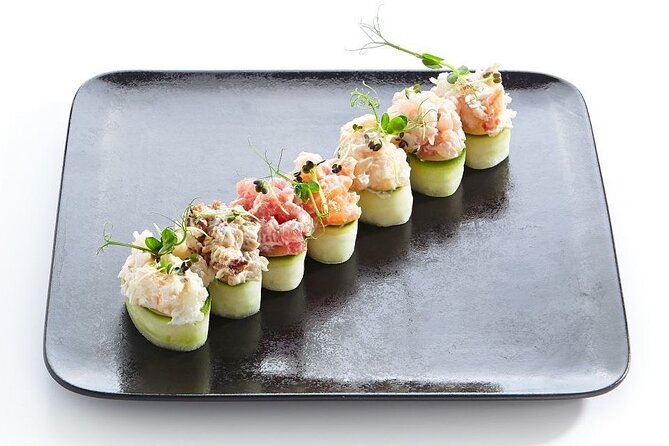
Book it if you want a short, high-reward activity in Shinjuku that ends with you eating rolls you made yourself. The combination of temaki assembly, dashi-maki tamago, and the chance to try smoked fish in Sakura wood chips makes it feel like more than a basic sushi lesson. The small group size up to 8 also boosts your odds of getting comfortable and finishing with confident results.
Skip it only if you prefer a fully instructor-led cooking session without any DIY time. Otherwise, this is exactly the kind of practical Tokyo food experience that fits into a day, adds variety to your itinerary, and gives you something real to remember.
FAQ
What is the duration of the Temaki Sushi experience?
The experience lasts about 1 hour 30 minutes.
How much does it cost per person?
The price is $47.09 per person.
What is included in the price?
You get 1 drink, and all fees and taxes are included.
What toppings will I be able to use for my temaki?
You can select three types of sushi toppings. Options mentioned include tuna, salmon, cucumber, and avocado.
Will I make dashi-maki tamago during the class?
Yes. You can make Japan’s dashi-maki tamago (Japanese rolled omelet) with the sushi chef.
Is smoking included in the experience?
The experience includes an option to smoke some ingredients, and the feedback mentions fish smoked using Sakura wood chips.
Where do I meet for the class?
You meet at FLOWER WALL MONE (フラワーウォール モネ)新宿, Shinjuku City, Shinjuku, 3-chōme 53 高山ランド b1f.
What group size should I expect?
The class has a maximum of 8 travelers.
Is there an age or drinking restriction?
Participants under 20 must be accompanied by a parent or guardian, and underage drinking is prohibited under Japan’s Minors’ Alcoholic Beverage Law.
More Tour Reviews in Tokyo
Not for you? Here's more nearby things to do in Tokyo we have reviewed












Shinjuku Tours, side by side.
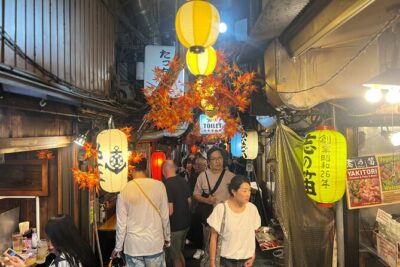 ★ 5.0Shinjuku Food Tour (13 Dishes at 4 Local Eateries)From $866,603 reviews
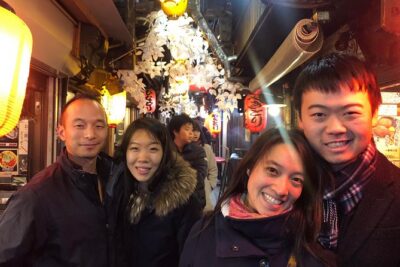 ★ 5.0Tokyo Bar Hopping Tour in Shinjuku (All-You-Can-Drink + Dinner)From $1063,587 reviews
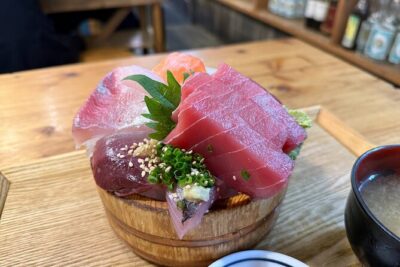 ★ 4.9Shinjuku Food Tour (15 Dishes and 4 Eateries)From $852,033 reviews
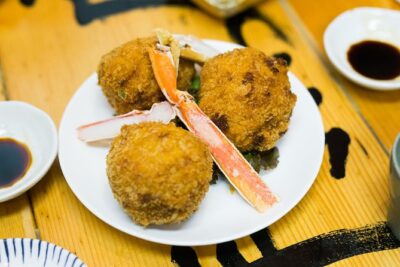 ★ 5.0Best of Shinjuku: Izakaya Food Tour (4 Stops, 14+ Tastings)From $921,863 reviews
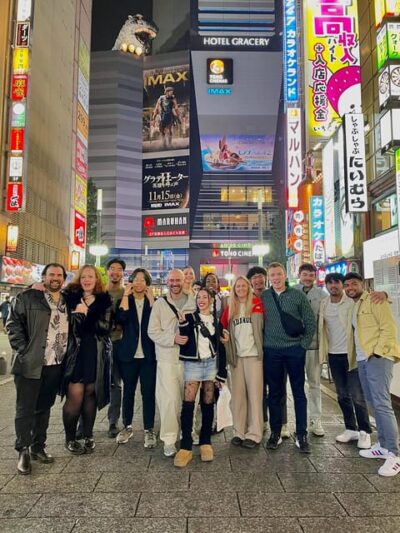 ★ 4.9Shinjuku Local Bar and Izakaya Guided Walking TourFrom $341,794 reviews
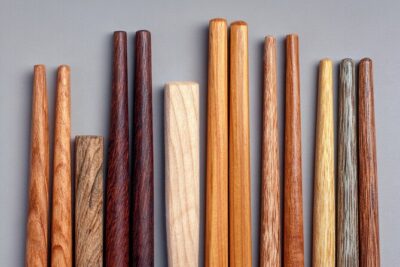 ★ 5.0Tokyo Shinjuku Chopsticks Making ClassFrom $201,763 reviews
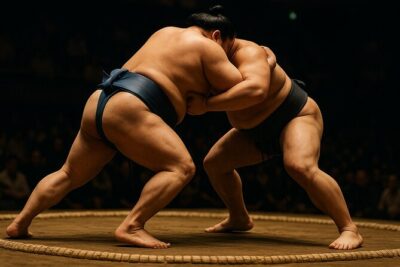 ★ 5.0Tokyo Shinjuku Sumo Show & Experience with PhotoFrom $791,750 reviews
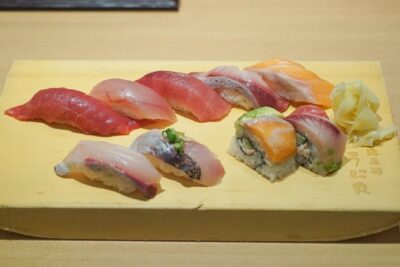 ★ 5.0Tokyo Night Foodie Tour in Shinjuku – Seasonal Sushi, Wagyu BeefFrom $1111,161 reviews
This tour also belongs to