
Review · ASAKUSA TOURS
Tokyo: Winter Kimono Experience in Asakusa
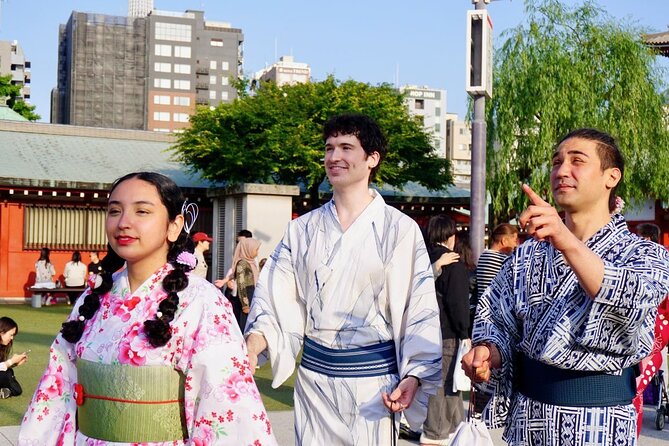
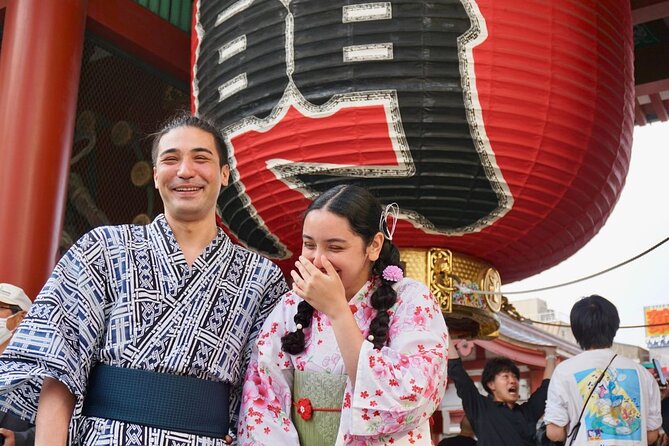
Tokyo’s first snap in a kimono hits different. This Asakusa winter experience pairs pro kimono dressing with free time to roam iconic Senso-ji Temple landmarks at your own pace.
I like two things a lot: the styling help is detailed, and the photo support is practical. My favorite touch is meeting Kazune, who grew up in Asakusa and helps you get your kimono on comfortably and correctly, plus there’s also a team member who is a Japanese National Certified Kimono Dresser for extra confidence.
One thing to plan for is finding the shop quickly. The meeting spot is close to Senso-ji, but you still need to arrive early and double-check the address, because one review noted navigation trouble and a rushed feeling when the meet-up went off track.
Key highlights you will actually feel
- Kazune leads the dressing, with locals tips for how you will look and how to move comfortably
- Certified dresser support helps if your fit or styling needs extra attention
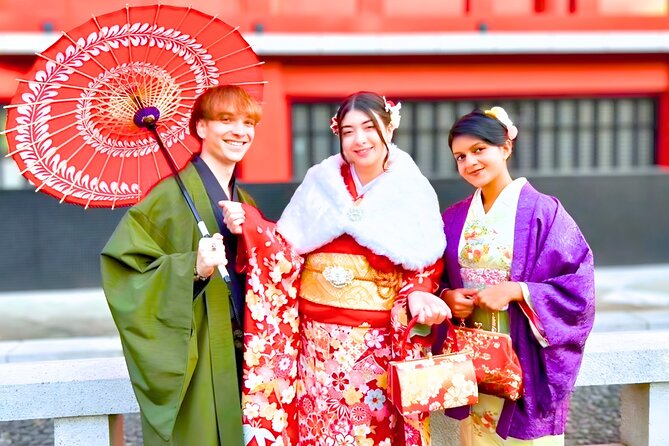
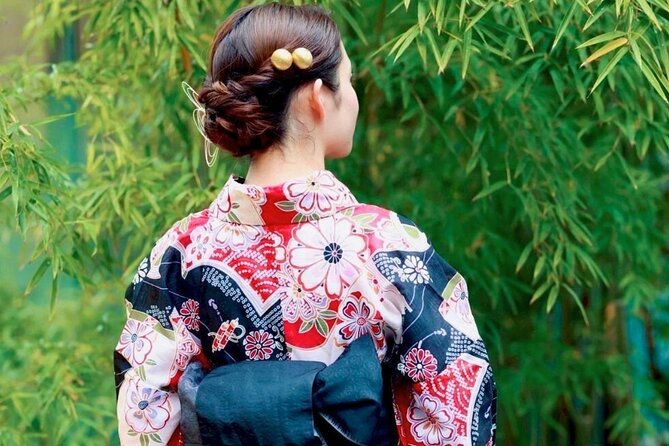
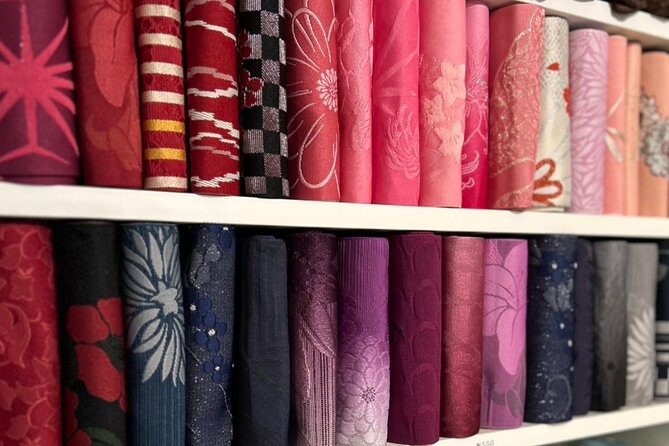
- Kimono choices include different styles, colors, and belts, so you can pick a look that feels like you
- You roam independently through Asakusa after you are dressed, with photo spot recommendations ready
- Souvenir photo is included, so you end up with more than temple selfies
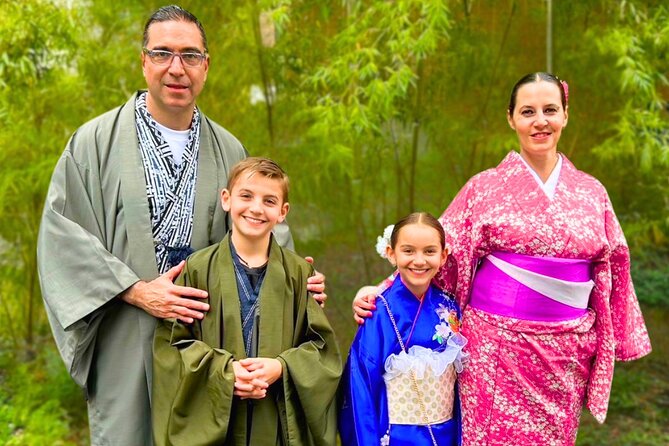
- Small group size (maximum 5 travelers) keeps the experience calmer than bigger tours
Winter kimono in Asakusa, the “walkable photo day” version
This is a one-day kimono outing built around walking, looking, and taking photos. You start in the Asakusa area, get dressed in a real kimono, and then spend time moving through a set of recognizable temple and street stops around Senso-ji and nearby sights.
The big appeal is that it is not just a costume and then you disappear. You get hands-on assistance from staff who focus on fit and appearance, then you get guidance on where to photograph the best angles. It is also flexible, because once you are dressed you are free to explore at your own pace.
That matters in winter. When it is cold, the last thing you want is to feel locked into a rigid schedule. This format lets you take breaks and slow down when crowds thicken, without losing the kimono magic.
More Tokyo tours and experiences for the shortlist


Choosing your kimono styles without guesswork
The experience welcomes you to a kimono shop in Asakusa that is about a 3-minute walk from Senso-ji Temple. You pick from their kimono collection, then Kazune (the main dresser) helps you put the kimono on while making sure it sits comfortably and looks right.
I love that the dressing is not treated like a quick formality. The description and the feedback both point to a careful process where the dresser takes time so things line up and you feel secure. One review highlighted that the dresser styled everything perfectly and made the person feel gorgeous, and another praised the variety of colors and belts.
There is also backup from other staff, including a Japanese National Certified Kimono Dresser. That is a strong signal for anyone who worries about fit or not knowing what goes where. If you have ever struggled with a wrap, tying, or waistband tightening, you will appreciate not having to figure it out alone.
One extra detail I think is worth noting: this is a winter-focused kimono experience. That usually means the styling and layers are meant for colder conditions, but it also means you might want to move carefully in winter shoes and be ready for chilly air during outdoor walking.
Dressing in Asakusa with Kazune, and what that changes for photos
Kazune grew up in Asakusa, so the dressing feels connected to the place rather than a generic photo setup. That local context shows up in how the team recommends photo spots once you are ready to walk.
In plain terms, this is what makes the photos better. When your kimono is fitted well, your posture and how you hold your arms matters more. Staff guidance helps you look balanced, and that makes it easier to get clean shots in front of gates and along street viewpoints.
You also have a built-in photo safety net. The experience includes a souvenir photo, and staff can help with photo spot recommendations. One review specifically mentioned that the guide took pictures and videos for the group, which is useful if you are traveling with friends or with your kids and you want more than one person in each frame.
Also, if you are wondering about cultural appropriateness, the experience explicitly addresses the concern: they frame tourist participation as a positive way to take part respectfully and enjoy seeing people wearing kimono. The most helpful takeaway for you is to follow staff instructions and treat it like a respectful activity, not just a costume moment.
The Asakusa walking loop, from Kaminarimon to the temple gates
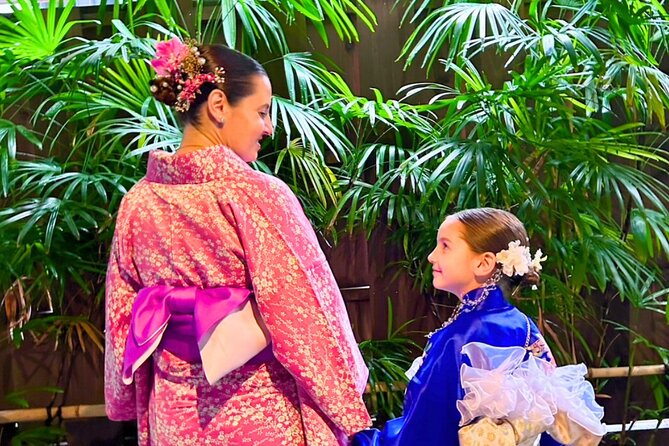
After you are dressed, your walk is built like a photo route, starting with the most iconic entrance points and moving through a chain of sights around Senso-ji.
Stop 1: Kaminarimon Gate
You begin at Kaminarimon Gate, which is one of the easiest places to start because it is instantly recognizable and frames your first kimono photos. The gate also gives you a clear visual anchor, so you know you are in the right Asakusa zone before you go deeper.
A practical tip here: if you want your first shots without too many people, take a minute to find your angle before the flow thickens. Being in a kimono makes you the visual focus, so a little patience at the start pays off.
Stop 2: Nakamise Shopping Street
Next is Nakamise Shopping Street, which is a great mid-route stretch to look around while still staying in the “kimono-friendly” area. This is where your outfit meets street energy, and you get plenty of chances to stop, browse, and photograph small details.
This part is fun, but it can be busy. If you want calmer pictures, move a bit slower and shift to side spots where the street widens.
Stop 3: Senso-ji Temple
Then you reach Senso-ji Temple itself. This is the core reason most people do this day, and your kimono makes the moment feel more ceremonial. It also gives you a clear center point to think about timing: once you hit the main temple area, you will likely want to spend time taking photos, then step back to breathe.
Stop 4: Asakusa Shrine
You continue to Asakusa Shrine, which works well as a change of pace. After busy street sections, shrine-style spaces often feel calmer for walking and photos. It is also a nice contrast when you review your photo set later, because your background variety changes.
Stop 5: Azumabashi Bridge
Azumabashi Bridge is the route shift to something more open, giving you a break from dense street and temple clusters. Bridges are handy in photo days because you can step back, get longer compositions, and change how light hits your outfit.
I would treat this as your “reset stop.” If you need to adjust your kimono fit slightly during the day, do it here when you have some room.
Stop 6: Asakusa Culture Tourist Information Center
You also pass Asakusa Culture Tourist Information Center. Even if your team handles the planning, this kind of stop is useful as a waypoint. You can re-check your direction and decide how you want to pace the rest of the temple loop.
Stops 7 to 10: Hozomon, Yogodo, Shinokuyama, Nitemmon Gate
The route then threads through more Senso-ji landmarks:
- Stop 7: Hozomon
This is another gate area moment, which is great for framed portraits. Gates and temple structures tend to photograph well because they create strong lines behind you.
- Stop 8: Senso-ji Temple Yogodo
Yogodo adds another distinct building look, which helps your photo set feel more varied rather than repeating the same background.
- Stop 9: Senso-ji Temple Shinokuyama
This stop is a chance to slow down and focus on angles. Even without technical details, the effect is that you get different sightlines and textures for your kimono shots.
- Stop 10: Senso-ji Temple Nitemmon Gate
Ending your temple loop at Nitemmon Gate brings you back to another iconic photo anchor. It is a satisfying way to close the day, because gates give you a final “memory frame” to compare with your first shots.
Stops 11 and 12: Tokyo, Taito, then back to the meeting point
The final part keeps you in the same Asakusa zone, in Taito City, before the activity ends back at the meeting point. The key point for you is that the day is designed as a compact local circuit, so you are not commuting across town while wearing a kimono.
Timing and comfort: the real logistics that matter
Here is where this experience rewards good planning. You are asked to arrive at the shop at least 10 minutes before your booking time so the team can get everything set up.
And you have a firm return time: you need to return the kimono to the shop by 17:30 the same day. If you want to keep it longer, returning the next day is possible for a small extra fee arranged directly at the shop.
This matters because kimono wear affects your pacing. You might walk slower, stop more for photos, and you will likely feel the day more than usual. Build in time for small adjustments, photo breaks, and the occasional detour for a better shot.
Also, group size is capped at 5 travelers. That usually means more attention during dressing and smoother transitions during the day. If you prefer a calm vibe to a crowded assembly line, this format is a plus.
Finally, know the basic suitability limits listed for the experience:
- Not for people over 210 cm
- Not for people over 160 kg
- Not for pregnant women
If you fall near those limits, it is worth checking with the provider before booking, because a good kimono fit is part of what you are paying for.
Price and value: what $31.63 gets you
At $31.63 per person, this is one of the more approachable kimono experiences if your main goal is a great outfit plus a photo-focused day in Asakusa.
Here is what you are getting, based on the provided details:
- You choose from a kimono collection
- You get professional help dressing correctly
- You spend time exploring Senso-ji and surrounding landmarks at your pace
- You receive on-site photo spot recommendations
- A souvenir photo is included
- The group is kept small (maximum 5 travelers)
- You receive a mobile ticket
The value calculation for you comes down to one question: do you want your time in Asakusa to look like a photo story? If yes, the included dressing help and photo support reduce the friction that often ruins kimono days. If you simply want a costume and do not care about styling, then it could feel like more than you need. But for most people doing Asakusa for the first time, this kind of structured support makes the day much smoother.
Who should book this, and who might want to choose something else
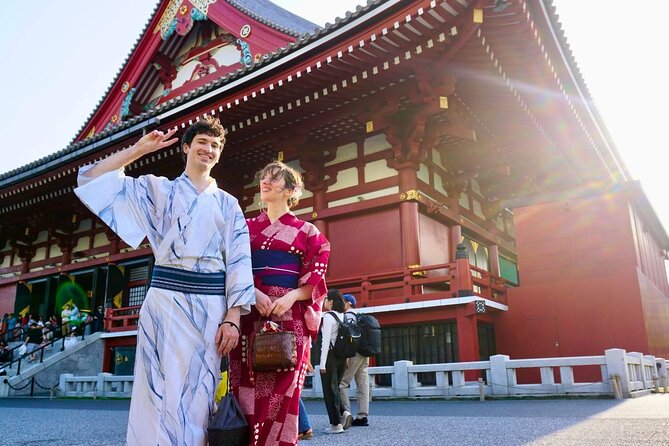
This is a strong match if you:
- Want a winter kimono experience in one of Tokyo’s most recognizable sightseeing zones
- Care about getting your kimono on properly, not just wearing it
- Like taking photos in specific temple and gate areas, and want help finding spots
- Travel with friends or family and want staff to take pictures for you
It also works well for couples and solo travelers, because the small group size keeps you from feeling swallowed by a large tour crowd.
One small caution: the experience is centered on kimono and walking. If you were hoping for an add-on like a tea ceremony, one review notes that tea was done through a different reservation. So plan your expectations around kimono dressing plus Asakusa temple sightseeing.
Should you book it?
Yes, if your priority is a well-run kimono day in Asakusa with expert dressing and photo assistance built into the plan. The combination of Kazune’s local touch, the certified dresser support, and the included souvenir photo makes it feel like more than a rental.
I would only hesitate if you are very sensitive to logistics. The shop is near Senso-ji, but you still need to arrive early and use the exact meeting address so you do not lose time. Also, check the height, weight, and pregnancy limits ahead of time.
If you do those two things, you should end the day with a real set of Asakusa photos and the kind of dressed-up memory that actually feels special in winter.
FAQ
Where is the meeting point for the kimono experience in Asakusa?
The meeting point is f.2-chōme-8-10 Kaminarimon, Taito City, Tokyo 111-0034, Japan.
How far is the kimono shop from Senso-ji Temple?
The shop is described as just a 3-minute walk from Senso-ji Temple.
What time should I arrive before my booking?
Please arrive at the shop at least 10 minutes before your booking time so they can prepare you.
What is the return time for the kimono?
You need to return the kimono to the shop by 17:30 on the same day. Returning the next day is possible for a small extra fee, arranged directly at the shop.
Is a souvenir photo included?
Yes. The experience includes a souvenir photo, so you will have more than just self-taken shots.
Can I choose different kimono styles?
Yes. You can choose from different kimono styles from the shop collection.
What is the maximum group size?
The maximum group size is 5 travelers.
Are there size limits or restrictions?
Yes. The experience is not for people over 210 cm, not for people over 160 kg (264 lbs), and not for pregnant women.
What is the cancellation policy?
You can cancel for free up to 24 hours in advance for a full refund. If you cancel less than 24 hours before the start time, the amount you paid is not refunded.
More Winter Activities in Tokyo

More Tour Reviews in Tokyo
Not for you? Here's more nearby things to do in Tokyo we have reviewed



Asakusa Tours, side by side.
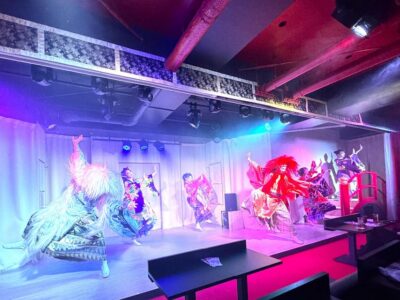 ★ 4.8Japanese Dance Cabaret Theater Asakusa-Kaguwa TicketFrom $492,270 reviews
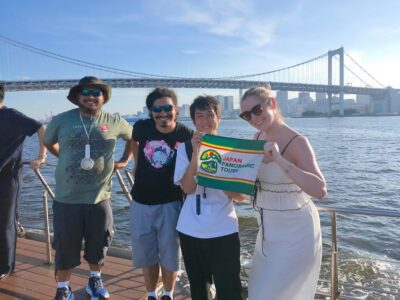 ★ 4.7Meiji Shrine, Asakusa, Skytree Bus Tour and CruiseFrom $1221,986 reviews
 ★ 4.9Roll and Authentic Sushi Making Class in AsakusaFrom $581,957 reviews
 ★ 4.8Asakusa Walking Tour with Sensoji Temple VisitFrom $221,583 reviews
 ★ 5.0Tokyo Asakusa Rickshaw TourFrom $421,375 reviews
 ★ 4.5Tokyo Panoramic 1 Day: Meiji Shrine, Asakusa, Odaiba and SKYTREE®From $851,222 reviews
 ★ 5.0Tokyo Go Kart: Asakusa, Skytree, and Akihabara **IDP MUST**From $99988 reviews
 ★ 4.7Asakusa, Skytree & Akhihabara Go-Kart City ExperienceFrom $96761 reviews
This tour also belongs to