
Review · TOKYO CITY TOURS
Tokyo, Shaped Around You: A Private Experience with a Local
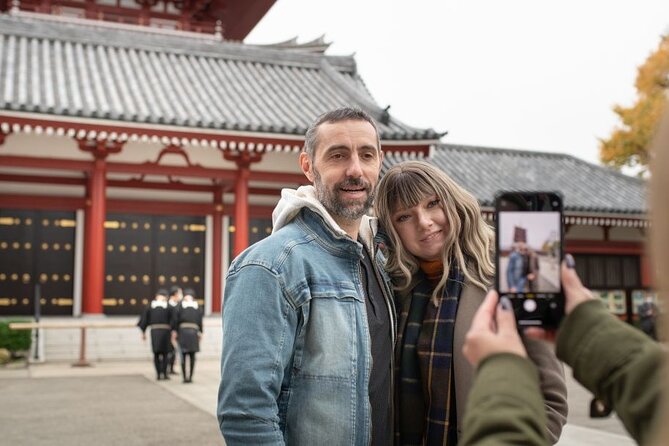
Tokyo gets personal with a local guide. I love the pre-tour questionnaire and direct communication that shapes your route, and I love the private pacing that lets you pause when something clicks. The only drawback is simple: this is a walking experience, so comfortable shoes matter and you should be ready for some transit between areas.
In a few hours, you can bounce between big names like Shibuya and Sensō-ji, plus quieter neighborhoods like Yanaka. If your hotel is central, the host can meet you at your accommodation, which saves time in a city where time vanishes fast.
At $107.62 per person for 2 to 5 hours, it can feel like a splurge until you see what you get: a guide who adapts as you go, plus local context you cannot reliably Google on the fly.
Key highlights before you go
- Pre-tour questionnaire that turns your must-sees into a real route, not a generic script
- Flexible start times and pacing, with the freedom to adjust on the spot
- Neighborhood variety in one half-day, often mixing Shibuya, Asakusa, Harajuku, and Yanaka
- Direct local communication, so you arrive with fewer questions and a clearer plan
- Private group only, meaning the focus stays on you and your questions
- Walking-first design, with optional public transport or local taxis for connections
What City Unscripted means in Tokyo, and how it helps you
This isn’t the typical “follow me in a line” tour. The promise here is a private experience shaped around your interests and pace, and it shows in how the tour starts before you even meet.
First, you fill out an online questionnaire with your preferences and must-sees. That part matters because Tokyo is too big to guess. Tell your guide what you want, and you get a route that makes sense for your energy level and curiosity, whether that’s temples, markets, food stops, fashion neighborhoods, or just understanding how the city works.
Second, you communicate with your local host directly before the walk. In the past, guides like Shoko and Chiara have been praised for being proactive and very flexible, including adjusting when someone needs extra breaks. That’s the kind of care that makes a short visit feel longer and more satisfying.
The tradeoff is that the tour does not run on a fixed checklist of attractions. You might not see every headline site in the city, because the route is meant to fit you. For some people, that’s perfect. For others who want maximum quantity, it’s worth keeping your expectations realistic.
You can also read our reviews of more private tours in Tokyo
Where the route usually takes you, and why that mix works
The itinerary style here is “Tokyo in neighborhoods,” not “Tokyo as a museum.” Your guide chooses a path through a few districts so you get real transitions, not repeated sightseeing in the same theme.
A common mix looks like this:
- Shibuya for the famous crossing and the street-level chaos you can actually watch in person
- Asakusa, with Sensō-ji as the anchor and backstreets as the real payoff
- Yanaka for the slow, old-town mood with wooden houses and small cafés
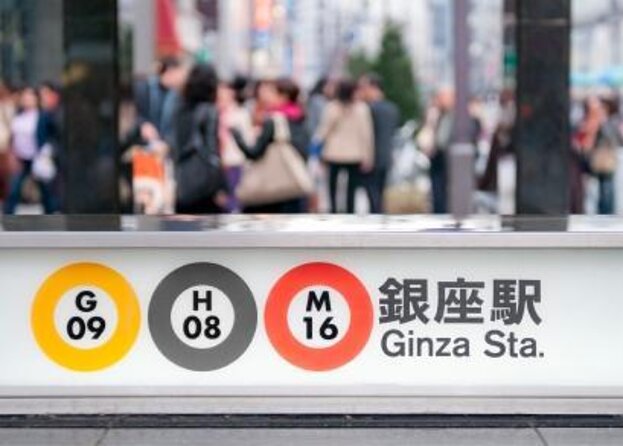
- Ginza, where history meets luxury and classic specialty shops share space with modern retail
- Harajuku for pop culture plus the quieter contrast of Meiji Shrine area paths
- Shinjuku for skyscraper views and older alley streets right next to each other
Even the “optional” parts are chosen for variety. For example, Kappabashi Street is often a contrast to the temple atmosphere, because it’s where chefs shop for handcrafted knives and ceramics. Or your guide might steer you toward the Tokyo Skytree area for views and the surrounding district’s style.
If you like travel that feels like you’re with a Tokyo friend, this layout works. You get the famous moments, then you get the neighborhoods’ quieter layers.
Shibuya Crossing, neon streets, and controlled chaos
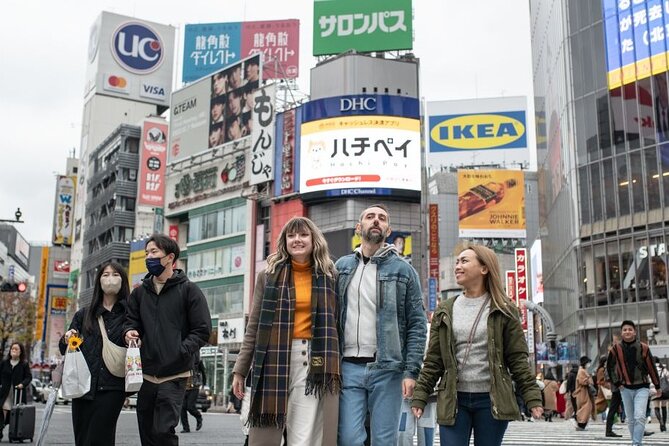
Shibuya is where Tokyo teaches you its rhythm. The tour often starts or includes the Shibuya Crossing, that world-famous intersection where a crowd moves like it’s been choreographed. The value of having a local guide here is not the photo. It’s what you notice when someone points things out: how people flow, how streets connect, and what areas are worth your feet versus areas you can skip.
After the crossing, you’re guided through the surrounding streets filled with neon and shopping energy. The best part of a private walking route is that you can calibrate your tolerance for crowds. If you want the hype, you can linger. If you’d rather just understand what makes Shibuya Shibuya, your guide can move you along without dragging.
A consideration: Shibuya is visually intense. If you’re sensitive to sensory overload, build in an early “check-in” with your guide. Tell them you prefer shorter blocks and more people-watching from calmer corners.
Kappabashi Street vs Tokyo Skytree area, choosing your Tokyo mood
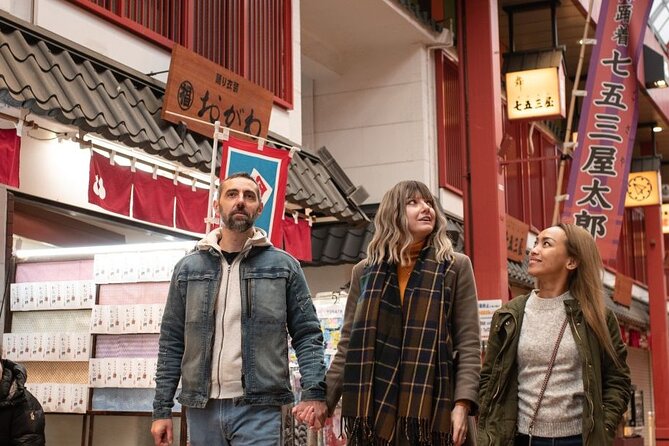
One of the smartest things about this experience is that it can branch. After the more iconic districts, your guide might take you to Kappabashi Street, known for what people in Japan actually buy for cooking and home life: handcrafted knives, ceramics, and even Japan’s famous plastic food models.
Why this stop matters: it’s not just “shopping.” It’s a window into craft. If you like tools, design, or watching how Japanese artisans think, you’ll get more out of this than a standard souvenir strip.
Alternatively, your guide may choose the Tokyo Skytree surrounding district. That tends to shift the feel toward skyline views and a different kind of urban shopping and strolling. It can be a good option if you want a “Tokyo panorama” moment without committing to a full-ticket observation experience.
Practical note: both branches work best when you set expectations early in your questionnaire. If you love food culture, lean Kappabashi. If you want a bigger view and a different shopping vibe, go Skytree.
Asakusa, Sensō-ji, and the backstreets you’ll remember
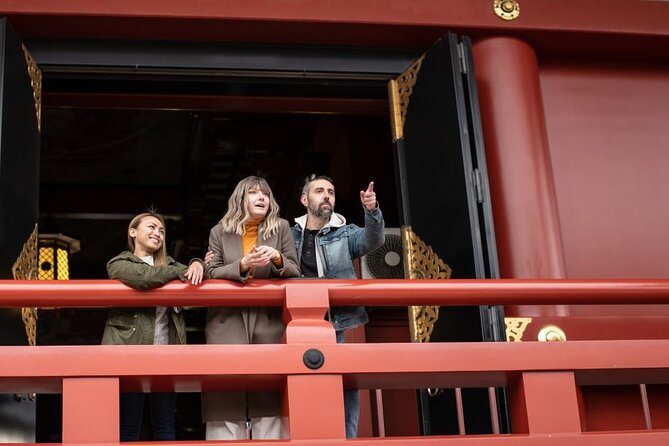
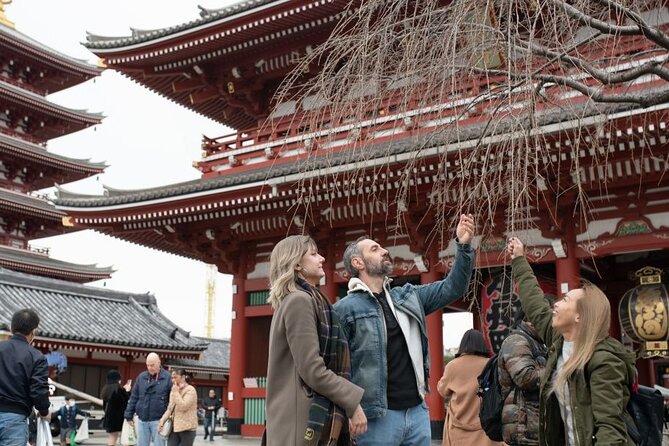
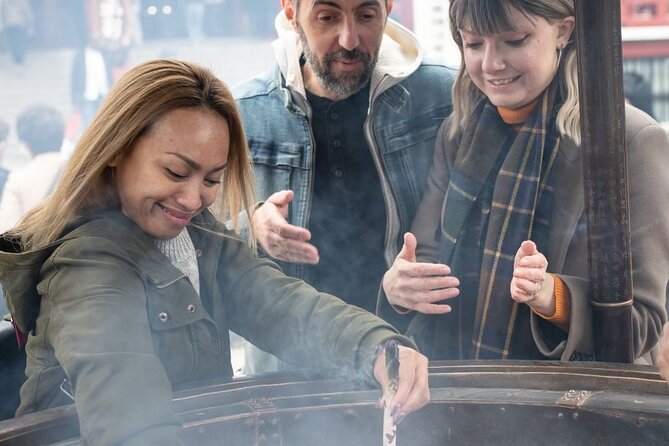
Sensō-ji is the headline, but Asakusa is what stays in your memory. Walking through the area, your host guides you around the historic neighborhood backstreets lined with traditional storefronts and older streetscapes.
Here’s what makes a local-led approach worth it: you don’t just see a temple. You learn how the neighborhood wraps around it, and you start noticing the details that make Asakusa feel lived-in rather than staged.
Expect:
- Time to experience the temple area, then
- More walking through side lanes where the atmosphere gets quieter and slower
The only drawback is that Asakusa can involve heavy foot traffic around the main temple areas. The private format helps here, because you can ask your guide to take you to calmer streets for a breather.
If you want classic Tokyo without the rush, Asakusa plus a later Yanaka stop is a strong combo.






Yanaka: the calm old-town hour that balances the day
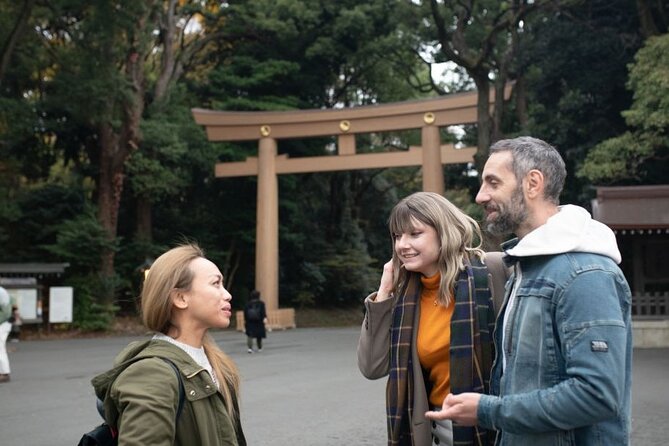
After the bigger districts, Yanaka often feels like oxygen. This neighborhood is known for traditional wooden houses, quiet temples, and small family-run cafés. The tour here is less about checking boxes and more about walking at a human speed.
If you’re the type who enjoys side streets, low-key local life, and “I didn’t know this existed” moments, Yanaka is one of the best ways to round out a short Tokyo visit. You get a break from the constant commercial buzz, and the contrast makes the earlier neighborhoods feel sharper too.
A simple way to use Yanaka well: ask your guide for a café stop that fits your tastes. Food and drinks aren’t included, but they can recommend places and you can choose what feels right in the moment.
Ginza after the temples: old streets meeting modern retail
Ginza is an interesting contrast stop because it’s not just luxury shopping. Your host can point out the mix of department stores and luxury boutiques along with traditional specialty shops.
Why I like pairing Ginza with temple districts: it gives you the “layers” of Tokyo. The city can feel like it has two speeds at once, and Ginza is where that contrast becomes visible.
What you can expect on this kind of walk:
- Strolls through major Ginza streets with commentary on what you’re seeing
- Time for browsing at specialty shops, if your guide thinks it fits your interests
A consideration: if luxury shopping is not your thing, you can still get value by shifting Ginza to “architecture plus specialty food culture,” which your guide can usually tailor.
Harajuku and Meiji Shrine paths, fashion to forest
Harajuku often includes the iconic street energy, with options like Takeshita Street for the playful, fashion-pop atmosphere. The private guide piece helps you do this smartly, because you can choose how long to spend where it’s loudest and where you want calmer alternatives.
Then there’s the contrast move: quiet, wooded paths around Meiji Shrine. That shift is one of Tokyo’s best tricks. You go from trend and crowds to space and trees, and your brain resets.
If you love photos, Harajuku and Meiji Shrine together are a strong pairing. If you hate crowds, ask your guide to reduce time in the busiest Harajuku blocks and spend more time in the calmer shrine area approach.
Shinjuku: skyscraper views and old alley streets in one walking block
Shinjuku can be chaotic in the best way, and it changes scene-by-scene. Your host can guide you to observation decks if you want higher views. Or you can choose the older side of Shinjuku, where you’ll find nostalgic izakayas and hidden-feeling alley streets that feel like past Tokyo.
What makes this stop work in a tailored tour is choice. You’re not forced into one version of Shinjuku. If you want nightlife flavor, your guide can aim you toward older streets and the right time to walk through. If you want city panoramas, you can steer the plan toward the lookout options.
One thing to keep in mind: Shinjuku’s size means you’ll likely move between micro-areas. That’s why the guide’s navigation skill matters, especially for first-time visitors.
Walking, trains, and taxis, plus how to protect your energy
This is a walking experience. A private vehicle is not included, so the tour relies on walking routes, and sometimes public transportation or local taxis between sites. Exact transit costs are discussed with your host after reservation details are finalized.
For you, that means two things:
- Plan your day like a walk-heavy itinerary. Even if you’re not doing “all day” walking, 2 to 5 hours can still add up fast in a city like Tokyo.
- Bring your expectations to the questionnaire. If you have pain issues, mobility limits, or you simply want slower pacing, say so early. Guides have been praised for patience and adjusting when someone needs to sit down more often.
If you’re traveling with a family or kids, a tailored walking route can still work. Some guides have been praised for arranging days that blend train-system education with kid-friendly stops, and for handling special needs like allergy considerations. If you have a special requirement, tell your host. Don’t wait for the day-of moment when everyone is tired.
Price, value, and when this is worth the splurge
At $107.62 per person, you’re paying for three main things:
- A private guide, so you get attention instead of sharing it with strangers
- A route that’s shaped around your interests, not a rigid checklist
- Real local context and conversation, the kind that turns “I saw a place” into “I understand what I saw”
Food and drinks are not included, and entry fees are not included either. That sounds like a downside until you realize it also gives you control. You can pick what fits your budget, and your guide can suggest options. In practice, that means you can keep costs predictable and avoid paying for things you would skip anyway.
Also consider the rating and popularity signals: 4.9 rating with 97% recommended. That’s not a guarantee of your perfect guide, but it does suggest the experience format works for many different traveler types.
For the value side: if you’re in Tokyo for a short window and you want a high “meaning per hour” score, this tour can be a strong use of money.
It may not be the best fit if you already know Tokyo well and you prefer self-guided wandering with no planning help. In that case, you might feel like you’re paying for something you don’t need.
How to get the best version of this tour
Do these three things before you meet your guide:
- In your questionnaire, rank your top interests. Temples, markets, street fashion, craft shopping like knives and ceramics, skyline views, old neighborhoods like Yanaka. Pick what matters most.
- Tell your guide your walking comfort level. If you want breaks, say it early. Guides have been praised for accommodating people who needed rest.
- Share any must-sees you have. Even if the tour is flexible, it helps the guide build a route that respects your priorities.
On the day of, be clear about your tempo. If you want to chat and ask lots of questions, say so. If you want quick, efficient coverage, say that too. Private tours are only “tailored” when you tell the guide what tailored means to you.
Should you book this Tokyo local guide experience?
I’d book this if you want Tokyo to feel personal in a short amount of time, and you like the idea of mixing major districts like Shibuya and Asakusa with calmer neighborhoods like Yanaka. The pre-tour questionnaire plus private pacing is exactly what you want when your trip is limited and you don’t want to waste hours figuring out where to go next.
I would skip it if you hate walking, you want a strictly fixed itinerary regardless of weather, or you’re the type who would rather build the day on your own with no guide input.
If you book, do it with this mindset: you’re not buying a list of sights. You’re buying a local plan that matches your interests, and that’s what makes the time count.
FAQ
How long is the Tokyo experience?
The duration is listed as 2 to 5 hours (approx.), depending on the route and your pace.
Is this tour walking only?
It is a walking experience, and a private vehicle is not included. Public transportation or local taxis may be used to transfer between sites.
What is included in the price?
The private experience shaped around your interests and pace is included, along with a pre-experience questionnaire, direct communication with your local host, flexible route and pacing, and local insight and conversation tailored to you.
Are food, drinks, or entry fees included?
No. Food, drinks, and entry fees are not included. You can choose them together with your host on the day if you want.
Can the guide pick me up at my accommodation?
If your accommodation is central, the local host can meet you there. Otherwise, the experience starts and ends back at the meeting point.
Where do we meet?
The start meeting point is NewDays 原宿 Japan, 1F Omotesando Exit, 外, 150-0001 Tokyo, Shibuya, Jingūmae, 1-chōme 1820.
Is it a private tour?
Yes. This is a private tour/activity, so only your group participates.
More Private Tours in Tokyo

More Tour Reviews in Tokyo
Not for you? Here's more nearby things to do in Tokyo we have reviewed












Tokyo City Tours, side by side.
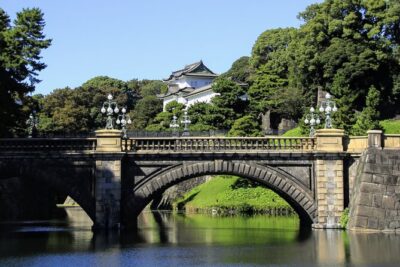 ★ 5.01-Day Tokyo Bus TourFrom $12914,250 reviews
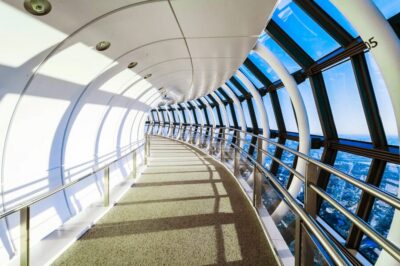 ★ 4.5TOKYO SKYTREE® Admission ticketFrom $1311,192 reviews
 ★ 4.6teamLab Planets TOKYO Digital Art Museum Entry TicketFrom $259,779 reviews
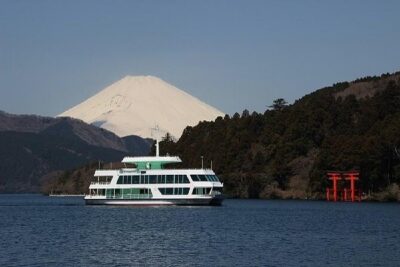 ★ 4.0Mt Fuji & Hakone Cruise, Drum Show Bullet Train 1 Day from TokyoFrom $1497,413 reviews
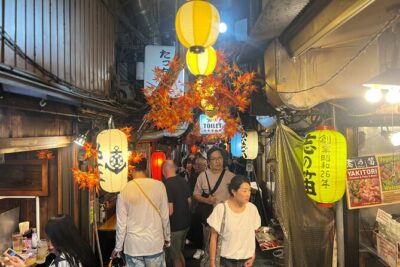 ★ 5.0Shinjuku Food Tour (13 Dishes at 4 Local Eateries)From $866,603 reviews
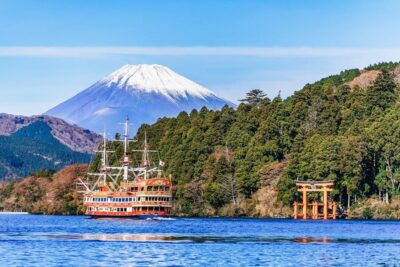 ★ 4.4Tokyo Mt Fuji 5th St & Hakone Cruise Bus Tour w/Bullet TrainFrom $1545,024 reviews
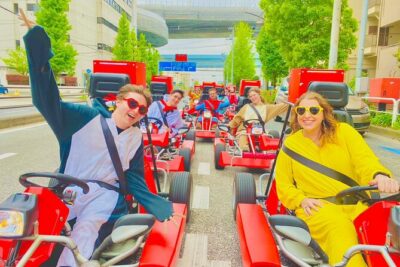 ★ 5.0Flagship 2-Hours Official Street Go-Kart Tour – Tokyo Bay ShopFrom $644,974 reviews
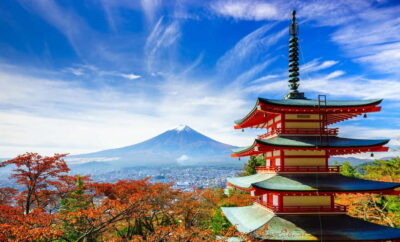 ★ 4.5From Tokyo: Mount Fuji Full-Day Sightseeing TripFrom $684,970 reviews