
Review · TOKYO CITY TOURS
A Tokyo Karate Dojo Activity Experience
Karate in Tokyo is not just kicks and punches. What I like here is the real routine, starting with etiquette and training basics at Soshikan Dojo.
You also get a post-practice moment that feels like how locals actually decompress, including time at a traditional sake bar next door.
The two best parts for me are the friendly instruction and the cultural context that comes with it. A small drawback to plan around: you need to bring your own T-shirt to wear under the rented karate uniform.
Key highlights you should notice
- New July 2023 dojo space: clean, modern, and still grounded with traditional details like a kamidana shrine
- English-speaking basics for beginners: step-by-step guidance on fundamentals and etiquette
- Rental gear included: karate uniform, tenugui towel, and bottled water
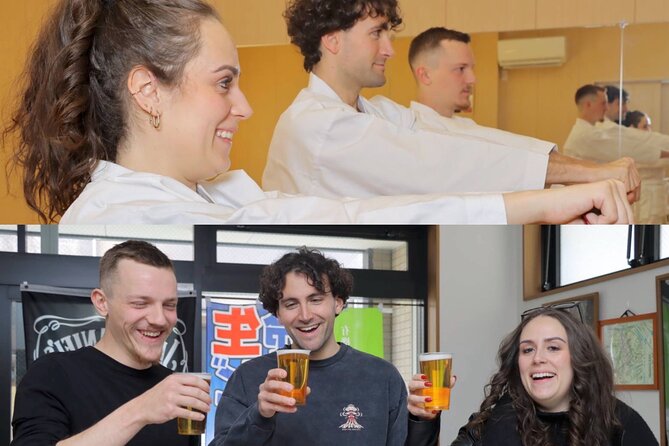
- Practice to relaxation flow: training first, then two drinks plus snacks at the adjacent sake bar
- Small, private-group feel: only your group participates, making it easier to ask questions
- Photo sessions available on site: you can capture the moment after training
Inside Soshikan Dojo: A modern room with traditional roots
This karate experience takes place at Soshikan Dojo in Shimo, Kita Ward, Tokyo, a clean and modern facility newly built in July 2023. That matters more than you might think. When a dojo is well maintained and easy to move around in, you spend less time worrying and more time learning what to do and how to do it safely.
Even with the modern comfort, the place doesn’t feel like a generic training hall. It includes traditional elements, including a kamidana shrine, which gives you a sense of the practice’s deeper setting. You are not just copying motions. You are stepping into a room with established customs, where respect is part of the training.
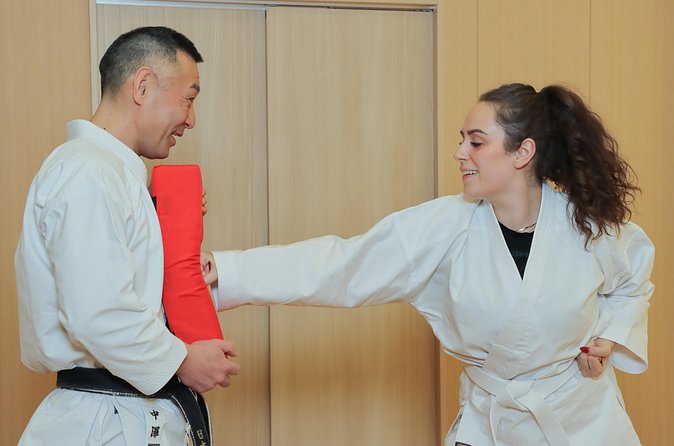
Another detail I appreciate: the experience is set up for beginners. If you have zero karate background, you are not expected to “perform.” Instead, you get guidance on the basics and on proper etiquette, which is often where people feel unsure when they try martial arts for the first time.
And then there’s the location logic. Kita Ward is not the flashiest area in Tokyo, which can be a good thing. You end up in a more local-style neighborhood rhythm, and that sets up the best part of the experience: the time after training.
You can also read our reviews of more tours and experiences in Tokyo.


The 2-hour rhythm: training basics, etiquette, then time to cool down
The activity runs about 2 hours total, and it’s designed around a full routine: you train, you slow down, and you get a taste of the “what happens after” side of karate life. That’s a big deal. A lot of short experiences stop right when the class ends. This one keeps the storyline going.
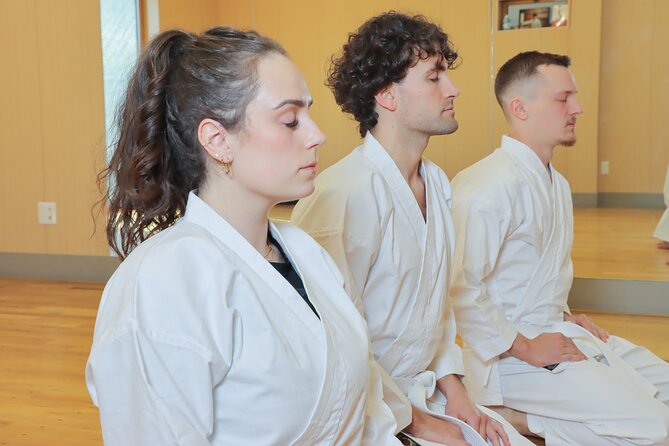
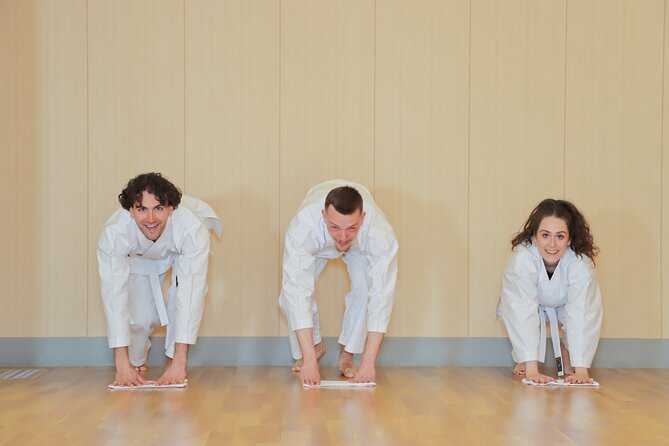
During training, you will get step-by-step instruction from an English-speaking instructor. The focus is on karate basics and the etiquette that goes with them. Expect you will be coached on how to hold yourself, how to behave in the dojo, and how to practice the fundamentals without feeling lost.
I also like that the instruction isn’t framed as a performance contest. Reviews highlight an authentic teaching style from a friendly, experienced teacher, plus cultural and historical context. That combination is what makes the time feel meaningful instead of just physical exercise.
Here’s the practical consideration: because this is a dojo setting, you should be ready for a bit of “class flow.” You’ll likely follow commands and follow the order of training. If you’re the type who gets distracted by structure, plan for that. If you like clear pacing and learning by doing, you’re going to enjoy it.
At the end, the experience shifts from training intensity to social decompression. There’s an adjacent standing-style sake bar where you can relax and enjoy a cold drink. That transition is part of the value. You get to experience more than technique, you get the moment people talk about when they say the spirit of practice continues off the mat.
What you wear and what’s handled for you
One of the easiest ways to judge value is to look at what you don’t have to figure out. Here, you get a lot of support in the basics.
Your rental setup includes:
- Rental karate uniform
- Tenugui towel
- Bottled water
You also get meals and drinks as part of the included experience. That means you are not scrambling for refreshments after you sweat.
There is one item you must bring yourself: a T-shirt to wear under the karate uniform. This is not optional. The uniform is rented, so your underlayer helps with comfort and hygiene. If you forget it, you’ll be the one dealing with discomfort rather than enjoying the training.
Photo sessions are offered at the dojo as well. The data doesn’t list them as a separate paid add-on, so treat it as something you can take advantage of during your time there. If photos matter to you, it’s worth planning to wear something you’re comfortable changing into and out of quickly.
The sake bar next door: the part people remember
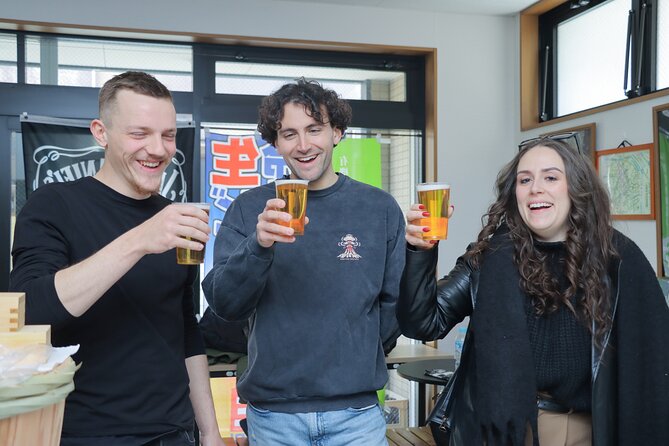
The experience is built around a traditional training-to-drink flow. Adjacent to the dojo is a standing-style sake bar, which lets you relax right after class. This is where the whole experience becomes more than sport.
What’s included here is helpful and specific: two alcoholic beverages such as beer or sake, plus snacks. Non-alcoholic beverages are also available. That’s a practical plus if you are skipping alcohol, traveling with someone who does, or just want to keep the vibe light.
This is also where the cultural side clicks for many people. Karate isn’t only about physical movement. It’s about discipline, community, and routine. Sitting down, standing at a bar counter, and having drinks with snacks right after training is a real-world feel for how people might decompress after practice.
Two practical tips so you enjoy this part:
- Pace yourself on your drinks. Training plus alcohol is not the combo for everyone, and you’ll feel better if you drink like you mean it.
- Snack timing matters. Eat a little before you drink if that’s your style, so you don’t end up feeling too full or too light.
Where you start and how to find it without stress
You’ll start at:
颯志館 レンタル道場 4-chōme-6-2 Shimo, Kita City, Tokyo 115-0042, Japan
And the activity ends back at the same meeting point. That “back to start” setup is a convenience when you’ve only got a few hours and you don’t want to negotiate transit at the end while tired.
The good news is that it’s near public transportation, so you should be able to reach it without making the day complicated. You also get a mobile ticket, which reduces fuss on arrival.
Timing-wise, your confirmation is received within 48 hours of booking, assuming availability. And the experience is described as a private tour or activity, meaning only your group participates. That private-group setup tends to make it easier to ask questions, learn at your pace, and avoid getting lost in a crowd.

Price and value: what $86 buys you in Tokyo
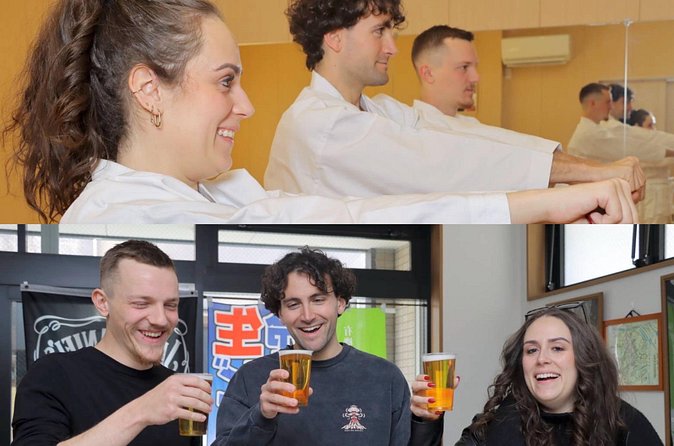
At $86.00 per person, the price can look “small class” on paper. But the real value comes from the full package.
You are not only paying for instruction. You’re also getting:
- Rental karate uniform
- Tenugui towel
- Bottled water
- Two alcoholic beverages plus snacks
- An experience that lasts about 2 hours
So you’re paying for (1) an instructor-led basics session for beginners, (2) the gear support you’d otherwise have to source, and (3) an included social component at the sake bar.
That makes it a good choice if you want a structured cultural activity that also includes food or drink, rather than an activity where you have to plan every small expense afterward. In Tokyo, those add-ons add up fast.
There’s also a planning benefit: the booking pattern is typically around 32 days in advance on average. If you want a specific time slot, don’t wait until the last week of your trip.
One more practical note, brief but important: free cancellation is offered up to 24 hours before the experience start time for a full refund. If your schedule is fluid, that reduces risk.
Who this experience fits best (and who should think twice)
This is a strong match for you if:
- You’re a beginner who wants karate etiquette and basics taught clearly in English
- You want a short, high-quality cultural activity that includes a social element afterward
- You prefer a dojo experience rather than a generic show or demo
- You like the idea of training followed by something local, like a drink at a sake bar
It may be less ideal if:
- You strongly prefer activities that are purely athletic and do not include etiquette or cultural discussion
- You dislike alcohol and want zero alcohol context, even though non-alcoholic beverages are available
- You’re not prepared to wear a uniform and follow dojo norms for the full session
Most importantly, “Most travelers can participate” tells you this isn’t a “trained only” situation. If you can move comfortably and follow guidance, you should be in the right zone.
Making the most of your class: simple prep that helps
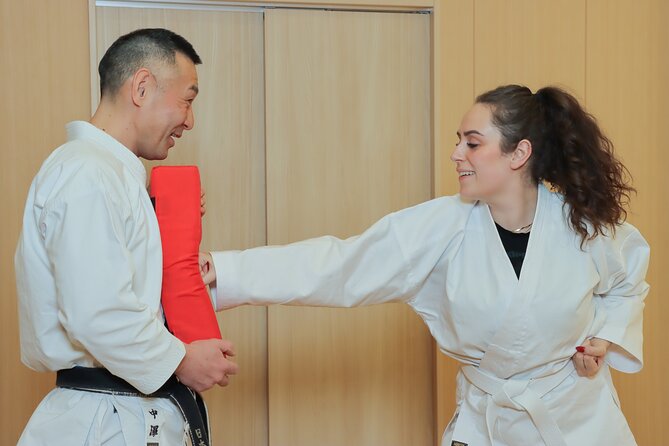
You’ll get more out of this if you walk in prepared and relaxed. Here’s what I’d do in your shoes:
- Bring your own T-shirt for underneath the rental uniform. It’s the one item you’re explicitly asked to provide.
- Wear comfortable clothing you can change out of quickly. The experience includes uniforms, so your day should be change-friendly.
- Arrive a few minutes early. You’ll want to settle, meet the instructor, and get into the right headspace.
- Be ready for etiquette instruction. In martial arts, etiquette is not decoration. It’s part of how you learn the right habits.
- Plan how you’ll handle the included drinks. Two beverages plus snacks are part of the experience, but pacing makes a big difference in how good you feel after.
If you’re traveling with friends or family, the private-group setup helps. It can make questions feel natural and reduce the stress of trying to keep up.
The balance that makes it feel authentic
The most praised aspects from the experience are pretty clear when you read between the lines: people respond to authentic karate teaching and to a friendly, experienced teacher who also talks about the culture and history of the art. That’s the sweet spot.
A lot of activities give you movement with no meaning. Others give you cultural lecture with no real practice. Here, you get both. You learn basics, you practice them with guidance, and you also get context for why etiquette and tradition matter.
And the facility itself helps you feel grounded. A modern dojo with traditional touches like the kamidana shrine gives you a sense that you’re in a real place where karate is practiced, not just staged.
Should you book the Tokyo karate dojo experience?
If you want a beginner-friendly karate session that actually teaches etiquette, includes gear, and gives you the post-training sake bar experience, I think this is a good book. It’s priced like an activity that includes instruction plus practical add-ons, not just a short class with extra bills waiting later.
Book it if:
- You enjoy hands-on learning
- You want a real local-feeling routine that includes a drink and snacks afterward
- You want English instruction that keeps the basics clear
Skip it if:
- You only want intense fitness with zero cultural structure
- You dislike the idea of standing at a traditional sake bar after training
- You’re not willing to follow dojo etiquette norms for about two hours
Bottom line: for a short Tokyo window, this is one of those experiences that gives you a complete slice of practice life, from training room rules to the relaxed after-practice moment next door.
More Tour Reviews in Tokyo
Not for you? Here's more nearby things to do in Tokyo we have reviewed





Tokyo City Tours, side by side.
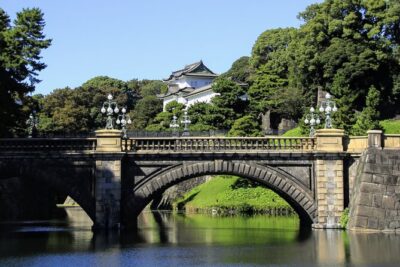 ★ 5.01-Day Tokyo Bus TourFrom $12914,250 reviews
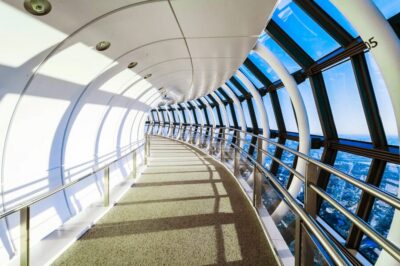 ★ 4.5TOKYO SKYTREE® Admission ticketFrom $1311,192 reviews
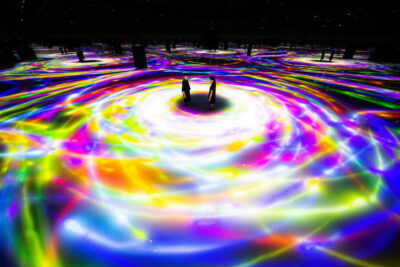 ★ 4.6teamLab Planets TOKYO Digital Art Museum Entry TicketFrom $259,779 reviews
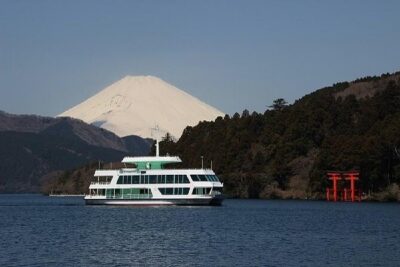 ★ 4.0Mt Fuji & Hakone Cruise, Drum Show Bullet Train 1 Day from TokyoFrom $1497,413 reviews
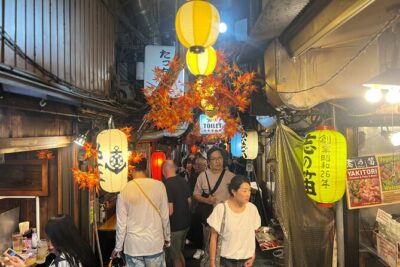 ★ 5.0Shinjuku Food Tour (13 Dishes at 4 Local Eateries)From $866,603 reviews
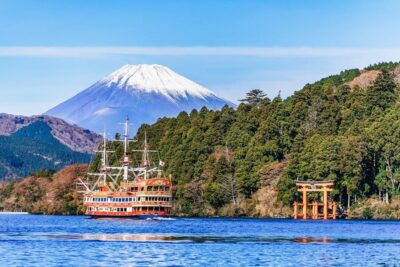 ★ 4.4Tokyo Mt Fuji 5th St & Hakone Cruise Bus Tour w/Bullet TrainFrom $1545,024 reviews
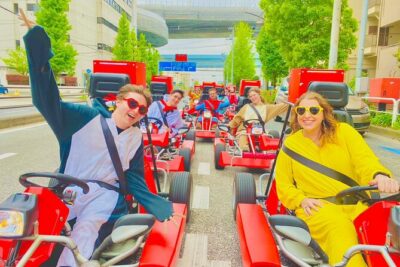 ★ 5.0Flagship 2-Hours Official Street Go-Kart Tour – Tokyo Bay ShopFrom $644,974 reviews
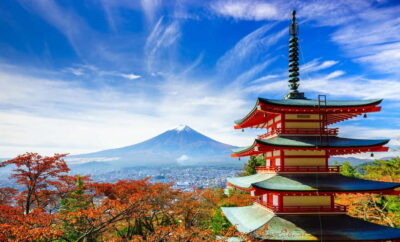 ★ 4.5From Tokyo: Mount Fuji Full-Day Sightseeing TripFrom $684,970 reviews