
Review · TOKYO CITY TOURS
Private homevisit for whole cultual experience, 20min from Tokyo
A real Japanese home visit beats most scripted sightseeing. You get yukata photos, a casual matcha tea ceremony, and hands-on cooking, all guided by your host in a place that feels lived-in. The day runs about 5 hours, and it starts with a quick train hop to Shin-Urayasu, then a short walk to the meeting spot.
I especially liked the mix of skills you practice, not just watch. You learn the flow of a tea moment, you cook your own lunch (either okonomiyaki or sushi rolls), and you even get to play the koto. One drawback to plan for: your cooking choice has to be the same for the whole group, so everyone shares either the okonomiyaki option or the sushi-roll option.
Key points before you go
- 20 minutes from Tokyo Station to Shin-Urayasu (then a short walk), so the day feels doable
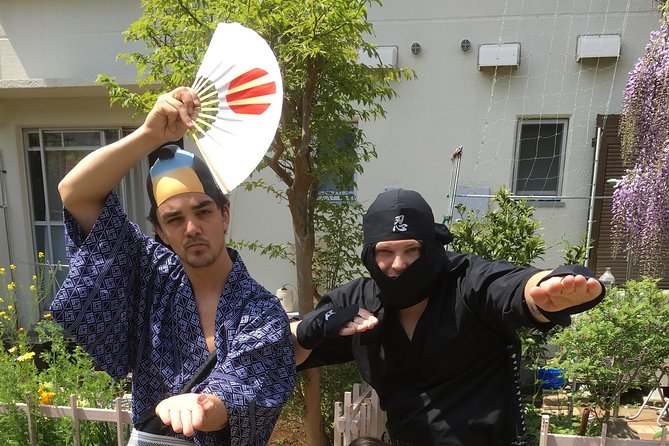
- Yukata outfit changes made for photos, plus a home setting that adds atmosphere
- One shared menu choice for the group, either Hiroshima-style okonomiyaki or norimaki sushi rolls
- Two matcha bowls, first served with a ceremony, second made by you
- Koto lesson with live playing, then you try with guidance
- Private experience with only your group, led by host Noriko
Tokyo Station to Shin-Urayasu: The easy start that matters
The logistics here are refreshingly simple. You make your own way to the meeting point, then your host meets you at Shin-Urayasu Station and walks you to the home. It’s about 20 minutes from Tokyo Station to Shin-Urayasu, and the meeting spot is only a 3-minute walk from the station.
That time matters because you are not spending half a day commuting. You still get a real change of pace from central Tokyo, but the trip feels manageable even if you are not a train-expert.
You can also read our reviews of more private tours in Tokyo
A real home, not a set: What the “Japan at Home” setup gives you
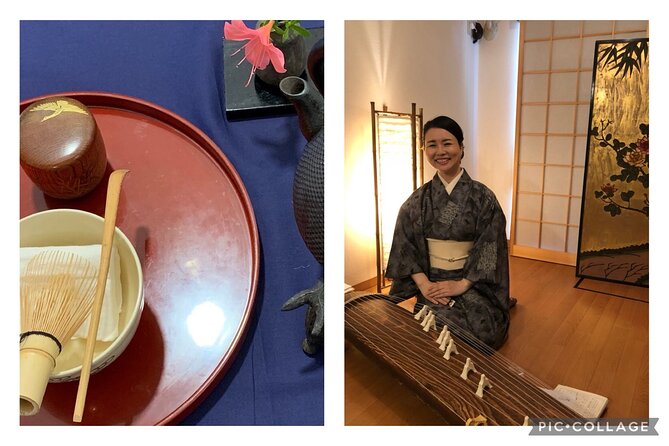
This is a private homevisit, so the environment stays intimate and flexible. You can ask questions as you go, and you are not herded through rooms on a timer. That personal pace is a big deal for culture experiences, because the small details are the point.
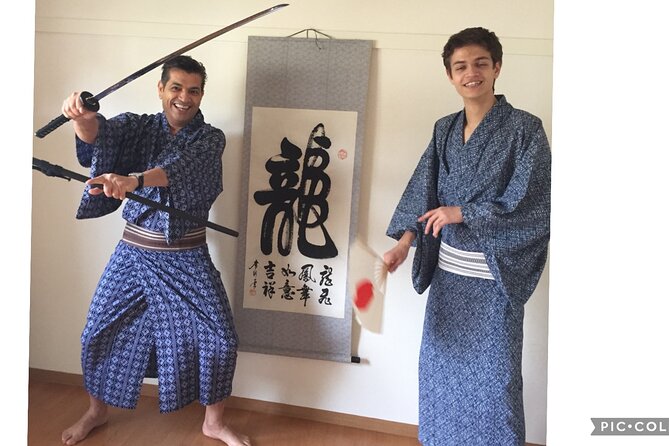
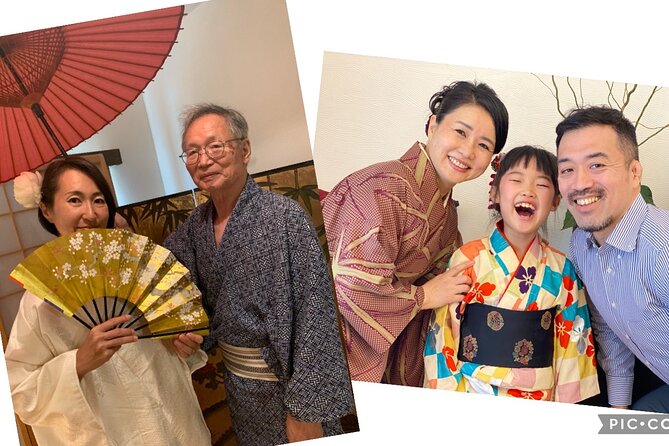
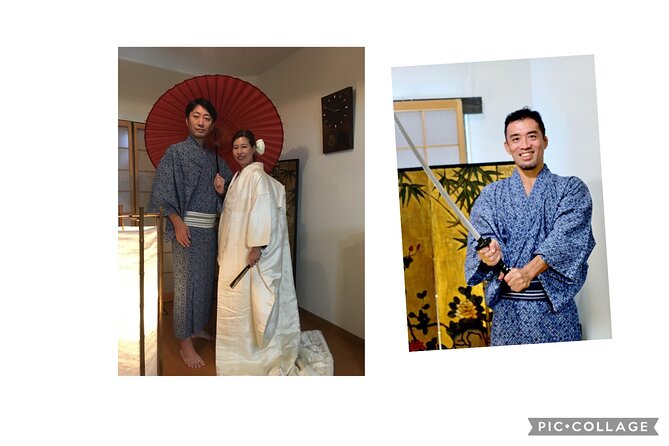
Once Noriko guides you to the house, you will change into a cotton kimono called a yukata. The outfit is photogenic, and the home setting makes the photos look more “you were there” than “you passed through a studio.” You also get to see the wooden-house feel of traditional architecture, which adds texture to the day beyond the activities themselves.
One more practical thing I like: the experience includes a brief stop at a supermarket on the way. That is where you start noticing Japanese ingredients and how everyday shopping connects to cooking at home.
The kimono and photo moment: Yukata fit and photo-ready timing
The yukata change is not just a costume step. It’s a way to slow down and start behaving like you are inside someone’s daily world for a few hours. You are given the chance to take photos right in the home environment, where the lighting and background feel natural.
If you care about pictures, plan to wear something easy underneath. Since you are changing into a yukata, you do not want complicated outfits that make the transition annoying.
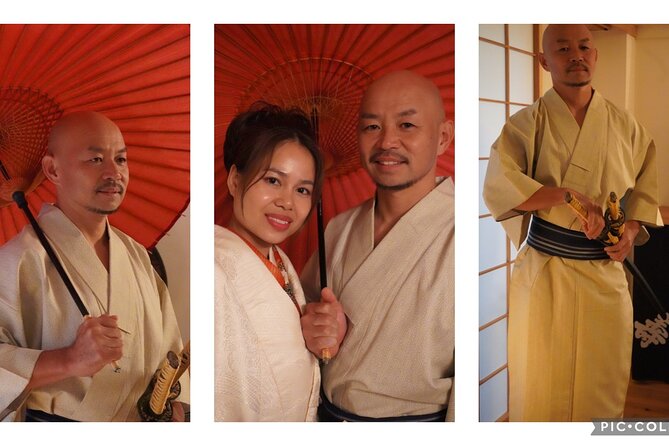
This is also where the day feels playful. The concept includes memorable outfit photos, with the advertised range including kimono and ninja-style looks for photos. Even if you only focus on the yukata, you still get a fun, visual anchor for the whole visit.
The supermarket stop: Learn ingredients before the cooking begins
I love the habit this tour builds: looking at ingredients first, then cooking with purpose. Before you start making food, Noriko takes you by a supermarket and points out what makes certain items feel distinctly Japanese.
Even if you do not memorize product names, the mindset sticks. You start paying attention to things like sauces, seasonings, and the differences between what looks similar in a package. Then, when it comes time to cook, you are not guessing.
This step also makes the experience feel more real. Japanese cooking culture is tied to what people buy locally, not only what chefs do on TV.
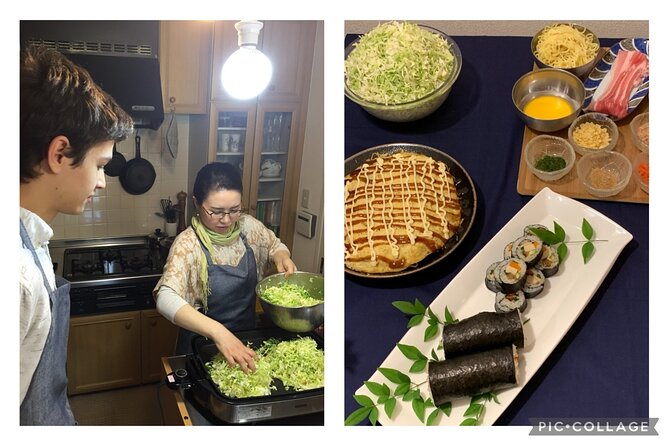
Lunch you make: Hiroshima-style okonomiyaki or norimaki sushi rolls
Lunch is the hands-on heart of the day. Before you go, you choose between Hiroshima-style okonomiyaki (a savory pancake) or norimaki sushi rolls. The key catch is simple: one menu choice must be selected for the whole group.
So if you are traveling with family or friends and everyone has strong preferences, coordinate ahead of time. The upside is that the class stays smooth and everyone follows the same cooking rhythm.






Okonomiyaki option, what it feels like
If you pick okonomiyaki, you are making a hot, savory dish that is built layer by layer. It’s a great choice if you want something more like a cooking project than a precision task.
Sushi-roll option, what it feels like
If you pick norimaki sushi rolls, you’re learning the structure of rolling and the basics of assembling ingredients into neat, snackable pieces. It’s ideal if you like the idea of taking home food skills that feel practical.
Either way, you eat what you make. That is not a small detail. For a lot of food experiences, the class is fun but the meal is just filler. Here, the lunch is the point.
Matcha tea ceremony: Two bowls, one guided moment then your turn
You get two matcha bowls, and the structure is smart. The first bowl is served to you with a beautiful ceremony, so you see how matcha can be treated as a moment, not just a drink. Then you make the second bowl yourself.
The tone is casual, which I appreciate. You are not expected to already know the “perfect” form. Instead, you get enough guidance to understand what you are doing and why it matters.
Why this works for you: it turns a visual culture activity into a physical one. You learn the feeling of preparing it, and that makes it easier to talk about later, and easier to reproduce at home.
Koto music lesson: From hearing it to playing it
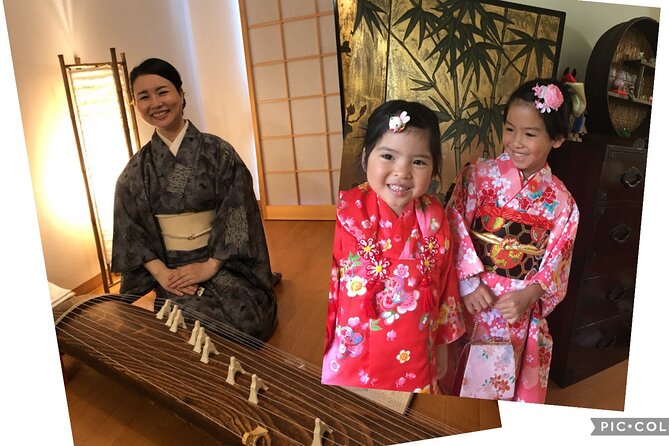
After tea, the day shifts to sound. You enjoy live music with the koto, a traditional Japanese string instrument, played by your host. Then it’s your turn.
You don’t need special training. Noriko provides guidance so you can produce elegant sounds without stress. If you think you are not musical, this part can surprise you. The learning is guided, and the goal feels like creating something together, not performing perfectly.
One more thing: the koto segment pairs nicely with the home setting. Music sounds more intimate in a real room than it does in a formal hall. Even if you only catch a few notes you like, you leave with a memory that feels different from a museum audio guide.
Timing, transport, and what 5 hours really means
The tour runs about 5 hours. From your perspective, that’s a sweet spot. It’s long enough to do multiple activities well, but not so long that you feel like you’ve been traveling all day.
The meeting point is Shin-Urayasu Station. Your host meets you there and you end back at the meeting point. That makes planning dinner easier, because you can aim for a casual meal near the station afterward if you want.
Average booking happens about 46 days in advance. If you are visiting during a busy season or on a weekend, I’d still plan to book early so you do not have to adjust your schedule.
Who this private homevisit is perfect for
This experience is a strong match for people who want culture with hands-on meaning. If you enjoy learning through doing, you will like the sequence: outfit, ingredients, cooking, tea, music.
It’s also family-friendly. A homevisit can work especially well with kids because it’s interactive, and Noriko’s approach is attentive and supportive. If you’re celebrating something, this kind of personal setting also makes it feel special.
If you only want “see it, move on” sightseeing, this might feel too slow. But if you want depth without being stuck in a classroom for hours, it fits.
Price and value: Is $165.53 per person worth it?
At $165.53 per person, this isn’t a budget activity. The value comes from what you get inside that price.
You are paying for:
- A private home setting instead of a public group format
- A host who guides multiple culture elements, not one single demo
- Hands-on lunch cooking (either okonomiyaki or sushi rolls)
- Two matcha moments, one ceremonial and one hands-on
- A koto performance and lesson where you play
- A yukata outfit change that supports photos and atmosphere
When you compare to taking a cooking class plus a tea experience plus a music workshop separately, it starts to make sense. The pricing is not just for food, it’s for the full day’s access, pacing, and guidance.
If you are traveling as a small group, group discounts may help too. And since this runs from a station that’s only about 20 minutes from Tokyo Station, you are not stacking huge extra transport costs.
Tips to get the most out of your day
- Choose your lunch option early. One shared menu decision keeps the experience smooth, but it does mean you coordinate.
- Wear comfortable clothes for the yukata change. You will be more relaxed if you can transition easily.
- Bring curiosity. The best parts are the questions you ask while you’re in someone’s home setting.
- If food matters to you, watch the supermarket ingredient step. It sets you up for better cooking and tasting.
Should you book Japan at Home in Shin-Urayasu?
Book it if you want a private cultural day that feels personal, practical, and hands-on. The combination of yukata photos, supermarket ingredient learning, cooking lunch, making matcha, and trying the koto gives you multiple ways to understand Japanese culture in one afternoon.
Skip it only if you prefer high-volume sightseeing or you dislike being tied to a single group menu choice. Also, plan your schedule around the 5-hour length so you are not rushing afterward.
If your ideal Tokyo trip includes more lived-in moments than check-the-box stops, this is a smart choice.
FAQ
Where does the experience start?
The experience starts at Shin-Urayasu Station, and you will be met there by your friendly host. It ends back at the meeting point.
How long is the private homevisit experience?
It runs for about 5 hours.
What is included for lunch?
You can choose in advance for the group either Hiroshima-style okonomiyaki or norimaki sushi rolls. You make your own lunch and eat what you prepare.
Is there a tea ceremony?
Yes. You enjoy two bowls of matcha, with the first served in a ceremony and the second prepared by yourself. It’s described as a casual tea ceremony.
Can I wear Japanese clothing during the visit?
Yes. You change into a cotton kimono called a yukata, which is noted as photogenic.
Is this a private experience?
Yes. It’s a private tour/activity, and only your group participates.
Do I need to go with a specific ticket on my phone?
The experience includes a mobile ticket.
Is there free cancellation?
Yes. You can cancel for a full refund up to 24 hours before the experience starts.
Are service animals allowed?
Yes. Service animals are allowed.
More Private Tours in Tokyo


More Tour Reviews in Tokyo
Not for you? Here's more nearby things to do in Tokyo we have reviewed












Tokyo City Tours, side by side.
 ★ 5.01-Day Tokyo Bus TourFrom $12914,250 reviews
 ★ 4.5TOKYO SKYTREE® Admission ticketFrom $1311,192 reviews
 ★ 4.6teamLab Planets TOKYO Digital Art Museum Entry TicketFrom $259,779 reviews
 ★ 4.0Mt Fuji & Hakone Cruise, Drum Show Bullet Train 1 Day from TokyoFrom $1497,413 reviews
 ★ 5.0Shinjuku Food Tour (13 Dishes at 4 Local Eateries)From $866,603 reviews
 ★ 4.4Tokyo Mt Fuji 5th St & Hakone Cruise Bus Tour w/Bullet TrainFrom $1545,024 reviews
 ★ 5.0Flagship 2-Hours Official Street Go-Kart Tour – Tokyo Bay ShopFrom $644,974 reviews
 ★ 4.5From Tokyo: Mount Fuji Full-Day Sightseeing TripFrom $684,970 reviews