
Review · SHIBUYA TOURS
Official Japan Go-Kart Through Shibuya / Shinjuku
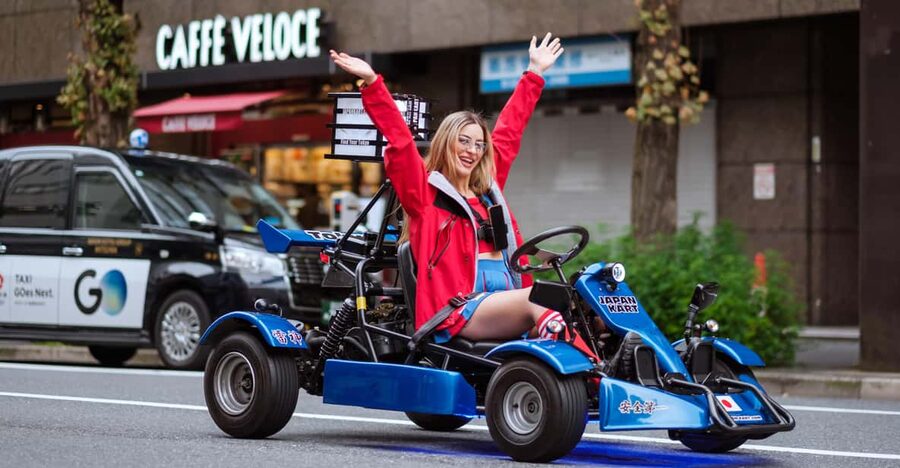
Tokyo on wheels is a total blast. JapanKart turns West Tokyo icons into a real-life ride, not a bus-and-strap experience, with road-driving go-karts and Shibuya Scramble in the mix.
I especially like how the crew keeps it organized and fun. You get a proper safety briefing and a ride that feels controlled, plus plenty of energy from staff who help you stay confident behind the wheel.
One key thing to consider is that Tokyo traffic can slow you down, and your ability to drive depends on having the exact driving documents they require. If you forget paperwork, you do not just miss a photo moment, you can miss the ride.
Key Highlights That Matter in Real Life
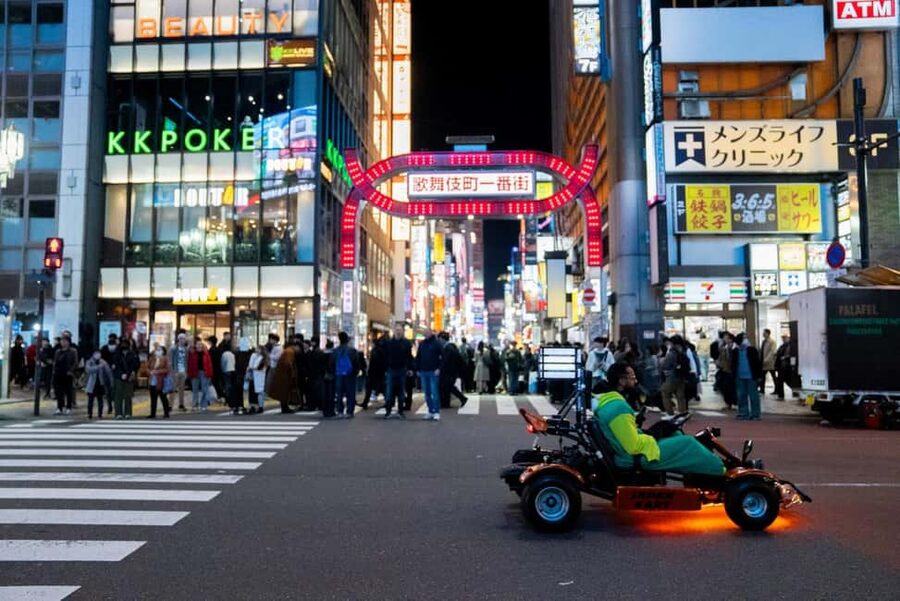
- Street-level Shibuya Scramble moments: You get a photo stop at the crossing, not just a view from afar.
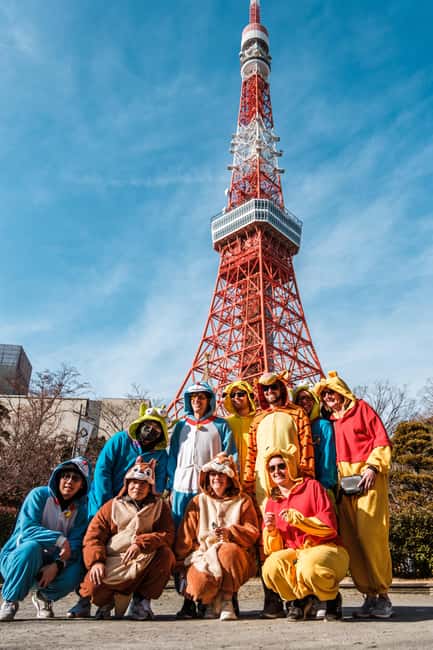
- Tokyo Tower and Tokyo Station stops: The route is built around big landmarks that are easy to recognize when you’re moving.
- Lead-and-follow safety pacing: Staff use cars and motorcycles around the group to keep everyone from getting lost.
- Costumes and photo support: You’ll dress up, and the team handles videos and pictures for the group.
- English guidance in a small group: It’s designed so you’re not figuring things out alone in fast-moving streets.
Road-Driving Go-Karts: What You Actually Get in Tokyo
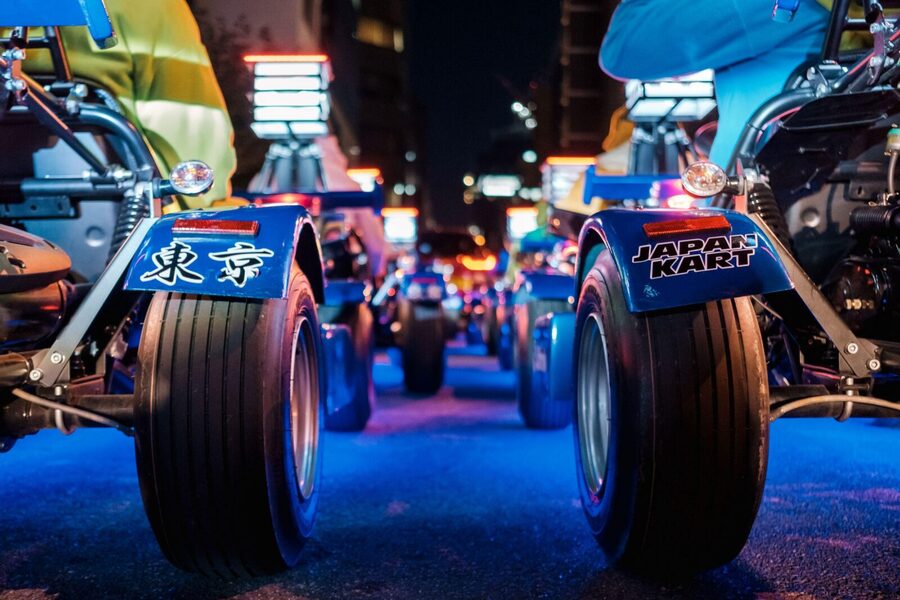
This is not go-karting at a quiet track with a fence line. JapanKart supplies go-karts designed for road driving, so the experience feels like you’re part of the city rhythm, not just circling a parking lot.
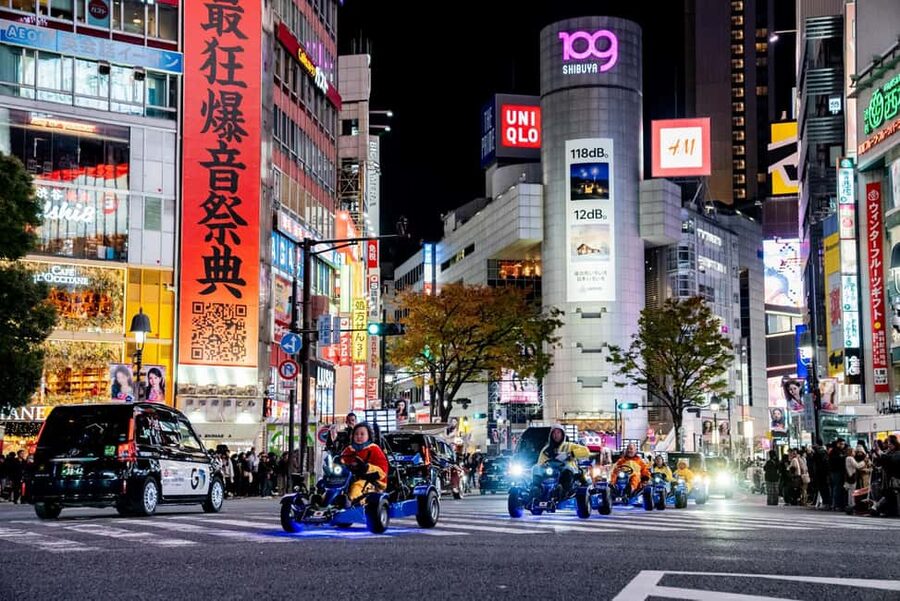
The big payoff is sensory. You feel wind in your hair, you hear real Tokyo traffic around you, and you ride past places you’ve seen in photos a hundred times. When you do your Shibuya Scramble photo stop, it lands differently when you’re physically there at street level.
A second real-world benefit is that the ride is built around short, guided segments. The crew is present, you get instructions, and the day is structured so you’re always doing something, not waiting around for long stretches.
You can also read our reviews of more tours and experiences in Tokyo.



Kanda vs Shinjuku Starting Points, and How Route Choices Affect Your Day
You’ll choose one of two branches: JAPANKART Kanda or JAPANKART Shinjuku. Your starting location can change the exact flow of highlights, so it’s worth picking the branch that fits your Tokyo neighborhood and plans.
The tour also comes in two time formats, a 90-minute and a 2-hour style route. The shorter version leans more toward West Tokyo street life, with stops described around Shibuya Scramble Crossing, Harajuku, Omotesando, and Shinjuku Kabukicho. The longer version adds major landmark stops like Tokyo Tower, Imperial Palace, and Tokyo Station, while still including Shibuya Crossing.
Here’s the practical tip: if you want maximum landmark photos, lean toward the 2-hour route. If you want more of that young, street-scene Tokyo feeling, the 90-minute option sounds like the better match.
Before You Ride: Safety Briefing, Costumes, and Getting Set Up
The run-up matters. JapanKart includes a full safety briefing, and the instruction style is geared for English speakers. In real terms, this is what makes nervous first-time drivers feel workable, because you’re not guessing how the kart behaves mid-street.
You also get a costume. Yes, it’s playful. But it also helps people relax. When you’re dressed up, you’re less likely to tense up about being in traffic.
During colder months, you’ll receive jackets, so you’re not standing there freezing before you even roll out. The karts are set up for easy mounting of devices too, and some staff have prepared mounts so you can film or strap a phone or GoPro if you bring one.
And staff do the human part well. Multiple trip notes highlight friendly, patient guidance, including moments where drivers needed a little extra time to get confidence. One name that comes up is Maui, and another is Mandy Wales, both associated with great team support.
Shibuya Scramble at Street Level: The Photo Stop That Changes the Whole Trip
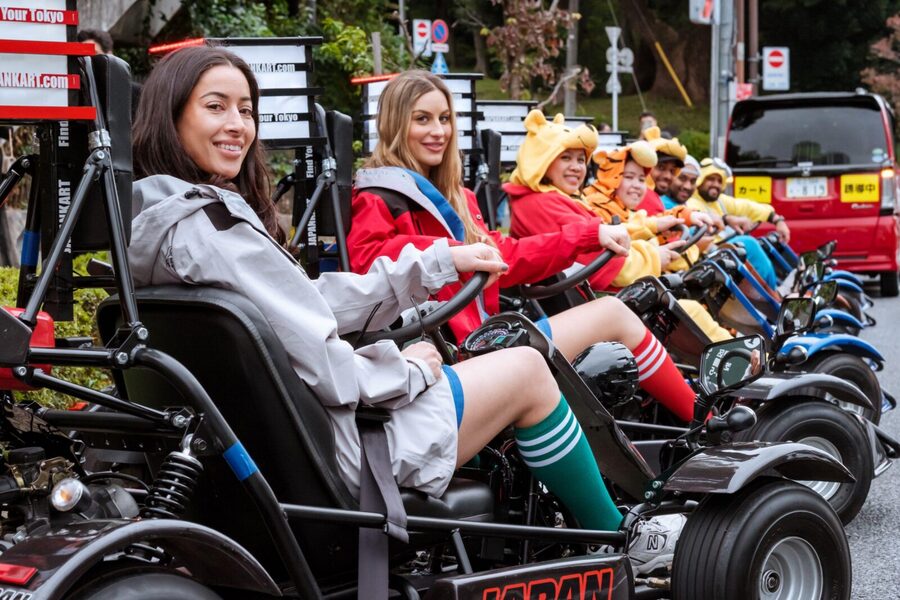
If you’re coming to Tokyo for one iconic moment, this is it. The route includes a photo stop at Shibuya Crossing, the famous scramble where crowds move like a living timeline.
The advantage of doing it by go-kart is timing and perspective. You’re not parked on the sidewalk with everyone else. You can take photos from a moving, street-level vantage and still focus on the crossing itself when you pause.
Just be ready for a simple reality: you may spend more time at lights than you expect, especially if your ride lines up with heavier traffic windows. That doesn’t kill the experience. It just means you’ll get more of that slow, surrounded feeling of Tokyo streets, not just short bursts of speed.
Tokyo Tower, Tokyo Station, Roppongi, and Imperial Palace: Landmark Power Without the Tour Bus
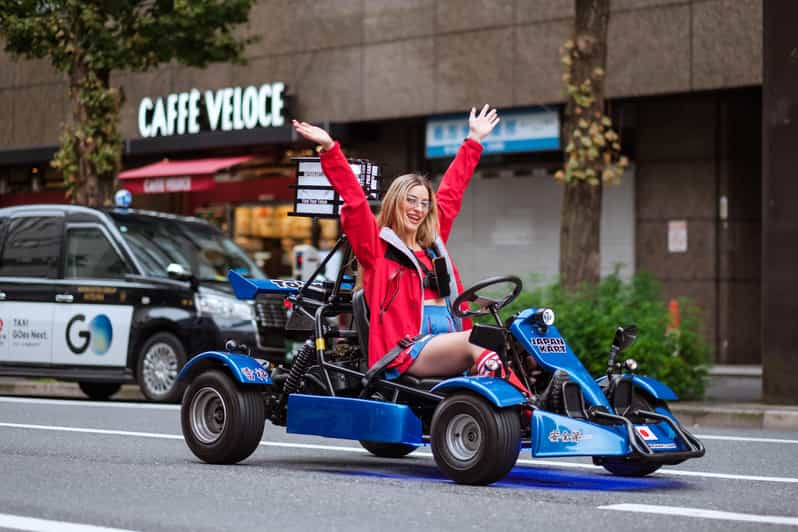
One of the strengths of this ride is that it mixes big-name landmarks with street texture. If you’re on the longer route, you’ll pass major points including Tokyo Tower, Tokyo Station, and Imperial Palace. You’ll also pass through areas described around Roppongi.
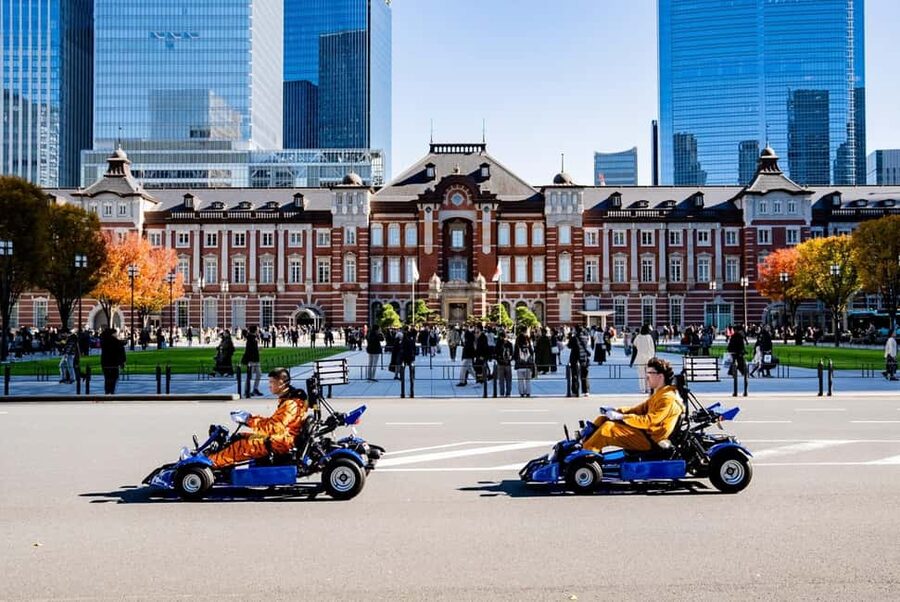
Tokyo Tower works well because you can see it clearly as you approach, then take time during a break and photo stop. Tokyo Station is another standout, because it’s visually dramatic and easy to recognize, even while the city keeps moving around you.
Imperial Palace is different from a modern landmark. It’s more calm and structured in feel, which creates a nice contrast after the electric energy of Shibuya.
If you’re on the shorter route, you trade some of these big landmark stops for more neighborhood flavor, including areas described around Harajuku and Omotesando. That’s a good choice if you want shopping streets and photogenic streetscapes.



Costumes, Cost-Effective Fun, and the Free Photo and Video Support
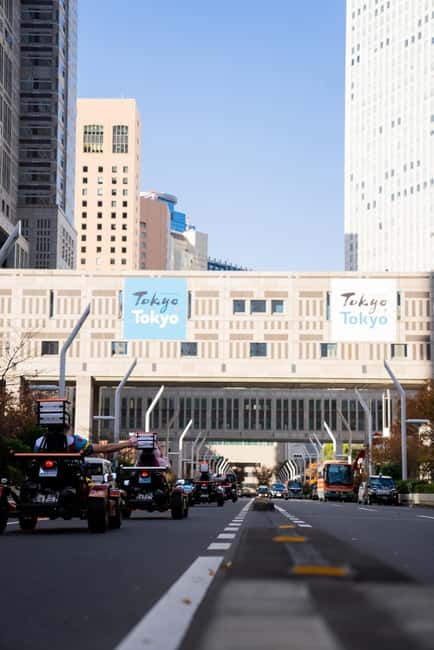
This is one of the biggest value builders. JapanKart includes costumes and also supports photos and videos of the group.
From trip feedback, the team takes lots of pictures and video during the route and sends them after the ride, with notes that files can be shared at the end with no added cost. That matters because Tokyo photos are expensive if you’re constantly hiring someone or buying a studio package.
Another detail that helps: staff may place you in positions that keep the ride together, with a lead car up front and a motorcycle behind. That reduces the stress of navigating, especially at intersections where people can cut in or where traffic patterns change fast.
I also like that the staff often help drivers who are nervous. One account even calls out how being near the front helped reduce worry, and how the team patiently worked with a driver until confidence clicked.
Traffic Lights and Moving Delays: The Reality of Driving Tokyo
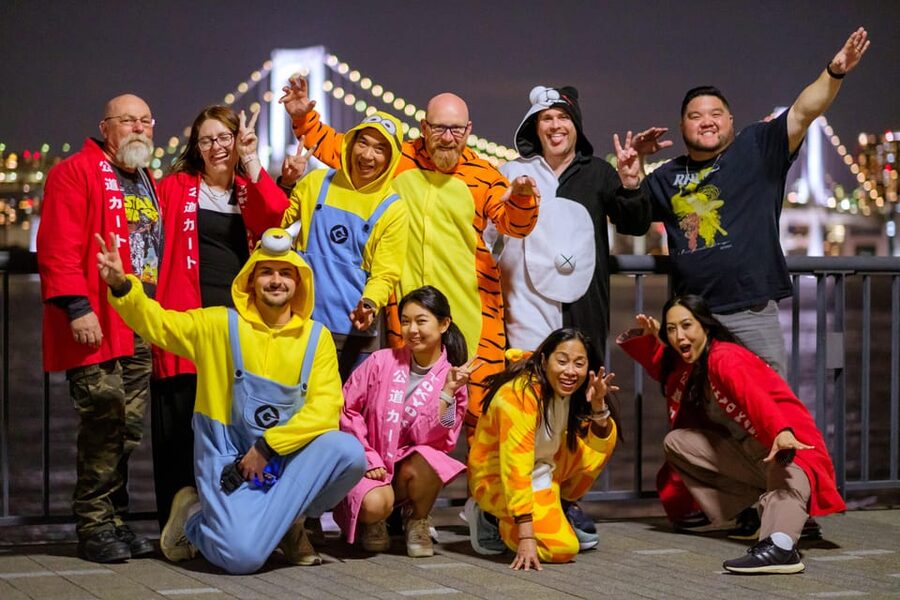
Be honest with yourself about pacing. Tokyo is busy. The ride includes plenty of stopping at lights, which can mean slower movement and more time in short clusters of motion.
Even with that, the ride stays fun because the goal is the experience of driving through Tokyo, not hitting a speed quota. A few notes mention that some open stretches happen, but they’re not guaranteed.
So if your idea of a dream day is nonstop motion, adjust your expectations. If you’re okay with stop-and-go, you’ll get the full effect, because you’re learning how Tokyo feels at road level while still getting guided support.
The Document Checklist: This Is the Part You Must Get Right
This is the non-negotiable section. If you’re missing the required paperwork, you may not be able to participate and there’s no easy fix on the day.
You must bring passport, a driving license from your country of origin, and an International Driving Permit (IDP) issued under the Geneva Convention 1949. Your IDP must be issued by an approved issuer in your home country, not an online company. It must also be in booklet form, not a paper sheet.
Important extra note: International Driving Permits issued under the Vienna Convention 1968 are not accepted in Japan. And you need the hard copy of your IDP on the day.
If your driving license is from one of these places: Switzerland, Germany, France, Taiwan, Belgium, Estonia, or Monaco, then you also need an original license plus an official Japanese translation issued by the authorized organization. Again, you also need your passport.
Read that twice. Then check it one more time the night before. This is the one reason people get turned away.
What to Bring, What Not to Wear, and the Simple Comfort Stuff
Bring your passport, your driver’s license, and your International Driving Permit.
Wear shoes you can drive in confidently. Flip-flops and sandals are not allowed. If your feet slide around, you’ll feel it quickly behind the wheel.
Also, alcohol and drugs are not allowed, and alcohol drinks in the vehicle are not allowed. This keeps it safe and keeps the ride legal.
If you tend to get cold easily, plan for it. Even in decent weather, you might feel chill from wind while moving. Staff can help with jackets in colder months, but you’re still outdoors and in motion.
Value for $122: Why This Package Adds Up
At $122 per person for a ride lasting about 2 to 3 hours, you’re paying for more than just the kart rental.
You’re also getting:
- a full safety briefing
- gas included
- costumes
- jackets during colder months
- English instruction
- small group guidance
Then there’s the hidden value: the staff do a lot of work for you, including photo and video capture. Tokyo can be pricey for professional photos. Here, you’re likely leaving with usable memories without needing a separate expense.
Is it perfect value if you want a private, custom itinerary? Probably not. But if you want a memorable, street-level Tokyo driving experience with landmark energy and photos handled for you, the math is solid.
Who Should Book This and Who Should Skip It
This is a great fit if:
- you have the correct driving documents
- you want to see Tokyo from ground level with real street energy
- you enjoy light performance vibes like costumes and group photos
- you’d rather do a guided small group plan than DIY route navigation
It’s not a great fit if:
- you’re under 18
- you hate stop-and-go traffic and want nonstop motion
- you’re not confident you can meet the IDP and translation rules
Should You Book JapanKart Through Shibuya and Shinjuku?
I’d book it if you can confidently handle the document requirements and you want one of the most unusual Tokyo experiences that still feels structured and safe. The combination of Shibuya Crossing, landmark stops, and staff support, plus costumes and photo help, makes it a strong “do this once” Tokyo activity.
I would not book it at the last minute, either. If something about your paperwork is unclear, you want time to fix it before you’re standing at the branch. And if your schedule is tight around busy traffic times, accept that you may lose some motion speed to lights.
If you want a fun, street-level Tokyo highlight with high organization and clear English help, this is one of the easiest yes decisions to make.
FAQ
What documents do I need to drive in this tour?
You need your passport, your driver’s license from your country of origin, and an International Driving Permit issued under the Geneva Convention 1949. The IDP must be issued by an approved issuer in your home country and you must bring a hard copy in booklet form. If your license is from Switzerland, Germany, France, Taiwan, Belgium, Estonia, or Monaco, you also need an official Japanese translation by the authorized organization.
How long is the experience?
It runs about 2 to 3 hours. The description also indicates there are different route formats, including a 90-minute option and a 2-hour option.
Is the instruction available in English?
Yes. The instructor and guidance are listed as English.
Where do I meet the group?
The meeting point can vary based on the option you book. The two start branches are JAPANKART Kanda Branch and JAPANKART Shinjuku Branch.
Is hotel pickup and drop-off included?
No. Hotel pickup and drop-off are not included.
What should I wear?
Sandals or flip-flops are not allowed. You should also avoid alcohol and drugs, and alcohol drinks are not allowed in the vehicle.
More Tour Reviews in Tokyo
Not for you? Here's more nearby things to do in Tokyo we have reviewed












Shibuya Tours, side by side.
 ★ 5.0Official Street Go-Kart in ShibuyaFrom $763,435 reviews
 ★ 4.9Street Kart Experience in ShibuyaFrom $741,484 reviews
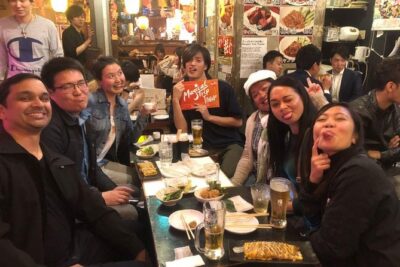 ★ 5.0Shibuya Meltdown Nightlife Tour: All-You-Can-Drink Bar HoppingFrom $1061,058 reviews
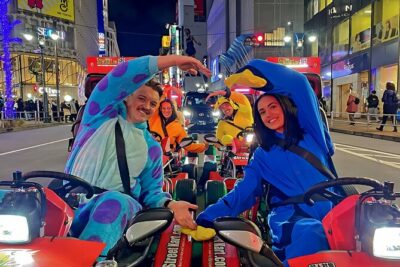 ★ 5.0Shibuya Official Street Go-Kart in Shibuya AnnexFrom $69972 reviews
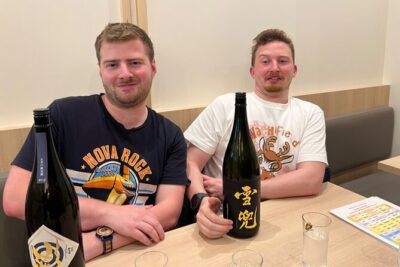 ★ 5.0Shibuya Food Tour (13 dishes and 4 Eateries)From $77770 reviews
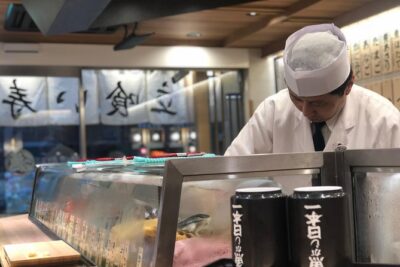 ★ 5.0Best of Shibuya Food TourFrom $217612 reviews
 ★ 4.8Shibuya Highlights Walking TourFrom $19601 reviews
 ★ 4.7Premium Go-Kart Tour with Tower & Shibuya CrossingFrom $116528 reviews
This tour also belongs to