
Review · TOKYO
Osaka: Kyoto By The Sea with Amanohashidate & Ine no Funaya
Japan’s coast steals your attention fast. This half-day style tour mixes Amanohashidate scenery with the tiny floating world of Ine no Funaya, plus temple stops and photo-friendly walking. I also like the relaxed pace, with real time at each highlight instead of a rush-through schedule.
One thing to plan for is cost creep, because key viewpoints and the Ine boat add-ons cost extra, and the day can shift a bit with traffic and weather.
Key highlights at a glance
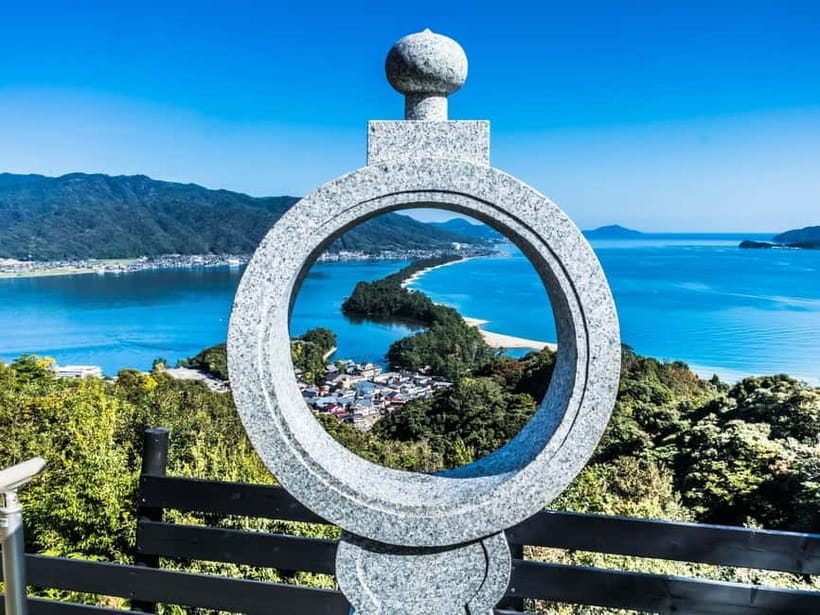
- Amanohashidate View Land with the option of chairlift or monorail and panoramic hilltop views
- Chionji Temple and its big fan-shaped fortune slips
- Amanohashidate Beach for sea air, pine path strolls, and optional bicycle time
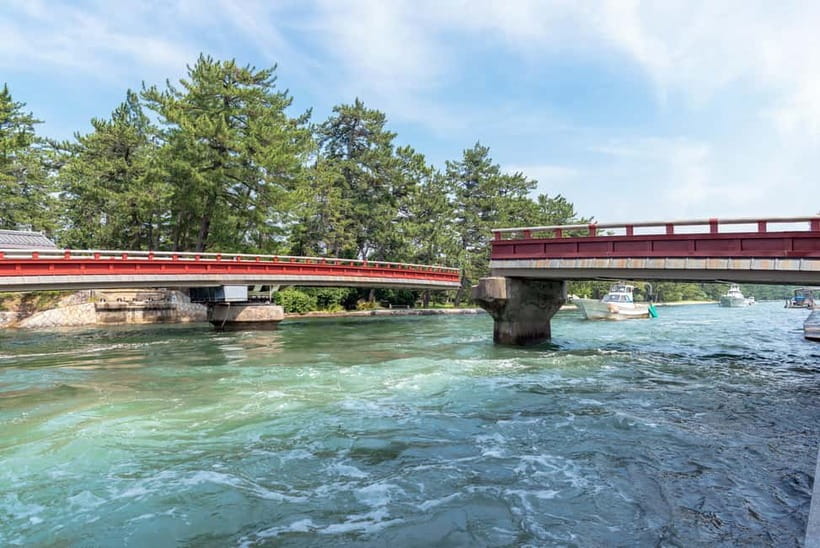
- Kaisen Bridge that rotates for passing boats
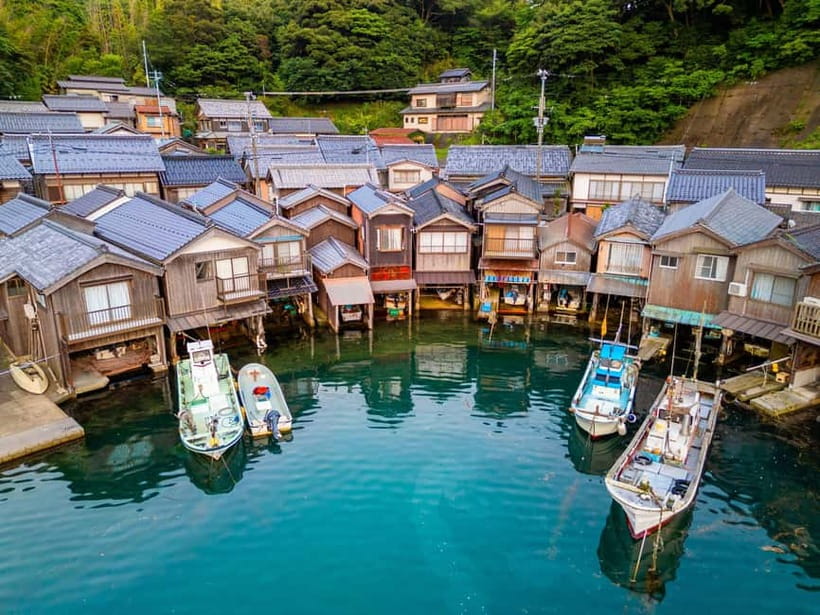
- Ine no Funaya and its over-water row of traditional funaya boat houses
- Optional sightseeing boat ride to get up close to the floating houses
Why Amanohashidate and Ine no Funaya feel like a real coastal reset
If you’ve been stuck in Osaka or Kyoto traffic and queues, this is a clean change of pace. You’re heading out to the coast where the main sights are outdoors, paced for looking, and built for photos that actually look like postcards.
I like that the route hits two very different kinds of beauty. Amanohashidate is all about the long sandbar lined with pines, and the feeling that the land becomes a bridge. Then Ine no Funaya switches gears to a quieter, more intimate fishing village mood, with structures built right over the water.
The tour also keeps things practical. You get transportation plus an English and Korean speaking guide, so you’re not stuck translating every sign while your brain is trying to enjoy the scenery.
You can also read our reviews of more tours and experiences in Tokyo.



Morning start from Tsurutontan Soemoncho, plus smart road breaks
You meet in front of Tsurutontan Soemoncho before 07:50 AM, and the day starts with an easy bus ride. There are scheduled stops along the way, including a break at Kyotamba-Ajimunosato PA for street food and a little free time.
This matters because coastal Japan days can run long if you try to squeeze everything in on your own. Here, the timing is built around the fact that people need food, bathrooms, and a chance to reset before the real sightseeing begins.
You’ll likely notice the group structure is simple. The route is set up for a coach day, so expect typical day-trip crowd flow, not private-driver pacing.
Amanohashidate: the Bridge to Heaven sandbar and its upside-down trick
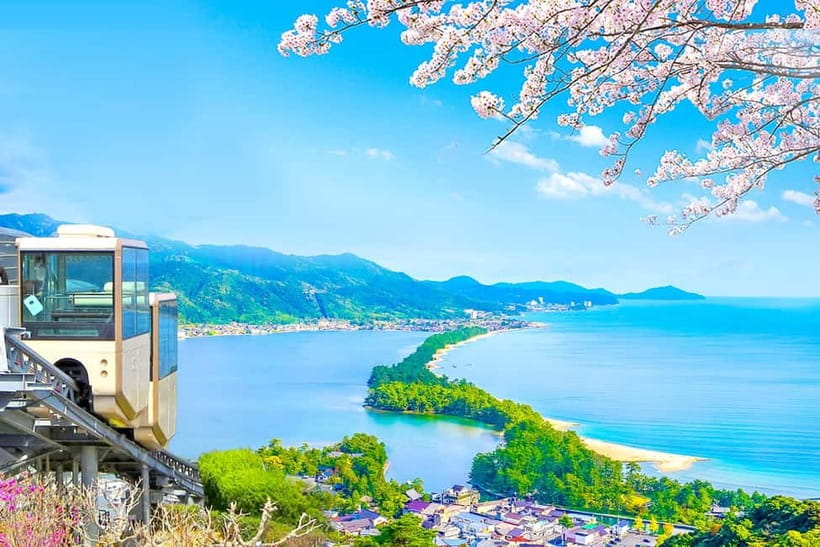
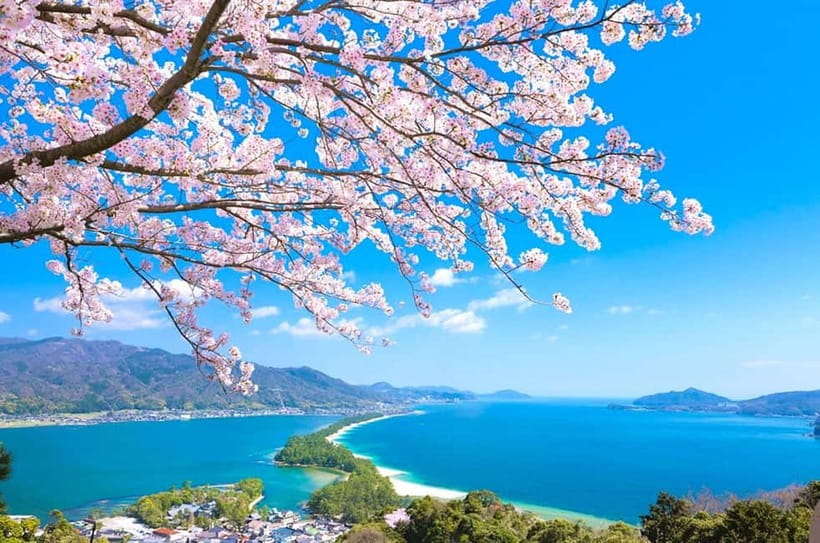
Amanohashidate is the big name for a reason. The sandbar stretches across Miyazu Bay, backed by over 5,000 pine trees, creating that famous visual line that looks like it connects heaven and earth when you see it from the right angle.
When you arrive, you’ll get photo time and then guided time to explore. The best approach is to slow down early. Walk the pine-lined views with your eyes up first, then switch to details like the curve of the sandbar and how the pines frame the bay.
A small practical note: views here can look different depending on light and weather. If the sky is bright, the water reflections pop. If it’s cloudy, the colors go softer, and the pines take center stage.
Amanohashidate View Land: optional chairlift, monorail, and the sky bicycle
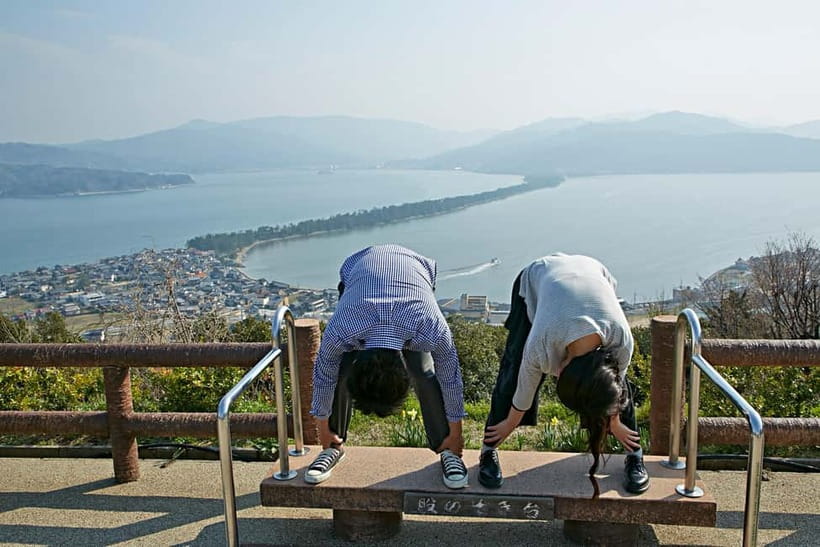
Next comes Amanohashidate View Land, mainly a scenic stop on the way, with options to climb higher. You can use the chairlift or monorail (850 yen, paid on site), then take in panoramic views from a hilltop park.
This is where the tour can become more thrilling than you’d expect. There’s the sky bicycle, a high-altitude pedal track that gives you a top-down view of the bay and the long pine corridor below.
Even if you skip the bicycle, don’t skip the higher viewpoint. It’s the quickest way to understand why Amanohashidate is listed among Japan’s top three scenic views.
Chionji Temple and the fan-shaped fortune slips
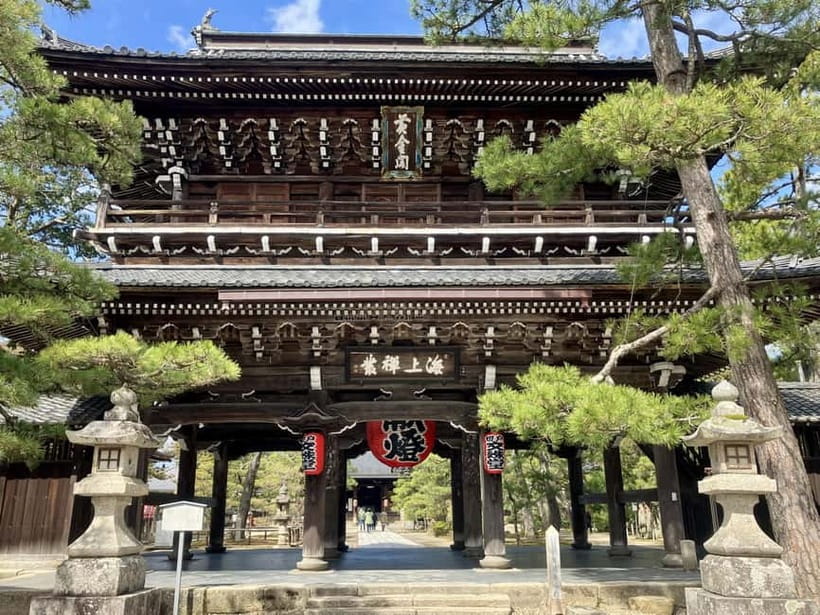
After the big view work, you shift to a calmer stop: Chionji Temple. It’s known for its large fan-shaped fortune slips, which visitors draw as part of the prayer.
This is a nice contrast because the temple adds meaning to the day. It’s not just sightseeing, it’s also a cultural ritual you can participate in with minimal effort, even if your Japanese is limited.
If you get a fortune, take a second to read it carefully before you move on. The fun part is that these slips are often about personal luck and guidance, and people tend to remember the moment they got the slip more than the exact words.


Kaisen Bridge: a rotating bridge that matters when boats pass
Then you’re at Kaisen Bridge, another Amanohashidate-area feature worth slowing down for. It’s a rotating bridge, designed to open for passing boats.
This means you’re not just looking at a structure, you’re looking at how the area still works as a living coastal zone. If boats are passing around your visit time, the bridge becomes a moving moment, and that turns a photo stop into a mini event.
Practical tip: keep your eyes on the water. Even when the bridge is the main photo subject, the boats passing through are what make it feel special.
Amanohashidate Beach: sea breeze time, pine paths, and optional bike rental
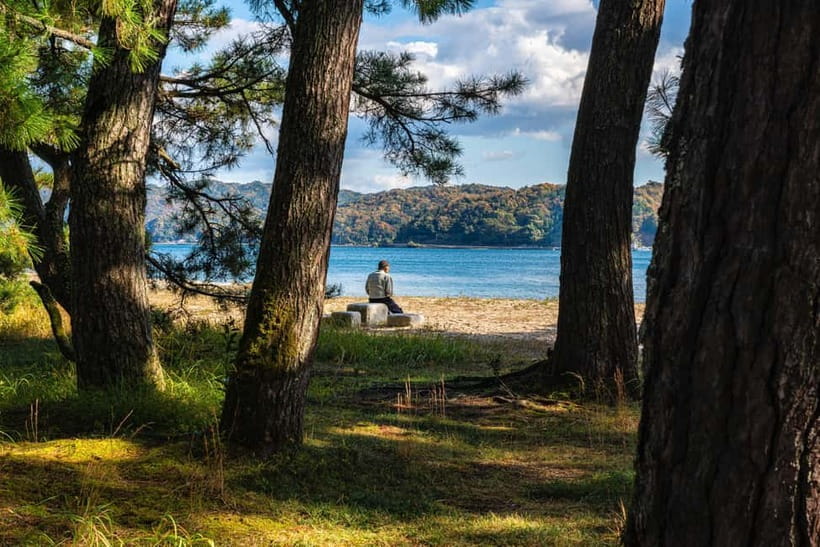
After Kaisen Bridge, the tour moves to Amanohashidate Beach. You get another break for photos and walking, with time to enjoy the sea breeze.
This is also where you can slow your pace on purpose. The beach area connects to a pine-lined path, and you may be able to rent a bicycle for a relaxed ride (rental details are on site).
If your legs are tired from viewpoint stairs, this is a good spot to match energy level with your day. You can do a short walk, or you can take a longer path and let the ocean reset your mood.
Lunch on your own: how to keep it easy without wasting time
Lunch is on your own expense. That can sound stressful, but the itinerary gives you enough free time around the main scenic stops to find something without turning it into a whole new project.
Here’s how I’d play it: pick something simple near the area you’re already in, then leave your decision time short. You want to get back to the sightseeing while you still feel fresh.
Also, if your guide offers suggestions, take them. In past departures on this route, guides have recommended cafes near Ine no Funaya, which helped people avoid hunting around right before their next walk.
Road Station Funaya no Sato Ine: the floating village feeling starts fast
Now you reach the main coastal surprise: Ine no Funaya. Your stop here includes Road Station Funaya no Sato Ine, with photo time and then free time to explore.
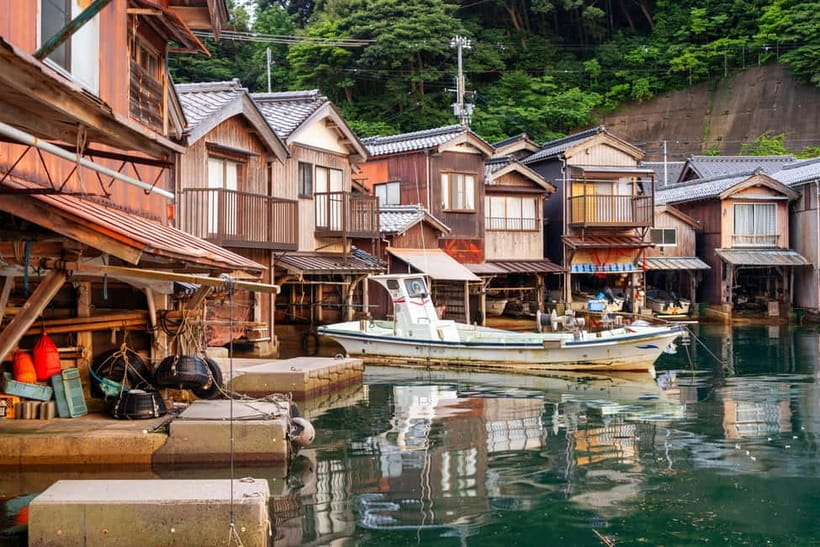
The headline feature is the over-water row of more than 200 traditional funaya boat houses. They sit over the water like a floating townscape, with boat garages on the ground floor and living spaces above.
Even if you only do a quick walk first, you’ll feel the village layout quickly. Keep an eye out for how the houses line up against the bay, and how water reflections can create a nearly double image effect.
This stop is also a good place to grab small snacks or souvenirs. Road stations in Japan are built for convenience, so you’ll usually find what you need without detours.
Ine no Funaya boat ride: best perspective for the floating houses
There’s an optional sightseeing boat ride here (1,000 yen). If you can afford the add-on, I think it’s the best way to understand the village as a system, not just a row of buildings you see from shore.
On the boat, you get closer angles on the funaya and you can see their reflections on the water. That’s the kind of photo that looks almost impossible until you’re actually there.
Some departures have even included memorable moments like feeding hawks during the boat ride, which tells you this isn’t only a slow cruise. It’s an experience with little surprises.
If you hate waiting in lines, this can still work well. Organized tours on this route tend to keep things moving, so you’re not stuck for long at every entry step.
The guides: English and Korean support, with photo help
This tour includes transportation and an English and Korean speaking guide, and that’s the difference-maker when you’re out of the city. You’re not just following a list of stops. You’re getting context for why each place looks the way it does.
In past departures on this exact route, I’ve seen guides like Yuri, Jun, and Jun Young Jo praised for being polite, organized, and helpful with timing and photos. One guest even noted getting a printed souvenir picture at the end, which is a fun bonus if your day includes a lot of group shots.
Even if you don’t get the souvenir print, the practical help is real. You can ask questions while you walk, and you’re more likely to notice the right angles because someone will point them out.
Price and value check: does 55 USD make sense?
The price listed is $55 per person, and it covers the core value: coach transportation plus a guide. You’re also getting several major stops that would cost you time and planning to string together on your own.
What’s not included is also clear: meals, and optional charges like the chairlift or monorail (850 yen) and the Ine boat ride (1,000 yen). Those add-ons can change the final total, so I’d budget for them if you like views from higher ground and the closer perspectives from water.
Still, even with add-ons, the overall value can be strong because you’re getting a guided coastal route with multiple scenic highlights in one go. For many people, that beats spending half a day figuring out transport between rural spots.
Who this tour suits, and who might want a different plan
This works best for you if you want coastal scenery without the stress of trains, transfers, and where to eat. It’s also a good fit if you enjoy outdoor photo stops, temple culture that doesn’t take hours, and a day that feels calm rather than frantic.
I’d think twice if you want maximum flexibility to change plans hour by hour. The itinerary is structured, and the schedule can adjust with traffic and weather, so you are not running your own perfect timeline.
Also, while it’s stroller-friendly, it is not wheelchair-accessible. If mobility is a concern for you, you’ll want to plan around walking and stairs.
Should you book this Osaka to Kyoto by the Sea coast trip?
Book it if you want a straightforward way to see two top coastal experiences from one area base. Amanohashidate gives you iconic views, temple time adds culture, and Ine no Funaya delivers the kind of seaside atmosphere that’s hard to reproduce in a city.
Skip it or compare options if you’re trying to travel with no extra spending at all. Between the viewpoints and the boat ride, there are optional costs that can add up.
My bottom line: if you like the idea of pine trees, sea air, temple fortune rituals, and floating fishing houses, this is a very reasonable way to get that mix in a single morning outing.
FAQ
How long is the tour?
The activity is listed as 3 hours. The schedule includes multiple bus segments, breaks, and sightseeing time, so check available times to match your day.
Where do I meet the guide?
Meet in front of Tsurutontan Soemoncho before 07:50 AM. Jtourstory staff will be there.
What’s included in the price?
The tour includes transportation and an English and Korean speaking guide.
What is not included?
Meals are not included. Also not included are optional admission fees and activity charges, travelers insurance, and other personal expenses.
Are there optional activities, and how much do they cost?
Yes. The Amanohashidate chairlift or monorail is 850 yen and the Ine no Funaya boat ride is 1,000 yen.
What languages are offered by the guide?
The guide offers Korean and English.
Is lunch included?
No. Lunch is at your own expense, with free time to find something nearby during the route.
Can I cancel, and what is the cutoff?
There is free cancellation up to 24 hours in advance for a full refund.
Is this tour stroller-friendly or wheelchair-accessible?
It is stroller-friendly if you inform the operator that you will bring one. It is not wheelchair-accessible.













