
Review · DAIKOKU & JDM CAR TOURS
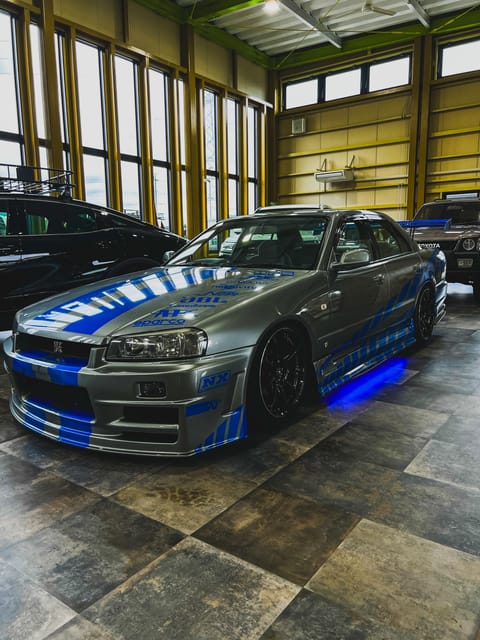
Tokyo and Daikoku by night in a Fast and Furious Skyline 34
Tokyo’s night driving feels like a movie set. This private JDM-style ride connects Rainbow Bridge views with expressway driving and the famous Daikoku scene, where the cars feel like the main characters of the evening.
I love the way it focuses on car culture and atmosphere, not sightseeing checklists. You also get guides who can tell you what you are looking at, with names like Samir, Henrique, Luigi, and Patricia popping up in stories from past nights. One thing to keep in mind: Daikoku Futo access can change. Police activity or closures can affect whether you park up the exact way you planned, and the lineup of cars and who joins the meet can vary.
Key things that make this Tokyo night drive worth it
- Rainbow Bridge plus the C1 loop gives you real Tokyo expressway energy, not just a slow cruise
- Daikoku PA time on the ground lets you see JDM icons up close, including top-tier Nissan builds
- 360-degree bay views at Umihotaru help you balance adrenaline with big skyline moments
- Guides who talk cars in English or Portuguese, with drivers like Samir and Henrique showing up in the stories
- A ride-focused night plan that typically runs about 3 hours to 210 minutes, with photo stops built in
What this Tokyo JDM night tour feels like after dark
This is not a normal city tour. It is built around the Tokyo underground car scene and the places where car culture concentrates at night. The driving route matters, but so does the vibe when you show up next to machines you only see online or in movies.
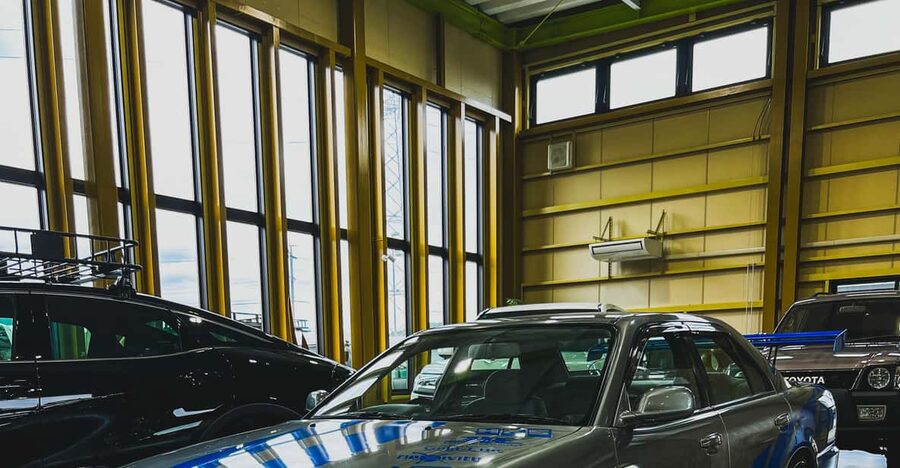
The car angle is the point. Expect talk about Japanese performance, tuning, and what makes certain builds special. You may see cars inspired by Fast & Furious: Tokyo Drift, including the Skyline R34 GT-R theme, plus other JDM favorites like RX-7, Lancer EVO, and Integra Type R. Even if you are not a hardcore gearhead, it is hard to miss the excitement when you are standing near cars that have sound, stance, and details dialed in.
Two more things you’ll notice quickly:
- The pace is designed for night views. Stops are short enough to keep the momentum, long enough for photos and actual street-level looking.
- The experience is guided but flexible. Plans can shift based on traffic and what is happening around the meets.
You can also read our reviews of more evening experiences in Tokyo
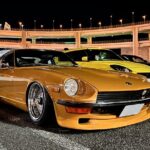
Private or small group: why the format matters on this ride
You can book this as a private option or in a small group. That is not a small detail here, because the whole night revolves around timing and access to specific spots.
With a private setup, you get more control over pickup timing and drop-off convenience. If you are coming from a major station area like Shinjuku, Tokyo Station, or Shibuya, pickup can be easier when the guide can schedule you efficiently. The drop-off location can also be coordinated back into central Tokyo areas, with one listed drop-off point being JMFビル渋谷02, 6-4 Kamiyamachō.
With a small group, you usually still get the benefits of a live guide and a plan that avoids tourist traffic patterns, but you may share the night’s attention with a few people who also want photos and car talk.
One more practical point: this is not described as a taxi or transportation service. You are paying for the car culture focus, the stops, and the guide doing the legwork to connect the right pieces of the night together.
Rainbow Bridge and the C1 loop: the drive you remember
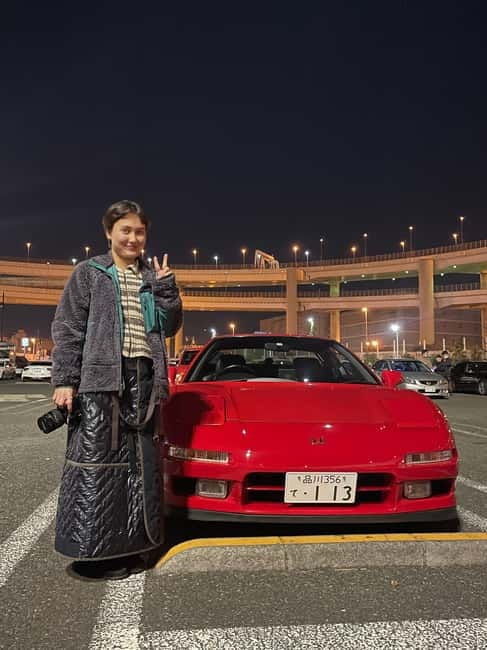
If you want a Tokyo night that feels like high-speed cinema without having to do risky driving yourself, this part is the payoff. You cross Rainbow Bridge and then navigate the C1 loop, one of Tokyo’s iconic expressway stretches tied to the city’s racing culture.
Why it matters for your trip:
- You get elevated views and big Tokyo night geometry. Bridge lighting plus bay air equals instant atmosphere.
- Expressway driving changes how you understand Tokyo. The city stops feeling like blocks and starts feeling like speed corridors and connections.
Timing is tight in a good way. The bridge and scenic driving portion is listed at about 45 minutes on the way to the next big car spot. That is enough time to settle in and take photos, then move on before the night loses its momentum.
And yes, traffic is real. One common theme from the experience stories is that Friday and weekend congestion can slow things down, especially around popular areas. When that happens, the guide’s skill and route decisions become part of your experience.
Daikoku PA: what it’s like when the best JDM shows up
Daikoku Futo Parking Area is the headline stop for a reason. It’s widely treated like a central meeting point for tuning culture, and your time there is typically listed at about 75 minutes.
Here is what you should look for when you arrive:
- The variety of Japanese cars, especially serious Nissan builds in Skyline families. Multiple accounts highlight R34s and other top-tier tuning machines.
- The differences between cars that look similar from far away. When you walk around and pay attention, you start noticing wheels, body work, lighting setups, and how owners present their cars.
- The sound and smell element. Gasoline and revving are part of the scene, and it changes the feel from viewing cars on a screen to experiencing them on the ground.
The one consideration you cannot ignore is that Daikoku access can depend on what police activity is happening that night. The plan is described as subject to police activity and possible closure. So even if you do everything “right,” you may need to adapt on the fly.
That flexibility has shown up in the experience stories: sometimes a first meet gets shut down, and the guide adjusts so you still get extra driving time and other opportunities. In other words, you are not guaranteed a perfect, frozen picture of the scene, but you are usually guaranteed a guided attempt to get you into the right atmosphere.
Umihotaru for bay views, then Tokyo Tower at night
After Daikoku, the itinerary shifts from car-spotting to Tokyo night views. Umihotaru is the listed stop for sightseeing around 30 minutes, and it is connected to the highlight of a 360-degree view of Tokyo and its bay.
This is a smart rhythm change. Car meets can be intense, and switching to a wide view lets you reset. From a photography standpoint, Umihotaru is the kind of stop where the skyline looks different depending on how you angle your camera.
Then you get another classic Tokyo nighttime moment at Tokyo Tower for about 20 minutes. It’s a shorter stop by design, but it gives you a recognizable landmark to anchor the night in your photos.
Practical tip for you: bring your charged smartphone and use it for both quick snaps and short video clips. At night, the difference between a blurry shot and a sharp one often comes down to tapping to focus and holding steady for a second.






The cars and drivers: what you might ride and see
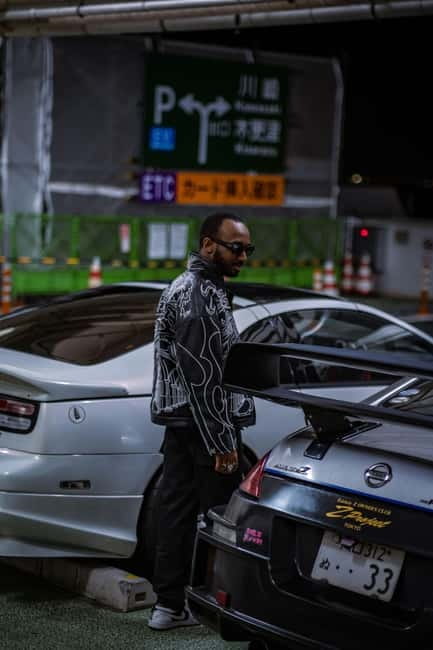
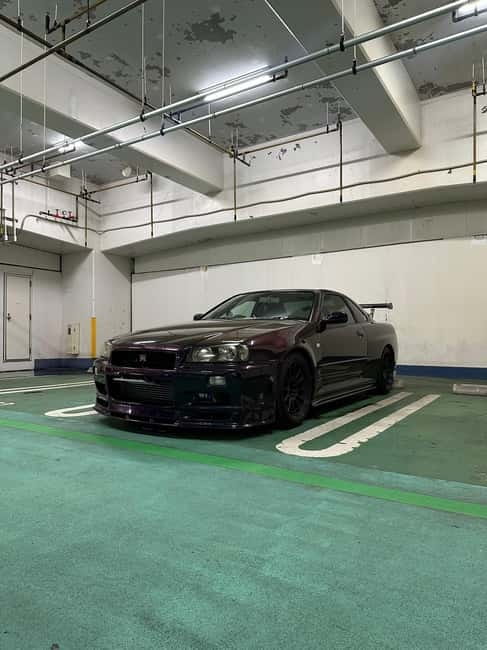
The theme here is Japanese tuning culture, so you should expect iconic models. The experience description calls out JDM legends you might see in the scene, including Skyline R34 GT-R, RX-7, Lancer EVO, and Integra Type R. The Fast and Furious connection is also part of the emotional pull for many people, especially the R34 vibe.
Your ride could be a Skyline R34 variant theme, but the exact car can vary by availability. Past accounts mention specific driver cars like:
- Samir’s orange R34
- Henrique’s Skyline R34
- Luigi’s R34
- Patricia being a guide tied to Skyline experiences
There are also stories where the ride car differed from the initial expectation, such as an EVO or an Impreza VRX S4 showing up instead. That tells you something important: the company is trying to match you with a capable driver and car for the night, but the exact lineup is not guaranteed to be one single model every time.
The bigger point is the community feel. You are not just looking at cars, you are learning how enthusiasts talk about them. Even if you do not know the difference between trims, you’ll pick up what people value: stance, drivetrain character, and the details owners have chosen to spend time on.
How long is it, and how much driving will you do?
The duration is listed as 3 hours to 210 minutes. That time window includes the bridge drive, the C1 loop navigation, the Daikoku stop, and the view stops at Umihotaru and Tokyo Tower.
In terms of distance, one account states that the driving can run over 150 to 250 km, depending on conditions. That lines up with what you’d expect from a route designed to hit expressways and multiple night anchors.
What you should do before you go:
- Wear comfortable clothes. Night driving means you may be in the car for stretches, then out for photos and walking at Daikoku.
- Keep your phone charged. This is a night with frequent picture chances.
- Don’t plan on eating heavy meals right before. You are focused on the ride and stops, not long restaurant breaks.
Also note the rules: smoking is not allowed, and you cannot bring drinks in the vehicle. That keeps the ride comfortable and consistent.
Price and value: is $180 a good deal?
At $180 per person for about 3 hours, this is not a bargain tour. It is a premium night experience. The value comes from what you get for that money, not just the car ride.
What makes the price feel more reasonable:
- You are paying for a bilingual live guide in English or Portuguese.
- You are getting access to major Tokyo night features that are harder to combine on your own, especially the Rainbow Bridge and the C1 loop driving portion.
- You get time on the ground at Daikoku PA, plus a structured plan that aims for the right atmosphere.
- The ride quality is a selling point, with a strong transport rating score and 89% giving a perfect score.
What might make it feel steep:
- Daikoku access can shift because of police activity. If the meet is disrupted that night, the value becomes more about the driving and viewpoints than the car crowd itself.
- If you only care about generic Tokyo landmarks, you might feel like you paid for something too niche.
My practical take: if you like JDM cars, movie-style Tokyo nights, and expressway views, this price can feel like it buys you a story you will still be talking about weeks later.
Who should book this Skyline R34 Tokyo night?
This works best if at least one of these is you:
- You love the JDM brands and tuning culture, especially Nissan Skyline R34 energy
- You want a guided night where the route makes sense, and the stops connect
- You like adrenaline plus big views, bridge lighting, and skyline photo ops
- You want an experience that can be fun even if not everyone in your group is a car fanatic
It also seems to work well for families and teens, based on accounts praising friendly guides and making the night feel special. Still, keep your expectations realistic: the experience includes driving, photos, and car-meet atmosphere, so you’ll want everyone to be up for a night out.
If you are very sensitive to schedule changes or closures, know that Daikoku can be affected by police activity. You are booking for a guided attempt to catch the scene, not a guaranteed parking-lot performance.
Should you book this Tokyo and Daikoku night drive?
Book it if you want Tokyo at night with engines, lights, and a real car culture anchor. This is the kind of experience that feels themed but still grounded in Tokyo’s actual underground scene, with guides like Samir, Henrique, Luigi, and Patricia mentioned often for their skill and fun attitude.
Skip or reconsider if you mainly want classic tourist sights and you are not into cars. The value here depends on how much you enjoy JDM culture, the drive, and the meet atmosphere.
If you book, go in with the right mindset: bring your camera and charged phone, dress comfortably, and plan for the night to be dynamic. When the pieces align, you get that movie-set feeling Tokyo nights are famous for, plus the Daikoku “I can’t believe I’m here” moment.
FAQ
How long is the Tokyo and Daikoku night experience?
It runs about 3 hours, listed as 3 hours to 210 minutes depending on the starting time.
What does the tour include?
You get a night tour focused on Tokyo’s underground car scene, drive across Rainbow Bridge, drive around the C1 loop, and visit popular car culture spots including Daikoku PA.
Is pickup included?
Pickup is optional. Some options include pickup and drop-off, coordinated to be convenient for locations within Tokyo’s 23 wards.
Do I go with a private group?
There are private or small group options. Availability depends on what you book.
What languages are available?
The live tour guide speaks English and Portuguese.
What should I bring?
Bring a camera, comfortable clothes, and a charged smartphone for photos.
Is smoking or drinking allowed?
Smoking is not allowed, and drinks in the vehicle are not allowed.
Is Daikoku Futo guaranteed?
Daikoku PA is listed as subject to police activity and possible closure, so access can change on the night.
Is free cancellation available?
Yes, you can cancel up to 24 hours in advance for a full refund.
More Evening Experiences in Tokyo
More Tour Reviews in Tokyo
Not for you? Here's more nearby things to do in Tokyo we have reviewed












Daikoku & JDM Car Tours, side by side.
 ★ 4.8GT-R35 800hp Club Membership – secret underground car meetFrom $205998 reviews
 ★ 4.8Daikoku JDM Car Meet & Night Car Culture TourFrom $98626 reviews
 ★ 4.8Secret Car Meet: R34 Skyline Car Club MembershipFrom $236494 reviews
 ★ 4.9EVO, WRX, Skyline – JDM Night Run to Daikoku Car MeetFrom $125478 reviews
 ★ 4.7Tokyo Drift: Daikoku PA Supreme Car Experience 大黒PAFrom $58372 reviews
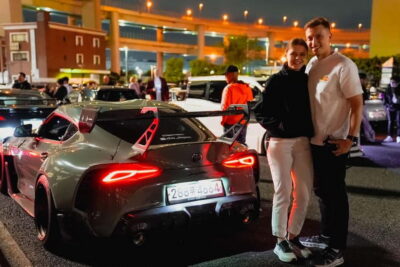 ★ 4.9Legendary JDM CAR Daikoku Underground MeetupFrom $82360 reviews
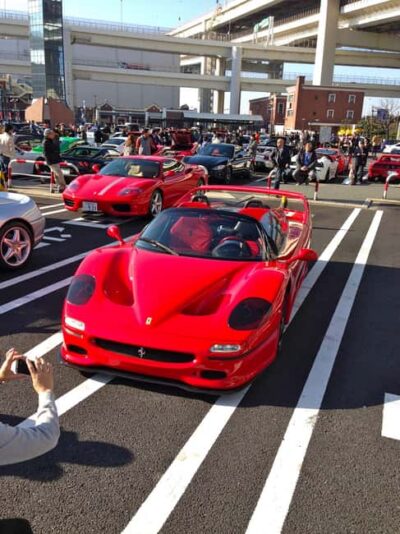 ★ 4.6Go Daikoku PA Fast & Furious 3 Sports Car MeetupFrom $49356 reviews
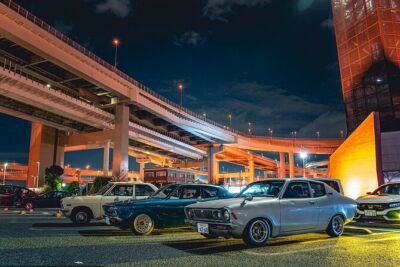 ★ 4.5Daikoku Car Club Temporary MembershipFrom $145275 reviews
This tour also belongs to