
Review · TOKYO CITY TOURS
Tokyo After 5: Authentic Japanese Food & Drink Night Tour
Tokyo after dark tastes like a secret. This 3.5-hour walking-and-subway food tour strings together real local spots in Ginza and Yurakucho, with a guide to help you read menus and order without stress. I especially like the three tastings and the two included drinks that keep the whole evening moving.
I also like that you get small-group attention (max 8 people), so questions do not get lost in the crowd. One drawback to note: the tour does not offer vegetarian, vegan, or gluten-free options, and it follows Japan’s drinking-age rule.
If you’re the type who wants Tokyo at night, not just photos, this one fits your style.
Key things to know before you go
- 3 local stops built around Japanese comfort food: wagashi, monjayaki, and yakitori
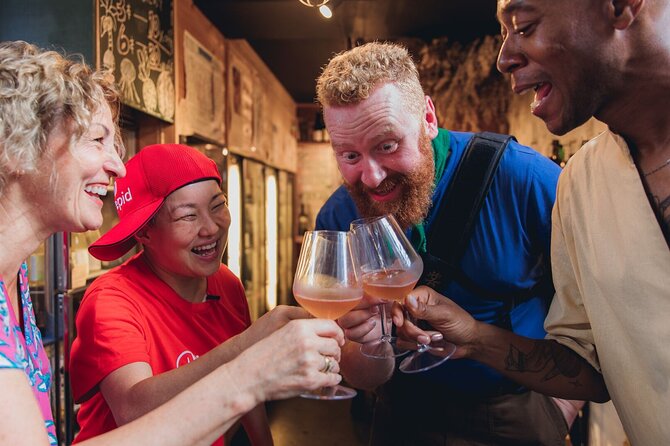
- 2 drinks included: sake or beer (or a soft drink if you are under 20)
- Night-friendly logistics: you walk moderate distances and take public transport, with 2 subway tickets included
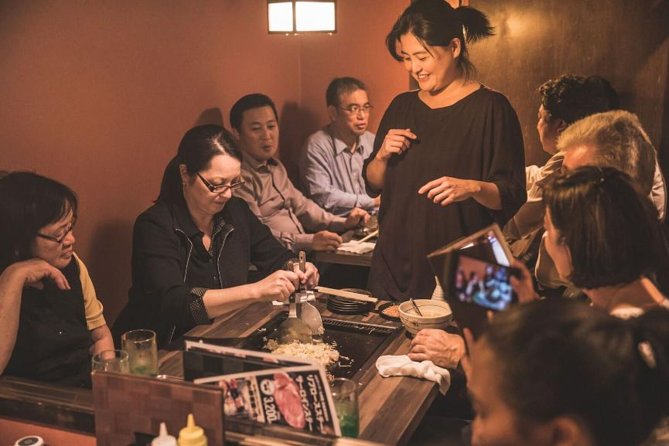
- Monja at Tsukishima: you cook and eat a pan-fried savory pancake on the grill at your table
- Yurakucho yakitori alley vibe: grilled skewers with tare sauce plus a sake moment you might remember
- Max 8 people: enough space to ask questions and actually hear your guide
Ginza to Yurakucho after 5: what this tour really feels like
This is a night tour designed for people who want to eat their way through Tokyo without getting lost. You start in central Ginza just after the late-afternoon shift, then move through a couple of Tokyo’s food-focused neighborhoods where locals go for snacks, drinks, and quick meals.
The best part is the pacing. You are not stuck on one long street with the same menu. Instead, you get a short run of “small, local, and different” experiences. That matters in Tokyo, where a lot of great food is tucked into tiny places that are hard to find if you are wandering alone.
You also get a guide who helps with the practical stuff: menu meaning, order flow, and local food customs. Guides can vary, and names like Yuko, Yuki, Mizuki, Shohei, and Rocky show up in past departures, often praised for making food feel easier to understand and enjoy.
You can also read our reviews of more food & drink experiences in Tokyo

Stop 1: Mitsukoshi Ginza, sweet buys and the after-5 kickoff
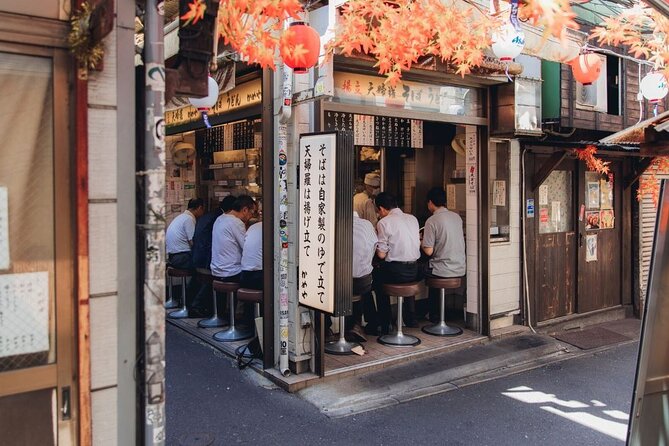
Your meeting point is at Mitsukoshi Ginza, in front of the Lion statue facing Chuo Street. You start on time, so I’d treat this like a train departure. Be there a few minutes early, especially if you are arriving from a different station.
This opening stop sets the tone: classic Ginza department-store energy, but timed for the moment the city really shifts into evening mode. You will enjoy wagashi as part of the tour tastings, and you may also get a quick moment to take in the department store area before you head out.
Why this works: starting with a small, familiar-in-structure sweet helps you warm up. Japan’s wagashi world can feel complicated at first, with seasons and styles. A guide can help you notice what you are eating beyond just the sweetness.
Practical note: department stores mean escalators, elevators, and occasional stairs. If you dislike leg fatigue, plan to bring comfortable walking shoes and keep your expectations realistic for an evening walk.
Stop 2: Ginza lights, wagashi glow, and a possible Itoya detour
After the wagashi start, you stroll through Ginza, the upmarket district known for its bright storefronts and clean streets. This part of the tour is about orientation. You get to see how the neighborhood looks after the workday and evening browsing ramps up.
There is also a chance you may stop at Itoya, a famous stationery store. Even if you do not buy anything, walking through a place like that is a quick reality check that Tokyo is not one-note. One moment you are eating a traditional snack, the next you are in a shop culture that locals treat like a destination.
The main value of this stop is momentum. You are not just standing around waiting for the next meal. You keep moving, you keep tasting, and you slowly learn the layout of the evening areas.
Stop 3: Tsukishima Monja Street, monjayaki cooked on the grill
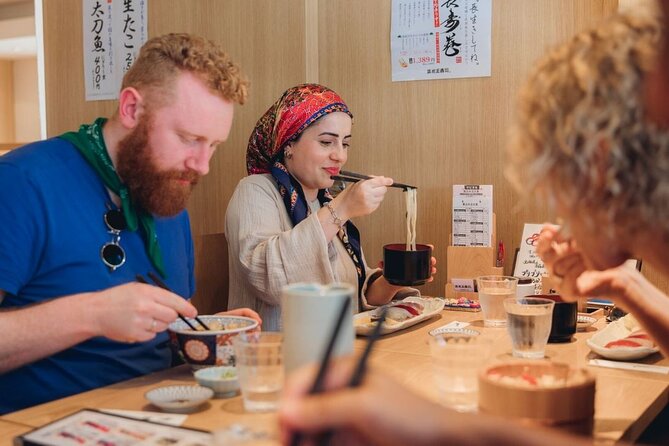
Next you take the subway to Tsukishima Monja Street, a Tokyo original known for monjayaki. This is the tour stop where the food becomes part show, part meal.
Monjayaki is a pan-fried savory pancake, and you get to cook or assemble yours around the grill. The food is known for that sizzling action and the messy, satisfying way you eat it at the table. Your guide helps translate and explains what you are seeing, including the snack’s origin and why it became such a local favorite.
What I like about this stop is the hands-on angle. Even if you are a confident eater, “watching it happen” changes your experience. You notice texture, thickness, and how people handle the toppings and sauce.
One thing to set expectations: monjayaki is not a neat, Western-style pancake. It can be cabbage-forward, with seafood options depending on what you get. If you are very sensitive to specific ingredients, ask your guide upfront before you commit to a bite.
Stop 4: Yurakucho yakitori alley, tare sauce and a sake moment
The tour wraps up in Yurakucho, finishing around the Yakitori Alley / dining alley area. Here the atmosphere shifts into the late-night rhythm: small bars, grilled smells, and groups settling in for their after-hours snack routine.
You will enjoy yakitori and you will wash it down with beer or sake (two drinks included on the tour). The big detail to understand here is the sauce. Yakitori is often finished with tare, which is why skewers can taste so different from place to place. Your guide helps you connect the flavor to the local style, so you are not just eating grilled meat and moving on.
Sake is where this stop can become memorable. In some departures, the guide may set up a fun serving moment, like a sake pour that involves a small wooden box to catch overflow, turning it into a little performance. You are not guaranteed the exact ritual, but you should expect that sake here is treated as part of the night, not just a drink to check off.
You end near Ginza Station, and the tour gives you flexibility: you can head out or linger in the area if you want to keep exploring.
More Tokyo tours and experiences for the shortlist

Price and value: is $122.33 worth it for a 3.5-hour food tour?
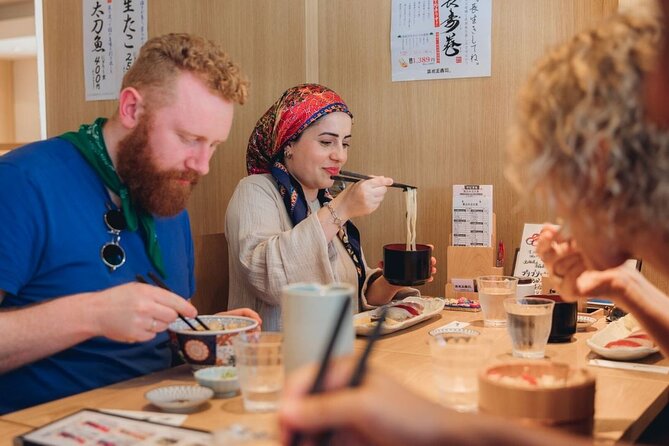
At $122.33 per person, you are paying for three tastings, two drinks, English support, and real logistics. That sounds simple, but in Tokyo the hard part is finding places that feel local and getting through ordering and menus smoothly.
Here’s what you’re getting for the money:
- Three food experiences designed around local specialties (wagashi, monjayaki, yakitori)
- Two drinks included (sake or beer, with a soft drink alternative under age 20)
- Public transport support, including 2 subway tickets
- A guide who explains customs and helps you navigate the night efficiently
- A small-group cap (max 8), which usually improves the quality of your time together
Where you might question value:
- If you expect a long “restaurant-style” sit-down meal with tons of food, this is more sampling than a full dinner.
- Dietary limits can be a dealbreaker. The tour does not offer vegetarian, vegan, or gluten-free options, so if you need strict alternatives, you could end up with less satisfaction than you hoped.
If you go in hungry, flexible, and ready to snack over a couple neighborhoods, the price starts to feel fair. If you need strict dietary planning or you want big portions, you may feel shortchanged.
What the itinerary misses on purpose: shopping time and menu gaps
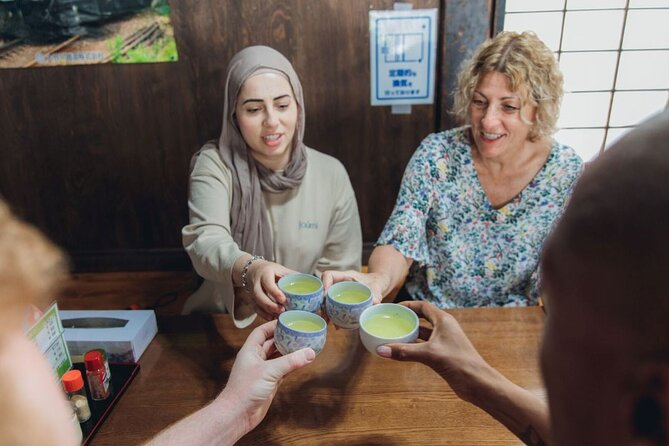
Food tours in Tokyo sometimes get misunderstood. This one is food-focused, but it also includes short neighborhood walks that can include browsing time, like Ginza department store scenes and a potential Itoya stop.
That is not automatically bad. It helps you understand where you are, and Ginza is part of the story. But it does mean you should not treat the evening like a strict three-stop meal schedule with zero walking and zero waiting.
Also note the limits around dietary needs. Because the tour visits establishments that cannot accommodate every diet, you should assume you will eat what is available and what is safest for the group’s stops.
If you have allergies or strict requirements, it’s smart to talk to the guide early and be extra clear. This is not the kind of tour that promises customized meals.
How the guides shape your evening: Yuko, Yuki, Mizuki, Shohei, Rocky
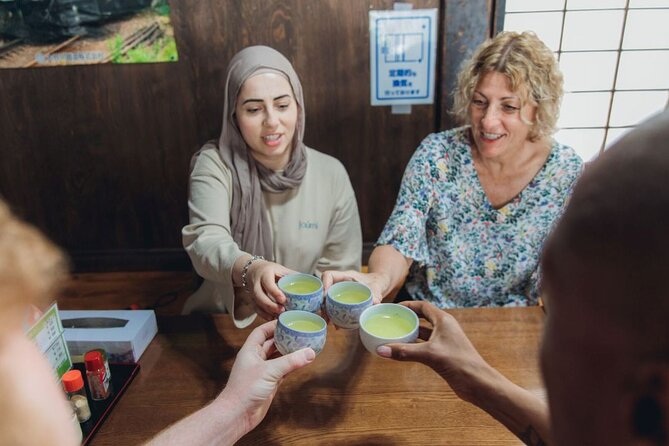
Your guide can make or break a food tour, especially when food culture and menu wording are involved. This tour is positioned as English-speaking, and many people come away happy because the guide translates menu choices and tells you what to notice.
Names that have been praised in past departures include Yuko and Yuki for guiding smoothly and explaining food details in a way that makes the dishes feel more meaningful. Mizuki and Shohei are also mentioned as friendly and fun, with good explanations that help you connect flavor to context. Rocky shows up too, with mention of a high-energy approach.
One more practical point: even with a great guide, you are still moving between small eateries and noisy alley spaces. If you want maximum clarity, keep your attention on the guide, ask quick questions, and do not rely on long speeches in crowded rooms.
Walking, timing, and subway rides: the logistics that matter
The whole tour runs about 3 hours 30 minutes. You should plan on a moderate walk and time spent in transit.
Two logistics details you should like:
- You get 2 subway tickets included, so you are not doing math on fares mid-evening.
- The tour takes you through central neighborhoods at night, so you are not spending your energy figuring out routes.
One logistics reality:
- Night tours mean stations, stairs, and quick transitions. Even if the pace is reasonable, your legs still work a bit.
- If you are carrying a heavy bag, you will feel it more. Keep your load light so you can enjoy the food instead of managing your gear.
Food expectations: wagashi, monjayaki, yakitori, and the drinks rules
Let’s translate the tasting list into real-life expectations.
- Wagashi: sweet, traditional Japanese confections. Think seasonal and delicate. You are getting a taste, not a sugar marathon.
- Monjayaki: a savory pan-fried pancake style dish, usually cabbage-forward. It is the hands-on cooking moment where you get to eat directly from the table setup.
- Yakitori: grilled skewered chicken, often finished with tare sauce. This is snack food, which means it’s fast, aromatic, and best eaten in small bites with drinks.
Drinks: you get two included drinks. Alcohol is part of the experience, but Tokyo’s legal drinking age is 20. If someone in your group is under 20, they will be served non-alcoholic drinks instead.
Also, additional drinks are available for purchase if you want to keep the night going.
Who this tour is best for (and who should skip)
This tour is a strong fit if you:
- Want real Japanese night food in a few neighborhoods instead of one restaurant
- Enjoy guided ordering, especially if your Japanese is limited
- Like eating small portions across multiple stops
- Prefer a small-group vibe
You might skip it if you:
- Need vegetarian, vegan, or gluten-free options
- Expect a full dinner with large portions at each stop
- Do not like any walking between neighborhoods or you get easily stressed by transit
Should you book Tokyo After 5?
I’d book it if your goal is a guided Tokyo evening built around three local specialties plus two drinks, all with built-in navigation help. The value is strongest when you go in hungry and treat each stop as a sampling chapter rather than a formal meal.
I would hesitate if dietary needs are strict or if you want only sit-down dining. Also, if you are extremely sensitive to ingredient types, monjayaki may not be your easiest match.
If you want a fun, practical way to taste Tokyo after 5 pm, this tour is one of the better bets in its price bracket, especially because it keeps you moving through places locals actually use.
FAQ
How long is the Tokyo After 5 night tour?
It runs for about 3 hours 30 minutes.
What is the price per person?
The price is $122.33 per person.
Where do we meet, and where does the tour end?
You start at Mitsukoshi Ginza, in front of the Lion statue facing Chuo Street. The tour ends at Ginza Station.
What food is included on the tour?
You’ll enjoy three local dishes: yakitori, monja-yaki, and wagashi.
What drinks are included?
You get two drinks included, such as sake, beer, or a soft drink.
Are public transport rides included?
Yes. You’ll take public transport during the tour, and 2 subway tickets are included.
Is there a minimum age, and are drinks served to minors?
The minimum age is 12. The legal drinking age in Tokyo is 20, so guests under 20 are served non-alcoholic drinks.
Can the tour accommodate vegetarian, vegan, or gluten-free diets?
No. Vegetarian, vegan, and gluten-free options are not available on this tour.
What happens if the weather is bad, or I need to cancel?
The tour requires good weather. If it is canceled due to poor weather, you are offered a different date or a full refund. You can cancel for a full refund up to 24 hours in advance.
More Food & Drink Experiences in Tokyo
More Tours in Tokyo




More Tour Reviews in Tokyo


Not for you? Here's more nearby things to do in Tokyo we have reviewed












Tokyo City Tours, side by side.
 ★ 5.01-Day Tokyo Bus TourFrom $12914,250 reviews
 ★ 4.5TOKYO SKYTREE® Admission ticketFrom $1311,192 reviews
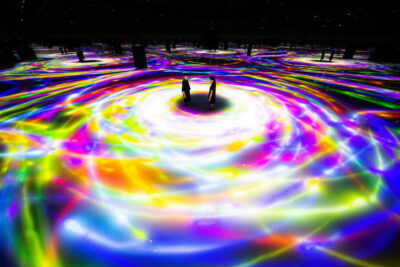 ★ 4.6teamLab Planets TOKYO Digital Art Museum Entry TicketFrom $259,779 reviews
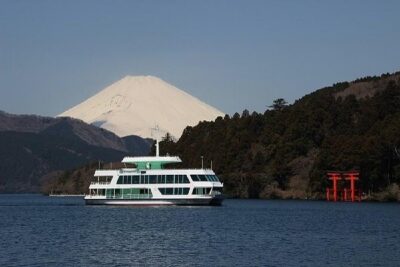 ★ 4.0Mt Fuji & Hakone Cruise, Drum Show Bullet Train 1 Day from TokyoFrom $1497,413 reviews
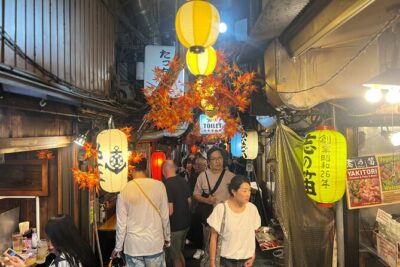 ★ 5.0Shinjuku Food Tour (13 Dishes at 4 Local Eateries)From $866,603 reviews
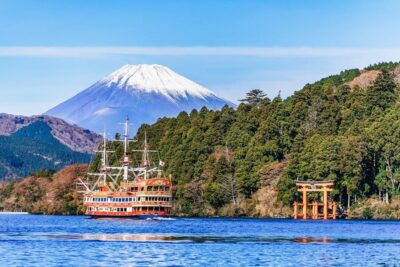 ★ 4.4Tokyo Mt Fuji 5th St & Hakone Cruise Bus Tour w/Bullet TrainFrom $1545,024 reviews
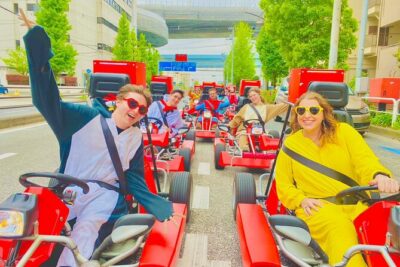 ★ 5.0Flagship 2-Hours Official Street Go-Kart Tour – Tokyo Bay ShopFrom $644,974 reviews
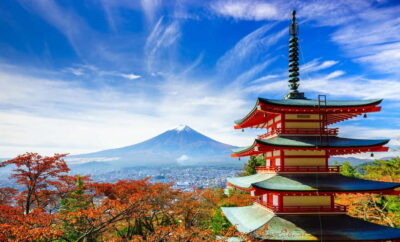 ★ 4.5From Tokyo: Mount Fuji Full-Day Sightseeing TripFrom $684,970 reviews
This tour also belongs to