
Review · ASAKUSA TOURS
Tokyo Asakusa : Samurai School, Become a Samurai Warrior
Sword lessons in Tokyo, with a costume included. I love the costume-and-photo session part, and I also like the bow, draw, and strike coaching that makes everything feel structured, not random. One heads up, the dojo can sometimes be temporarily moved since the Asakusa location may be unavailable.
You’ll train close to Tokyo Skytree in Asakusa, but the real draw is the training pedigree. The instruction comes from a master with 25 years of samurai action experience, and you’ll be taught with the same kind of performance focus used for film work, including direct training connected to the choreographer behind the movie Kill Bill.
This is active and on-your-feet learning with practice swords and a safe, choreographed feel. If you’re pregnant or you have back problems, this isn’t listed as suitable, so it’s worth planning something gentler in Tokyo instead.
Key Highlights Worth Prioritizing
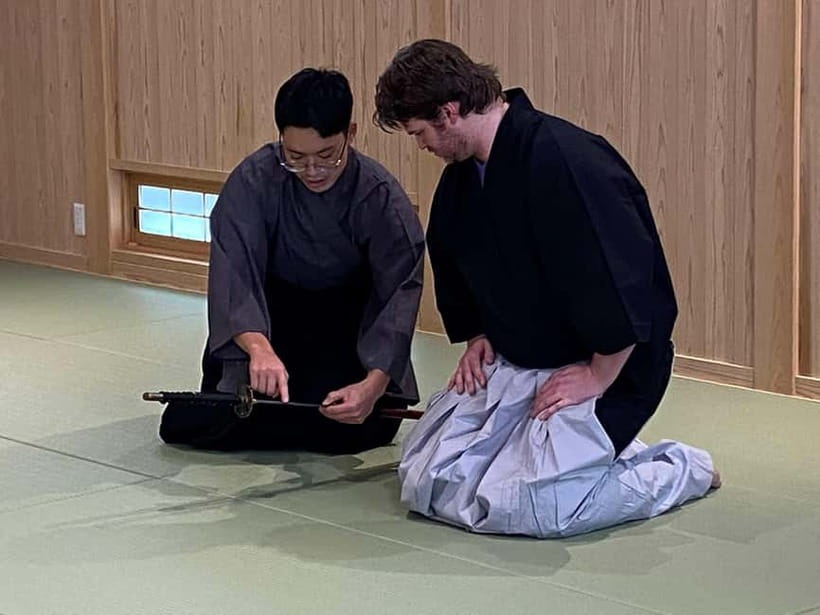
- Costume first, calm confidence second, you dress as a samurai on arrival and stay in character for photos and practice
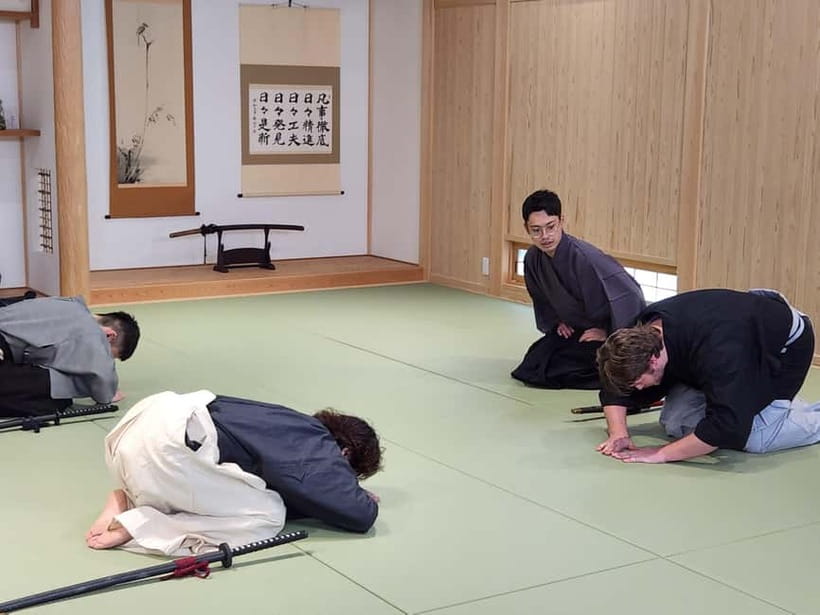
- Bow, respect, and sword basics, you learn how to show respect with the blade before you start striking
- Stylized swordplay with a stunt-performer approach, stances and strikes are taught in an easy-to-follow workshop format
- Camera work and acting moments, you practice the look and timing for photo or video with the master
- Commemorative photo, video, and a completion certificate, so you leave with more than just a memory
- Small group format (up to 6), which helps you get attention without feeling rushed
Becoming a Samurai Near Tokyo Skytree
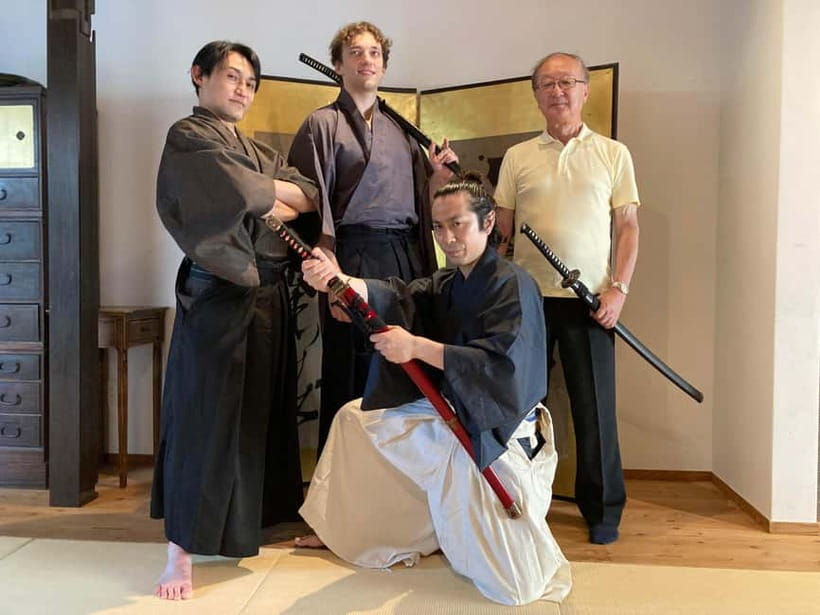
Asakusa is where Tokyo shows off its old-meets-new personality, and this class keeps you grounded in the real neighborhood, not a remote studio. The dojo is described as being near Tokyo Skytree, which means you can pair the experience with easy sightseeing before or after, especially if you’re already doing Asakusa streets and temples.
What I like is that you are not just watching a demonstration. You join in right away, dressing in a traditional samurai costume when you arrive. That matters, because it flips the mental switch from spectator mode to participation mode. Even if your Japanese is limited, the class is built to teach through guidance, clear cues, and an English-speaking interpreter.
You also get the performance layer. The master is described as having 25 years of samurai action experience, and the training background includes direct work with the choreographer of Kill Bill. That doesn’t mean you’ll reenact movie scenes start to finish, but you can expect the lessons to focus on timing, posture, and the kind of clean, readable movement that looks good in photos and video.
One more practical point: the session venue may change temporarily if the Asakusa dojo is unavailable. You’ll meet in front of the dojo at the provided location details, so when you’re heading over, confirm you’re going to the correct address for your time slot.
You can also read our reviews of more tours and experiences in Tokyo.



Your 90 Minutes, Broken Into Real Steps
This runs about 90 minutes, and it’s paced so you don’t feel stuck waiting. The flow is simple: costume, instruction, practice, a safe set-piece, then photos and a certificate.
1) Arrival and costume up
When you arrive at the dojo, you’ll get into samurai attire. You’ll do this before the lesson really begins, so you spend the rest of the experience as a character, not a visitor holding a costume bag.
For a lot of people, this is the emotional high point. A parent who booked for a 10-year-old loved that the kid’s favorite part was choosing the samurai outfit and stepping into the role immediately. That’s not just fun, it also makes the rest of the workshop easier, because your body is already in the right mindset.
2) Samurai culture basics: bowing and respect
You start with how to bow and the basics of showing respect with the sword. This is more than a ceremonial warm-up. You’ll learn how to present yourself toward your master and how to position the blade respectfully toward an opponent, even in a controlled setting.
This is a smart way to teach beginners. You learn the “why” and the “how” before you learn the “look.” It also helps keep everyone aligned, especially in a small group.
3) Learn to draw and strike, stylized but readable
Next comes the heart of the class: sword stances, strikes, and movements. You’ll learn how to draw your sword and how to execute stylized movements based on samurai swordplay.
The focus here is on fundamentals that photograph well, and that is exactly why this is a good Tokyo activity even if you’re not into martial arts. You’re not trying to spar your way to mastery. You’re learning movement mechanics and a performance-friendly sequence with guided coaching.



4) Pick your practice sword and train with it
During the swordplay workshop, you choose a sword from many options. Then you practice under a professional stunt performer’s guidance, using practice swords.
Choosing the sword is part of the experience design. It gives you agency, and it helps you feel ownership in the class. If you’re thinking about this for kids or first-timers, that matters because the activity stays playful while still being structured.
5) Optional choreographed battle, performed safely
There is also a choreographed sword fight component. It’s described as optional in the workshop section, and it’s designed for a safe, controlled environment.
Even if you skip or adjust this part, you still get the core lessons plus the costume and media moments. If you do participate, you’ll put what you learned into a short set-piece that feels exciting but doesn’t turn into uncontrolled contact.
6) Finish with photos, video, and a certificate
At the end, you’ll get commemorative photos. You can also capture your own Samurai video or photo with the master. Then you collect a completion certificate.
This is the kind of souvenir you can actually use later. The certificate becomes proof of doing something, not just a ticket stub. And because you’re photographed in costume, you get a memory that looks like Tokyo culture, not generic travel snaps.
Training With a Master, and Why Performance Matters
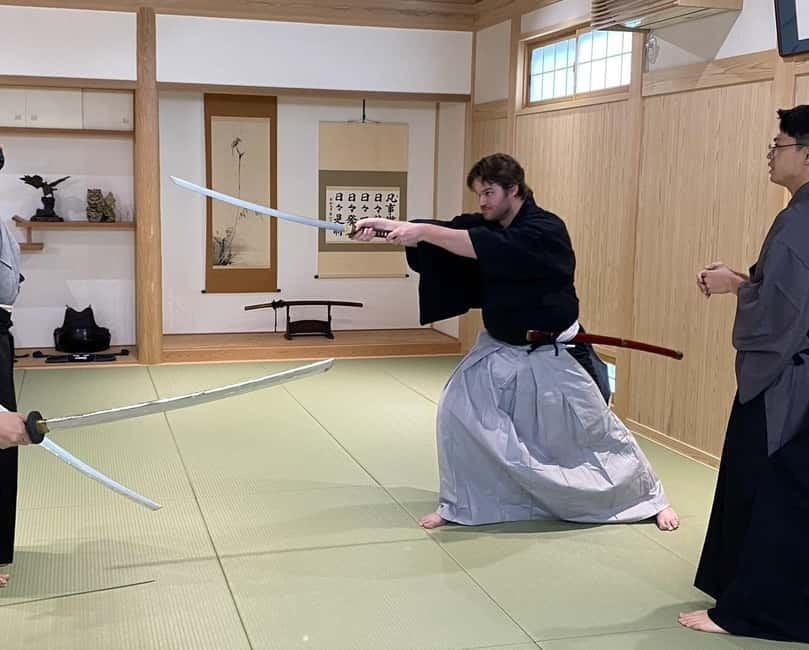
This class is built around technique, but it doesn’t ignore the camera. That’s a big deal in Tokyo, because many experiences teach basics. Fewer teach how to translate those basics into something you can take home and show.
You’ll notice this in three ways.
First, the teaching is about clean shapes: stances, strikes, and how to move the blade with intention. Second, you’re guided toward respecting your opponent, which keeps the movements grounded and disciplined instead of wild. Third, you get cues for camera work and timing.
One reviewer highlighted that they learned not just poses and moves, but also acting and camera work, and they came away with great pictures and videos. That lines up with how the class is described, including the chance to capture your own video or photo with the master.
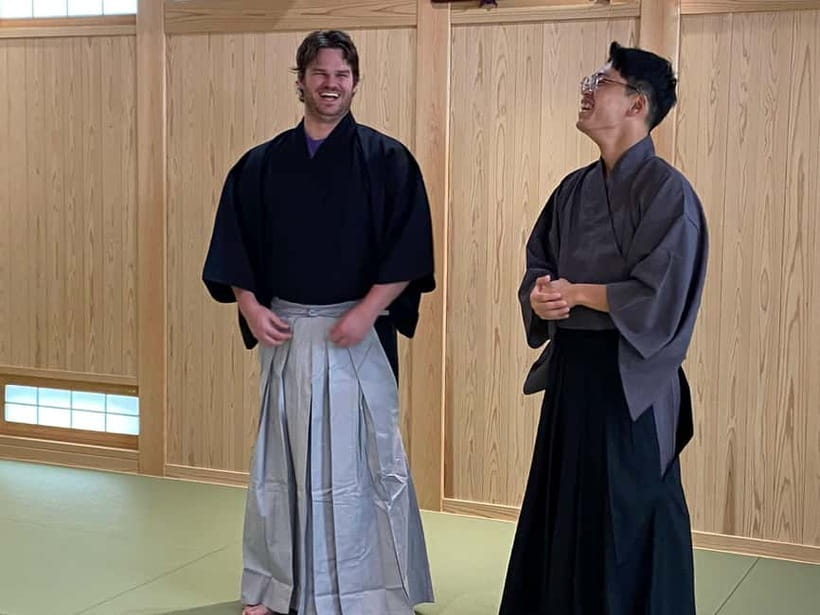
Also, because the master and their team are used to performance, the group dynamics are smoother than you might expect. With a small group capped around six participants, you’re more likely to get direct feedback instead of standing back waiting for turns.
What You Actually Learn: Bowing, Drawing, Striking
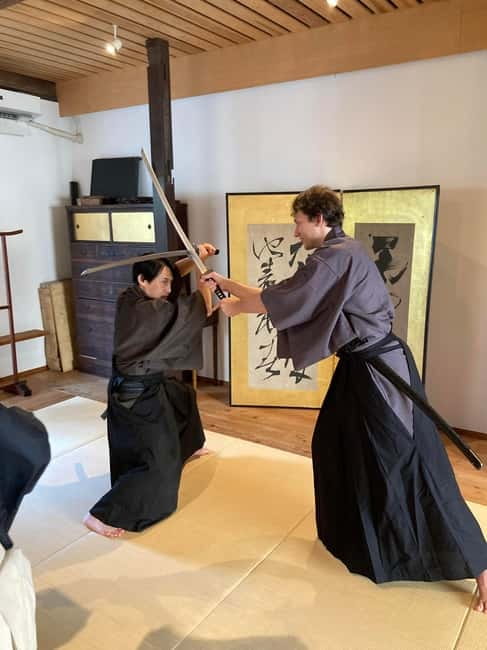
The stated learning outcomes are specific, and that’s what makes the value feel real. You’re not paying to stand in a doorway while someone tells a story. You’re paying to practice.
Here’s what you can reasonably expect to be taught:
- fundamental stances, strikes, and movements that define swordsmanship
- how to show respect to your opponent with the sword
- how to draw your sword in a stylized, guided way
- how to perform the movements as a sequence, so they look intentional
- a short choreographed battle option in a safe environment
That “respect” piece is the surprise for many first-timers. People come expecting dramatic sword slashes. Instead, you’re guided into a more respectful, ritual approach first. It’s a small lesson, but it changes how you carry the blade and how you understand what you’re doing.
And because the movements are stylized, you don’t need martial arts experience. You do need willingness. You need to stand up, follow cues, and repeat steps until your body “gets the picture.”
Media Moments: Your Samurai Video and Costume Photos
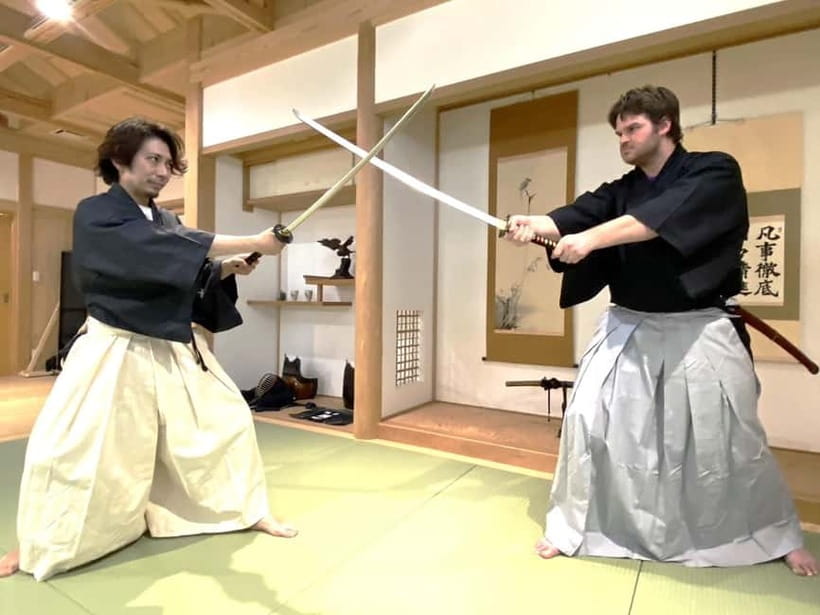
If you care about photos and you hate spending half a day hunting for the right picture, this is a practical fix. The class includes a photo session, and you can capture your own video or photo with the master. You also get a commemorative shot at the end.
This part is built into the schedule, not tacked on. That means you’re not scrambling at the end while everyone is tired and the lighting is wrong. You’re also in costume for the entire experience window, which keeps photos from feeling like two separate events.
The costume experience itself is another reason people love it. One family booked for a son and an adult, and the child’s favorite parts were picking the outfit and the recorded scene. That’s a strong sign that the experience is engaging for first-timers who want fun, role-playing, and a keepsake, all in one.
Price and Value: Is $90 Fair for Tokyo?
At about $90 per person for a 90-minute experience, this sits in the middle of the range for hands-on cultural activities in Tokyo. What pushes it toward good value is what’s included.
You get:
- an English-speaking interpreter
- a photo shoot
- samurai costumes
- practice swords
- a completion certificate
If you’ve ever tried to recreate this with a random studio session, a private instructor, and photo time, the cost tends to climb quickly. Here, the class is already structured with materials and photo time built in. You’re also getting a master-level instruction setup with stunt performer guidance, which usually costs more when purchased separately.
The tradeoff is that it’s a short session. You’re not becoming a swordsman. You’re learning fundamentals and performing a safe, stylized sequence in a single afternoon-sized block. If that matches your goal, you’ll feel like you got your money’s worth.
Location and Getting There Without Stress
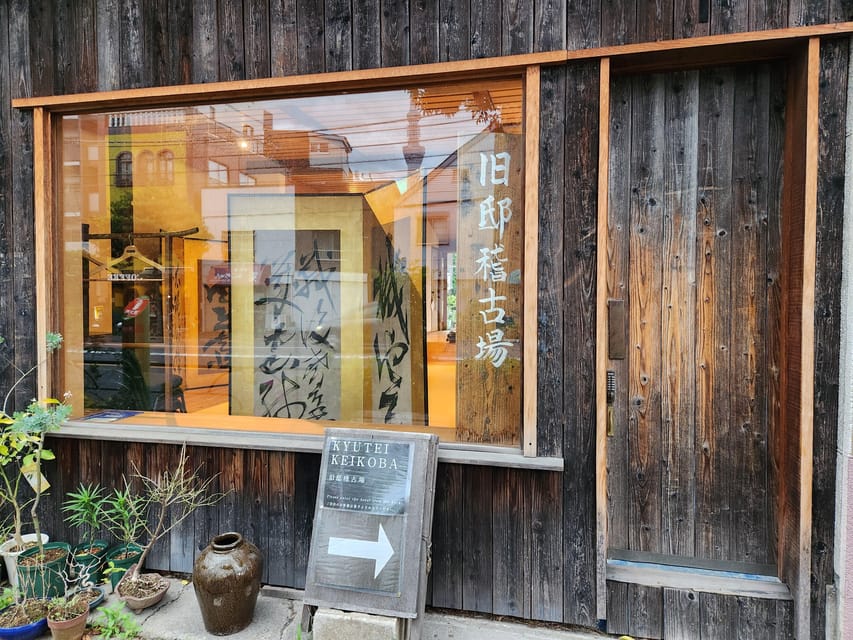
You’ll meet at 4-6-2 Shimo, Kita City, Tokyo 115-0042, Japan, in front of the dojo called 颯志館 (Soushi-Kan). The nearest station is Shimo Station on the Namboku Line, about a 6-minute walk from Exit 2.
Here’s the practical tip: arrive a bit early, because Maps can send you to the wrong side of the street and you might need a quick correction. One booking experience included a minor navigation hiccup, and being early helped fix it fast.
Also, since the Asakusa dojo can be temporarily unavailable, make sure the address you plan around matches your confirmed session time. The experience notes that sessions may temporarily be held at a different dojo when needed, so don’t just assume it’s always the Asakusa location.
What to Bring, What to Skip, and What to Wear
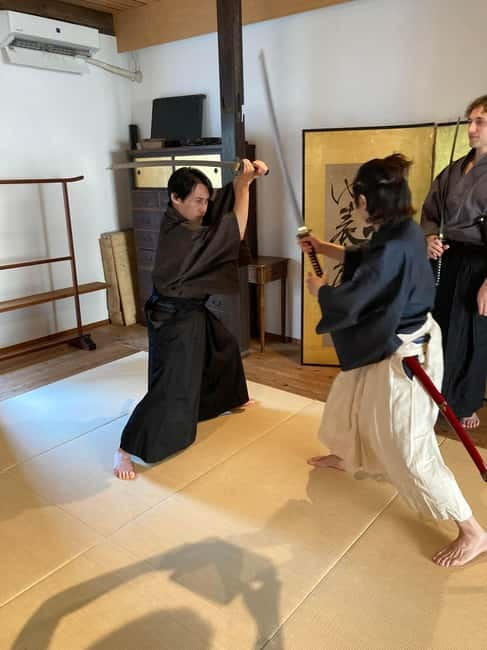
For this class, you’re working with costumes and practice gear, so your personal items matter for comfort.
Bring:
- a towel
- water
- a t-shirt
If you’re unsure, plan to wear something simple and breathable under layers you can remove later. The workshop format suggests you’ll be moving, bowing, and repeating motions, so comfort helps.
You should not bring:
- smoking or food is not allowed
One more real-world note: if you can’t prepare the items the day of the event, the operator says you can contact them, and alternatives can be provided. That’s helpful if you forget something in the morning rush.
Who Should Book, and Who Should Skip It
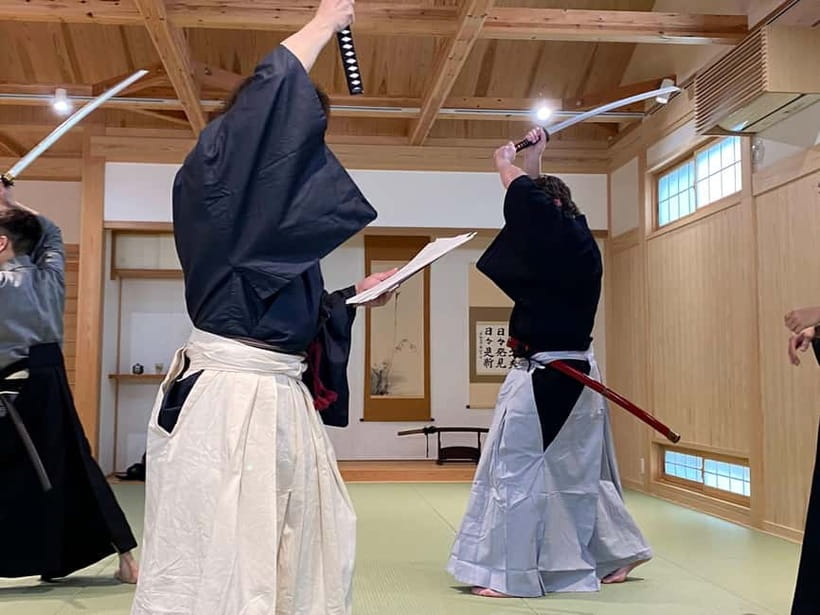
This activity is best for people who want a hands-on cultural experience with a strong performance angle. It’s a good choice for:
- first-timers who want to learn basics without prior martial arts experience
- families looking for an engaging, structured role-playing activity with photos
- couples or friends who want a shared Tokyo memory that looks like you actually did something
It may not be ideal if you:
- are pregnant
- have back problems
Wheelchair access is listed, which is encouraging. Just remember this is still a physical movement class, so you’ll want to consider your comfort with standing and performing sword movement cues.
Should You Book This Samurai Warrior Lesson in Asakusa?
Book it if you want a fun, structured way to experience samurai culture with real participation. The costume, the respect-focused bowing lesson, and the fact you can get your own video or photo with the master are the big reasons this works. It’s not only educational, it’s made to produce keepsakes.
Skip or switch plans if you need low physical effort, or if you’re dealing with pregnancy or back issues. Also consider it if you want deep historical context. This is focused on the art and performance elements you can practice in 90 minutes, not a long museum-style explanation.
If you’re in Asakusa anyway, this is one of those “do it while you’re here” activities. You’ll walk away with a certificate, photos that look like Tokyo, and movement basics you can actually remember.
FAQ
How long is the Tokyo Asakusa Samurai School experience?
It lasts about 90 minutes.
What is the price per person?
The price is listed as $90 per person.
How many people are in the group?
The group is small, limited to 6 participants.
Where do I meet for the class?
Meet in front of the dojo at 4-6-2 Shimo, Kita City, Tokyo 115-0042, Japan (颯志館, Soushi-Kan). The nearest station is Shimo Station on the Namboku Line, about a 6-minute walk from Exit 2.
What languages are supported during the lesson?
The instructor is listed as English and Japanese, and there is also a friendly English-speaking interpreter.
What should I bring?
Bring a towel, water, and a t-shirt.
Is it wheelchair accessible, and is it suitable for back problems?
Wheelchair accessibility is listed. It is not suitable for people with back problems, and it is also not suitable for pregnant women.
More Tour Reviews in Tokyo
Not for you? Here's more nearby things to do in Tokyo we have reviewed












Asakusa Tours, side by side.
 ★ 4.8Japanese Dance Cabaret Theater Asakusa-Kaguwa TicketFrom $492,270 reviews
 ★ 4.7Meiji Shrine, Asakusa, Skytree Bus Tour and CruiseFrom $1221,986 reviews
 ★ 4.9Roll and Authentic Sushi Making Class in AsakusaFrom $581,957 reviews
 ★ 4.8Asakusa Walking Tour with Sensoji Temple VisitFrom $221,583 reviews
 ★ 5.0Tokyo Asakusa Rickshaw TourFrom $421,375 reviews
 ★ 4.5Tokyo Panoramic 1 Day: Meiji Shrine, Asakusa, Odaiba and SKYTREE®From $851,222 reviews
 ★ 5.0Tokyo Go Kart: Asakusa, Skytree, and Akihabara **IDP MUST**From $99988 reviews
 ★ 4.7Asakusa, Skytree & Akhihabara Go-Kart City ExperienceFrom $96761 reviews
This tour also belongs to