
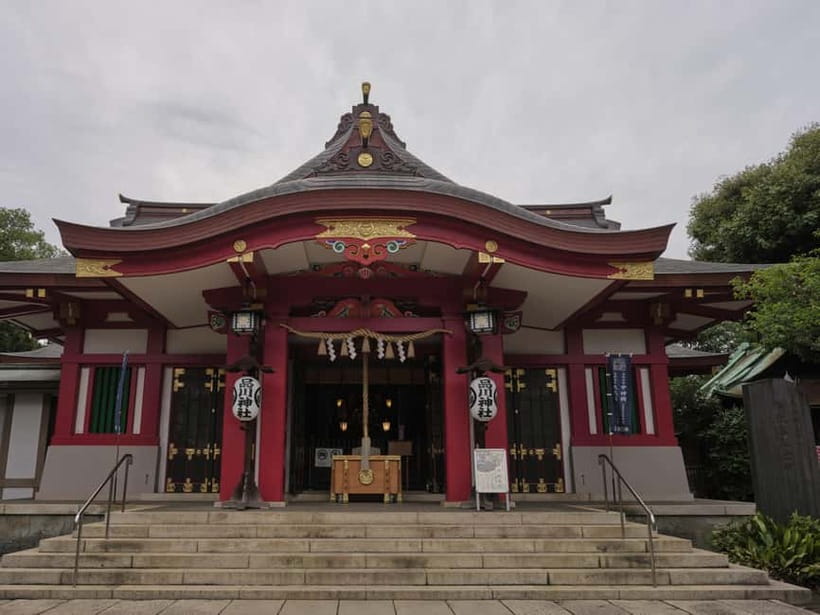
Review · TOKYO CITY TOURS
Tokyo: Calligraphy Experience with yukata or Samue
Ink turns your day quiet. This Tokyo calligraphy class is a hands-on way to learn brush technique and the meaning behind kanji, with real instruction from a pro. The one catch is simple: you need clothes that can handle a little mess.
What I like most is how much practice you get for 90 minutes, not just watching. I also like the cultural framing, you learn why these characters matter beyond the shape on paper. One consideration: if you want fancy sightseeing before or after, this is more about skill-building and focus than wandering.
Key Points You Should Know Before You Go
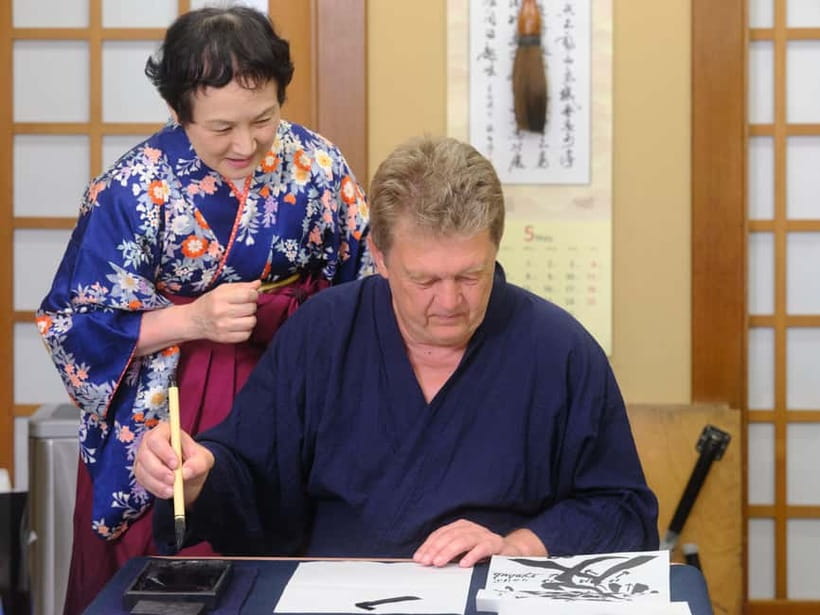
- Professional calligraphers teach you stroke basics step by step
- You practice with brush and paper, then create your own final piece
- Personal touches can happen, including having your name written into the artwork
- You get a short tea break, which keeps the mood calm and unhurried
- Small group size (up to 10) means less waiting and more hands-on time
Why This Tokyo Calligraphy Class Feels Practical, Not Performative
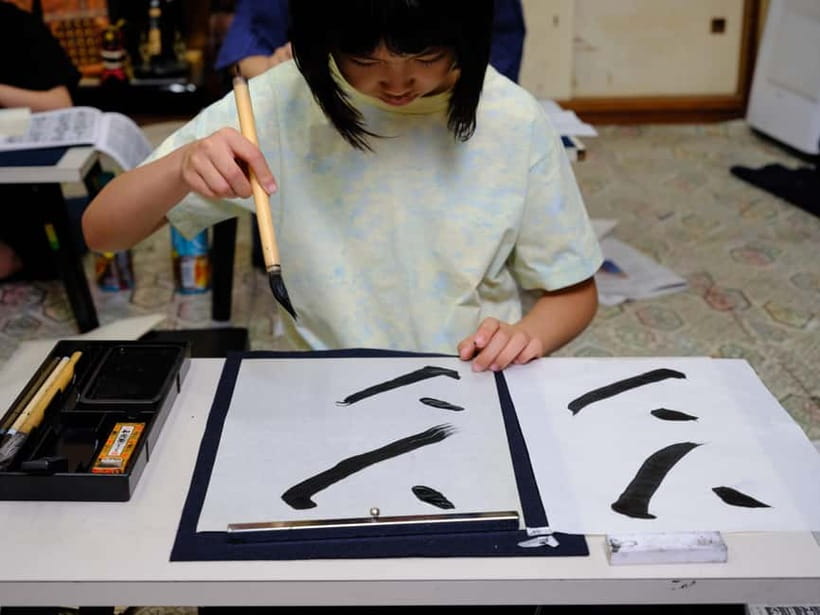
A calligraphy class can be either showy or useful. This one leans useful. In 90 minutes, you learn the basics of Japanese classical calligraphy, then you actually write, with tools provided and guidance in real time.
Two things make it work especially well. First, you are not stuck at a desk trying to copy symbols from a distance. You handle the brush, learn how to hold and move it, and build control through repetition. Second, the teaching includes why the characters carry meaning, including spirituality and history tied to the characters. That context turns the strokes from decoration into something that connects to Japanese culture.
The group stays small, limited to 10 participants, so you are not competing for attention. And yes, it is still relaxed, with Japanese tea part of the session.
You can also read our reviews of more tours and experiences in Tokyo.



The 90-Minute Flow, Step by Step
This class is built for short focus. It is 90 minutes, so you will do a real progression, not a long lecture.
You start by meeting in Tokyo at a spot that is easy to describe on foot: next to a nursery and next to 海德寺 (Haideraji). From there, the session moves into preparation, with the chance to wear a yukata or samue at the beginning. Several participants mentioned dressing up in kimono-style clothing and samue, which helps the whole thing feel ceremonial without being stiff.
After you settle in, the instructor starts with the fundamentals. Expect step-by-step guidance on tracing lines, using the brush correctly, and learning how to write at least one character, commonly a kanji. You get practice before the final piece.
Then you produce a finished calligraphy work that you take home. Most classes end with a final output you can keep, and this one does exactly that, including the included tools and your completed artwork. The tea pause at the beginning or during the session adds a nice break, and it keeps the lesson from feeling rushed.
Dressing in Yukata or Samue: Small Detail, Big Payoff
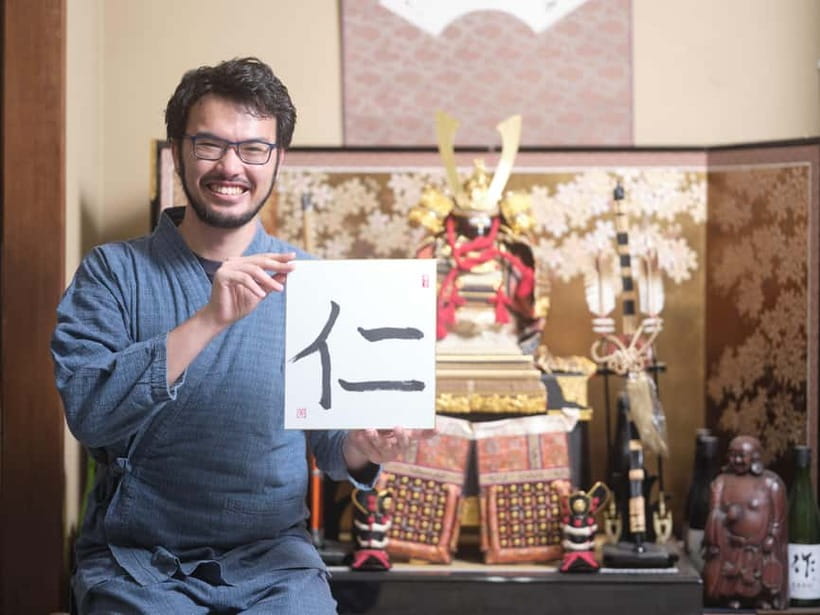
Wearing traditional clothing is not just a photo op here. It nudges your posture, slows your movements, and makes you pay attention to the physical basics of writing.
If you are new to Japanese calligraphy, that matters. Brushwork is more about movement than staring at a model. When you dress for it, you tend to sit more upright and hold still long enough to learn how a stroke begins and ends.
Several people also noted the warm welcome, with tea and small snacks around the start. That tone helps you relax, especially if you are nervous about making mistakes. Ink is unforgiving, but the atmosphere here is not.
Stroke Basics: What You Actually Learn
This experience is built around the actual mechanics of calligraphy. You learn the basics of Japanese classical calligraphy from professional calligraphers, not just a general teacher.
Here is what the instruction typically centers on:
- How to trace and control line direction
- How to use the brush properly (pressure, angle, and timing)
- How to write a kanji with guidance on structure
You will also get time to practice before your final piece. That practice step is key. In many short workshops, you only do one attempt. Here, you build muscle memory just enough to make the final outcome look intentional.
Also, because tools are included, you do not have to guess what to bring or worry about buying supplies you will never use again. You are simply there to learn the movement and produce something you can keep.
The Meaning Behind the Characters, Not Just the Shape
Japanese calligraphy is not only about how a character looks. It is about the discipline behind it. This class explains the spirituality and history connected with the characters, so you understand why the strokes matter.
That cultural layer changes how you see your own work. Instead of thinking, I wrote a symbol, you start thinking, I followed a form with meaning. Even if you do not speak Japanese, the teaching makes the message about character significance clear.
You do not need a background in Buddhism, Shinto, or classical literature to appreciate it. The instructor’s job is to connect the spiritual and historical ideas to the strokes you are making. That is one of the standout qualities in the feedback people left.



Meet the People Who Make It Feel Like a Real Class
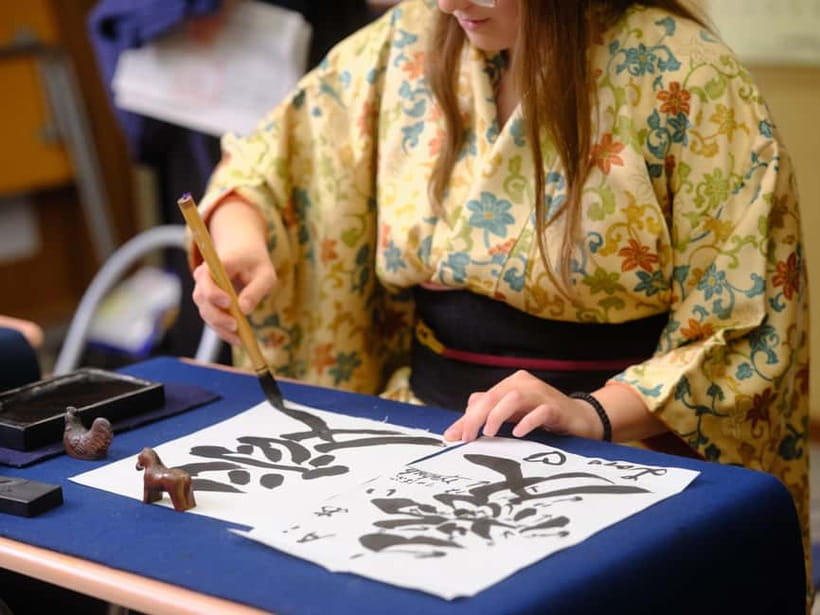
The name on the provider side is 日本書鏡院. But what you remember is the human teaching style.
From the teaching reported in multiple sessions, the instructors are patient and detailed. People highlighted instructors like Hana, Koushi, and Tomo for being methodical and kind. In particular, Hana was praised for step-by-step teaching, and Tomo was praised for both expertise and careful explanations. Koushi also came up in the context of a very helpful, experienced guide, including practical help after the class.
What I take from that, as a reader trying to choose: you are not booking a vague cultural activity. You are booking a lesson with professionals who know how to teach beginners. That makes a difference when you are holding a brush for the first time.
One more personal detail that came up: some sessions include adding something personal, like the instructor writing a participant’s name. If you want your souvenir to feel tied to you, that kind of touch is a big plus.
Your Finished Artwork: A Souvenir You Will Actually Want to Keep
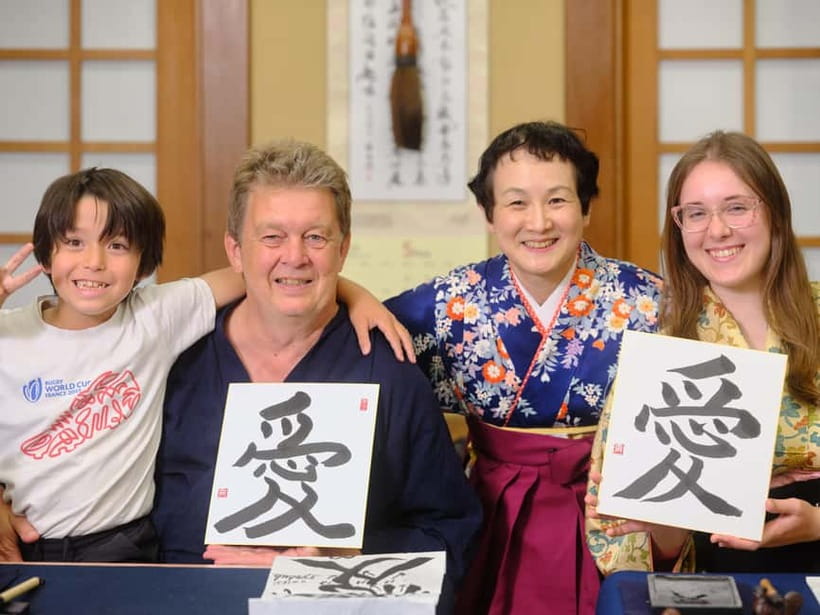
This is not one of those activities where the product looks like a template. You take home your finished calligraphy work as a unique souvenir.
You will create your final piece on material provided by the class. In the experiences shared, the final artwork often happens after you practice, then you leave with something you can display, gift, or pack as a memory of Japan.
The value here is emotional and practical. You are bringing home an original piece, created in your own session, not a mass-made postcard. It also has a story, because you learned the basic logic of the stroke first.
If you love crafts but hate long projects, this hits a sweet spot. It is structured enough to finish, but creative enough to feel like yours.
Small Group Size and Languages: English and French Support
The class is limited to 10 participants. That matters more than you might expect. With a small group, the instructor can correct your grip, your brush angle, and your pacing without you feeling singled out or ignored.
Language options listed are English and French, and people specifically noted that French explanations worked well. If your Japanese is basic, you can still get real guidance on what to do with your hands. That is the whole point of choosing a class like this, not just buying a ticket and hoping for the best.
The instructor lineup can include other assistance depending on the session. People mentioned an assistant or interpreter helping with details and post-class needs. If you like clarity and you want to ask follow-up questions, that support helps.
Price and Value: Is $64 Worth It?
At $64 per person for 90 minutes, the best way to judge value is what is included.
Your ticket covers:
- Instruction by professional calligraphers
- All necessary calligraphy tools
- Your finished calligraphy work to take home
- Japanese tea
- An English-speaking guide (and other language support depending on the session)
- Instructor fee and tool costs
Transport is not included, but that is normal for Tokyo. In other words, the price is mostly paying for teacher time and materials, not just the room.
If you have ever tried to buy calligraphy supplies in Japan, you know how quickly costs stack up. Here, you get the full experience without guessing what brush, ink, or paper you need. And because you leave with a finished piece, you are paying for an outcome, not just instruction.
So for me, the value is clear: you are paying to learn a skill and walk away with an original souvenir, with pros guiding the tricky parts.
Practical Tips So You Do Not Walk Out Looking Like a Crime Scene
Ink stains are the real enemy here. The class asks you to bring clothes that can get dirty. Take that seriously.
A few practical choices help a lot:
- Wear a shirt or top you would not mind ruining slightly
- Avoid light colors and anything delicate
- Tie long hair back if you have it
- Expect the lesson to require focus and stillness, so comfortable shoes help too
Also, the class is not for everyone. It is not suitable for children under 4 years and it is not suitable for people over 70 years. If you are booking for a family member, double-check the age fit so you are not disappointed.
And if you tend to feel shy about making mistakes, this kind of class is built for beginners. You will see others learning too, and the small group format keeps pressure low.
Who This Calligraphy Experience Is Best For
You will love this most if you want one of these:
- A short Tokyo activity that teaches an actual skill
- A meaningful souvenir that is personal and handmade
- A calm cultural break, with tea, focus, and guided steps
- A family activity where adults and kids can learn together, as long as age limits work
It is also a good option if you like creative activities but hate confusing instructions. The structure is clear: you learn basics, practice, then make a final piece.
If you are the type who wants nonstop sightseeing, this might feel too quiet. But if you want Japan in your hands, not just on your phone screen, it fits well.
Location and Meeting Point: How to Find It Without Stress
The meeting point is described as being next to a nursery, and the next place over is 海德寺 (Haideraji). That is helpful because it gives you human landmarks, not just an address.
Plan to arrive a bit early so you can settle and start without rushing. Tokyo can move fast around temple areas, and you will be happier if you have a minute to breathe before dressing up and starting.
Should You Book This Calligraphy Class?
Book it if you want:
- Real brush practice with professionals
- A finished piece you will keep
- Cultural meaning explained in a beginner-friendly way
- A small group experience that does not feel rushed
Skip it if:
- You cannot handle getting a little ink on clothing
- You are looking for a big sightseeing day
- You fall outside the stated age suitability (under 4, or over 70)
If you can do the basics and you bring the right clothes, this is one of those Tokyo activities that leaves a lasting memory. You leave with skill, calm, and paper you can hang later, which is more satisfying than most souvenirs.
FAQ
How long is the Tokyo calligraphy experience?
It lasts 90 minutes.
Where is the meeting point?
You meet in Tokyo at a location described as next to a nursery, and the next place is 海德寺 (Haideraji).
What languages are available?
The class is offered in English and French.
Is it a small group?
Yes. It is a small group, limited to 10 participants.
What is included in the price?
Instruction by professional calligraphers, all calligraphy tools, your finished artwork to take home, Japanese tea, and an English-speaking guide are included.
What should I wear or bring?
Wear clothes that can get dirty, since calligraphy involves ink and tools.
Is it suitable for children?
It is not suitable for children under 4 years.
Is it suitable for older adults?
It is not suitable for people over 70 years.
Can I get a refund and pay later?
The experience offers free cancellation up to 24 hours in advance for a full refund, and there is also a reserve now & pay later option.
If you tell me your travel dates and whether you prefer English or French, I can help you fit this into a realistic Tokyo day plan.
More Tour Reviews in Tokyo


Not for you? Here's more nearby things to do in Tokyo we have reviewed












Tokyo City Tours, side by side.
 ★ 5.01-Day Tokyo Bus TourFrom $12914,250 reviews
 ★ 4.5TOKYO SKYTREE® Admission ticketFrom $1311,192 reviews
 ★ 4.6teamLab Planets TOKYO Digital Art Museum Entry TicketFrom $259,779 reviews
 ★ 4.0Mt Fuji & Hakone Cruise, Drum Show Bullet Train 1 Day from TokyoFrom $1497,413 reviews
 ★ 5.0Shinjuku Food Tour (13 Dishes at 4 Local Eateries)From $866,603 reviews
 ★ 4.4Tokyo Mt Fuji 5th St & Hakone Cruise Bus Tour w/Bullet TrainFrom $1545,024 reviews
 ★ 5.0Flagship 2-Hours Official Street Go-Kart Tour – Tokyo Bay ShopFrom $644,974 reviews
 ★ 4.5From Tokyo: Mount Fuji Full-Day Sightseeing TripFrom $684,970 reviews