
Review · ASAKUSA TOURS
Tokyo: Tea Ceremony Experience in Asakusa
Tokyo matcha tastes different when you make it. This relaxed tea ceremony experience in Asakusa lets you learn the meaning behind each step, from water to whisking, without stiff rules. You sit comfortably, ask questions, and take photos while a friendly English instructor guides you.
I like two things a lot. First, you get a real hands-on matcha preparation lesson, not just watching. Second, the session is paced for beginners, with traditional Japanese sweets included, so you can focus on learning and tasting instead of rushing.
The only drawback to consider is the time. It’s a 1-hour experience, so if you’re hoping for a long, fully formal, multi-hour ceremony with lots of ceremony depth, this relaxed version may feel short.
Key things to know before you go
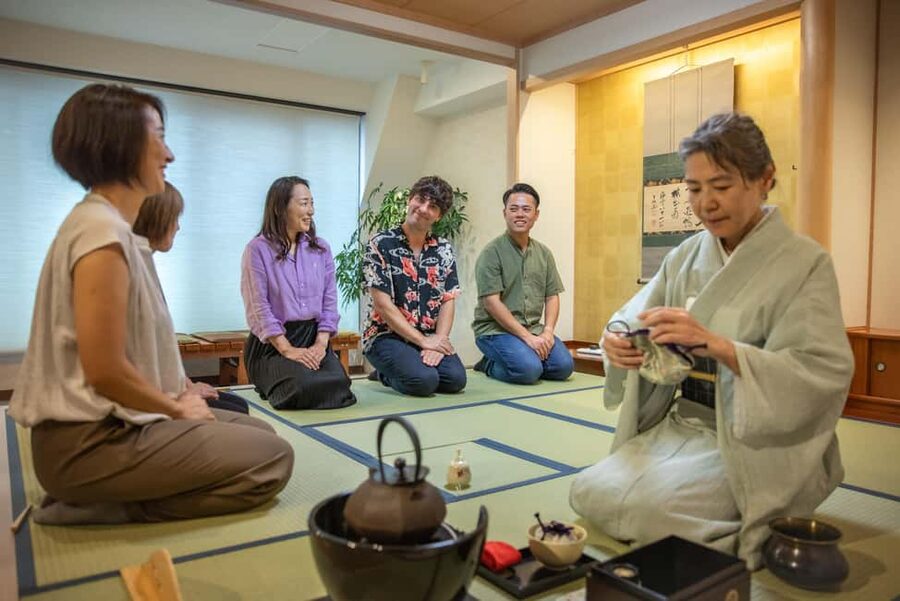
- Small group, up to 8 participants, which keeps it personal and gives you time to ask questions
- English instruction and a beginner-friendly format that explains what each step means
- You whisk your own matcha and drink it at your own pace, rather than only sampling
- Traditional Japanese sweets are part of the experience, pairing nicely with the tea
- Photo-friendly atmosphere where questions are welcome, so you’re not stuck being silent
- Example guides you might meet include Midori or Kaz, who received praise for clear explanations and kindness
Asakusa Matcha, Without the Stiff Formality
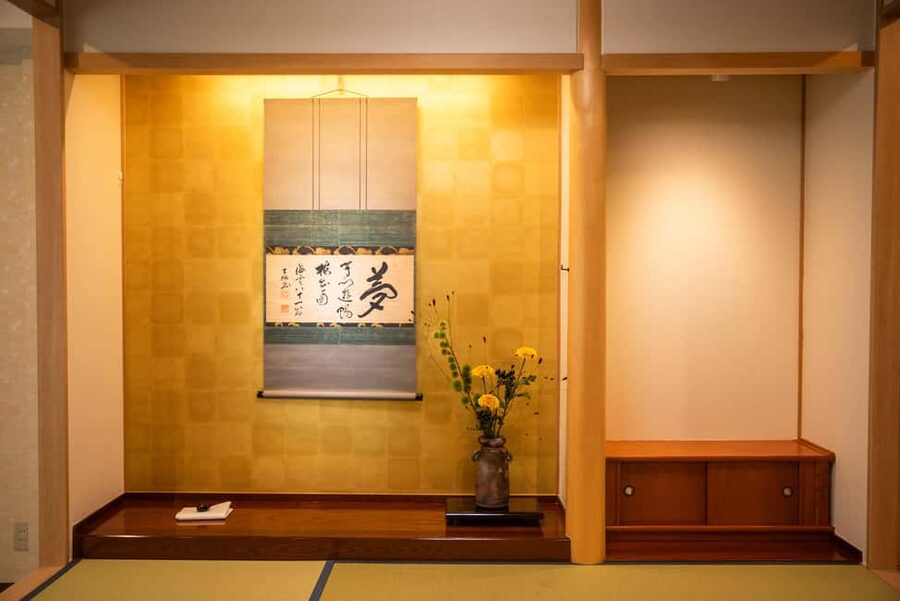
If you think tea ceremony means silence and you must get everything exactly right, this is the kind of class that helps you relax. The format is designed as a beginner-friendly version for curious travelers, which makes it a smart first taste of Japanese tea culture.
You’ll be seated, guided step-by-step, and taught how the ceremony works in practice, not just as an idea. And because it’s in Asakusa, you’re linking the calm of tea with one of Tokyo’s most classic old-street neighborhoods. Even if you don’t plan anything else around it, that location alone helps the experience feel anchored in real Tokyo life.
You can also read our reviews of more tours and experiences in Tokyo.



What happens during the 1-hour tea ceremony
This is a single-session experience that moves through the core parts of a tea ceremony, with time set aside for you to actively participate. Expect a guided flow like this:
1) Getting started, water and the first steps
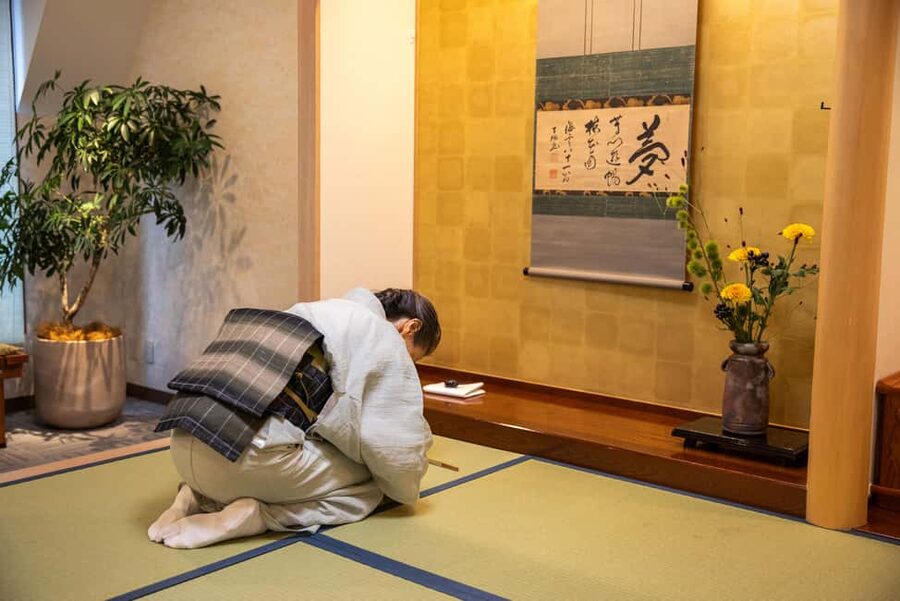
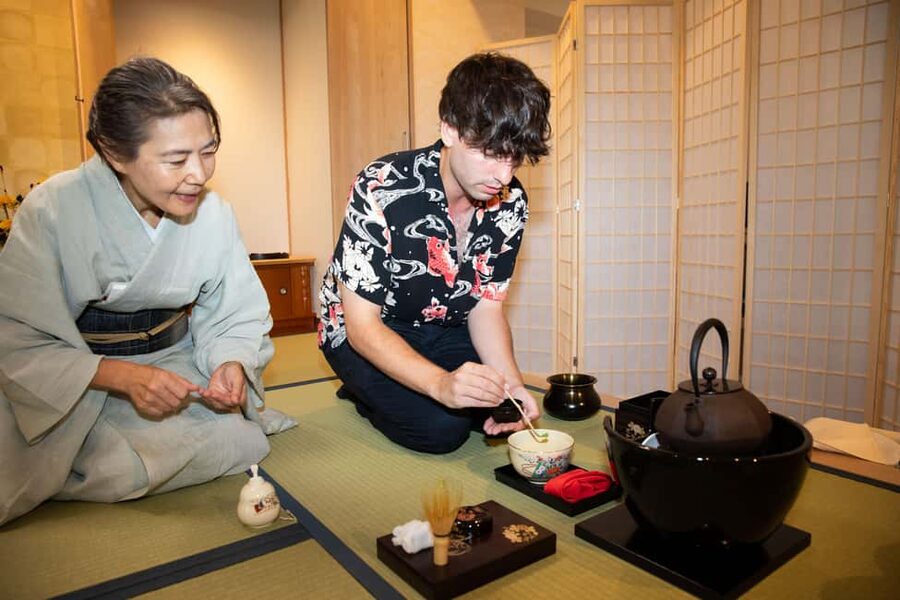
You begin seated in a calm setting where your host explains what you’re about to do. The ceremony starts with the water component, because everything comes from it. You’ll learn not only the how, but the why, including how each movement matters in the overall spirit of the ritual.
What I like here is that you’re not left guessing. The instructor explains the meaning behind the actions in a way that’s approachable. This matters if you’re new, because you can actually follow the logic instead of just copying gestures.
2) Whisking matcha, step by step
Next comes the heart of it: preparing matcha. You’ll learn how to whisk powdered green tea properly. Your host guides you through the motions and helps you understand what makes the whisking technique matter for taste and texture.
This is where the small group size helps. With limited participants, you’re more likely to get personal coaching if your whisking technique needs adjustment. And you get the confidence boost of doing it yourself, even if you start off clumsy.
3) Tasting, with traditional sweets
After matcha preparation, you taste the tea you made. The experience also includes traditional Japanese sweets. In a class like this, sweets aren’t just a snack. They help you notice how flavors interact, and they give you a gentle structure for the tasting part of the ceremony.
Try to slow down during the tasting. Let the matcha hit first, then notice the finish. The sweets give you something to compare with every sip. It’s an easy way to train your senses without needing fancy equipment or knowledge.



4) Meaning, harmony, and hospitality in everyday actions
The most memorable tea moments are often the explanations. Your host connects the steps to the values behind the ceremony, like harmony and hospitality. You’ll hear how the presentation of the tea and the pacing of movements reflect respect.
This is also why English instruction matters. When you can ask questions, you stop treating the ceremony like a performance and start understanding it as a communication style. In the reviews connected to this experience, instructors like Midori and Kaz were praised for breaking down actions in detail and explaining their cultural meaning, which is exactly what you want from a first lesson.
5) Your own bowl, at your own pace
A highlight is that you make your own bowl of matcha and savor it at your own pace. That means you’re not under pressure to rush through photos and then leave immediately. You get time to settle in, drink, and ask follow-up questions.
If you’re the type who learns best by doing, this “make it yourself” structure is the value driver. It turns the tea ceremony from something you watch into something you actually understand.
Price and what you get for $25
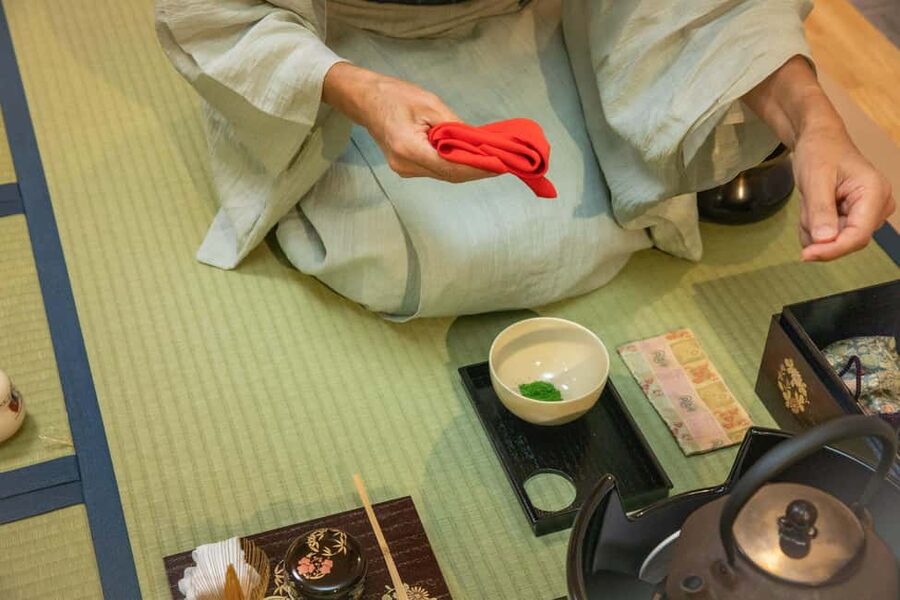
At about $25 per person for roughly 1 hour, this is priced like a practical cultural workshop rather than a luxury event. The value comes from the combination of three things:
- You get guided instruction in English
- You get to whisk matcha yourself and drink what you make
- You get traditional sweets included
A lot of food and culture activities charge similar prices but mostly involve tasting. Here, you’re doing a core technique. That hands-on part is what makes the time feel worth it.
If you’re on a first Japan trip, this also compares favorably to bigger tours. You’re not paying for transportation time or long-distance hopping. You’re paying for a focused skill and a calm cultural reset.
How the group size changes your experience
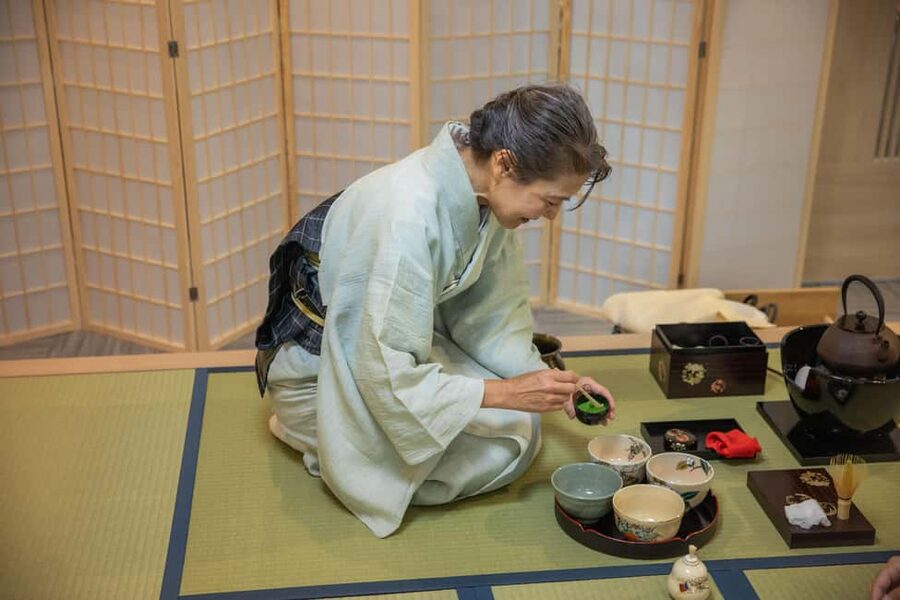
This is a small group limited to 8 participants. That matters more than you might think.
In a larger group, you often end up doing the motions quickly while the instructor focuses on the overall flow. Here, the host can address you directly, explain the steps again in simpler terms, and help you correct whisking technique if needed.
It also means questions happen more naturally. The atmosphere is relaxed and friendly, so you can ask things as they come up, like what matcha tastes like compared to other teas, or what certain ceremony steps symbolize.
Where you’ll meet in Asakusa
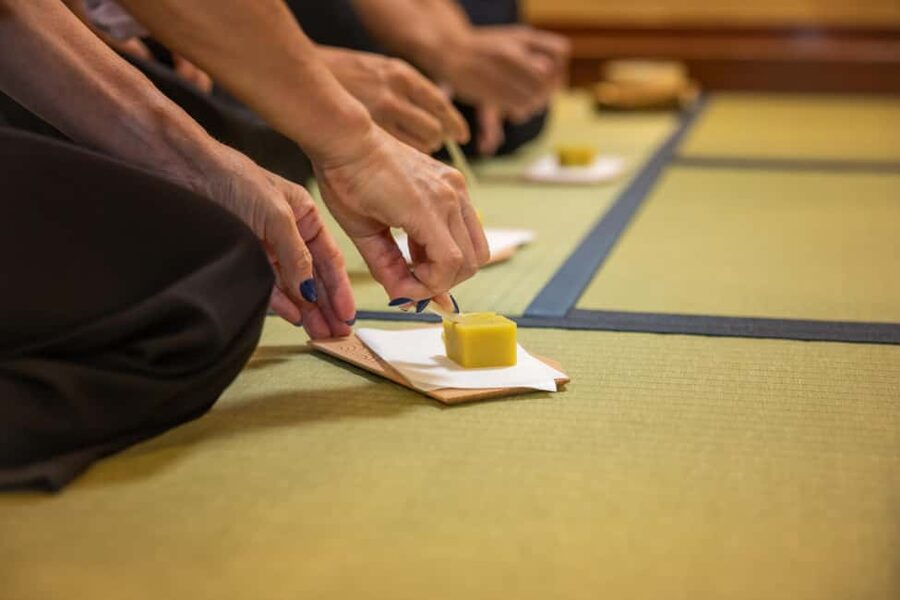
Meet at Tokyo Tourist Lounge Asakusa, located on the 5th floor of the building. Use Google Maps and type that exact name. The coordinates are 35.7103757, 139.796744.
This is one of those details that can save you stress. Asakusa has plenty of small lanes and multiple buildings with similar names, so arriving early and checking you’re at the right floor level can make your start smooth.
Who this tea ceremony is best for
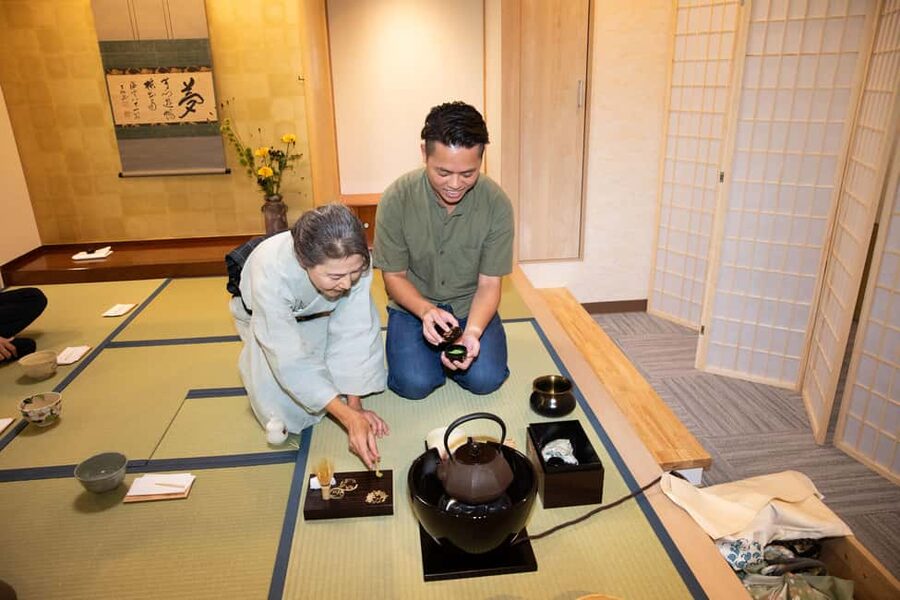
This experience is a strong fit if any of these sound like you:
- You want a calm activity that isn’t physically demanding, while still feeling hands-on
- You’re curious about Japanese culture but prefer learning in plain language
- You want a beginner-friendly introduction to matcha preparation
- You like photo breaks and relaxed interaction with the host
- You want a cultural experience that works well even on a busy Tokyo itinerary
It may be less ideal if you’re specifically hunting for a fully traditional, highly formal tea ceremony with strict rules and lots of time. This is intentionally designed to feel fun and approachable, so the tone is guided learning over deep ritual immersion.
Practical tips so you enjoy the tasting more
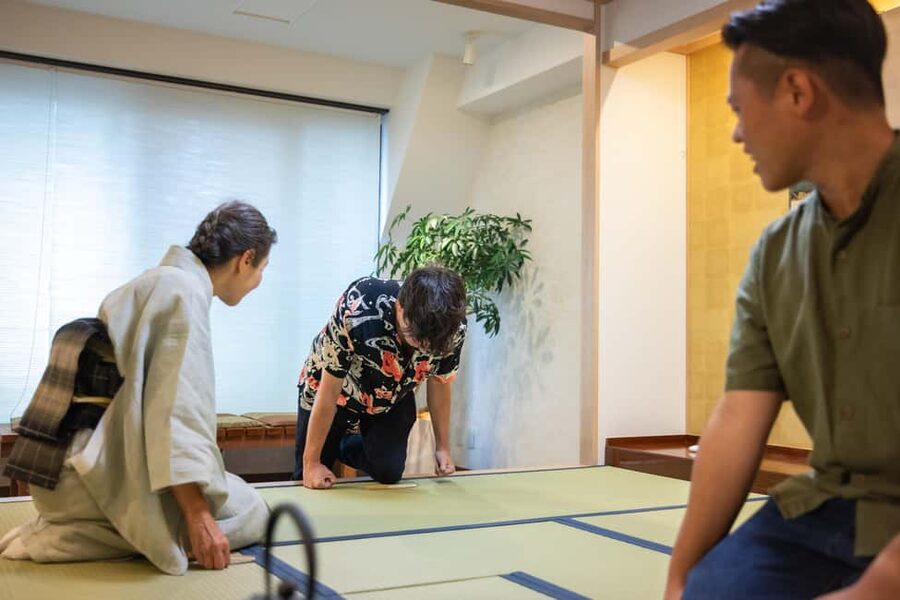
You don’t need special preparation, but a few habits will help you get the most out of the hour:
- Come ready to slow down. This is not a sprint between photo spots.
- Ask questions as you go. The explanations are part of the value.
- When you taste your matcha, pause for a few seconds before the next sip. You’ll notice more flavor changes.
- Take photos, but don’t let the camera pull you out of the tea moment. A few well-timed shots are plenty.
If you want a simple goal, aim to leave knowing what matcha is, how whisking changes the cup, and what the ceremony steps communicate.
Wheelchair accessibility and comfort
The experience is listed as wheelchair accessible. Since the format is seated and guided, it’s also generally easier to enjoy without needing long walks or strenuous movement.
If you use a wheelchair, the key practical idea is to go in expecting a calm, stationary activity. That makes it easier for your day to stay comfortable and predictable.
The instructors make or break it, and this one has standout feedback
One reason this class earns high marks is the way instructors teach. In the feedback, names like Midori and Kaz appear, with praise for kindness and clear explanations. People liked how the host explained actions and their meanings, then guided them while they made matcha themselves.
Even if you don’t get the same instructor, the teaching style is the core promise: friendly guidance, English clarity, and a relaxed pace that helps you feel successful during whisking.
Should you book this Asakusa tea ceremony?
Yes, you should book it if you want a high-value, beginner-friendly cultural experience that includes a real skill, matcha whisking, plus tasting and sweets in about an hour.
I’d especially recommend it if:
- It’s your first time learning about tea ceremony in Japan
- You want something calm and meaningful without needing prior knowledge
- You’re traveling with limited time and want a focused activity in Asakusa
- You like the idea of learning from a friendly English-speaking instructor in a small group
If your main goal is a long, formal ceremony with strict tradition and lots of time, you might choose a different style. But for most first-time Japan visitors, this format is a smart, low-stress way to get a genuine feel for Japanese tea culture.
FAQ
How long is the Tokyo tea ceremony experience in Asakusa?
It lasts 1 hour.
How much does the experience cost?
The price is $25 per person.
Where do I meet for the tea ceremony?
Meet at Tokyo Tourist Lounge Asakusa on the 5th floor. Use Google Maps to search that name, at coordinates 35.7103757, 139.796744.
Will the instructor speak English?
Yes, the instructor is listed as English.
What’s included in the experience?
It includes the Japanese tea ceremony, a matcha preparation lesson, and traditional Japanese sweets, with a guided experience.
Is kimono rental included?
No, kimono rental is not included.
Is the experience wheelchair accessible?
Yes, it is listed as wheelchair accessible.
Is there free cancellation?
Yes, you can cancel up to 24 hours in advance for a full refund.
More Tour Reviews in Tokyo
Not for you? Here's more nearby things to do in Tokyo we have reviewed












Asakusa Tours, side by side.
 ★ 4.8Japanese Dance Cabaret Theater Asakusa-Kaguwa TicketFrom $492,270 reviews
 ★ 4.7Meiji Shrine, Asakusa, Skytree Bus Tour and CruiseFrom $1221,986 reviews
 ★ 4.9Roll and Authentic Sushi Making Class in AsakusaFrom $581,957 reviews
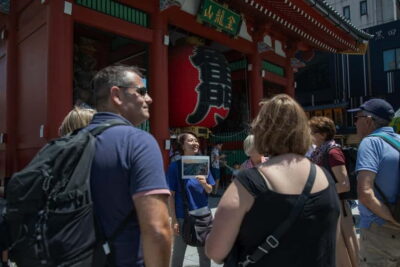 ★ 4.8Asakusa Walking Tour with Sensoji Temple VisitFrom $221,583 reviews
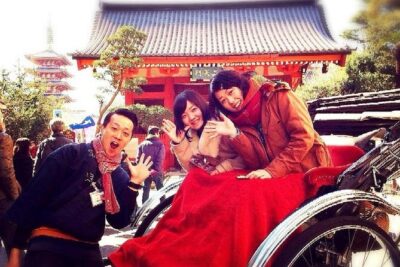 ★ 5.0Tokyo Asakusa Rickshaw TourFrom $421,375 reviews
 ★ 4.5Tokyo Panoramic 1 Day: Meiji Shrine, Asakusa, Odaiba and SKYTREE®From $851,222 reviews
 ★ 5.0Tokyo Go Kart: Asakusa, Skytree, and Akihabara **IDP MUST**From $99988 reviews
 ★ 4.7Asakusa, Skytree & Akhihabara Go-Kart City ExperienceFrom $96761 reviews
This tour also belongs to