
A night drive through Tokyo’s car scene is a different kind of sightseeing. You spend real time on the C1 and Wangan highways, then swap highway views for the famous parking-lot energy at Daikoku and Tatsumi.
What I like most is how the tour balances motion and stops, so you get skyline views plus time to actually look at cars up close. I also like the small group setup, limited to 6 participants, which makes it easier to hear the guide’s stories as you move from place to place.
One thing to consider is that this is not a low-activity tour. You’re driving and doing several night stops with breaks, and it’s not suitable if you have back problems, if you’re pregnant, or if you’re traveling with children under 10.
Key points before you go
- C1 and Wangan at night: big Tokyo skyline moments, plus the feeling of seeing the city from its main automotive arteries
- Daikoku and Tatsumi: two of Japan’s best-known car-culture parking areas for photos and people-watching
- Small group, up to 6: easier Q and A, and less time waiting around
- English, Japanese, Hindi support: you can expect the guide to meet you where you are language-wise
- One-day pacing: three main stops with breaks built in, not a rushed blur
Why a JDM night drive beats standard Tokyo sightseeing
Tokyo at night can feel like a highlight reel already. This tour adds something that most sightseeing misses, the way the city sounds, moves, and gathers people around cars.
You’re not just standing somewhere and taking pictures. You’re behind the wheel as part of a guided drive on iconic highways, then you park and slow down at car-culture hotspots where the whole point is to look, talk, and trade stories.
If you love cars, you’ll like the mix of street-view drama and parking-lot details. If you’re more on the curious side, you’ll still enjoy the windows of Tokyo skyline and the guide’s context on how the scene works now.
You can also read our reviews of more evening experiences in Tokyo
Price and what you’re really buying for $116
At $116 per person for a 1-day experience, the value depends on what you want out of Tokyo. If your idea of fun is shopping streets and temples, this won’t match that. If you want one day where you experience Tokyo through the car scene, the price starts to make sense fast.
You’re paying for three things that are hard to replicate on your own: a guided route on major highways, access to the right parking areas, and in-the-moment explanations about the car industry and car culture. The small group limit also matters, because it keeps the vibe closer to a shared night out than a production line.
Not everything is covered. Meals and drinks are not included, and you’ll need to plan around that so you don’t get caught hungry during stops.
C1 and Wangan highways: night skyline, real roads, real timing
The core of the experience is the drive on the C1 and Wangan highways. These roads are the big stage for Tokyo traffic, and at night they turn into a moving map of lights, reflections, and layered city depth.
What makes this portion worth it is that you’re not doing a long drive for nothing. You’re cruising, then stopping for photos and sightseeing moments that let you reset your eyes and your camera.
A practical tip: keep your smartphone charged. You’ll want it for skyline shots and quick references during photo breaks, and the tour runs long enough that low battery becomes a real problem in the middle of the night.
Also, wear comfortable clothes. You’ll be in a car and moving between stops, so think “night driving comfort,” not “going out clothes.”
Daikoku and Tatsumi parking areas: where you learn by looking
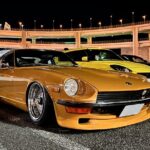
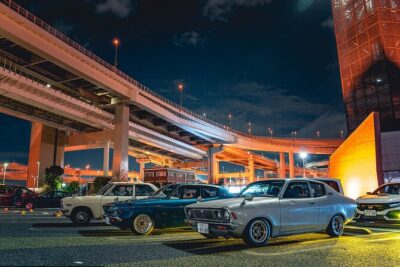
Daikoku and Tatsumi are the reason this tour exists. These are the legendary parking-area epicenters people associate with Japanese car culture, and you get time to photograph and soak up the atmosphere.
The best part is the variety of cars you’ll see, from classics to cars that look absolutely wild by any standard. It’s not just about cool machines. It’s about understanding the culture behind them, how different owners express taste, how the scene has evolved, and why these spaces became meeting points.
What I would focus on during your time there:
- Pay attention to how cars are arranged and presented, you’ll learn more from the patterns than from any single vehicle
- Take a few wide shots first, then move in for details, that way your photos tell a story, not just a list of cars
- Ask questions when you can. The guide’s knowledge of the history and current state of the industry adds meaning to what you’re seeing
There’s also a “watch your step” side to this. Parking areas can be busy and crowded at night. Keep your head up for foot traffic and move calmly with your camera.
Autobacs Shinonome stop: a needed break with car-styled momentum
Halfway through the pacing, you get a stop at Autobacs Shinonome. This is your break time, plus photo and visit time, with about 1 hour allocated for free time.
Why this stop helps: it gives you a gear reset. After highways and parking-area walking, you get a chance to stretch, rehydrate, and check out a car-focused setting that feels like part of Japan’s everyday enthusiast world.
What to do with your hour:
- Use it to refuel your snacks and drinks needs since meals and drinks are not included
- Take photos of the store area and signage if you’re building a “night out” photo set
- Keep an eye on time so you’re ready to regroup when the tour moves back into driving mode
This is also a good moment to think about what you want from the next stop. If you’re most excited about cars, focus on the car-world vibe here. If you want skyline contrast, shift your planning toward Tokyo Tower photos next.






Tokyo Tower at night: skyline contrast and an easy win for photos
Then you head to Tokyo Tower, with about 1 hour for break time, photo stop, visit, and sightseeing. This is a change of pace from the car-world intensity, and that contrast is the point.
You get skyline energy without the highway crowds, plus a recognizable Tokyo landmark that anchors your night. It also gives you the chance to slow down after parking-area browsing, which helps if you’re camera-heavy and your feet get tired.
For the best experience, treat Tokyo Tower like a photo session with space to breathe. Take a couple shots from the main viewing points available during your stop, then step back and let the moment land.
If you’re traveling with a packed schedule, this stop is a clean win because it gives “Tokyo landmark at night” vibes without requiring you to plan an extra entry ticket or route on your own.
How the guide turns cars into context, not just visuals
A big part of the value is the guide’s stories about the history and current state of the car industry and car scene. This is where the tour stops feeling like only a photo walk.
You’re guided in English, Japanese, or Hindi depending on your group and setup, so you can actually follow what’s being explained. You also get the chance to share stories back, which helps the night feel human instead of purely observational.
The guide’s perspective matters most when you’re looking at a wide range of cars, from classic to absolutely wild. When you understand the “why” behind a build style or scene shift, the same cars can feel like a living museum instead of random eye candy.
Even if you’re not a hardcore mechanic, you’ll likely leave with a clearer picture of where Japan’s car culture has been and where it’s heading now.
What to bring, and what to avoid (this matters more at night)
The tour asks you to bring:
- A camera
- Comfortable clothes
- A charged smartphone
That checklist is practical. At night, you’ll want quick phone shots, plus real camera shots if you have one. Comfortable clothes help you move between parking areas and photo stops without fuss.
A couple rules matter for your experience:
- Smoking is not allowed
- Drinks in the vehicle are not allowed
Plan around meals and drinks since they are not included. You’ll have break time at Autobacs Shinonome and Tokyo Tower, so that’s where it makes sense to handle your needs.
If weather is unpredictable, be ready. The tour info points out that you should expect a variety of conditions, so bring a layer you can manage easily during stops.
Who this tour suits best (and who should skip it)
This is best for you if:
- You love cars and want to see JDM culture in places that matter
- You enjoy night views and want Tokyo from highway perspectives
- You like learning the “story behind the cars,” not just taking photos
It may not be the best match if:
- You get uncomfortable with driving time and multiple night stops
- You have back problems
- You’re pregnant
- You’re traveling with children under 10
Good to know: the tour is listed as wheelchair accessible. If that’s important for you, you’ll want to confirm specifics with the provider before you go, because the tour does involve several stops and walking time.
Booking call: should you book this Tokyo JDM night meet drive?
I think you should book it if you want one day in Tokyo that feels like you’re living inside the car culture story. The combination of guided C1 and Wangan driving, time at Daikoku and Tatsumi, and a guide who explains the industry makes this more than a simple sightseeing loop.
Pass if you mostly want classic tourist highlights and you dislike night driving or parking-area crowds. Also consider how much value you place on learning and Q and A. This tour is built around you asking questions and listening, not just riding.
If you’re on the fence, a smart way to decide is this: if you can picture yourself happily photographing cars at night for an hour, then you’ll likely have a great time. If that sounds stressful, a different Tokyo tour will suit you better.
FAQ
How long is the Tokyo Daikoku car parking area night meet experience?
It’s a 1-day experience.
What does the tour cost?
The price is $116 per person.
Where does the pickup happen?
Pickup is included in Tokyo. You should wait in the lobby or where you are staying, and the driver contacts you before pickup.
Which highways will you drive on?
You’ll drive on the C1 and Wangan highways with a guided tour.
Do you visit Daikoku and Tatsumi parking areas?
Yes. The experience includes stops at Daikoku and Tatsumi parking areas.
Is the group small?
Yes, it’s a small group limited to 6 participants.
What languages are available for the driver/guide?
The driver is available in English, Japanese, and Hindi.
Are meals and drinks included?
No. Meals and drinks are not included.
What should I bring?
Bring a camera, comfortable clothes, and a charged smartphone.
What is not allowed during the tour?
Smoking is not allowed, and drinks in the vehicle are not allowed.
More Evening Experiences in Tokyo
More Tour Reviews in Tokyo
Not for you? Here's more nearby things to do in Tokyo we have reviewed












Daikoku & JDM Car Tours, side by side.
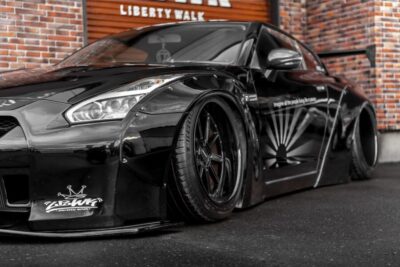 ★ 4.8GT-R35 800hp Club Membership – secret underground car meetFrom $205998 reviews
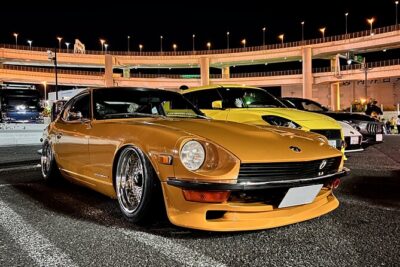 ★ 4.8Daikoku JDM Car Meet & Night Car Culture TourFrom $98626 reviews
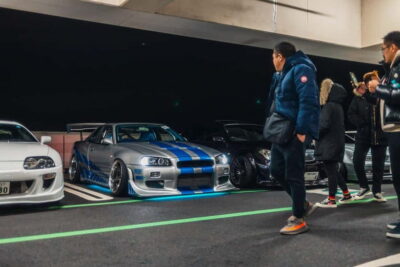 ★ 4.8Secret Car Meet: R34 Skyline Car Club MembershipFrom $236494 reviews
 ★ 4.9EVO, WRX, Skyline – JDM Night Run to Daikoku Car MeetFrom $125478 reviews
 ★ 4.7Tokyo Drift: Daikoku PA Supreme Car Experience 大黒PAFrom $58372 reviews
 ★ 4.9Legendary JDM CAR Daikoku Underground MeetupFrom $82360 reviews
 ★ 4.6Go Daikoku PA Fast & Furious 3 Sports Car MeetupFrom $49356 reviews
 ★ 4.5Daikoku Car Club Temporary MembershipFrom $145275 reviews
This tour also belongs to