
Review · TOKYO CITY TOURS
Tokyo: Discover the Art of Kintsugi in Ginza
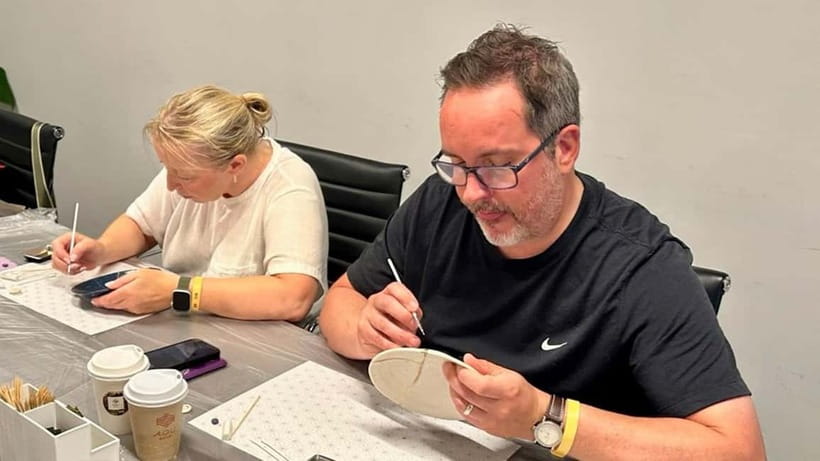
Cracked pottery becomes art again. In Ginza, you learn kintsugi, the Japanese art of repairing broken ceramics with lacquer so the damage turns into design. I like the hands-on, step-by-step instruction and the fact you get to take home a finished piece, not just a story. One thing to consider, the class finishes in 90 minutes using synthetic lacquer and metallic powder, so it is a faster method than the traditional month-long process.
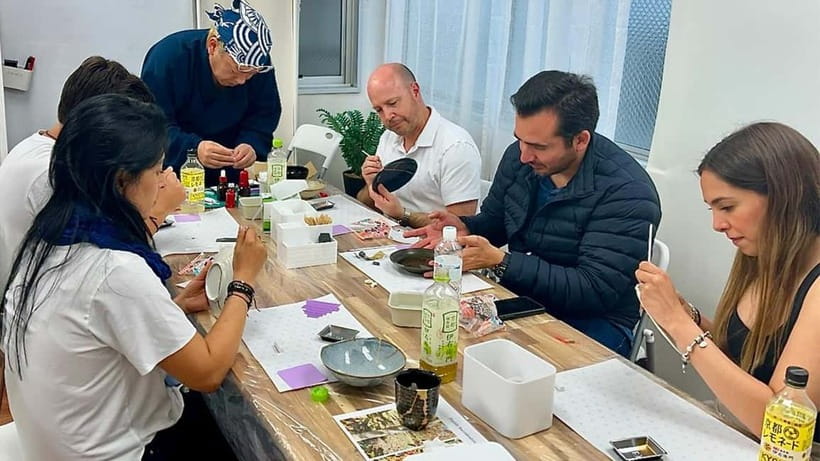
This workshop is held in a cozy private room near Ginza Station, inside a café setting that feels calmer than you would expect in this shopping district. It is a small group, limited to 8 people, and you get clear guidance from the instructor, with English and Japanese supported.
If you want extra reassurance, pay attention to the instructor names that show up in participant experiences. People mention Tatsu and Teki Sensei by name, and they consistently highlight the same pattern, friendly conversation plus careful teaching. Still, since it is a class with a shared pace, you may not get the absolute maximum time at every step.
Quick hits before you book
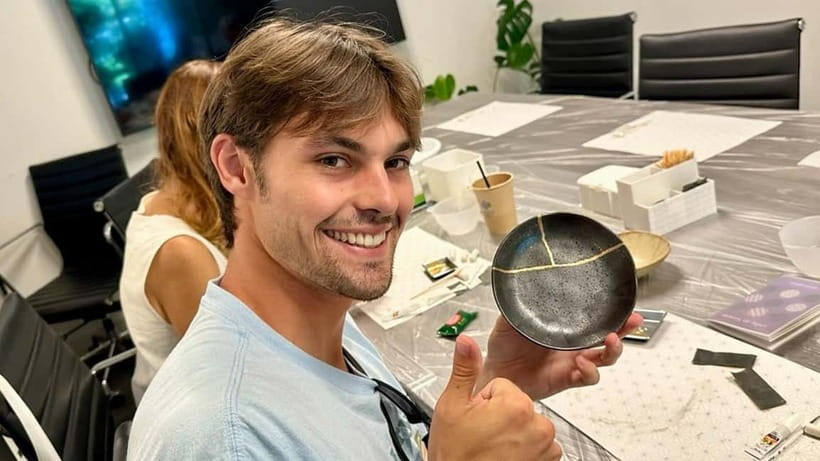
- 90 minutes, full take-home results using synthetic lacquer and metallic powder instead of natural lacquer and gold.
- Near Ginza Station, private-room setting inside the Café AOU Ginza forest area on the ground level of the Daiwa Ginza Building.
- Small group size (max 8), which usually keeps the instruction practical and personal.
- You repair a ceramic item you get to keep, packaged for travel.
- English or Japanese instruction, plus a complimentary soft drink.
- Good fit for first-timers who want the meaning behind kintsugi, not just the technique.
Where You Start: Cafe AOU Ginza Forest by Daiwa Ginza
Meeting is at Cafe AOU Ginza forest, on the ground level of the Daiwa Ginza Building. Ginza is famous for slick storefronts and quick foot traffic, so it helps that this is a straightforward meeting point that keeps you from playing maze games when you arrive.
One practical detail to know is that the workshop venue may change depending on availability and the number of reservations. If that happens, you will be notified by email one day before. I treat that as normal Tokyo logistics, but I still recommend checking your email the day before so you do not show up expecting the exact same room.
When you arrive, you should expect a café-style welcome first. In participant experiences, instructors have been described as easy to spot outside the building, which helps when you are managing jet lag or navigating trains.
You can also read our reviews of more tours and experiences in Tokyo.



The Workshop Room Setup: Private, Calm, and Built for Your Hands
The magic of this experience is that it is not a big demo hall. It happens in a dedicated private room near Ginza Station, tucked into a welcoming café environment. That matters because kintsugi is slow work by nature. You are dealing with small parts, careful alignment, and mess control. A quiet room makes it easier to focus on the repair rather than rushing through it.
Group size is capped at 8 participants. In practice, that usually means you can ask questions without yelling across the room. You also get more chances to correct technique early, when it is still easy to fix things like placement and lacquer flow.
You get a complimentary soft drink, which sounds simple, but it sets a friendly tone. I like class experiences that treat you like a person, not like a ticket number.
Kintsugi Basics You’ll Actually Use: History Meets Technique
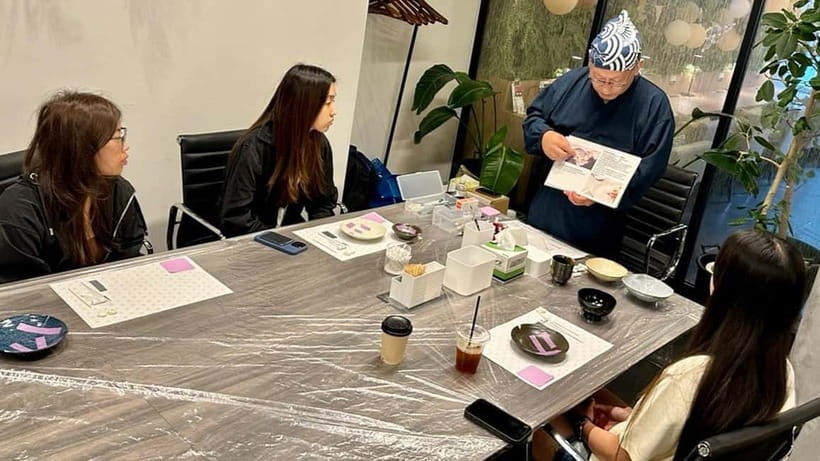
Kintsugi is more than a craft trick. It is an aesthetic philosophy that treats breakage as part of the object’s story. In the workshop, you learn both the meaning and the mechanics, with clear instruction that keeps the art grounded in what you can do with your hands.
Expect the lesson to include:
- a step-by-step explanation of how kintsugi repairs broken ceramic
- guidance on applying lacquer so the repaired line looks intentional
- how to work patiently and stay consistent as you build the repair
You also get context for why kintsugi became a thing in Japan in the first place, and why people describe it as a way to celebrate imperfection. The point is not to memorize facts. It is to understand what you are making, so your finished piece feels personal instead of random.
If you are interested in the “why,” several participant notes emphasize that the instruction includes history and origins plus some practical science around the materials. That mix is great if you want craft and explanation, not one or the other.
Your Tools and Ceramic: Everything Provided, So You Can Focus
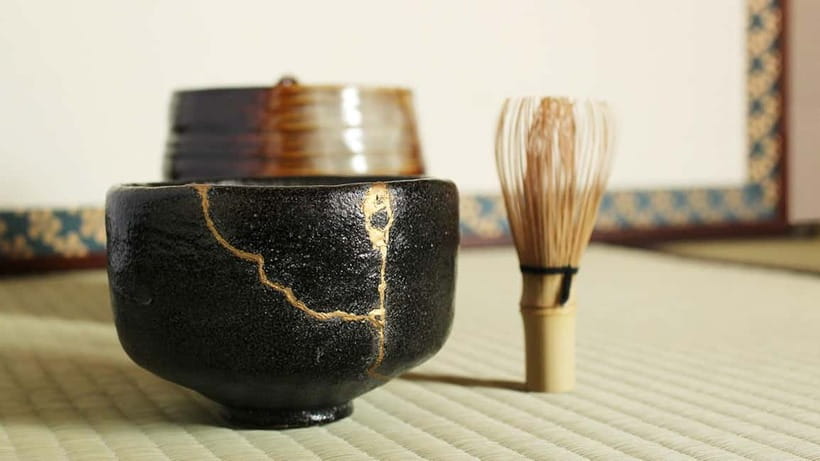
This is one of the best-value setups I have seen for a hands-on class. The workshop includes:
- all necessary tools and materials
- a ceramic piece to restore
- expert guidance from the instructor
That means you do not need to shop for supplies or worry about showing up underprepared. I also like that you get the ceramic piece already selected for the process, so you are not left guessing what type of break works best.
You will take home your repaired ceramic item as a souvenir or gift. Some participants mention they could choose among different cracked plate options, including different color cracked designs. Even if you get only one option, the core idea is the same, you finish something you can display or give.
Two safety notes I want you to remember:
- It is recommended for decorative use only.
- The repaired item is not microwave-safe, and there is a risk of ignition.
Those rules are worth taking seriously, because kintsugi repairs involve lacquer and metal-like materials that are not meant for heating.
The 90-Minute Method: Synthetic Lacquer and Metallic Powder
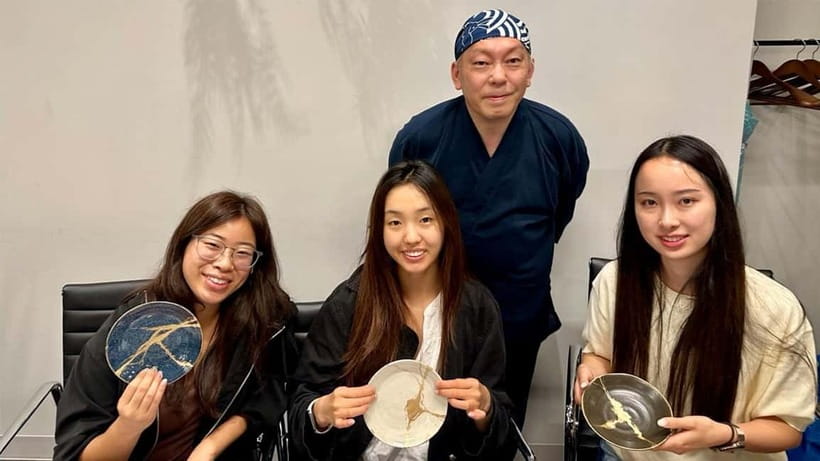
Traditional kintsugi can take about a month to fully complete, especially when natural lacquer is involved. This class uses synthetic lacquer instead of natural lacquer, plus metallic powder as a substitute for gold. That is how the workshop stays within 90 minutes.
Here is what that means for you as the participant:
- You still learn the core technique of joining the cracks in a decorative way.
- You get immediate satisfaction, because you finish enough to take your piece home the same day.
- The look and concept are kintsugi, but the materials and curing timeline are simplified for a workshop setting.
One small consideration: because it is a condensed timeline, the class is less about waiting for perfect long cure stages and more about learning technique and getting a presentable result quickly. If you are expecting the full traditional timeline, adjust your expectations and focus on learning the method.
Pacing can also be slightly variable. One participant described a moment where the class had to adjust speed because someone needed extra support, so you might spend a bit less time on a specific step than you wish. That is not a bad sign, it usually means the instructor was actively helping rather than ignoring a problem.



Instructor Style: Conversation, Clear Steps, and Travel-Friendly Help
In a workshop, the instructor makes or breaks it. This one scores high because people repeatedly mention the same strengths: clear explanations, friendly conversation, and practical help when something goes off track.
You will see instructors named in participant accounts, including Tatsu and Teki Sensei. While personalities vary, the consistent theme is that they guide you step by step and also chat, which makes the class feel lighter and less technical.
A big “quiet win” is packaging. Several participants talk about sophisticated, protective packaging so their repaired pieces arrived safely back home and were ready for luggage travel. That is a real value add. A fragile souvenir is only a good souvenir if it survives the trip.
You should also expect that you will be able to ask questions mid-process. With a small group, the instructor can correct technique in real time. That matters for your final look, especially along the repaired lines.
Taking It Home: A Piece With a Story, Ready for Your Shelves
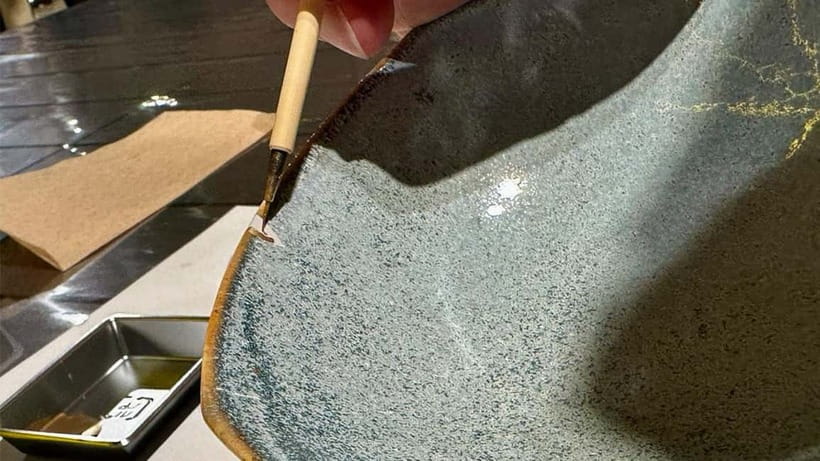
When the workshop finishes, you walk out with a repaired ceramic piece you made yourself. That is the core takeaway, and it is not a small detail.
A personal kintsugi piece is different from buying a store souvenir because it reflects your choices during the repair. Even if you follow the same steps as everyone else, the cracks, alignment, and finishing details can come out uniquely. That uniqueness is part of the philosophy.
Before you store or display it, remember the practical rule:
- Use it decoratively.
- Do not microwave it.
Also, treat it as a craft object, not a kitchen tool. If you keep it on a shelf, cabinet, or desk, it will be a constant reminder of the class, not a stressful item that you worry about.
Price and Value: Is $75 Worth a 90-Minute Class?
At $75 per person for 90 minutes, the value is strongest because the price includes the materials, the ceramic you repair, instructor guidance, and a complimentary soft drink. You are not paying extra for the “stuff.” In many workshops, you end up doing a shopping list at the door.
The class also has two value boosters:
- limited group size (max 8), which usually means more attention per person
- it is located close to Ginza Station, which helps you avoid time-consuming transfers and lose less of your day
The tradeoff is the timeline and material substitution. Traditional kintsugi can be a longer process with natural lacquer and gold. Here, synthetic lacquer and metallic powder make the experience doable in one session. If you care most about learning the concept and technique quickly, this price makes sense. If your goal is to experience the fully traditional month-long curing process, you might prefer a slower option elsewhere.
For most first-timers in Tokyo, I think $75 is a fair deal for a guided, hands-on craft plus a take-home piece.
Who This Workshop Suits Best (And Who Should Skip It)
This experience is especially good if:
- you want a cultural craft that is hands-on, not just a lecture
- you are in Ginza and want something creative that is close to transit
- you like thoughtful souvenirs with a real process behind them
- you want instruction in English (with Japanese support too)
It is not suitable for:
- children under 10
- people with mobility impairments
- people with a cold
- babies under 1
- hearing-impaired people
That last point is important. If you rely on hearing support, double-check whether the room setup and instruction style will work for you based on the program’s suitability guidelines.
Practical Tips for a Smooth Class Day
A few practical tips will help you get the most out of the 90 minutes.
First, dress for a craft session. The process involves lacquer and repair materials, so you want clothes you do not mind getting a little messy. Also, plan to keep your hands clean and follow the instructor’s steps exactly.
Second, ask questions early. If you hesitate during the first part, you can lose time later. The workshop is short by design, so early clarity helps.
Third, treat the finished item like fragile art, not like a casual takeaway. Let the packaging do its job. When you travel, keep it protected and avoid pressing it against other luggage items.
Finally, set the right expectation about the finish. This class is built for fast take-home results using synthetic lacquer and metallic powder. You are learning the craft and leaving with a repaired piece, not completing an antique-style month-long cure.
Should You Book This Ginza Kintsugi Workshop
Book it if you want a meaningful Tokyo activity that is close to Ginza Station, stays intimate with a small group, and ends with a real souvenir you can keep. The combination of step-by-step instruction, travel-ready packaging, and the chance to create something one-of-a-kind makes it a smart use of time.
Skip it if you need full traditional month-long authenticity, or if the workshop’s suitability limits affect you. Also skip it if you are looking for something highly active and outdoors. This is a careful craft class, and it rewards patience.
If you are the type who likes the idea of wabi-sabi style thinking, and you want a hands-on way to practice it for real, this is one of the clearer ways to do it in central Tokyo.
FAQ
How long is the Kintsugi workshop?
The workshop lasts 90 minutes.
Where exactly do I meet for the class?
You meet at Cafe AOU Ginza forest on the ground level of the Daiwa Ginza Building.
What is included in the price?
The price includes the 90-minute workshop, all necessary tools and materials, a ceramic piece to restore, expert guidance from the instructor, and a complimentary soft drink.
Will I be able to take my repaired ceramic home the same day?
Yes. The workshop uses synthetic lacquer and metallic powder so you can complete and take home your restored ceramic within 90 minutes.
Is the repair made with real gold?
The workshop uses metallic powder as a substitute for gold, rather than using natural lacquer and authentic gold through the full traditional process.
Is the repaired piece safe to microwave?
No. The repaired item is not microwave-safe, and there is a risk of ignition.
Is this workshop suitable for kids?
It is not suitable for children under 10 years old.
More Tour Reviews in Tokyo


Not for you? Here's more nearby things to do in Tokyo we have reviewed












Tokyo City Tours, side by side.
 ★ 5.01-Day Tokyo Bus TourFrom $12914,250 reviews
 ★ 4.5TOKYO SKYTREE® Admission ticketFrom $1311,192 reviews
 ★ 4.6teamLab Planets TOKYO Digital Art Museum Entry TicketFrom $259,779 reviews
 ★ 4.0Mt Fuji & Hakone Cruise, Drum Show Bullet Train 1 Day from TokyoFrom $1497,413 reviews
 ★ 5.0Shinjuku Food Tour (13 Dishes at 4 Local Eateries)From $866,603 reviews
 ★ 4.4Tokyo Mt Fuji 5th St & Hakone Cruise Bus Tour w/Bullet TrainFrom $1545,024 reviews
 ★ 5.0Flagship 2-Hours Official Street Go-Kart Tour – Tokyo Bay ShopFrom $644,974 reviews
 ★ 4.5From Tokyo: Mount Fuji Full-Day Sightseeing TripFrom $684,970 reviews