
Review · DAIKOKU & JDM CAR TOURS
Tokyo Drift: Modfied Supra Night JDM Daikoku Experience
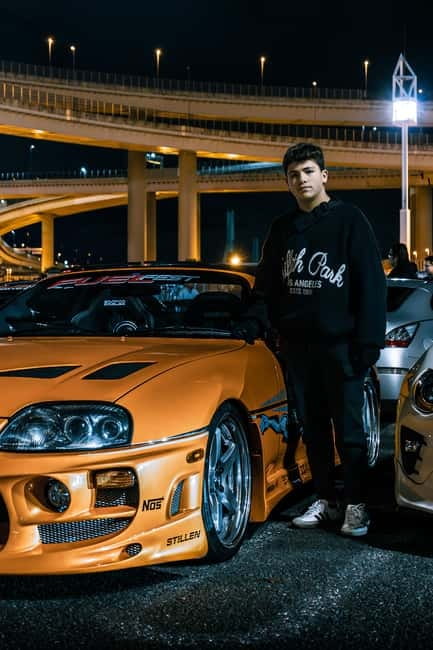
Night Tokyo turns into a car show. I love how this tour makes the Daikoku parking area feel like an inside scene, not a random parking lot stop, and I like that an English speaking local guide keeps you oriented with fast, practical context about Japan’s car culture. One thing to consider is that access at Daikoku can be hit or miss, so you should be ready for the plan to shift to Umihotaru PA if needed.
I also really like the pacing for a half night, you get browsing time at a big car shop, a focused meet stop, and then those big city views from Rainbow Bridge. Guides you may meet, like Mizuki or Yuto, are often highlighted for clear English and friendly banter, which helps if you are not already deep into the scene.
Key highlights
- Daikoku PA, guided for maximum photo and vibe time
- Toyota Supra A80 ride with on-the-road car culture commentary
- Autobacs Shinonome stop for real JDM browsing and atmosphere
- Rainbow Bridge viewpoints that tie the night together visually
- Umihotaru PA swap option if Daikoku is closed
- Private group feel with pickup and multiple drop-off options in central Tokyo
Why this Tokyo JDM night route feels different
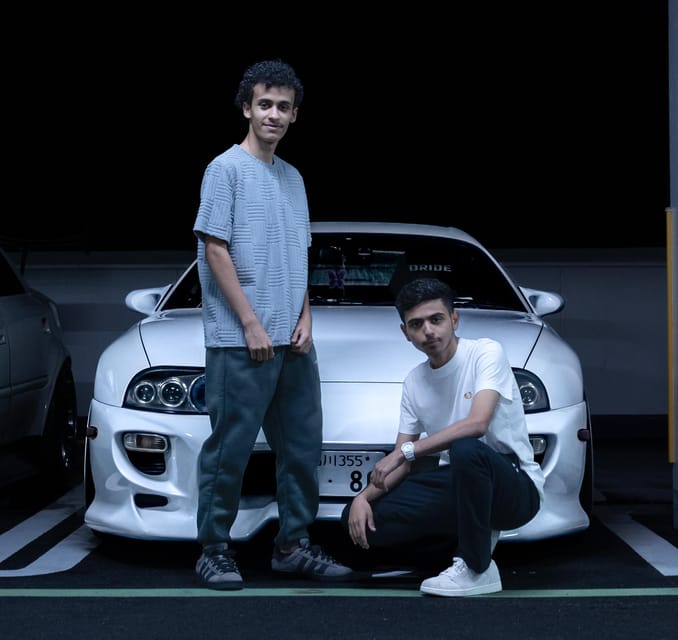
Tokyo at night is already photogenic, but this experience adds a second layer: the modified car culture that makes certain streets and baysides feel like their own world. The core draw is Daikoku, one of the most famous hangout areas for tuned Japanese cars, where you are not just watching from the sidewalk, you are guided to the right time, place, and rhythm.
What makes it worth your attention is the way the guide frames what you are seeing. You learn the “why” behind the culture, then you get to experience the “what” on the ground, from parking-lot theatrics to the way groups actually mingle.
You can also read our reviews of more evening experiences in Tokyo
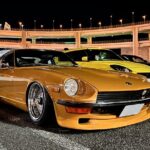
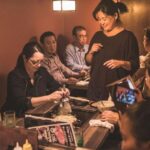
Getting picked up, then hitting the road with a local guide
This tour starts with pickup from your accommodation, and that matters more than you might think. Night driving in Tokyo can be stressful if you are navigating alone, especially if you are trying to keep your phone charged and your camera ready.
Once you’re in the car, the tour starts immediately. Your guide explains car culture and even ties it to geography as you go, so the route stops feel intentional instead of like a series of random nighttime photos. Many guests call out the English level as a big plus, with guides like Mizuki or Yuto described as speaking naturally and communicating clearly.
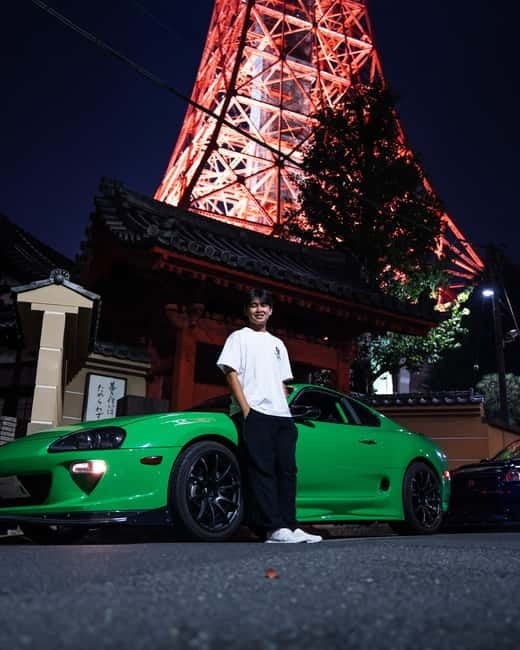
You also get a ride in an iconic Toyota Supra A80 as part of the experience. Even if you are not a hardcore gearhead, that’s the kind of touch that turns the night from a walk-around into a story.
Autobacs Shinonome: a quick, useful JDM warm-up stop
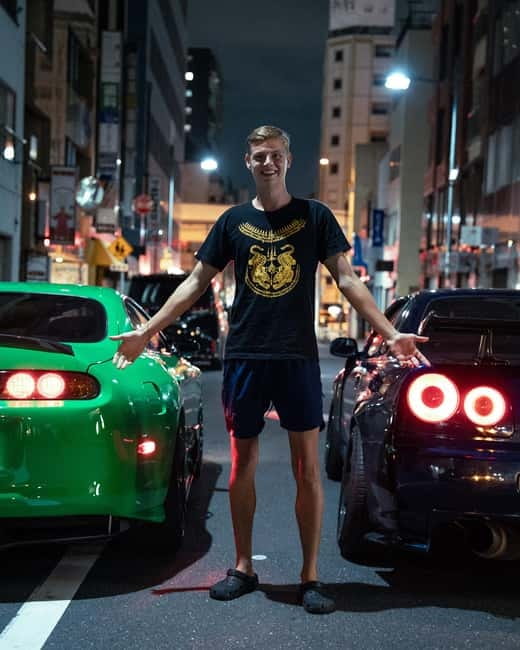
Before Daikoku, you hit Autobacs Shinonome for shopping and sightseeing time. This is one of the smart staging points for a night like this because it gives you a chance to buy small gear, look at car-related goods, and get your “car brain” switched on before you arrive at the meet.
You usually get about 30 minutes here. That’s short enough to keep the night moving, but long enough to do the important stuff: check out parts and accessories, grab something small if you want, and take in the vibe of a major car store in Japan.
A practical note: come with cash if you can. The tour info specifically asks you to bring cash, and at night, you do not want to realize too late that you cannot pay for something you want.
Daikoku Parking Area: the main event, with guided timing and free time
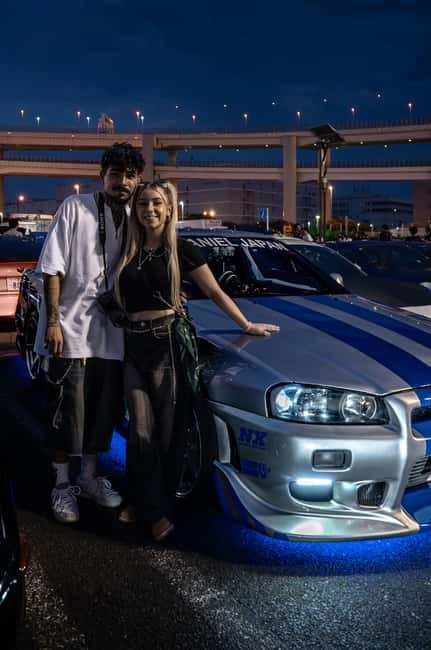
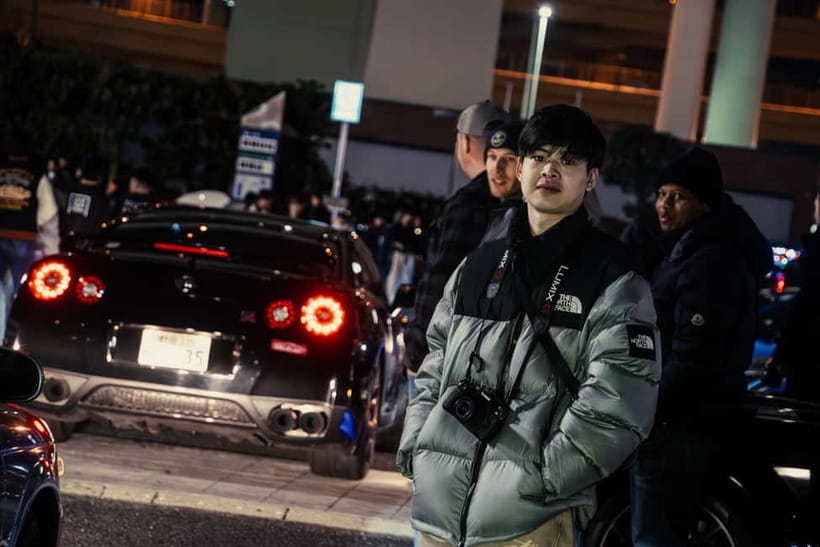
Daikoku Parking Area is the reason most people book. It’s famous for a reason, but the real value here is how the guide handles it. You get a guided visit, plus an hour of free time, so you can do both: listen, then wander with confidence.
Here’s how you can make the most of it:
- Keep your camera charged and ready before you arrive. Night photos are less forgiving than daylight.
- Use your guide as a translator for what you are seeing. Tuned builds have details, and it helps to know what you are looking at.
- During free time, take a slow loop first, then return to the cars that catch your eye for better angles.
The energy at Daikoku is often described as a major highlight, and many guests point to the chance to see a mix of full tuned JDM cars, not just a couple show pieces. One detail that comes up in the shared stories is how loud and intense some cars can be when they roll through tunnels or move around the area. Even if you are not chasing specs, that sensory side is part of the appeal.
You are also not there alone. The tour is private, so the guide can steer you away from confusion and keep the group together. That’s especially helpful if you have never visited places like this in Japan.
Umihotaru PA as the backup plan when Daikoku closes
Daikoku closes frequently, and the tour is set up with a fallback. If Daikoku is closed, you go to Umihotaru PA, described as the only parking lot on the sea in Japan, which gives the night a different visual flavor.
There is an extra charge if Daikoku is not available: 5,000 yen per person. The important part for you is deciding how much flexibility you want built into your schedule. If you really want the exact Daikoku experience, plan for the fact that it is not something you can control. If you are more focused on the car culture vibe and nighttime views, the Umihotaru swap can still deliver a great night.
Timing wise, Umihotaru is usually the main alternative stop with free time included, roughly an hour. That means you still get the “walk, look, photograph, breathe” portion that makes these meets fun instead of rushed.
Rainbow Bridge: the views that connect the whole night
After the main car culture stops, you finish with sightseeing around Rainbow Bridge in Tokyo for about 30 minutes. This is a nice palate cleanser because it shifts you from cars and crowds to skyline and water views.
If you only do city sights during the day, you miss how Tokyo looks when everything turns glossy and lights spread out. Rainbow Bridge gives you that cinematic background for your photos, plus a sense of place. It’s also a good moment to slow down and check your shots, because after a night meet, your camera and phone usually need a moment of peace.
Drop-off locations that make the rest of your trip easier
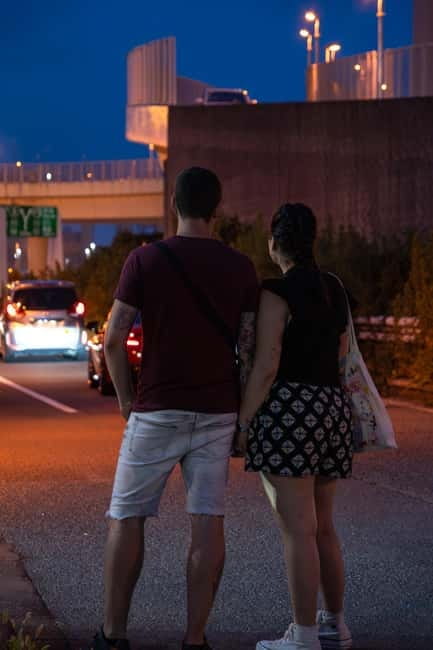
You end with drop-offs in multiple central areas: Tokyo, Shibuya City, 秋葉原UDX (Akihabara UDX), and Akihabara Electric Town. This is practical if you plan to continue your night with food, arcade time, or shopping.
A smart strategy is to pair this with something flexible the next day. Since you will already be in Shibuya and Akihabara zones at the end, you can wake up and keep your itinerary simpler. You won’t feel like you crossed town twice just to see cars.
Price and value: what you really pay for at $196 per person
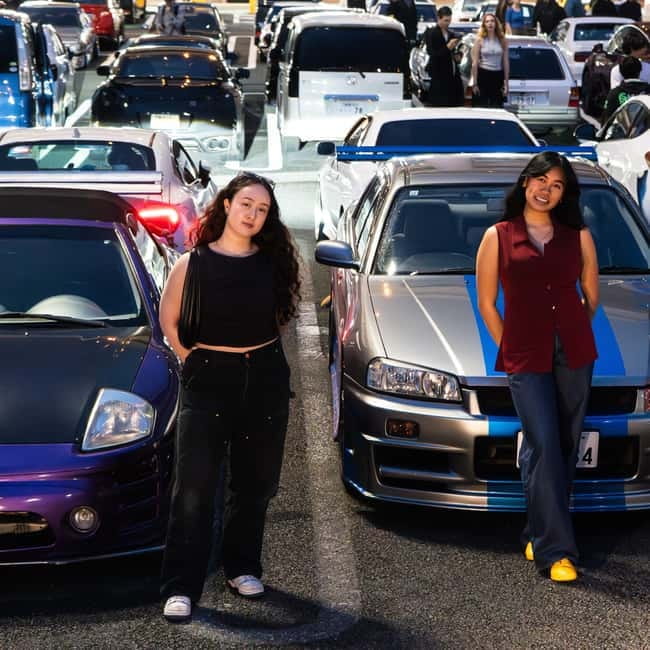
$196 per person for a 3 to 4 hour private, guided night experience may sound high until you break down what you are actually buying.
You get:
- Pickup from your accommodation
- An English guide with guided stops and historical commentary
- A ride in a Toyota Supra A80 as part of the experience
- Time at major car-related locations, including Daikoku (or Umihotaru if needed)
- Rainbow Bridge viewpoint time
- Drop-offs in central Tokyo areas
For many people, the biggest value is not just seeing cars, it’s not having to figure out timing, parking areas, and how to act respectfully when you are near active car culture. A good guide compresses all that uncertainty into a smooth route, and you spend your energy on photography, conversation, and enjoying the night.
If you end up at Umihotaru due to closures, remember the extra 5,000 yen per person. Still, even with that add-on, you are usually getting the core elements of a guided car culture evening rather than a standalone sightseeing taxi ride.
Who this tour suits best, and who should skip it
This experience is best if you like modified cars, night culture, and being guided through places that can be confusing without local context. If you are a fan of JDM builds, you’ll likely appreciate the way the guide connects car culture to Japan’s broader road and city story.
It is also a strong fit if you want to meet the vibe of the scene without the hassle of planning everything yourself. Many guests highlight how friendly the drivers and guides feel, and that social side can make the night more memorable than just collecting photos.
It is not suitable for children under 11, babies under 1, and people over 95. It also bans alcohol and drugs. If your group includes someone who needs stroller use, note that baby strollers are not allowed.
Practical tips to get the best photos and a smoother night
Do these before you leave:
- Bring your passport. The tour explicitly asks for it.
- Bring cash, just in case.
- Charge your smartphone fully. You’ll likely use it for photos and navigation even with a guide.
- Bring a camera if you want better results than phone-only night shots.
For photography, the main thing is patience. Cars can change positions quickly, and if you arrive with a calm loop plan, you’ll get better angles without bumping into people.
Also, dress for night street conditions. Even though the tour is short, you’ll likely be outside during free time at the meet area.
Is this tour worth booking for your Tokyo trip?
If your trip includes even a little bit of car culture, I think this is a high-impact way to spend half a night. The combination of a proper JDM stop like Daikoku, guided education, and a Supra ride gives you more than a quick photo stop.
Skip it only if you have zero interest in modified cars and just want generic sightseeing. The route is built around car culture first, city views second, so your enjoyment will depend on how much you like seeing tuned machines up close.
If you want, tell me your travel dates and whether Daikoku is a must for you. I can help you decide how to schedule this with Shibuya or Akihabara for the smoothest final night.
FAQ
How long is the Tokyo JDM Daikoku night experience?
It runs about 3 to 4 hours. Exact timing can depend on the selected starting time.
Is this tour private?
Yes, it is a private group experience.
Where does the tour go besides Daikoku Parking Area?
You visit Autobacs Shinonome, Daikoku PA, and Rainbow Bridge. If Daikoku is closed, the tour goes to Umihotaru PA instead. You also get drop-offs in central areas including Tokyo, Shibuya City, Akihabara UDX, and Akihabara Electric Town.
Do I need to pay extra if Daikoku PA is closed?
Yes. If Daikoku PA is closed, there is an extra charge of 5,000 yen per person to go to Umihotaru due to tolls and distance being farther away.
What languages are available for the guide?
The live tour guide is available in English and Japanese.
What should I bring?
Bring your passport, camera, cash, and a charged smartphone. Alcohol and drugs are not allowed, and baby strollers are not allowed.
More Evening Experiences in Tokyo
More Tour Reviews in Tokyo
Not for you? Here's more nearby things to do in Tokyo we have reviewed
Daikoku & JDM Car Tours, side by side.
 ★ 4.8GT-R35 800hp Club Membership – secret underground car meetFrom $205998 reviews
 ★ 4.8Daikoku JDM Car Meet & Night Car Culture TourFrom $98626 reviews
 ★ 4.8Secret Car Meet: R34 Skyline Car Club MembershipFrom $236494 reviews
 ★ 4.9EVO, WRX, Skyline – JDM Night Run to Daikoku Car MeetFrom $125478 reviews
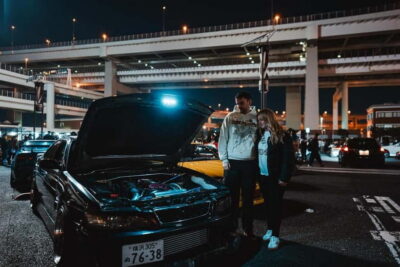 ★ 4.7Tokyo Drift: Daikoku PA Supreme Car Experience 大黒PAFrom $58372 reviews
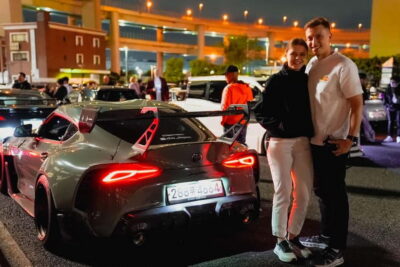 ★ 4.9Legendary JDM CAR Daikoku Underground MeetupFrom $82360 reviews
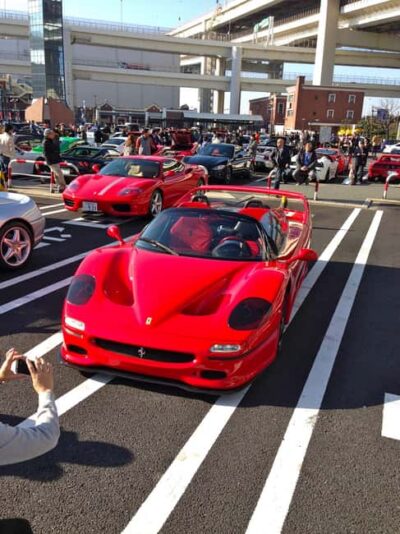 ★ 4.6Go Daikoku PA Fast & Furious 3 Sports Car MeetupFrom $49356 reviews
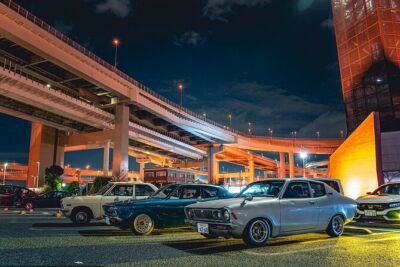 ★ 4.5Daikoku Car Club Temporary MembershipFrom $145275 reviews
This tour also belongs to