
Review · TOKYO CITY TOURS
Tokyo : Experience making a character bento
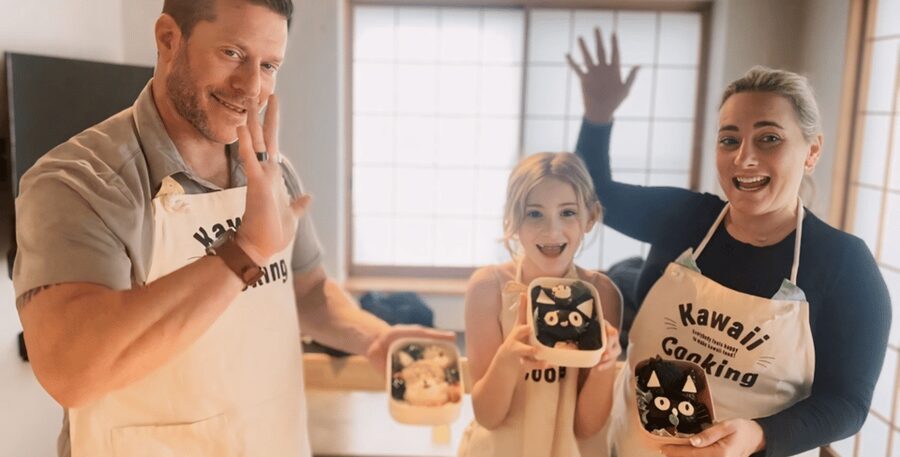
Paper-cut cute is serious food art. In this Tokyo character bento workshop, you learn how to build a lunch that looks like a stuffed animal and still works as real food. I love the way the bento design is photogenic, so you can plate it, look at it, and get proud before you eat it. One consideration: the class uses processed pork products like ham and sausages, so think ahead if you avoid pork.
What really makes this class worthwhile is that you learn bento culture in a hands-on way, not just through watching. You also get English instruction plus English recipes, which makes it easier to recreate the results later at home. And because it is built around cute characters and animals, it is genuinely fun for kids and adults, not just a gimmick.
Key things that make this class special
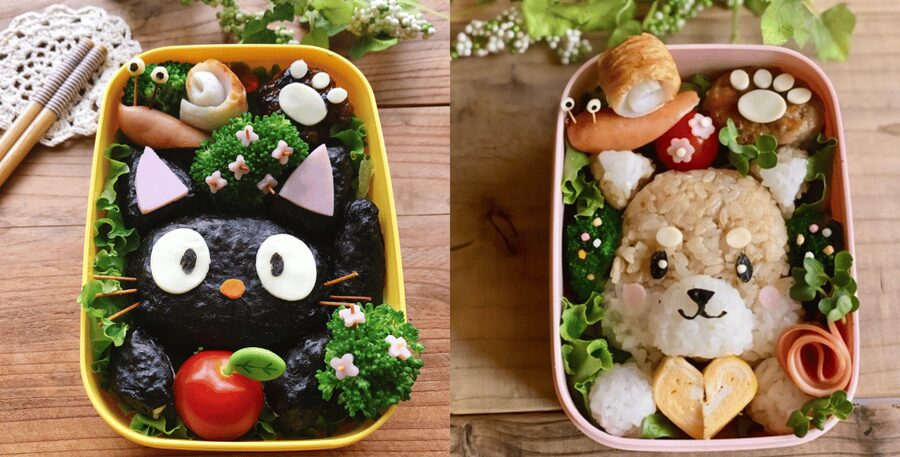
- Kawaii character bento that photographs well, so your lunch becomes the activity
- English-led instruction, plus English recipes so you can follow along confidently
- Tamagoyaki (rolled omelet) practice, a skill you can use again and again
- Side dishes you make alongside the main bento, so the plate feels complete
- A free apron and a souvenir, small touches that make it feel like a full experience
- A private group setup, which usually means you can ask more questions as you cook
A Kawaii Bento Class in Shinjuku: What You Actually Make
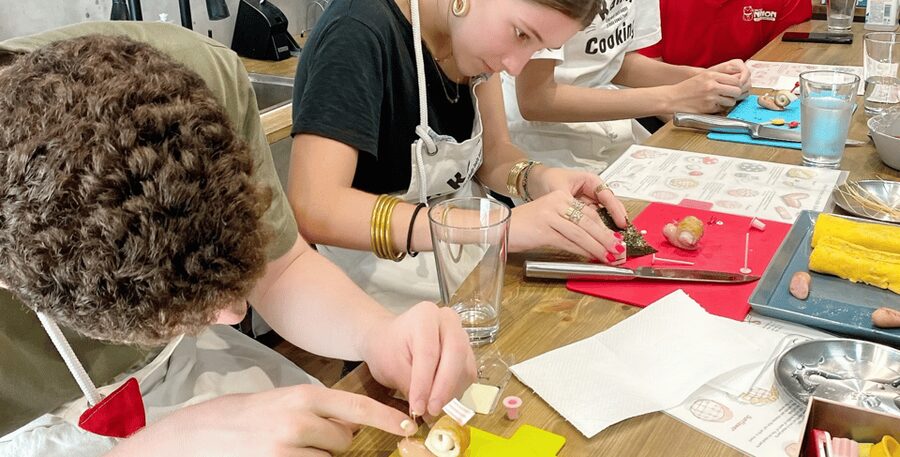
This is a 2-hour cooking experience with a simple promise: you leave with a kawaii character lunch you created yourself. The menu includes Kawaii character bento, tamagoyaki (rolled omelet), and several lovely side dishes that round out the plate. The focus is not on fancy restaurant technique, it is on building a cute, fun bento style meal you can understand and repeat.
You can expect the class to center on character and animal motifs, since that is the heart of the bento theme. It is the kind of project where you spend time thinking about shapes, placement, and how the lunch will read at a glance. And yes, it is the kind of cooking class where you will probably take a few extra seconds to admire your work before eating.
Because the class is private group and taught by an English instructor, the experience tends to feel more personal than a large group demo. That matters, especially if you are traveling solo, with kids, or just want the pace to suit you.
You can also read our reviews of more tours and experiences in Tokyo.



Learn Bento Culture by Building a Lunch With Character
Bento sounds simple until you try making one. In this class, the payoff is learning why Japanese bento feels different from a random packed meal. You learn how to shape and arrange food so the whole lunch has a clear story, from the character theme to the side-dish balance.
That is also why the experience lands for both children and adults. Kids naturally latch onto the cute character and animal elements, but adults can appreciate the care and intention that go into a well-designed bento. You do not just copy a pattern, you learn the logic behind it, including how the different components come together in a single box.
You will also get practical instruction on how to make Kawaii character lunch, which is the part that helps you connect the cute look to actual edible planning. The class is built around learning, not just tasting.
Tamagoyaki Skills: The Rolled Omelet Part That Feels Like Real Progress
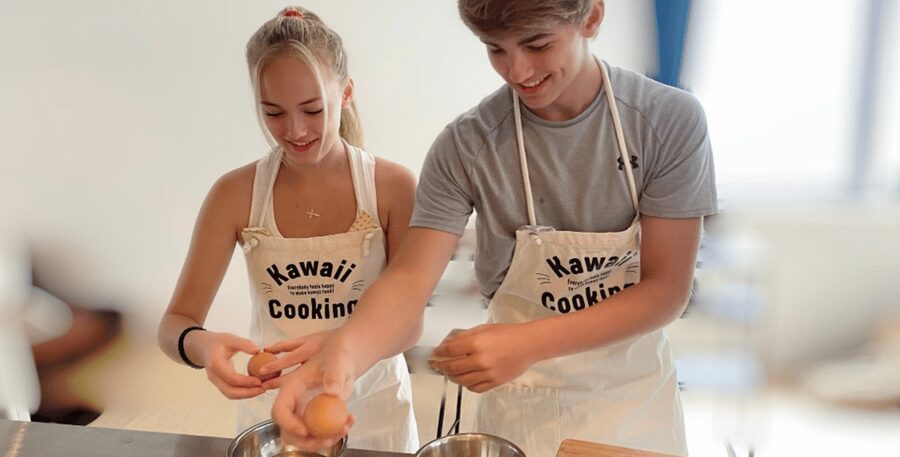
The tamagoyaki component is a smart choice for a bento class. Rolled omelet is classic Japanese comfort food, and learning it gives you a home-cooking win beyond the day trip.
In the class, you will get instruction on how to make omelets, with tamagoyaki named right in the menu. Even if your first roll is imperfect, the value is in understanding the basics: how the omelet cooks and how rolling and shaping fits into the bigger bento picture. Then you can bring that skill home and use it for future lunches, breakfast, or quick bento-style meals.
This is also where having English support helps. Omelet technique can be hard to translate by guessing, but English recipes and an English instructor make the steps feel followable. You also get to pair your omelet with the rest of your plate, so it is not a standalone cooking exercise.
What the Studio Provides, and Why It Matters for Value
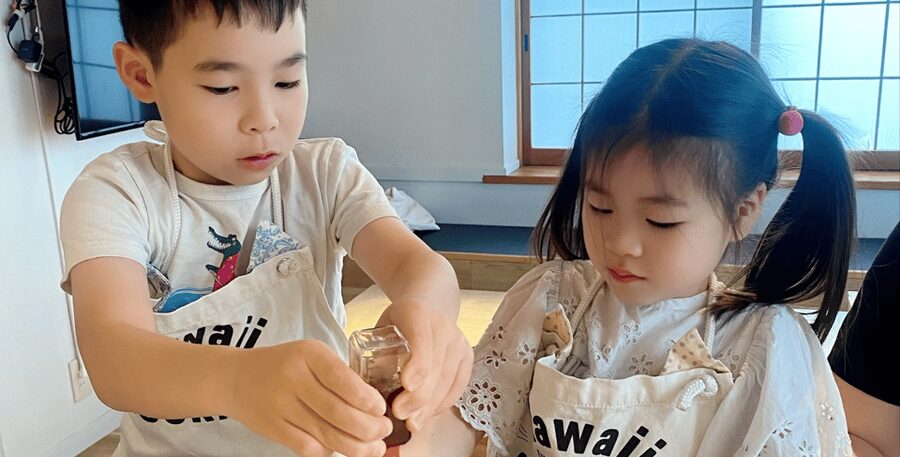
This experience is structured so you do not need to show up prepared like a chef. It includes the experience of making the character bento, plus the things provided during class. You also get hospitality service, a pre-lesson drink, and a free rental apron, so you can focus on cooking instead of logistics.
You receive English recipes as well. That matters more than people think. Cooking classes are often fun in the moment, but the real value shows up when you can recreate it. English recipes give you a way to bring the results home, even if you forget small details after the fun part is over.
There is also a souvenir selected carefully. It is not about being fancy, it is about making the experience feel finished. After 2 hours, you leave with something extra that connects you to the class theme.
One more detail to appreciate: the class uses processed pork products such as ham and sausages. That is not unusual in Japanese home-style cooking, but it is still important. If pork products are not okay for you, this class may not fit.
Diet Notes: Processed Pork Products and Simple Planning Tips
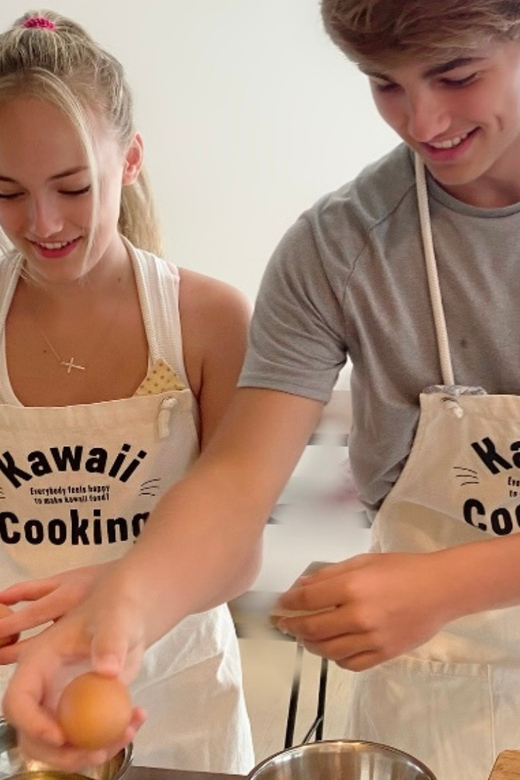
The class specifically mentions the use of processed pork products such as ham and sausages. That means some parts of your bento may include pork-based items, even if your bento also includes omelet and side dishes.
So your best move is to plan before you book. If you are avoiding pork for cultural, religious, or personal reasons, you will need to know what is in your menu components. The data does not list every exact ingredient, so it is worth asking the provider if you have restrictions.
If you are fine with pork but sensitive to processed meats, consider eating a smaller portion of any pork-heavy items and balance it with vegetables and sides. And if you are cooking for kids, it is helpful to check what parts are likely to be ham or sausage so you can decide what your child will enjoy.
This is one of the only clear drawbacks to flag, because the rest of the class is designed to be friendly and fun.



Price and Value: Is $113 Worth Two Hours in Tokyo?
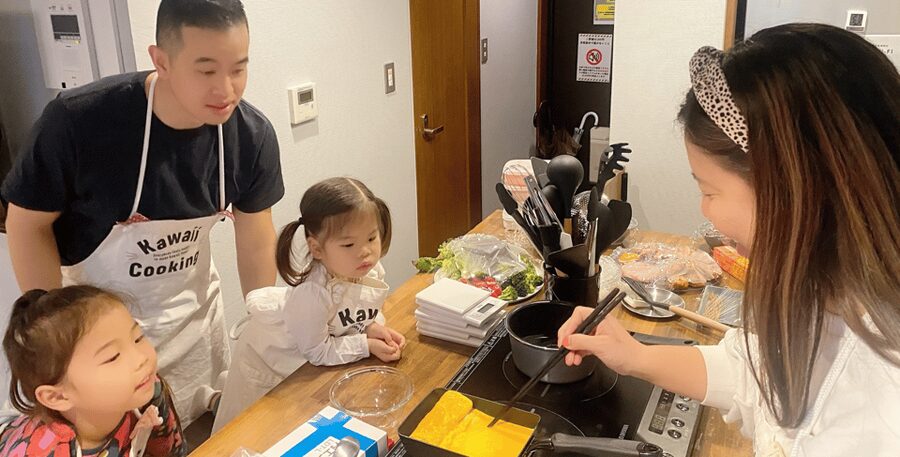
At $113 per person for a 2-hour class, you are not just paying for a meal. You are paying for instruction, provided materials, and the structured experience of learning multiple components: Kawaii character bento, tamagoyaki, and several side dishes.
The value is strongest if you want more than eating. You get to learn how to make a Kawaii character lunch, plus the omelet skills that extend beyond the bento theme. The inclusion list also helps: pre-lesson drink, free apron rental, hospitality service, English recipes, and a souvenir. Those are small line items, but they add up to a more complete, low-stress activity.
It also helps that the class is an English-led private group. Private instruction usually means you can ask questions and keep the pace right, rather than feeling lost in a big cooking room.
If your goal is only to eat cute food, you might find cheaper options outside a class. But if you want skills and a finished project you can bring home, this is a reasonable spend for Tokyo.
Who This Works Best For: Families, Solo Travelers, and Food-Crafters
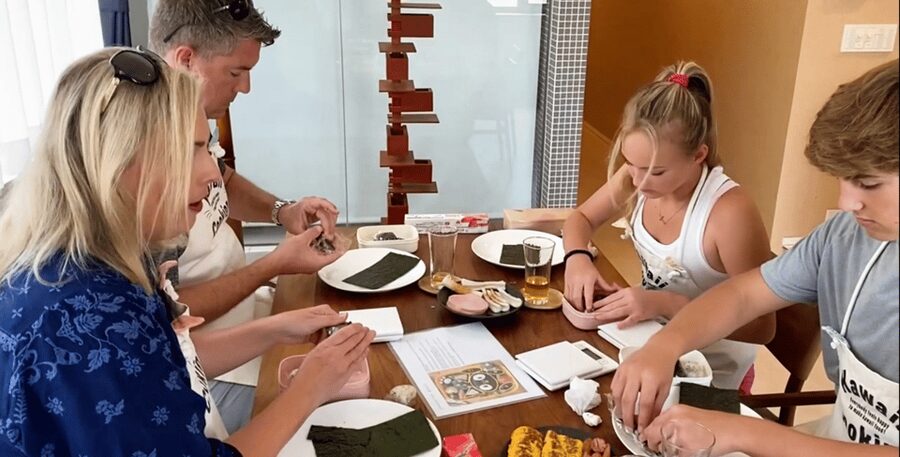
This class is built for fun, but it is also built for learning, which is why it works across ages. The character and animal motifs make it natural for kids, and the structure and technique make it satisfying for adults.
If you travel solo, the private group setup can make it feel less awkward. You will likely get more direct attention from the instructor while you shape your bento and learn the steps for the rolled omelet.
If you are traveling with kids, you get an activity that feels like play, while still teaching real food skills. You are not just watching a demonstration, you are making the lunch yourself, which is usually the difference between an activity that kids tolerate and one they actually enjoy.
If you are a “I love to cook but I do not know where to start” type, the English recipes are a big help. They lower the intimidation factor and make it easier to replicate the outcome later.
Meeting Point Reality: Shinjuku Studio Changes
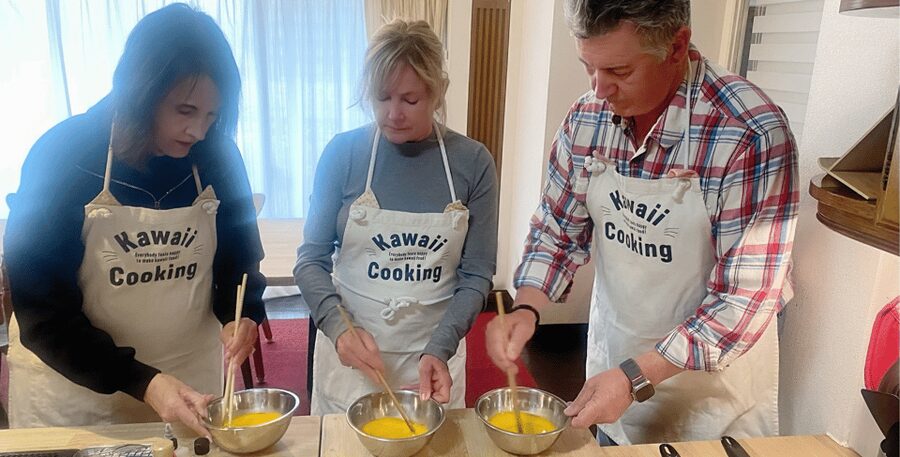
Your exact studio details come by email after booking, and the studio may be changed to another studio in Shinjuku. That is normal in Tokyo, and it actually reduces hassle since you get the accurate info sent to you instead of guessing based on a web listing.
When you plan your day, keep your buffer time tight but not nonexistent. You do not need hours of wiggle room, but it is smart to arrive early enough to settle in, pick up your apron, and start comfortably.
Should You Book This Character Bento Class?
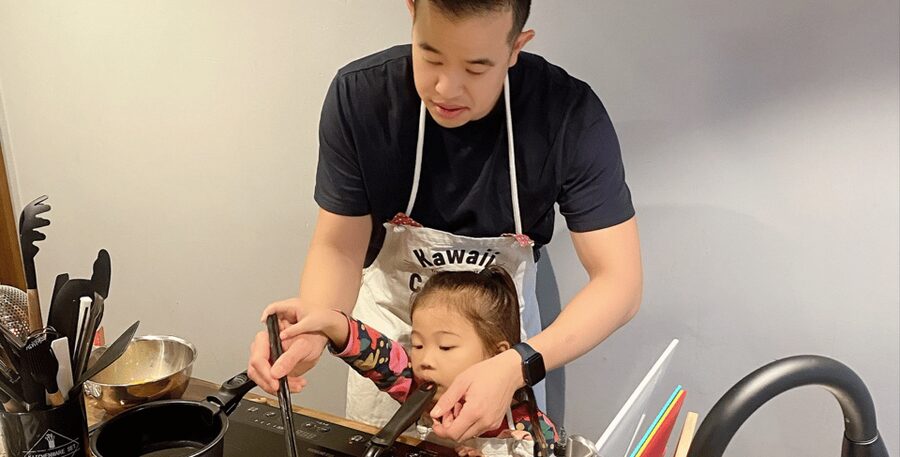
I think you should book it if you want a hands-on Tokyo food memory that is cute, practical, and shareable. The photogenic character bento angle is real, but the best part is that you also learn techniques and get English recipes you can use later.
I would skip it if pork ingredients are a dealbreaker for you, since processed pork items like ham and sausages are part of the class. If that is not an issue, this is the kind of 2-hour experience that feels fun in the moment and useful afterward.
FAQ
How long is the character bento experience?
The class runs for 2 hours.
What do you make during the class?
You make Kawaii character bento, tamagoyaki (rolled omelet), and several kinds of lovely side dishes.
Is the instructor available in English?
Yes, the instruction is in English.
What is included in the price?
The class includes the experience making the character bento, what is provided in class, hospitality service, a pre-lesson drink, free apron rental, English recipes, and a souvenir selected carefully. It also covers how to make the Kawaii character lunch and how to make omelets.
Where is the meeting point?
The studio is in Shinjuku, and after booking you will receive an email with the exact studio information. The studio may change to another studio in Shinjuku.
Can I cancel for a full refund?
Yes. Free cancellation is available up to 24 hours in advance for a full refund.
More Tour Reviews in Tokyo
Not for you? Here's more nearby things to do in Tokyo we have reviewed












Tokyo City Tours, side by side.
 ★ 5.01-Day Tokyo Bus TourFrom $12914,250 reviews
 ★ 4.5TOKYO SKYTREE® Admission ticketFrom $1311,192 reviews
 ★ 4.6teamLab Planets TOKYO Digital Art Museum Entry TicketFrom $259,779 reviews
 ★ 4.0Mt Fuji & Hakone Cruise, Drum Show Bullet Train 1 Day from TokyoFrom $1497,413 reviews
 ★ 5.0Shinjuku Food Tour (13 Dishes at 4 Local Eateries)From $866,603 reviews
 ★ 4.4Tokyo Mt Fuji 5th St & Hakone Cruise Bus Tour w/Bullet TrainFrom $1545,024 reviews
 ★ 5.0Flagship 2-Hours Official Street Go-Kart Tour – Tokyo Bay ShopFrom $644,974 reviews
 ★ 4.5From Tokyo: Mount Fuji Full-Day Sightseeing TripFrom $684,970 reviews