
Review · TOKYO CITY TOURS
Tokyo: Fast & Furious Tokyo Drift 3 Experience (Kaila Yu SP)
Tokyo at night turns different when engines start. This Fast & Furious Tokyo Drift 3 style run mixes famous roads with real JDM culture, including the Daikoku car meet and iconic skyline stops. I really like the variety of cars you may ride in, from Skylines to Evos, and I also like that the night includes multiple “you can only see this at night” viewpoints. One drawback to plan for: it is not a private tour, and car choice depends on what is available the night you go, plus some seats can feel tight since cars fit 2 to 3 people.
The route is built for night energy. You meet at Store TOKYO VIDEO GAMERS (with a free Guaraná drink and free arcade time), then cruise through the Wangan/C1 area and tunnels, hit Daikoku PA, spend time at A-PIT Autobacs, and wrap with big Tokyo views like Rainbow Bridge plus Tokyo Tower or Shibuya Crossing. If you want a calm, sightseeing-by-foot kind of evening, this is more “ride and chase the lights” than “slow tour.”
It also helps to know the basic rhythm. The tour runs every night with a group format, typically 10 to 30 cars, so you get a social car-meet atmosphere without the cost of a fully private booking. You’ll also get multilingual support and pro drivers who know the best routes, and you should show up at least 15 minutes early so you are not rushed.
Key points before you go
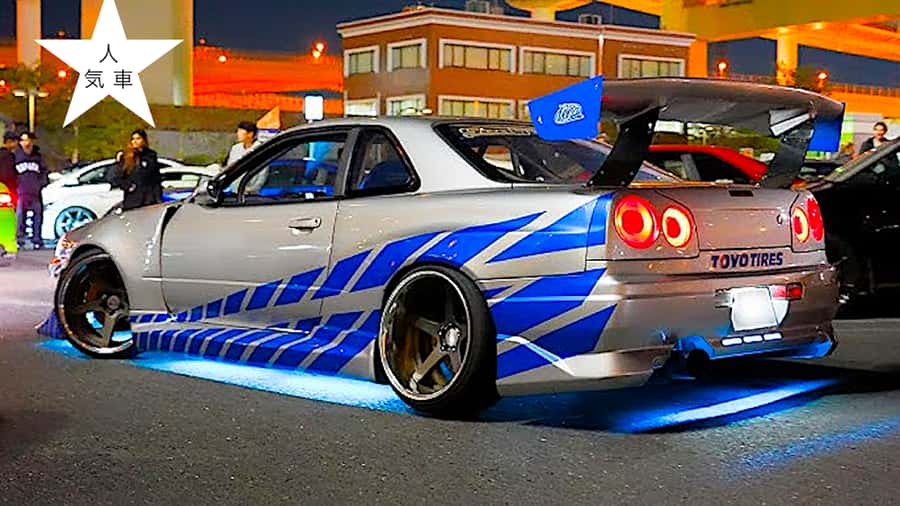
- Daikoku PA entry is free, and the night car-meet vibe is the whole point.
- A-PIT Autobacs is a real stop with about 30 minutes for browsing.
- Iconic Tokyo night views include Rainbow Bridge, plus Tokyo Tower or Shibuya Crossing.
- English plus other languages are supported depending on your guide and group.
- Not private, 10 to 30 cars means the specific car you ride can vary by availability.
- Free drop-off is included anywhere in Tokyo’s 23 wards.
Store TOKYO VIDEO GAMERS meet-up: start with a drink and arcade time
The night begins at Store TOKYO VIDEO GAMERS, which is a fun choice because it sets the tone before you even get in the car. You get a free Guaraná drink and arcade time for free, so you are not just standing around waiting for departure.
This is also where the group energy forms. You’ll likely see the vibe shift from casual visitors to gearheads, and that matters because the rest of the night is built around momentum. Arrive at least 15 minutes early, since the tour has a late-arrival limit and they will not keep waiting forever.
Practical tip: wear comfortable clothes and shoes. Even though most of the experience is driving, you will still be walking a bit for meet-up phases, viewing stops, and photos.
You can also read our reviews of more tours and experiences in Tokyo.



How the Wangan/C1 run and Tokyo tunnels are paced
Once you roll out, you get the “why Tokyo at night is special” feeling fast. The route is centered on the Wangan/C1 stretch and tunnel riding, then it connects you into the next iconic photo and car-meet moments.
This isn’t a random drive. The drivers are local residents and car enthusiasts, and they plan routes to keep the trip both exciting and safe. In reviews, you see the same theme again and again: drivers balance speed with control, and many guides take time to explain what you are looking at during stops.
Also note how speed shows up in the experience. Some reviews describe really fast moments, with one person mentioning speeds over 206 km/h, so if you get motion sick or you hate adrenaline, you should think carefully. If you are comfortable on night drives and want the “movie energy” vibe, this is right up your alley.
Daikoku Parking Area: the JDM car-meet moment (entry free)
Daikoku PA is the headline stop for a reason. It is where car enthusiasts gather, and you get the chance to see the scene up close rather than just reading about it. Even better for your wallet, entry is free, which helps make the price feel more justified.
What I like about Daikoku as a stop is that it is not only about cars. It is about community and atmosphere. You see the modified culture in the open, and the photos feel more real because you are standing among the people and the machines, not just watching from behind glass.
There is a practical side too. Daikoku moments can be busy because everyone is there to spot and photograph cars. The best way to enjoy it is to keep your phone ready, move with your group, and avoid getting stuck too long in one spot if the group is about to roll to the next landmark.
A-PIT Autobacs: 30 minutes of real Tokyo car culture shopping
After the road and meet-up energy, you shift gears at A-PIT Autobacs. You get about 30 minutes here, which is enough time to browse without turning it into a long retail detour.
This stop stands out because Autobacs is not a tourist souvenir shop. It is a car-supply place, so if you are even slightly interested in parts, accessories, and the tuning world, you’ll find things to look at. If you love Japanese car culture, this is where the trip connects beyond skyline photos and into the everyday consumer side of tuning.
The main tradeoff is time. Thirty minutes can feel short if you get deep into browsing, so go in with a plan. If your goal is photos and quick shopping, you are good. If your goal is full-on shopping time, you might wish you had more.
Rainbow Bridge plus Tokyo Tower or Shibuya Crossing at night
Tokyo’s “wow” factor is at its best after dark, and this tour uses that. You pass over Rainbow Bridge, with views of Tokyo Bay and Odaiba, then later you get a night scenic stop at either Tokyo Tower or Shibuya Crossing.
The Rainbow Bridge portion is especially memorable because it gives you a moving panorama. You are not stuck at one viewpoint, so you can feel the scale of the city and the water at the same time. Then the tower and crossing stops add the contrast, giving you the classic Tokyo skyline, and the kind of lights you only get at night.
One useful note: which exact viewpoint you get can vary. Some descriptions point to Tokyo Tower, others to Shibuya Crossing, so do not assume you will see both.
If you care about photos, bring a plan for timing. It is a night tour with multiple stops, so you will get moments that are short and bright. Be ready when the group is ready, and you will come away with better shots.



The cars you might ride in, and why car selection is not guaranteed
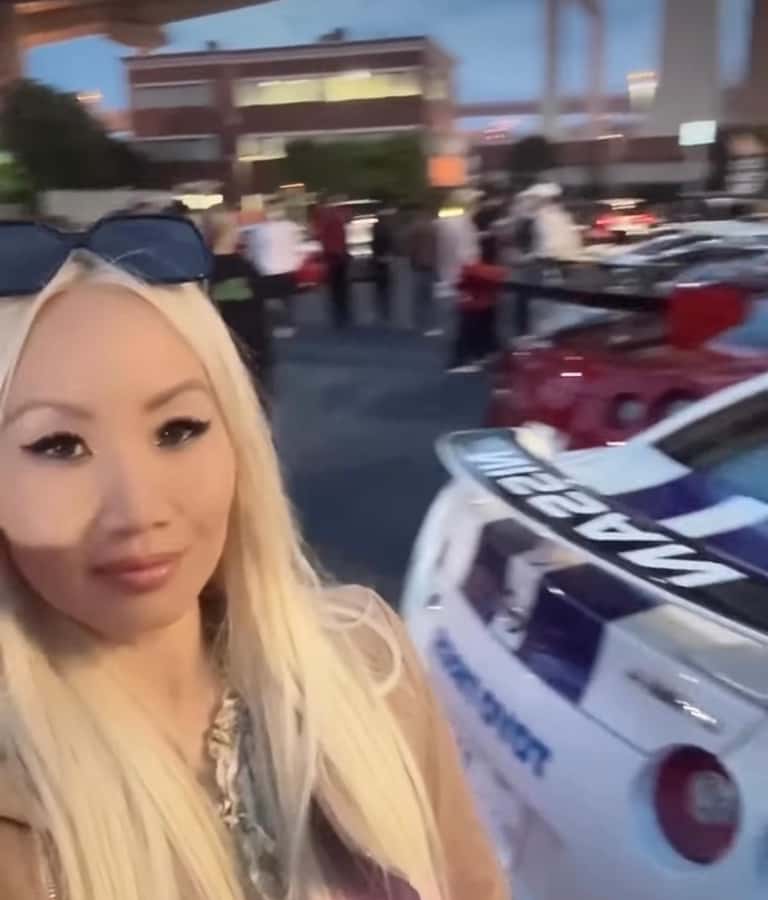
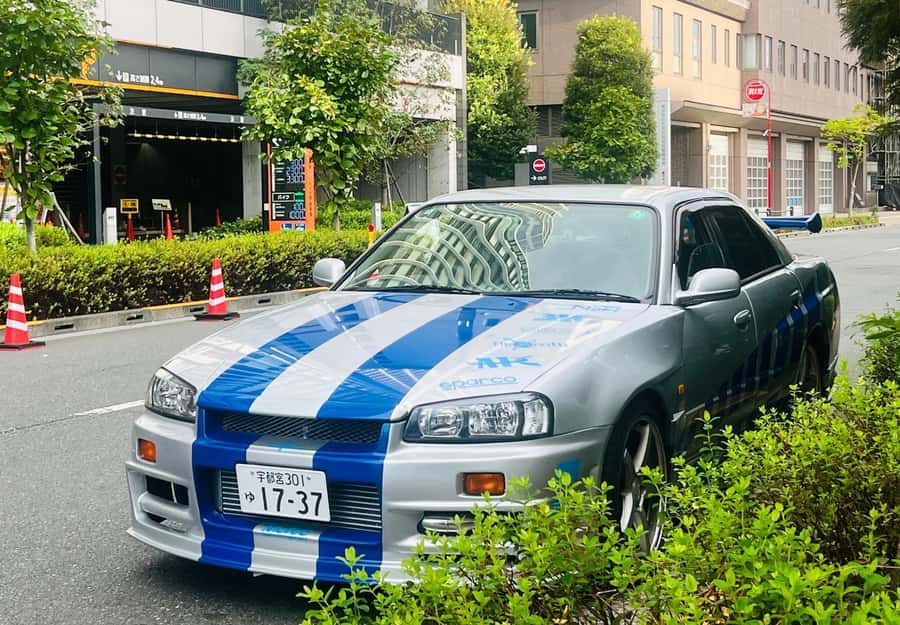
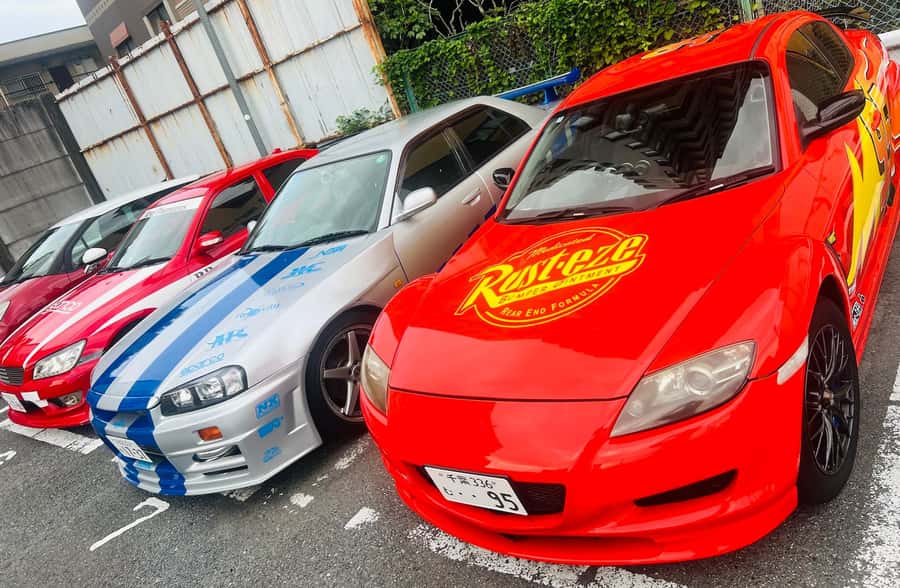
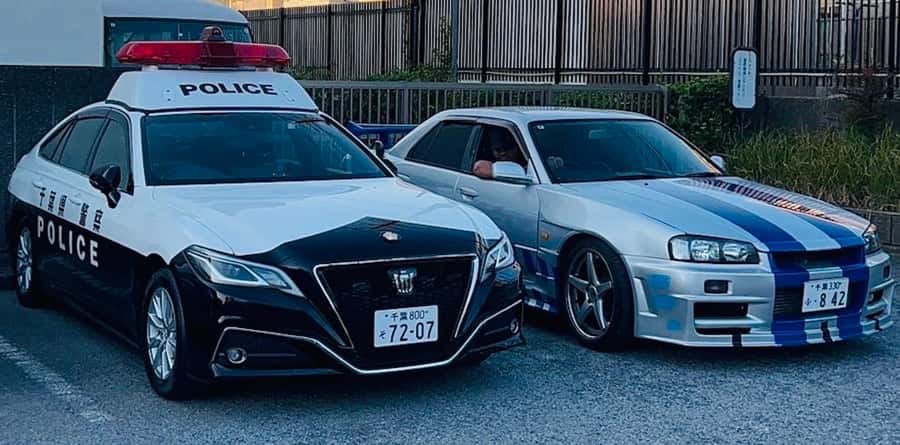
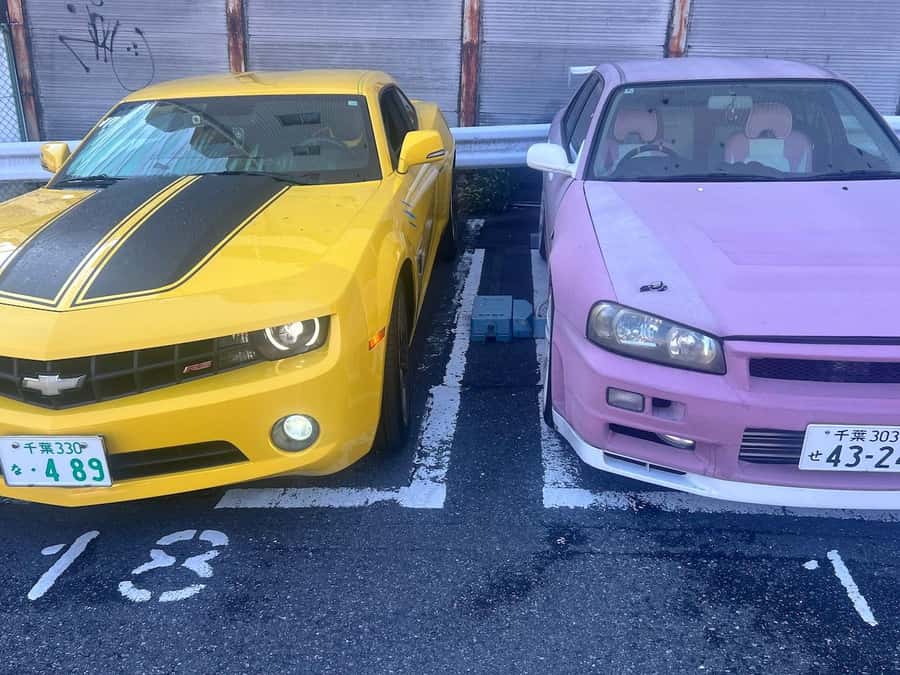
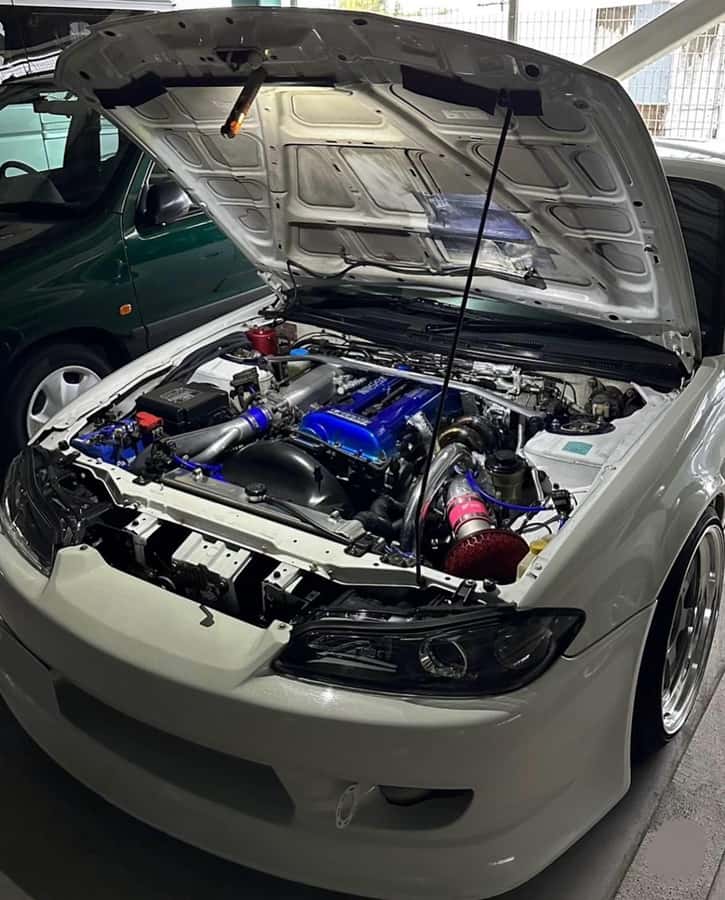
This experience is famous for the cars, and the range is the point. You may ride in cars such as Mitsubishi Evolution variants, Nissan Skyline GTR models like the R34 and R35, Lexus RCF, Subaru STi, Nissan Silvia models, Toyota Celica, Mazda RX8, and more. Some cars highlighted in the experience description include tuned legends like the Chaser drift car and various BMW and Camaro references.
In real-world terms, it means your night could feel like a rolling car lineup. Reviews also highlight specific driver pairings and specific cars, including GTR Nismo and other models, which shows how much the car choice can shape the memory.
Here is the consideration that matters for your expectations: it is not private, and car choice depends on reservation date and availability. If your dream car is the only one you care about, this is the key risk. They also mention that if you want private and choose cars, you should reserve about a week in advance and book the higher-ticket option.
Also remember vehicle capacity. Cars fit 2 to 3 people, and reviews include a note about back-seat size in a GTR. If you are tall or you dislike tight seating, this is worth factoring in when deciding.
Drivers and guides: what makes it feel safe and personal
A lot of tours claim safety, but this one leans hard on pro-driving and local car knowledge. The drivers are residents and car enthusiasts, and the tour is run by a registered tourism company that complies with legal requirements for passenger transportation.
What I take from the reviews is the human side. You see names like Kuroda, Lucy, Kaku, Kei, Kay, Masa, Vinicius, Akita, and Jeff showing up again and again, and the common threads are friendly communication, clear explanations at stops, and an effort to make the trip enjoyable even if language is limited.
Some guides used translators to share stories about Tokyo’s car culture, which is a big deal. It means you get more than just driving, you get context, and that turns the night from a thrill ride into a real cultural peek.
There’s also a “don’t leave anyone behind” approach. They mention a no-one-left-behind policy and a never-cancel rule, with WhatsApp communication if something goes wrong. For you, that translates to fewer “we lost the group” stress moments.
Price and value: what $157 buys you in a Tokyo night
At $157 per person, you are paying for four things at once: transportation, access to iconic stops, the car-meet moment, and a driver who knows how to run the route.
Fuel and tolls are included, and you also get stops at major sightseeing points plus free drop-off within Tokyo’s 23 wards. That hotel or Airbnb drop-off matters in Tokyo, because taxis and late-night rides add up fast, especially when you are trying to get back after dark.
You also get a real car-culture angle. Daikoku PA and A-PIT Autobacs connect you to the scene, not just the skyline. If you are coming to Tokyo specifically because of cars, the value feels much stronger than if your interest is only generic sightseeing.
Is it a bargain? Not really in the cheap sense. But for a Tokyo night built around driving, car meets, and landmark views, it is priced like a premium experience that tries to deliver the full package.
Who should book this Fast & Furious Tokyo Drift 3 night run
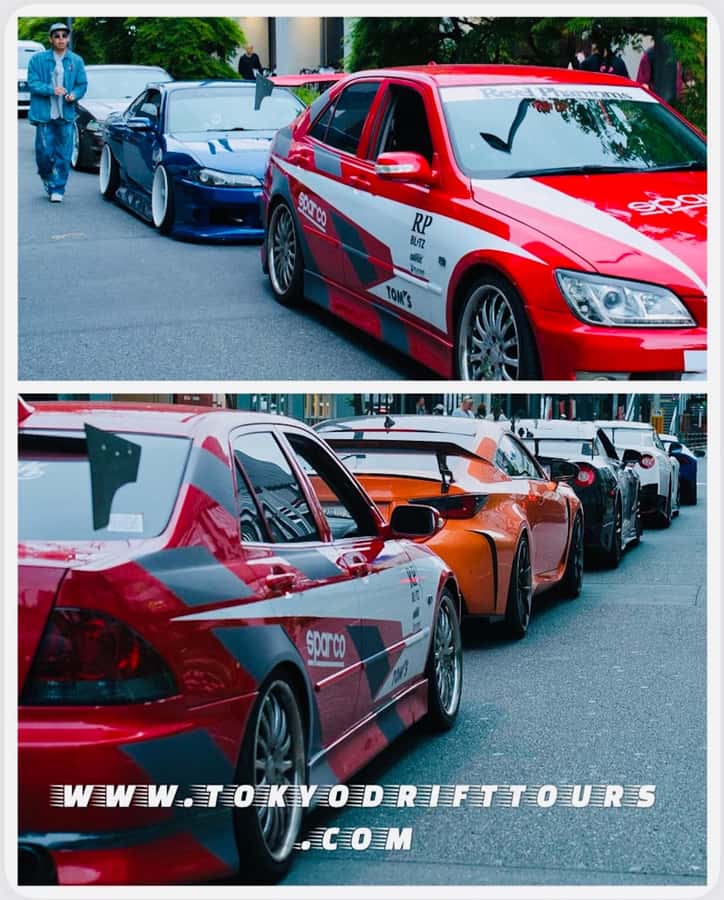
This tour is a great fit if:
- You love JDM cars and want to see them in the real meeting spots, not just on screens.
- You want a Tokyo night that feels like a storyline, Wangan roads, tunnels, bridges, and bright landmarks.
- You like active plans with multiple stops and photo opportunities.
It might not be the best fit if:
- You want a quiet, slow, history-heavy walking tour. This is mostly ride and view from the route.
- You care deeply about a specific exact car and cannot accept that availability may change the car you ride in.
- You are sensitive to tight seating in some sports cars, since vehicles can fit 2 to 3 and some back seats can feel cramped.
Should you book this Tokyo Drift 3 experience?
I’d book it if your Tokyo wishlist includes the classic night drive vibe plus real car-culture stops like Daikoku PA and A-PIT Autobacs. The best part is that the night is not just one location, it is a sequence of moments, with landmark views that look great after dark.
Book with two expectations set clearly: car availability can vary since it is not fully private, and timing is tight because you start at the meeting point and keep moving through stops. If you show up early, keep your WhatsApp ready, wear comfortable shoes, and go in excited about the cars, you should leave with the kind of Tokyo memory that sticks.
If you are hoping for a guaranteed specific car, plan ahead for the private car-choice option mentioned for a week in advance.
FAQ
Where does the tour meet?
The meet-up point is Store TOKYO VIDEO GAMERS. You start there with a free Guaraná drink and arcade time for free.
Is Daikoku Parking Area included, and is there an entry fee?
Yes, you go to Daikoku Parking Area, and the entry is free.
What happens at A-PIT Autobacs?
You stop at A-PIT Autobacs for about 30 minutes. It is described as the largest car-supply shop in Tokyo.
Will I be dropped off at my hotel or Airbnb?
Yes. There is a free drop-off at your accommodation within Tokyo’s 23 wards.
Can I choose the exact car I ride in?
Car selection can depend on your reservation date and what is available. The experience also notes that you can request private car choice with a higher-ticket option if you reserve about a week in advance.
What do I need to bring for the tour?
Bring a passport or ID card, and activate WhatsApp notifications so you receive updates before the start time. Wear comfortable shoes and clothes.
More Tour Reviews in Tokyo
Not for you? Here's more nearby things to do in Tokyo we have reviewed












Tokyo City Tours, side by side.
 ★ 5.01-Day Tokyo Bus TourFrom $12914,250 reviews
 ★ 4.5TOKYO SKYTREE® Admission ticketFrom $1311,192 reviews
 ★ 4.6teamLab Planets TOKYO Digital Art Museum Entry TicketFrom $259,779 reviews
 ★ 4.0Mt Fuji & Hakone Cruise, Drum Show Bullet Train 1 Day from TokyoFrom $1497,413 reviews
 ★ 5.0Shinjuku Food Tour (13 Dishes at 4 Local Eateries)From $866,603 reviews
 ★ 4.4Tokyo Mt Fuji 5th St & Hakone Cruise Bus Tour w/Bullet TrainFrom $1545,024 reviews
 ★ 5.0Flagship 2-Hours Official Street Go-Kart Tour – Tokyo Bay ShopFrom $644,974 reviews
 ★ 4.5From Tokyo: Mount Fuji Full-Day Sightseeing TripFrom $684,970 reviews