
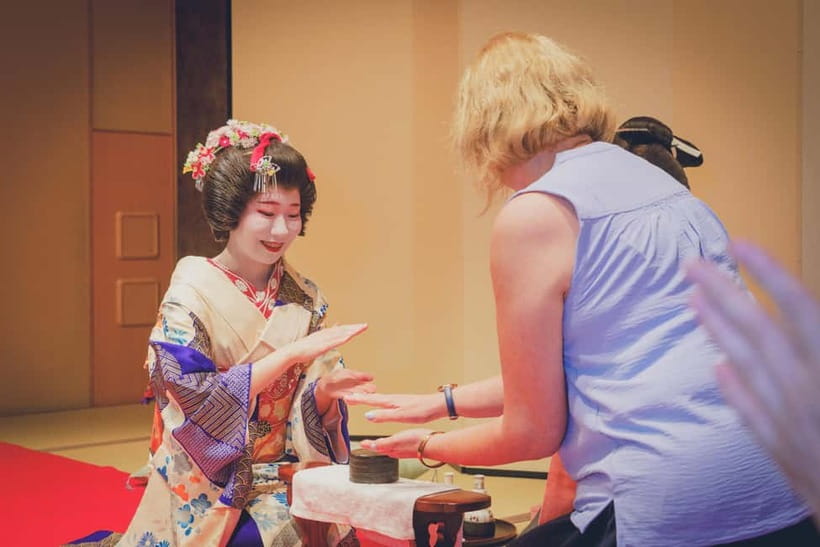
Review · ASAKUSA TOURS
Asakusa: Geisha Performance and Tea House Experience
A room like this in Tokyo feels like a time machine. At Miyakodori’s Ozashiki Tea House in Asakusa, you get a refined show with live shamisen music and a graceful geisha dance, then you move into an ozashiki-asobi game (Konpira Fune Fune) with real performers. The whole thing runs 75 minutes, so it stays focused and easy to fit into a packed day.
I especially like the chance to ask questions and interact, because it turns the performance into something personal instead of distant. I also love that the evening isn’t only about watching, you get matcha whisked fresh with seasonal sweets, then a commemorative photo with the geisha to take home. One thing to consider: you’ll need to order one drink per guest in addition to the complimentary matcha.
If you want a real-feeling cultural evening, Asakusa is a smart choice. The setup is intimate, and the mix of dance, music, playful games, and tea makes the experience feel balanced rather than stiff. A small drawback is that the food is light on purpose, you should plan meals outside the session since no full meals are included.
Key points to know before you go
- Real geisha in an ozashiki tea house setting, with an English-speaking host or greeter
- Live shamisen during the performance, so the music is part of the show, not background noise
- Konpira Fune Fune ozashiki-asobi game, a fun, talk-along tradition
- Fresh matcha and seasonal Japanese sweets, included as part of the 75-minute flow
- Commemorative photo with the geisha, a clear take-home keepsake
Asakusa Ozashiki Tea House With Live Shamisen and Real Geisha
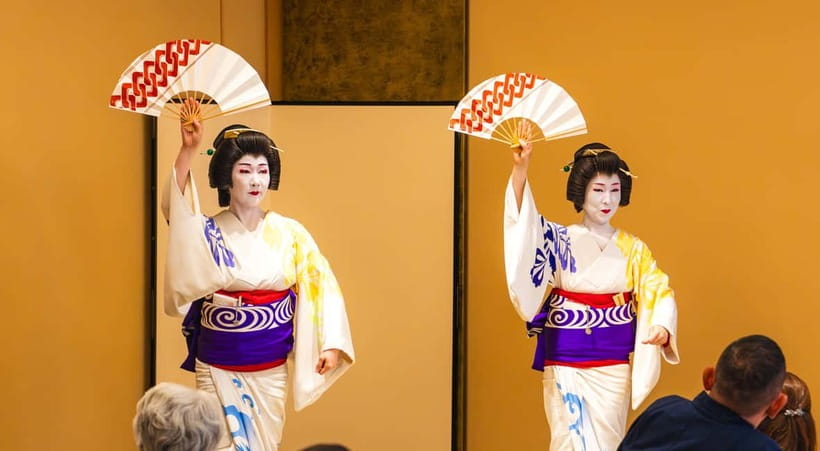
Asakusa is where Tokyo’s older vibe still shows up in doorways, alleys, and lantern-lit streets. This experience takes that atmosphere and turns it into something you can actually sit inside for 75 minutes. You enter Miyakodori’s Ozashiki Tea House, where the evening is structured like a small performance cycle: welcome, dance and music, a hands-on game, tea and sweets, then time with the performers.
What makes it especially interesting is that it’s not a “sit and watch” only format. The night is built around real interaction. Multiple bookings highlight that you can ask personal questions about their lives, and you’re not just watching from the sidelines. If you like cultural evenings where you can ask direct questions and learn what daily training and performance life look like, this format fits that taste.
You also get the live shamisen element in a way that matters. Shamisen music is expressive and instantly recognizable, but here it is tied to the dance performance rather than played separately. That keeps the show cohesive, and you’re more likely to remember it as one piece.
And yes, you get the iconic tea house moment too. Matcha and seasonal sweets aren’t tacked on. They act like a reset between performance phases, giving you a calm pause before the game and conversation portion.
What the 75 Minutes Actually Feels Like (Step by Step)
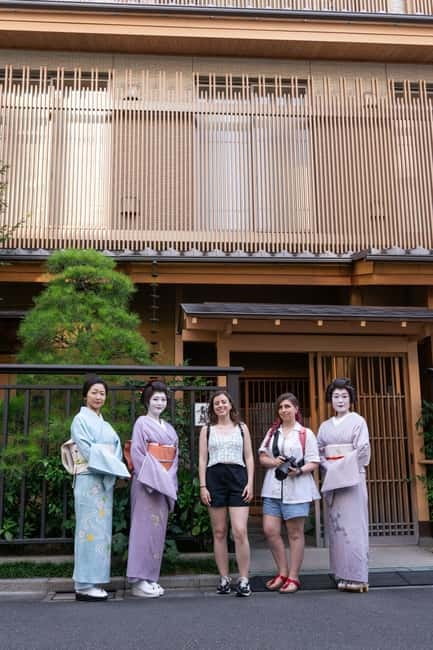
Think of this as a compact program with clear stages. You won’t be wondering what happens next.
First, there’s a graceful welcome when you arrive. The host or greeter is there in English, so you’re not stuck trying to interpret everything by gestures. You’ll get introduced to the flow of the night and what to expect from the performers and entertainment.
Next comes the main performance. The geisha dance portion is accompanied by live shamisen music, so you’re seeing the full performance package as it’s meant to be experienced. If you care about details like movement, timing, and costume presence, this is the part to focus on. One booking notes that performers were highly trained and the dance and costuming were impressive, and that matches what you’d hope for in a professional tea house setting.
Then you shift from watching to joining in. You’ll be guided through ozashiki-asobi, specifically the game Konpira Fune Fune. This is where the evening becomes more playful. The goal is not competition. It’s laughter and friendly participation, with the performers directing the energy. Several bookings say the room warmed up quickly once the game started, and that you get pulled into it as an active participant.
After the game, you get the tea and sweets portion. You’ll enjoy seasonal Japanese sweets alongside freshly whisked matcha. That matters because matcha quality is partly about freshness and whisking, not just the idea of drinking green tea. The way it’s served also helps reset the energy after a more active game.
Finally, you end with a commemorative photo with the geisha. That keepsake is included, and it gives the night a clean ending you can look back on later.
You can also read our reviews of more tours and experiences in Tokyo.



The Ozashiki-asobi Game: Why Konpira Fune Fune Matters
A lot of cultural shows stop at entertainment. This one keeps a traditional component that’s meant to be social. Konpira Fune Fune is an ozashiki-asobi game, and it’s designed for the tea room setting where everyone is close enough to hear, respond, and laugh together.
In practical terms, it’s a low-pressure way to participate even if you don’t speak Japanese. The host guides you through what to do, and the performers help set the rhythm. Several bookings highlight that the games were fun and that everyone ended up joining in, including people who started the night unsure what their role would be.
What I like about this part is that it’s culturally meaningful without being too serious. It’s the kind of tradition where you learn the vibe of the room more than just memorizing facts. You’ll likely remember how the game felt, not just that it existed.
Matcha and Seasonal Sweets: A Small Taste of Ceremony
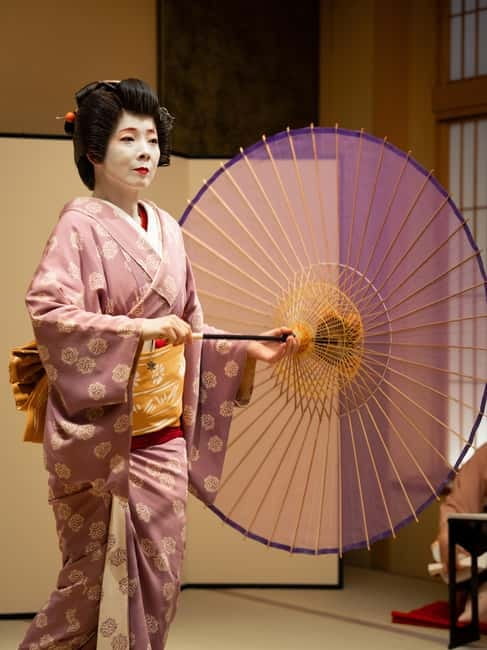
Even if you’re not a matcha expert, you’ll understand this part fast. The matcha is freshly whisked, and the sweets are seasonal Japanese treats included with your tea. That combination gives you variety, and it breaks up the evening so it doesn’t feel like a long performance marathon.
If you’re the type who likes to order matcha anyway while traveling, this is a better version of that instinct. Instead of a standard cafe matcha, you’re drinking it in the tea house context, with the evening’s pace built around it. It also gives you a moment to slow down, breathe, and take in the setting after the show and before the photo.
Also, this tea and sweets portion is one reason the price can feel more reasonable to many people. You’re not paying only for a dance. You’re paying for a full hour-and-a-quarter of structured cultural hospitality.
Price and Value: What $106 Buys You
At $106 per person for a 75-minute experience, you should look at value in two layers.
Layer one is the program itself. You’re paying for live performance elements (geisha dance and live shamisen), plus a guided traditional game, plus tea service with seasonal sweets, plus a commemorative photo. That’s a lot of moving parts packed into one sitting.
Layer two is access and tone. Multiple bookings specifically mention talking with the performers and asking questions. That access is part of what you’re really paying for. It’s not just watching. It’s learning in a setting that feels curated for a small group dynamic.
Now for the consideration. One drink order is required per guest, aside from the complimentary matcha. That means you should expect an extra cost depending on what you choose. In a practical way, it’s smart to decide ahead of time whether you’ll pick non-alcoholic or alcoholic, so there are no surprises when the drink menu comes up.
Also, transportation and meals beyond sweets are not included. If you’re planning your Tokyo day, keep this in the category of a ticketed cultural evening, not a full meal stop.
Who This Is For (And Who Might Want to Pass)
This experience is clearly aimed at people who want an up-close cultural moment without getting lost in a long itinerary. It works well for solo travelers, couples, and small groups. You also get English support from the host or greeter, which lowers stress for non-Japanese speakers.
You’ll likely enjoy it most if you:
- Want to see geisha performance in a respectful, traditional tea house format
- Like hands-on culture like ozashiki-asobi games
- Care about the details, live shamisen, and the rhythm of the evening
- Enjoy asking questions and learning what performance life looks like day to day
It might be less ideal if you:
- Only want a quick sightseeing stop with no interaction
- Are hungry and want a full meal included
- Expect the main event to be purely about sightseeing rather than ceremony and performance

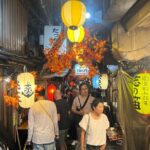

Small Group Comfort in a Formal Setting
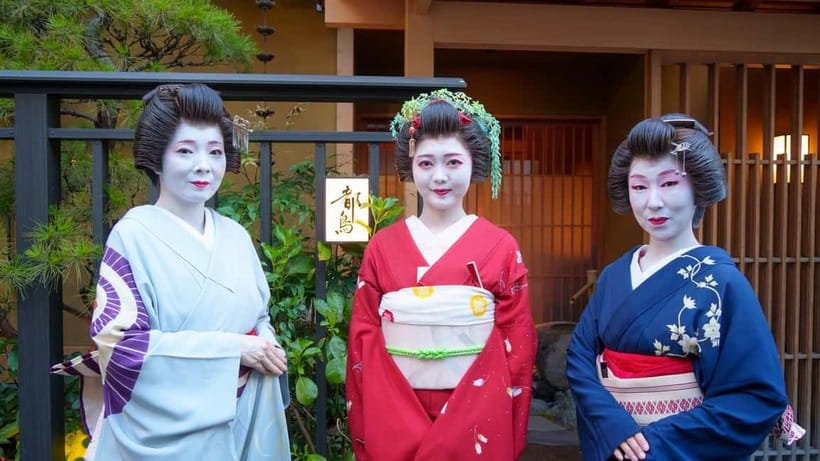
One of the strongest signals from the bookings is that the evening stays intimate. One group described an attendance of about 16 people, which is the kind of size that keeps the room feeling personal. You’re not lost among hundreds of seats. That matters because tea house culture is built around closeness and attention.
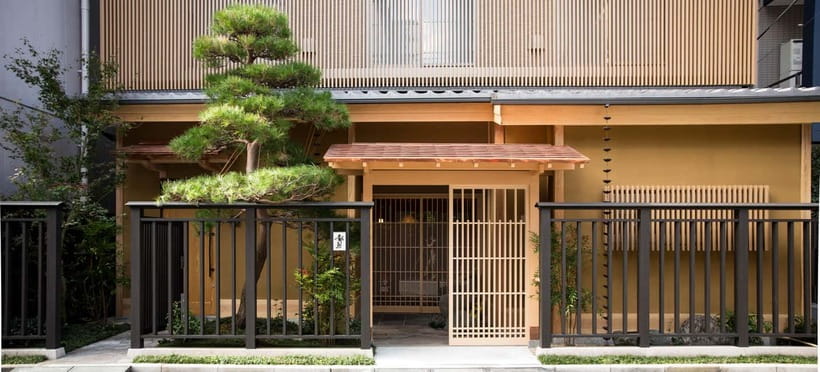
The setting is also described as elegant and welcoming. One booking mentions being placed on low stools in a banquet area and that there’s a kind of hidden-door arrival, which gives the night a sense of occasion. Even if you don’t need the drama of a secret entrance, the point is the same: you’re stepping into a room with rules, pace, and hospitality.
And the performers are not treated like distant legends. Several bookings mention friendliness and the chance to talk directly. That changes the tone from “entertainment for you” to “exchange with artists.”
Names and Performers You Might Meet
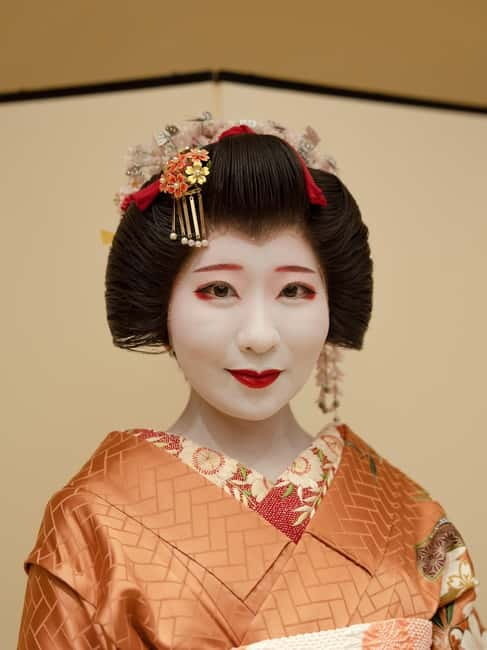
The evening features real performers. In at least one booking, the performers named were geiko Chizuru and maiko Tamaaki, and an accompanying shamisen and singing performer named Shisa was also mentioned. You may not get the same performers on your date, but it’s useful to know that the program can include both geiko and maiko, plus live shamisen accompaniment and singing.
This matters because it helps you understand what you’re actually seeing: training-level performance by working artists, not a costume act staged for a crowd.
Practical Tips That Make the Evening Smoother
Here’s how to make the night feel effortless.
- Plan your day so you arrive early. Multiple bookings recommend arriving earlier, and it makes sense in a tea house setting where you’ll want a calm start rather than rushing in at the last second.
- Expect a light food setup. You’ll have seasonal sweets and matcha, but no full meal is included. If you’re prone to getting hungry, eat a proper meal before you go.
- Decide your drink in advance. You’ll need to order one drink per guest aside from the complimentary matcha. If you prefer non-alcoholic, choose that ahead of time.
- Bring curiosity. The best parts for many people are the questions and conversation. If you have a few questions ready, like how training works or what performance preparation looks like, you’ll get more from the experience.
- Treat the room like a performance space. Keep your voice low during the dance and shamisen portions, and follow the host’s guidance for when to participate in the game.
Should You Book This Asakusa Geisha and Tea House Experience?
If your goal is a respectful, close-up cultural evening with live performance, interaction, and tea ceremony style hospitality, I think you should seriously consider booking.
Book it if you:
- Want geisha dance with live shamisen and a traditional tea house vibe
- Like experiences that blend watching, playing, and talking
- Want a real cultural moment in Asakusa that runs a tight 75 minutes
- Appreciate that matcha and seasonal sweets are included, not sold separately
Consider skipping or looking for a different style of ticket if:
- You want a full meal included
- You dislike paying an additional drink charge
- You prefer big sightseeing tours over intimate performance settings
For most people, this hits a sweet spot: premium cultural entertainment, English guidance, a playful game, and a matcha-and-sweets break, all in one compact sitting. If you’re trying to pick just one standout cultural activity in Tokyo’s older districts, this is a strong candidate.
FAQ
Where does this experience take place?
It takes place in Asakusa, a district in Tokyo.
How long is the experience?
The duration is 75 minutes.
Do I meet real geisha during this experience?
Yes. You’ll meet real geisha as part of the cultural program.
What entertainment is included?
You’ll see a dance performance, accompanied by live shamisen music, and you’ll play an ozashiki-asobi game (Konpira Fune Fune).
Is matcha included?
Yes. Freshly whisked matcha is included.
Are there food items included?
Yes. Seasonal Japanese sweets are included. Meals other than the sweets are not included.
Do I need to order a drink?
Yes. One drink order is required per guest, aside from the complimentary matcha.
Is there an English-speaking host or translator?
Yes. There is an English host or greeter.
What’s included besides the performances?
Seasonal sweets, matcha, the ozashiki-asobi game, and a commemorative photo with the geisha are included.
Can I cancel and get a refund?
Yes. Free cancellation is available up to 24 hours in advance for a full refund.
More Tour Reviews in Tokyo
Not for you? Here's more nearby things to do in Tokyo we have reviewed
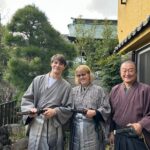






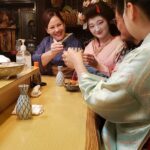




Asakusa Tours, side by side.
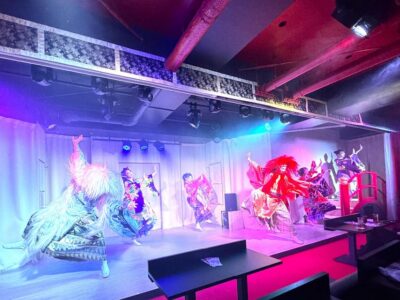 ★ 4.8Japanese Dance Cabaret Theater Asakusa-Kaguwa TicketFrom $492,270 reviews
 ★ 4.7Meiji Shrine, Asakusa, Skytree Bus Tour and CruiseFrom $1221,986 reviews
 ★ 4.9Roll and Authentic Sushi Making Class in AsakusaFrom $581,957 reviews
 ★ 4.8Asakusa Walking Tour with Sensoji Temple VisitFrom $221,583 reviews
 ★ 5.0Tokyo Asakusa Rickshaw TourFrom $421,375 reviews
 ★ 4.5Tokyo Panoramic 1 Day: Meiji Shrine, Asakusa, Odaiba and SKYTREE®From $851,222 reviews
 ★ 5.0Tokyo Go Kart: Asakusa, Skytree, and Akihabara **IDP MUST**From $99988 reviews
 ★ 4.7Asakusa, Skytree & Akhihabara Go-Kart City ExperienceFrom $96761 reviews
This tour also belongs to