
A kimono walk in Asakusa is easy fun. This experience nails quick dressing and puts you steps from Senso-ji Temple for photos that feel real, not staged. One thing to consider is the 2-hour window, so you need to arrive on time to get the full styling flow.
I like that you can actually choose your look first, from traditional options to trendier lace kimonos, plus kids styles like Shichi-Go-San and 753 hairstyles. I also like the included basic hairstyling and the free Japanese props, because they save you time while still making your outfit photo-ready. The tradeoff is that the most advanced photo and beauty upgrades cost extra, so decide early if you want that pro result.
If you’re planning a Tokyo day around Asakusa, this fits neatly. You meet, get dressed, get styled, grab accessories, take photos, then head out on foot with your kimono until the rental ends.
Key Highlights You’ll Care About
- 1-minute from Asakusa Station and a 3-minute walk to Senso-ji means you spend less time traveling in street clothes.
- A wide selection of kimono types, including traditional kimonos, furisode, lace kimono, and hakama, plus kids 753 and Shichi-Go-San options.
- Basic hairstyling is included, with an upgrade option using cherry blossom accessories.
- Free Japanese props help you get great shots fast, without hunting around for props yourself.
- Group size is capped at 20, which tends to keep the flow from feeling chaotic.
- Multilingual support in Japanese, Chinese, and English, plus luggage storage and an easy return.
Why Asakusa Makes Sense for Kimono Photos
Asakusa is one of the best areas in Tokyo for a kimono day, because the setting already does half the work. You are close to Senso-ji Temple, plus landmarks like Kaminari-mon and the shopping street Nakamise, so the background naturally matches the outfit.
The route also makes walking practical. After you get dressed, you are set up to explore around the old-school temple district and even head toward nearby spots like Sumida Park, where your photos will look like you stepped into a different era.
You can also read our reviews of more tours and experiences in Tokyo.
Price and Value: What $31.30 Covers
At about $31.30 per person, this is one of those deals that only feels cheap if you expect it to be bare-bones. The rental includes the kimono, professional kimono dressing, basic hairstyling, and Japanese photo props.
What’s not included is where you should think strategically. Additional photography services and personal expenses cost extra, and there is a separate option for a pro photography upgrade. If you’re happy with phone photos and a few guide-style poses, you can likely skip upgrades and still get a great day.
Also, because the kimono experience is about 2 hours on-site, the price is really for turning you into a walking kimono person fast. In a city where time is expensive, quick styling plus a prime neighborhood location is the real value.
The 2-Hour Flow From Check-In to Stroll
The schedule is simple, and it works best if you treat it like a mini appointment. You arrive at your reserved time, and staff welcome you at reception at the satellite building location in Hanakawado.
From there, the flow usually goes like this:
- You choose your kimono style first
- A professional dresser helps you put it on and adjust the obi for comfort
- You move into basic hairstyling, with upgrade options if you want a more elaborate look
- You pick accessories like a handbag and geta (wooden sandals) to finish the outfit
- You take photos using the included props, then head out to explore
The big advantage here is momentum. You are not stuck waiting around for a long workshop. You get fitted, styled, and released in time to actually enjoy Asakusa the way you planned.
Choosing Your Look: Traditional, Lace, Hakama, and Kids 753
This is not one-size-fits-all, and that matters. The selection includes traditional kimono styles, furisode, lace kimono (a popular pick for Instagram and Xiaohongshu style photos), and even hakama.
If you’re traveling with family, you’ll appreciate that kids options are clearly part of the lineup. There are specific Shichi-Go-San and 753 kids’ hairstyles, plus special styling choices for children.
And if you want a more dramatic beauty look, the service includes options for Geisha/Maiko makeup. Not everyone needs that, but if you want the full effect for a special photo session, it’s available.
Getting Dressed Fast: Comfort and Obi Fit
The goal is comfort, not suffering. A professional dresser helps you with the kimono and makes sure the obi is adjusted properly, which is key if you plan to walk around for hours after.
This matters because kimono days fail in two ways: wrong sizing or weak adjustments. Here, the process is designed to get you into a wearable fit quickly, then send you out to enjoy the neighborhood.
You’ll also want to think about your day plan. Since you’re on your feet afterward, you’ll feel happiest if you treat your kimono time as the centerpiece activity, not something squeezed between long train transfers.
Hairstyle Options: Included Basic Style Plus Upgrades
The included package covers basic hairstyling, so you already get the traditional look that makes the kimono feel complete. For extra effort, you can upgrade to an elegant hairdo and add cherry blossom accessories.
This is a good choice point. If you only care about photos in the temple area, basic styling can be enough. If you’re planning longer roaming or want your hair to be the star of the look, the upgrade is where you’ll likely see the biggest visual difference.
Accessories and Props: The Photo Shortcut
Most people think about kimono first, but accessories often create the difference between costume and character. You can choose items like handbags and geta, which fit the Asakusa vibe perfectly.
Then there are the included Japanese props, which are a real time-saver. Instead of hunting for something Pinterest-worthy, you’re handed options designed for quick photo moments, right after you’re dressed.
If you want the best results, do your main photos early while you’re fresh and still in the best lighting. Then enjoy the stroll without turning every corner into a photo shoot.
Exploring After Dressing: Where You’ll Actually Go
Once you’re finished, your kimono day turns into a self-guided walk. The natural targets are the Senso-ji Temple area and the streets around Kaminari-mon and Nakamise, because those are the places where the kimono looks most at home.
One detail I’d flag: you can walk around in kimono for much of the day, with a timeframe extending to about 6pm in practice. That gives you flexibility to start near your check-in time and still take breaks as the light changes.
If your plan is to pair Asakusa with other Tokyo stops, set expectations. You’ll get the best experience by keeping this day focused on the Asakusa corridor, not by squeezing in too many distant attractions between trains.
Pro Photography Upgrade: When It’s Worth It
You can add extra photography services if you want something more polished than phone shots. There is a pro photography upgrade available, while other photography services are not included in the base rate.
Here’s the practical way to decide:
- Choose the upgrade if you want posed portraits and are okay paying extra for the result.
- Skip it if you’re traveling light, happy with your own photos, or planning to buy a few high-quality souvenir images instead.
Either way, you already get free props, so even without an upgrade you should still get fun, staged-looking shots without feeling awkward.
Multilingual Help and a Smooth Booking Day
This setup is friendly for international visitors. Support is available in Japanese, Chinese, and English, and you’ll get confirmation at booking time.
You’ll also use a mobile ticket, which makes check-in easier if you’re already bouncing between apps and transit cards. If you’ve ever arrived with a paper voucher in the wrong pocket, you’ll quietly appreciate this.
And because the location is near major transit, you are less likely to lose time if your train runs a few minutes off schedule.
Getting There, Meeting Point, and Returning the Kimono
You meet at the Hanakawado 1-chōme area in Taito City, at the satellite Fujibi building location (Japan, 111-0033 Tokyo, Taito City, Hanakawado, 1-chōme 52 サテライトフジビル). It’s designed to be close and easy.
The walk back is just as important as the walk out. The experience ends back at the meeting point, and you can take advantage of luggage storage. That’s a big win if you want to explore without dragging bags around the old streets.
The whole point is a low-stress loop: arrive, get styled, roam, return, go back to your normal day.
Who Should Book Makigawa Kimono Rental?
This is ideal if you want an Asakusa kimono day that feels structured but still free. It’s a strong match for:
- Couples who want coordinated photos near Senso-ji
- Families with kids, including kids who want Shichi-Go-San or 753 hairstyles
- People who care about choosing their own kimono style first, then customizing the look with accessories and hair
- Travelers who want help in multiple languages and a smooth, close-by location
If you prefer a totally DIY kimono adventure where you handle every step yourself, this may feel a bit too guided. But if you value speed, comfort, and not messing up obi fit, the professional dressing is the point.
If you are short on time in Tokyo, the 2-hour approximate on-site window is also a plus. You get the kimono experience without sacrificing your whole day.
Should You Book It?
Yes, if you want a kimono day that is close to the action and built for real strolling. The location alone helps, but the bigger win is the combination of included dressing, included basic hairstyling, and free photo props at a price that stays reasonable.
Book it if you’re aiming for that Asakusa temple-street look, especially around Senso-ji and Nakamise. Consider skipping optional upgrades if you’re happy with phone photos, because you can still end up with a polished result without extra spending.
One caution: treat the reserved time seriously. The whole experience flows well when you show up when they ask. If you’re late, you can easily miss the styling rhythm and end up rushed during the part you actually want to enjoy.
FAQ
How long does the Asakusa Kimono Rental Makigawa experience take?
It runs for about 2 hours (approx.).
Where does the experience start and end?
It starts at Japan, 111-0033 Tokyo, Taito City, Hanakawado, 1-chōme 52 サテライトフジビル, and it ends back at the same meeting point.
What is included in the rental price?
Included are the kimono rental, professional kimono dressing service, basic hairstyling, and Japanese props.
Are hairstyle upgrades available?
Yes. Basic hairstyling is included, and you can upgrade to an elegant hairdo with cherry blossom accessories. Geisha/Maiko makeup and special kids hairstyles are also offered.
Do they have kimono options for kids and Shichi-Go-San?
Yes. There are kids options including Shichi-Go-San and 753 kids’ hairstyles.
What kimono styles are available?
You can choose from traditional kimono options such as Komon and furisode, plus lace kimono and hakama.
Do I need to arrange a photographer?
No. Additional photography services are not included, but there is a pro photography upgrade available if you want it.
Is multilingual support offered?
Yes, services are available in Japanese, Chinese, and English.
Is cancellation free?
Free cancellation is available up to 24 hours in advance for a full refund, and the experience requires good weather.
More Tour Reviews in Tokyo
Not for you? Here's more nearby things to do in Tokyo we have reviewed



Asakusa Tours, side by side.
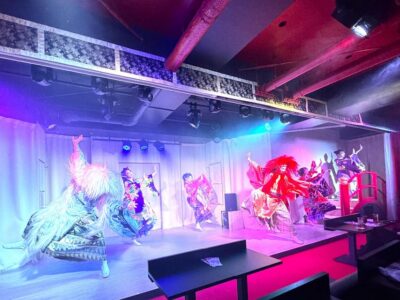 ★ 4.8Japanese Dance Cabaret Theater Asakusa-Kaguwa TicketFrom $492,270 reviews
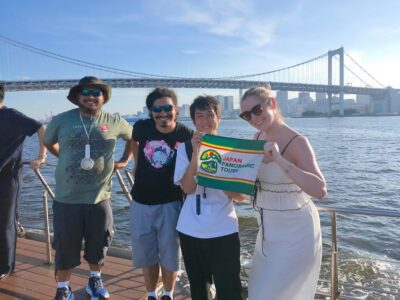 ★ 4.7Meiji Shrine, Asakusa, Skytree Bus Tour and CruiseFrom $1221,986 reviews
 ★ 4.9Roll and Authentic Sushi Making Class in AsakusaFrom $581,957 reviews
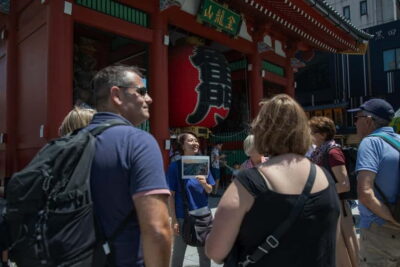 ★ 4.8Asakusa Walking Tour with Sensoji Temple VisitFrom $221,583 reviews
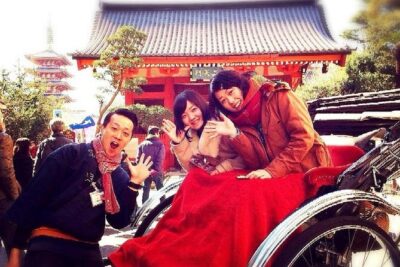 ★ 5.0Tokyo Asakusa Rickshaw TourFrom $421,375 reviews
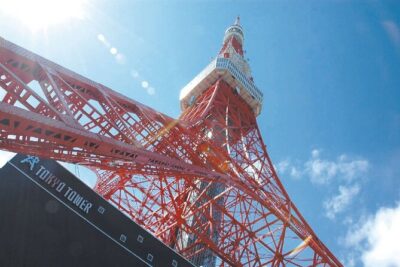 ★ 4.5Tokyo Panoramic 1 Day: Meiji Shrine, Asakusa, Odaiba and SKYTREE®From $851,222 reviews
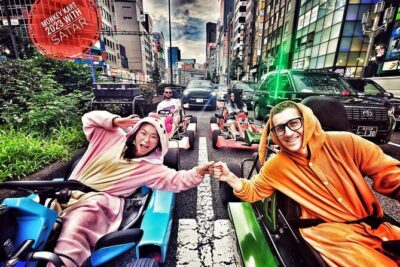 ★ 5.0Tokyo Go Kart: Asakusa, Skytree, and Akihabara **IDP MUST**From $99988 reviews
 ★ 4.7Asakusa, Skytree & Akhihabara Go-Kart City ExperienceFrom $96761 reviews
This tour also belongs to