
Review · ASAKUSA TOURS
Asakusa: Kimono Tea Ceremony with Matcha and Sweet
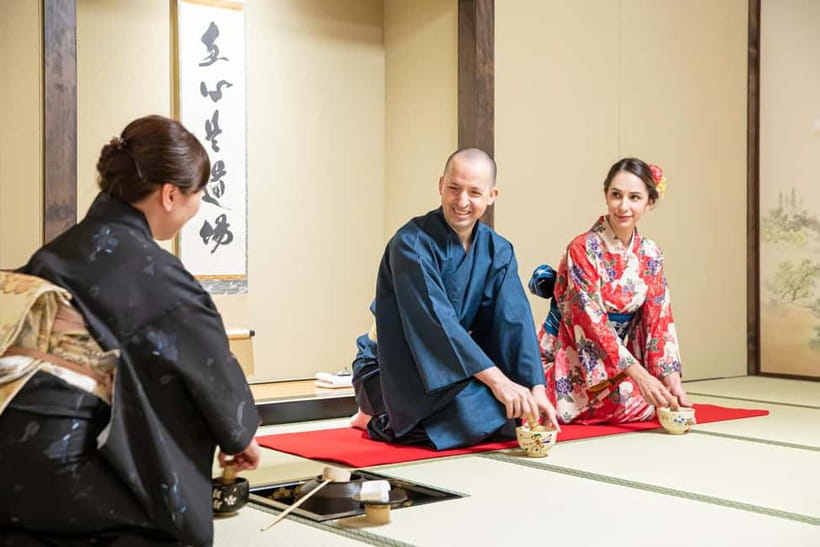
Tokyo’s calm starts with a kimono. This Asakusa tea ceremony pairs traditional matcha prep with full English guidance, plus the fun part, getting professionally dressed. I like that the staff walk you through both the look and the etiquette, so you are not guessing what to do.
The second big win is what you actually learn and taste. You get to hear the meaning behind Wa, Kei, Sei, and Jaku, then try whisking your own matcha and pairing it with seasonal wagashi. One drawback to plan for: the experience is quiet, and seating is on tatami mats (bamboo chairs are available only if you request them ahead of time).
Key takeaways before you go
- Kimono rental plus professional dressing with help choosing the obi and matching hairpiece
- Full English guidance with bilingual staff supporting the ritual step by step
- Learn the tea principles (Wa, Kei, Sei, Jaku) and see how tools are handled with care
- Hands-on matcha prep where you whisk your own bowl, not just watch
- Seasonal wagashi included alongside your matcha, with some options noted as vegan friendly in feedback
- Photos are part of the experience, including a small garden setup and staff support for couple and solo shots
Kimono tea ceremony in Asakusa: how the 90 minutes actually feels
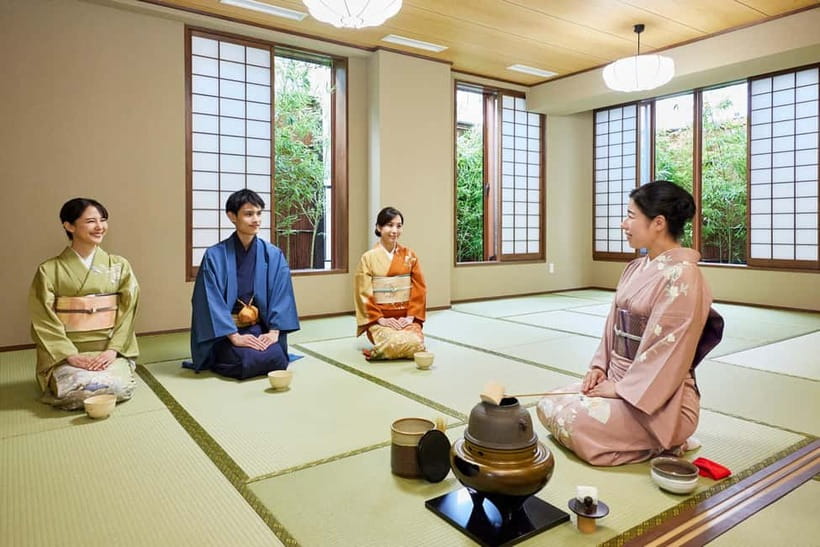
This is a 90-minute hands-on experience built around two moments: getting dressed in kimono, then slowing down in a tea room. Expect it to run at a steady pace, with clear guidance and lots of time to take it in, especially during the dressing and photography windows.
You’ll also be part of a small group, about 12 to 14 participants. That matters because the tea ritual is meant to be calm. You do not need a crowd-control mindset here. It feels structured, quiet, and respectful, even though there are multiple sessions running.
One practical note I’d keep in mind: the tour has a no-rush rhythm. If you’re the type who hates waiting, the dressing portion can feel like “planned time.” But if you like Japanese details, it’s the best kind of time.
You can also read our reviews of more tours and experiences in Tokyo.



Choosing a seasonal kimono and getting dressed like you mean it
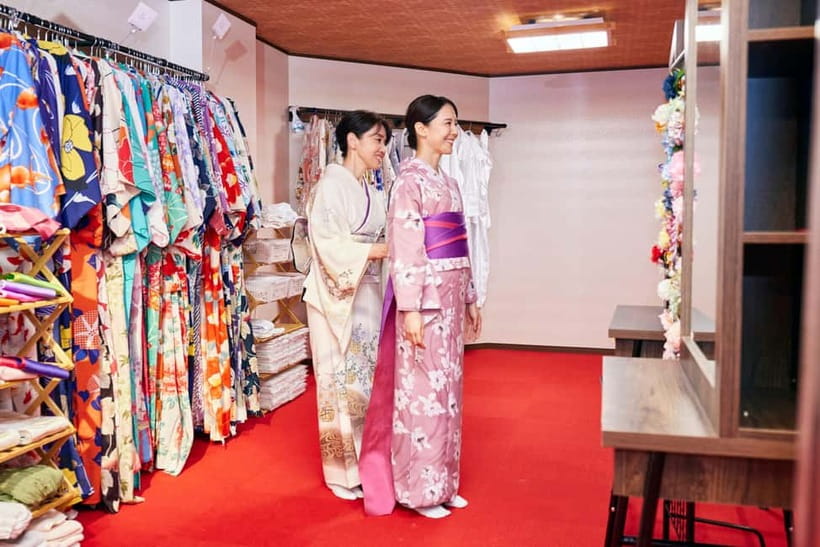
The experience starts with picking a seasonal kimono. You’re not left to figure it out alone. Staff help you select a color and pattern that works, then they handle the tricky parts like the obi placement and the finishing touches.
In the feedback, a few common wins pop up. People loved the wide range of colors and prints, and how the staff made the process feel easy. There are also repeated mentions that you can lean into your outfit for photos, with staged spots inside and a small garden area.
Hair styling is included for women, but there’s a clear limit: long hair only. If your hair is shorter or you are bringing a different style setup, you’ll want to ask ahead so you’re not surprised on the day.
Also, plan for the comfort tradeoff. Kimono dressing is gorgeous, but it’s not lounge wear. The good news is that the staff know how to fit and adjust so you can enjoy the ceremony without constant readjusting.
Inside the tea room: Wa, Kei, Sei, and Jaku made practical
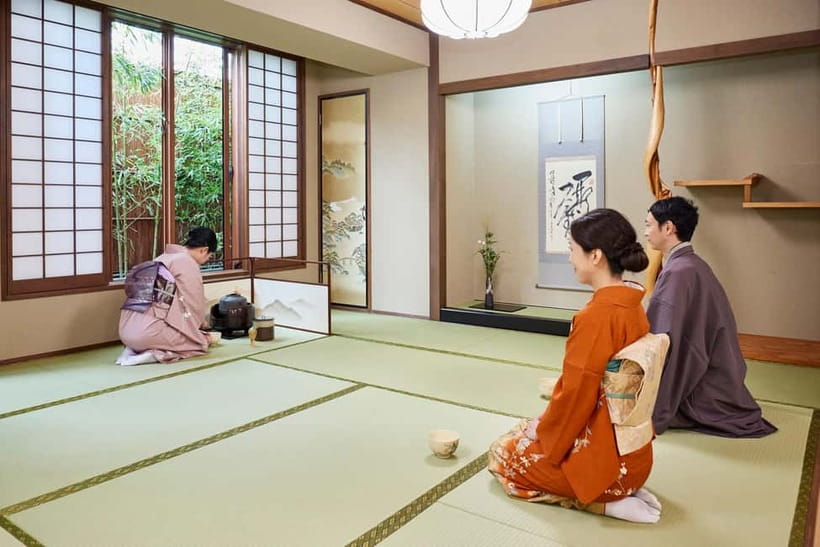
Once you’re in the tea room, the focus shifts from fashion to etiquette. Your tea master walks you through what the ceremony is about, including the meaning of Wa (harmony), Kei (respect), Sei (purity), and Jaku (tranquility). That sounds like philosophy, but it turns into behavior you can feel.
You’ll see careful handling of tools and utensils. The ceremony isn’t just about sipping matcha. It’s about timing, posture, and the small pauses between steps. Watching the host demonstrate how everything is prepared helps you understand why the process is precise, not just traditional for tradition’s sake.
In feedback, hosts named Mia, Wakana, Kyoko, and Yoko are mentioned as friendly and clear. That lines up with what you want here. If you are new to tea ceremony, you don’t need mystery. You need context, then practice.
Also, this is a quiet and calm experience. No loud commentary in the middle of the ritual. If your goal is photos only, this may feel slower than you expect. If your goal is learning and a respectful cultural moment, it lands well.
Whisking matcha and pairing seasonal wagashi
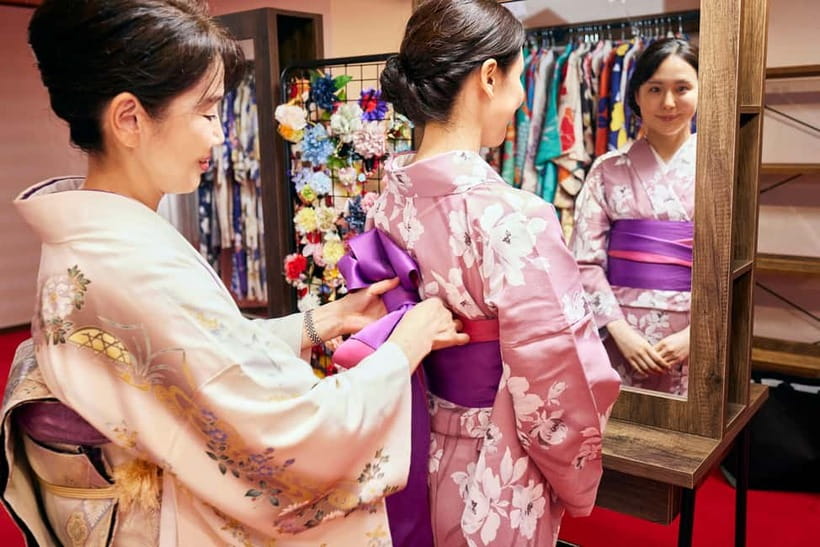
This is where you go from spectator to participant. You’ll watch the host prepare matcha using traditional tools, then you get to whisk your own bowl of green tea.
That hands-on moment is a big part of the value. It’s not difficult in a learn-by-doing way, but it does give you a sense of technique. You see the difference between a rushed bowl and a properly whisked one, and you feel the satisfaction of completing the steps yourself.
Then comes the tasting. Your matcha is paired with seasonal wagashi, Japanese sweets that reflect current flavors and colors. One detail I liked from the feedback is that some wagashi were described as vegan friendly. Since the specific selection can vary by season, treat that as a helpful sign, not a guaranteed menu.
If you have a sweet tooth, you’ll probably enjoy how balanced it feels. Matcha brings bitterness and earthiness, while wagashi tends to add sweetness and texture that make the tea experience more rounded than a plain drink.
Seating, no-shoes rule, and the bamboo chair option
This ceremony sits on tatami mats. That can be totally fine for many people, but it’s worth planning for. Tatami seating means you may be kneeling or sitting in a floor-friendly position for the duration.
There’s a smart workaround listed: bamboo chairs are available upon advance request. If you have knee issues, back issues, or you just want to be comfortable enough to relax, request the chair early. Don’t wait until you arrive, because that option depends on advance arrangements.
And yes, there’s a strict no shoes rule. Plan your outfit accordingly. You’ll want to wear easy, clean footwear that you can remove quickly. Staff will guide you on what’s appropriate once you get there.



Photos in kimono: small garden spots and staff help
The outfit part is a huge reason people book this. You’ll get time to take photos in staged photo areas, including a small garden setup and set locations inside. Many sessions include staff support for pictures, including help taking couple and solo photos.
In feedback, people also noted that they could dress in kimono and then go out afterward. Some even mentioned walking around afterward for a bit, though in colder weather the urge to stay outside might be lower.
What this means for you: if you want the kimono experience to last beyond the tea room, you should come ready to take advantage of that extra time. You can make the most of your photos by planning a nearby route where you’ll actually enjoy being in costume, not just standing around waiting for light.
Price and value for $66: what you’re paying for
At $66 per person for about 90 minutes, the value comes from what’s bundled.
You’re not only paying for a tea talk. You’re getting:
- Traditional tea ceremony guidance
- Kimono rental and professional dressing
- Hair styling for women with long hair only
- Matcha green tea preparation, plus whisking yourself
- Seasonal wagashi
- Full English guidance throughout
That’s a lot included for one ticket. If you’ve ever priced kimono rentals on your own, you know the costs can stack quickly once you add dressing support. Here, dressing, tea instruction, and food are part of the same program.
Who this is a good fit for:
- First-time visitors who want a cultural activity that is guided, not confusing
- Couples and friends who want shared photos and a memorable ritual moment
- Solo travelers who want friendly English support and structured steps
Who might want to think twice:
- Anyone who wants a high-energy, go-go-go activity
- People who need chair seating but might forget to request bamboo chairs ahead of time
- Families with kids, since children under 7 are not permitted
Should you book this Asakusa kimono tea ceremony?
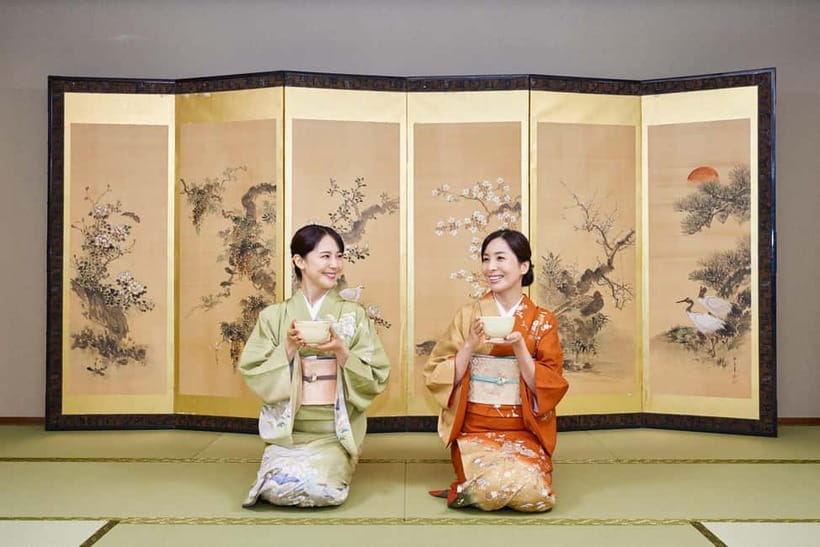
If your ideal Tokyo memory includes both learning and photos, I think you’ll enjoy this. The combination of kimono dressing, hands-on matcha preparation, and a calm, respectful tea ritual is a rare mix. The full English guidance is also a big deal, especially if you want the meaning behind the steps, not just the steps themselves.
Book it if:
- You want a guided cultural experience with clear instruction
- You care about presentation and don’t mind a slower pace
- You want to taste seasonal wagashi alongside matcha
Skip or adjust plans if:
- Floor seating is an issue for you and you can’t request a bamboo chair ahead of time
- Your travel style is all about fast movement and minimal time sitting
Bottom line: for $66, you’re paying for a full, packaged Japanese ritual experience, not just a quick photo stop. If that’s your goal, this is a strong match.
FAQ
How long is the kimono and tea ceremony experience?
The activity lasts about 90 minutes.
Is the tea ceremony on tatami mats, or are chairs available?
Seating is on tatami mats, but bamboo chairs are available if you request them in advance.
Are shoes allowed during the experience?
No. Shoes are not allowed.
Do you provide hair styling, and for who?
Hair styling is included for women, but it is for long hair only.
Are children allowed?
Children under 7 years old are not permitted.
What language is the instruction in?
The experience is offered in English, with full English guidance throughout.
More Tour Reviews in Tokyo
Not for you? Here's more nearby things to do in Tokyo we have reviewed












Asakusa Tours, side by side.
 ★ 4.8Japanese Dance Cabaret Theater Asakusa-Kaguwa TicketFrom $492,270 reviews
 ★ 4.7Meiji Shrine, Asakusa, Skytree Bus Tour and CruiseFrom $1221,986 reviews
 ★ 4.9Roll and Authentic Sushi Making Class in AsakusaFrom $581,957 reviews
 ★ 4.8Asakusa Walking Tour with Sensoji Temple VisitFrom $221,583 reviews
 ★ 5.0Tokyo Asakusa Rickshaw TourFrom $421,375 reviews
 ★ 4.5Tokyo Panoramic 1 Day: Meiji Shrine, Asakusa, Odaiba and SKYTREE®From $851,222 reviews
 ★ 5.0Tokyo Go Kart: Asakusa, Skytree, and Akihabara **IDP MUST**From $99988 reviews
 ★ 4.7Asakusa, Skytree & Akhihabara Go-Kart City ExperienceFrom $96761 reviews
This tour also belongs to