
Review · 1-DAY TOURS
Ashikaga Flowers Park Pvt. One Day Tour with Pickup
Wisteria blooms plus outlet shopping, in one day.
This private 10-hour Ashikaga tour lines up Ashikaga Flower Park with night illuminations, plus culture stops in Tochigi, and an easy shopping finish at Sano Premium Outlets. You also get a private ride with an air-conditioned vehicle and onboard hotspot so your day feels smooth rather than rushed.
I really like the mix of sights and pace. The Orihime Jinja stop includes a proper Shinto hilltop climb with red torii gates, and the day also touches serious learning culture at the Ashikaga School ruins. Then you have a full chunk of time for shopping and the Flower Park, so you are not just passing through.
One drawback to plan for is time in the car. It is a long day that starts at Tokyo Station and runs about 10 hours, and the road to Ashikaga can feel lengthy. Also, Flower Park highlight blooms depend on the season, so wisteria can be less than peak on some dates.
Key things to know before you go
- Private pickup from Tokyo Station, with return drop-off back at the meeting point
- 10-hour route that balances shrine, ruins, art, shopping, and Flower Park time
- Ashikaga Flower Park admission not included (plan around $10 USD per person)
- Art Museum admission not included ($5 USD per person), while other stops are free
- Night illuminations at the Flower Park are part of the experience plan
- Guide and driver support, and child seats plus an onboard hotspot are included
From Tokyo Station to Tochigi in One Private Ride
This is a true private day trip. Your group only shares the vehicle with the people in your booking, and you start right at Tokyo Station. That matters, because it keeps the day from turning into a hunt for trains and transfers when your time is limited.
The plan runs about 10 hours total. You get an air-conditioned vehicle and driver guide, plus an onboard hotspot. In practical terms, that makes it easier to keep directions straight, translate signs, and look up opening times while you wait for your next stop.
The itinerary includes a few short sightseeing blocks and one longer shopping block, so the day works best if you like a structured route. If you prefer wandering at your own speed for hours, this can feel planned. On the other hand, if you want the highlights without spending half the day commuting, this format is very efficient.
One caution: you will spend a meaningful chunk of your day on the road. For some people, that is fine. For others, it is the part that can drag.
More Tokyo tours and experiences for the shortlist

Ashikaga Orihime Jinja: Red Torii Steps for Love and Fortune
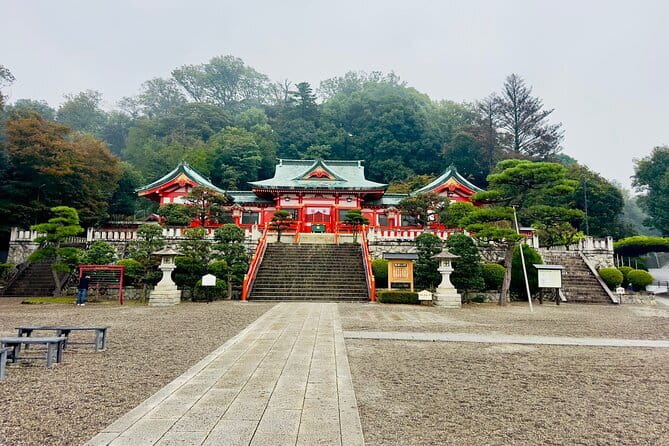
Ashikaga Orihime Jinja is one of those places you remember because it feels like a story you can walk through. It is a Shinto shrine connected to Orihime, a goddess associated with weaving, prosperity, and matchmaking, and to the legend of Orihime and Hikoboshi separated by the Milky Way.
The approach is part of the show. You climb roughly 200 steps lined with red torii gates, which creates a strong sense of arrival and progress. The shrine is on a hill, so it also offers panoramic views of Ashikaga City, with scenery that can be especially striking in cherry blossom season and autumn foliage.
This stop is also conveniently light on money. Admission is free, so you are paying mainly with time and energy. The climb is not described as extreme, but it is still a climb, so plan comfortable shoes and be ready for steps.
If you are the type who enjoys small rituals, this shrine fits well. It is known for prayers tied to matchmaking and for the idea of removing negativity. Even if you do not take part in the ritual side, the setting and the torii path are still worth your hour.
Ashikaga School Ruins: Where Confucian Learning Took Root
Next comes the Ashikaga School ruins, known as Ashikaga Gakko. This is the kind of cultural stop that gives context to Japan beyond temples and street food, because it connects to how education and scholarship developed in earlier centuries.
This site is considered Japan’s oldest academic institution. It is believed to have started in the 9th century, with major prominence during the 15th century. At its peak, it became a major center for Confucian and classical Chinese studies, with students arriving from across Japan to study topics like philosophy, medicine, military strategy, astronomy, and Buddhism.
One detail that makes the site feel more real is the connection to Oda Nobunaga, who praised the school as Japan’s foremost learning center. It is not just a random ruin. It is tied to a major figure in Japanese history, even though the experience here is obviously about what remains today.
This stop is scheduled for about an hour and is free. That makes it easy to include without turning your day into a museum marathon. Realistic expectations help here: with ruins, you are there to see remnants, read the explanations on site if available, and connect the place to the broader story of learning.
Ashikaga Art Museum: Modern Exhibits in a Calm Setting
The Ashikaga Art Museum gives your day a breather. It is built around Japanese and international contemporary art, with a focus on modern Japanese artists and temporary exhibitions. The museum itself mixes traditional Japanese design elements with modern touches, which keeps the mood from feeling like a warehouse.
This stop is about an hour. Admission is not included, and the museum fee is listed as $5 USD per person. If you love art and want time to actually look, an hour is decent. If you are more of a quick-scan person, you might feel it is short, so decide based on your own style.
Because the museum has temporary exhibitions and events like lectures and workshops, the content can vary by date. The value here is less about one permanent masterpiece and more about getting a cultural pause between the more outdoorsy Flower Park segment and the shopping at the outlets.
Sano Premium Outlets: Brands and a Mountain-View Break
After culture, you get a straightforward payoff at Sano Premium Outlets. This is one of the larger outlet malls in the area, and it runs an open-air style layout modeled after American outlets.
The mall has over 180 stores, with a mix of Japanese and international designer brands. It is part of the Premium Outlets chain managed by Simon Property Group. The setting also includes views of surrounding mountains, including Mount Mikamo, which is a nice bonus if you like to snack, walk, and keep an eye on the scenery.
This portion of the tour is scheduled for about 3 hours and admission is free. That length is practical. You need time to browse, compare prices, and still fit in meals without panic. If you rush through outlets, you can end up buying nothing or buying the wrong sizes.
Practical shopping advice: go in with a rough list. Outlet shopping is easier when you know what you want, especially with sizing. And if you are sensitive to walking distances, wear shoes you can stand in, since it is open-air and you will cover ground.

Ashikaga Flower Park and Night Illuminations: Wisteria Is the Star
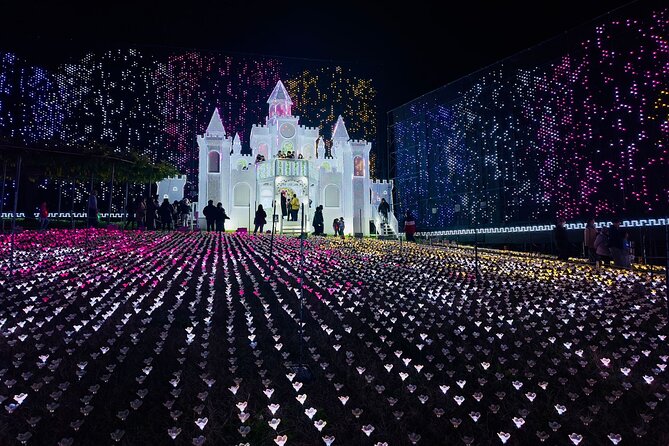
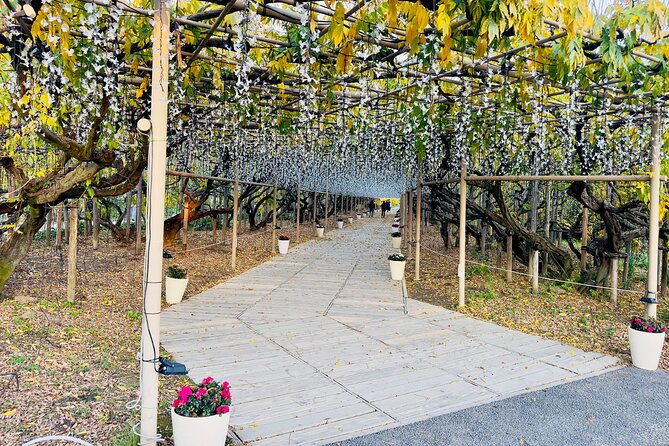
This is the main event. Ashikaga Flower Park is known for major seasonal flower displays, with wisteria as the signature highlight. The park covers about 94,000 square meters and has flowers across the year, including wisteria, roses, tulips, and azaleas.
The park is especially famous for its Great Wisteria Festival in spring, when massive wisteria trellises bloom in shades of purple, pink, white, and yellow. One standout attraction is the Miracle Great Wisteria, which is listed as over 160 years old. If you are going specifically for wisteria, this is the plant you came for.
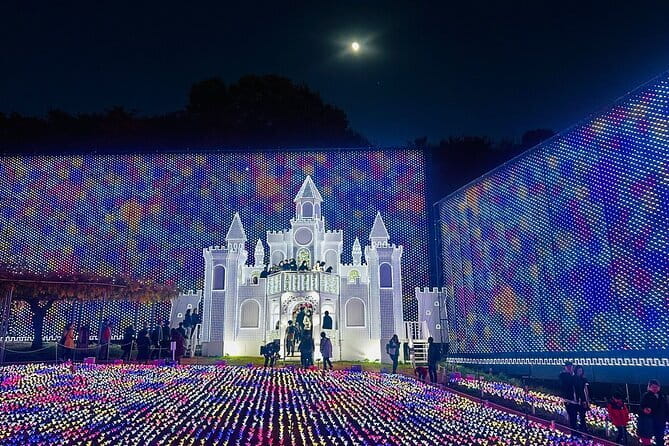
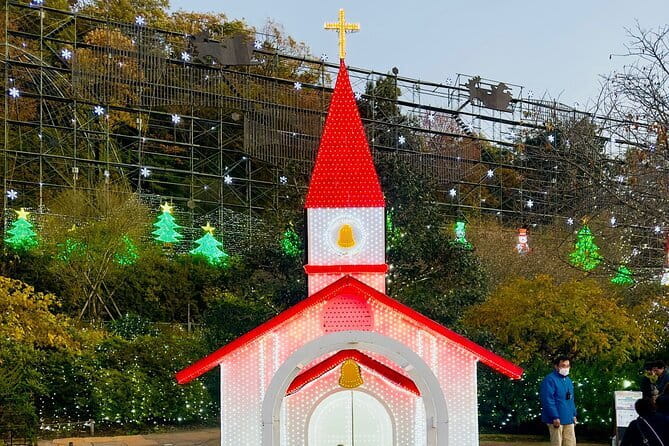
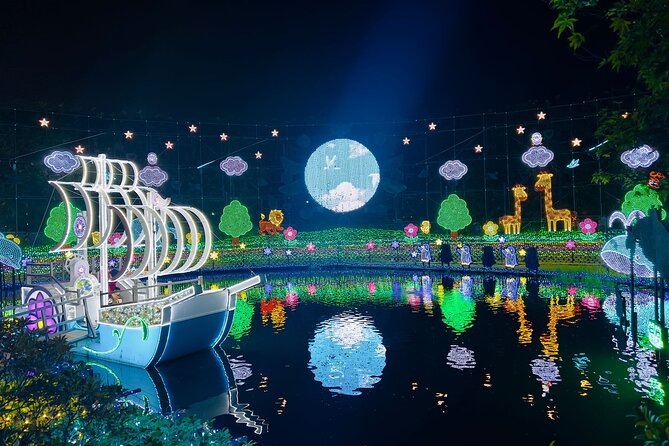
The schedule includes night illuminations at the Flower Park. That is a big deal because evening light changes how floral displays feel. The photos tend to look better too, because you are not stuck in harsh daylight shadows. The only real tradeoff is that you might feel colder later in the day depending on the season, so bring a light layer if you run warm-to-cold easily.
This stop is about 3 hours, and the Flower Park admission fee is not included. The listed fee is $10 USD per person. Plan on paying that at the time of entry.
Season matters. Wisteria is famous, but your results can vary depending on the year and the exact dates. If you are traveling for a specific bloom peak, it is worth thinking of this stop as a best-case experience, not a guaranteed perfect purple carpet every single day.
Also, the day includes a fair amount of walking and taking in outdoor displays. If your group includes anyone who walks slowly, you will want to plan small rest pauses rather than expecting everyone to keep pace.
Price and Logistics: What the $500 Covers, and What You’ll Pay On Top
The cost is $500 per group, up to 5 people. That is where the value math starts to make sense. If you book with a full group, you are effectively paying about $100 per person for a private 10-hour day trip from Tokyo Station, with an air-conditioned vehicle, driver guide, and all listed fees and taxes for the included parts.
Included in the tour is private transportation, air-conditioning, a driver guide, hotspot on the board, and child seats. Also included are the stops that say admission free, like the shrine and the school ruins.
What costs extra is straightforward:
- Ashikaga Flower Park fee: $10 USD per person
- Ashikaga Art Museum fee: $5 USD per person
Alcohol is also not included.
So the real budgeting tip is simple: even though the base price sounds high at first glance, it is designed for groups. The per-person cost drops fast when you fill the group cap. If you are traveling as just one or two people, the value still can work if you strongly prefer privacy and want a single-day route that avoids train hassle. If you are cost-focused and do not mind sharing transit, a DIY approach can be cheaper, but you lose the comfort and structure.
Another value angle: time. A private day trip saves you the mental energy of coordinating Tokyo to Tochigi on your own. When your day has exactly one shot at the Flower Park, that matters.
Who This Ashikaga Day Trip Fits Best
This tour fits best if you want one organized day that hits multiple interests: Japanese culture, a big outdoor flower highlight, and shopping.
It can be a great choice for:
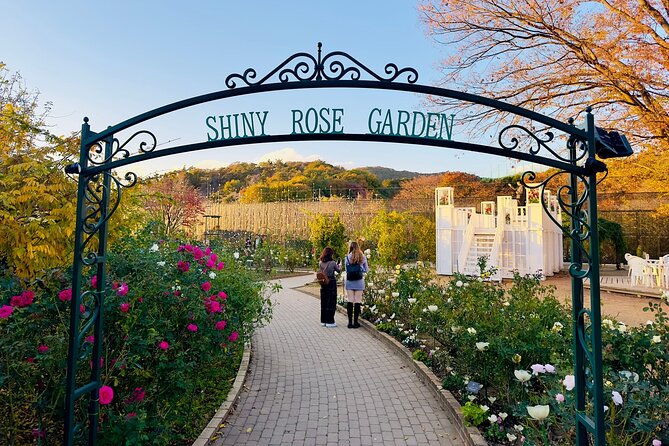
- Couples who want a scenic shrine stop plus photo time at wisteria trellises
- Friends or families who want one driver, one plan, and fewer transport headaches
- Groups that like a mix of indoor and outdoor stops in the same day
It is less ideal if you want full freedom to roam for long stretches. The Flower Park and outlets give you breathing room, but the shrine, ruins, and art museum are timed blocks.
One more practical note: this kind of private tour often works well for people who appreciate having someone handle the schedule. The driver guide support and hotspot help, especially if your Japanese reading skills are basic.
Should You Book This Ashikaga Flower Park One-Day Tour?
If your goal is to see Ashikaga Flower Park without turning your Tokyo day into a logistics puzzle, I think this is an easy yes. The private setup from Tokyo Station, the evening lights plan at the park, and the mix of Orihime Jinja, Ashikaga School ruins, and Sano outlets make it a well-rounded day.
I would book it when:
- You want a structured one-day hit list
- You are traveling with a group up to 5 to maximize the value
- You care about night illuminations and the wisteria-focused atmosphere
I would hesitate if:
- You are extremely sensitive to road time, because this is a long day
- You are booking at a season when wisteria might not be at full peak on your dates, since bloom timing can vary
Bottom line: for a private, time-efficient Ashikaga day trip from Tokyo, this plan makes sense. Just budget the Flower Park and museum fees, wear comfortable shoes for steps and outdoor walking, and aim for a season when you can catch the best bloom conditions.
FAQ
How long is the Ashikaga Flower Park one-day tour?
It runs for about 10 hours.
What is the meeting point in Tokyo?
The tour starts at Tokyo Station (1 Chome-9 Marunouchi, Chiyoda City, Tokyo 100-0005) and ends back at the meeting point.
How many people can be in a group?
It is priced per group up to 5 people.
Is pickup included?
Yes, pickup is offered, with transportation from Tokyo Station.
Are tickets for Ashikaga Flower Park and the Art Museum included?
Ashikaga Flower Park admission is not included (fee listed as $10 USD per person). The Ashikaga Art Museum admission is also not included (fee listed as $5 USD per person).
What stops are included on the itinerary?
The stops listed are Ashikaga Orihime Jinjya, the ruins of Ashikaga School, Ashikaga Museum of Art, Sano Premium Outlet, and Ashikaga Flower Park.
What is included in the price besides transport?
The included items are an air-conditioned vehicle, private transportation, a hotspot on the board, all fees and taxes (for included parts), child seats, and a driver guide.
Is there a mobile ticket?
Yes, the tour includes a mobile ticket.
Is free cancellation available?
Yes, you can cancel up to 24 hours in advance for a full refund.
Are service animals and child seats available?
Service animals are allowed, and child seats are included.
More 1-Day Tours in Tokyo

More Tours in Tokyo

More Tour Reviews in Tokyo
Not for you? Here's more nearby things to do in Tokyo we have reviewed




1-Day Tours, side by side.
 ★ 5.0Mt Fuji and Hakone 1-Day Bus Tour Return by Bullet TrainFrom $16326,383 reviews
 ★ 5.01-Day Tokyo Bus TourFrom $12914,250 reviews
 ★ 4.0Mt Fuji & Hakone Cruise, Drum Show Bullet Train 1 Day from TokyoFrom $1497,413 reviews
 ★ 4.5DisneySea 1-Day PassportFrom $572,726 reviews
 ★ 4.6Tokyo Disneyland 1-Day PassportFrom $572,512 reviews
 ★ 4.2Mt. Fuji 5th Station & Hakone Cruise 1-Day Bus TourFrom $1292,381 reviews
 ★ 5.0Tokyo Customized Private Tour (Must See Places in 1 Day)From $1451,499 reviews
 ★ 4.5Kamakura & Enoshima Day Trip including Temple TicketsFrom $581,375 reviews
This tour also belongs to