
Review · TOKYO
Celebrate Unique Japanese New Year Tradition Culture Festivity
Foxes, lanterns, and sake in Tokyo. This Ōji Inari Shrine New Year event brings local fox folklore to life, with Oji Fox Pageant scenes you can watch unfold and hinoki cypress masu cups that make the sake feel special. I love the lantern-and-fox atmosphere, and I also love that you get a sake lesson before you start tasting. The main downside is the group rhythm, so if you want totally quiet, unhurried shrine moments, you may feel a bit rushed when everyone moves together.
You start at the north entrance of JR Ōji station at 8:30am. After a guided stroll to three local shrines, you head to a cozy izakaya for free-flow sake, beer, and snacks, then you’re taken to the starting point of the fox procession for traditional dances, including the powerful lion dance.
Key Highlights Worth Your Time
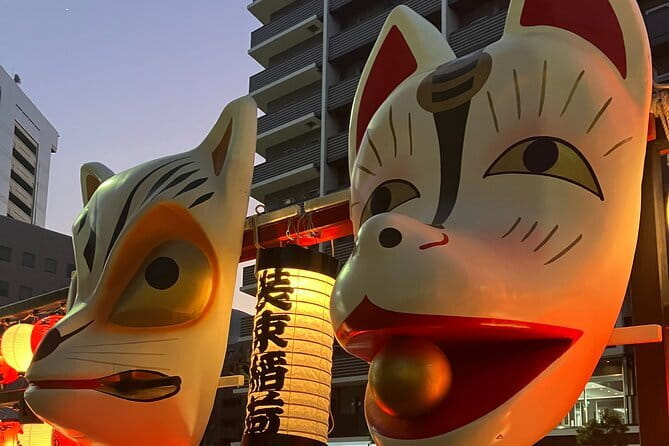
- Oji fox folklore made real, inspired by fox tales tied to Ōji Inari Shrine and ukiyo-e art
- Three shrine stops with a Japanese host guiding the story and what to notice
- Sake tasting with a lesson first, taught by a sake sommelier before you drink
- Hinoki cypress masu cups and free-flow sake and beer for adults
- Fox procession viewing setup, plus traditional dances and lion dance at the finale
Why Ōji Inari Fox Lore Hits Hard on New Year’s Eve
Tokyo can do New Year in a very loud, very modern way. This experience does something different. It takes a folk story about foxes visiting Ōji Inari Shrine on New Year’s Eve, and turns it into a street-and-shrine celebration you can actually follow step by step.
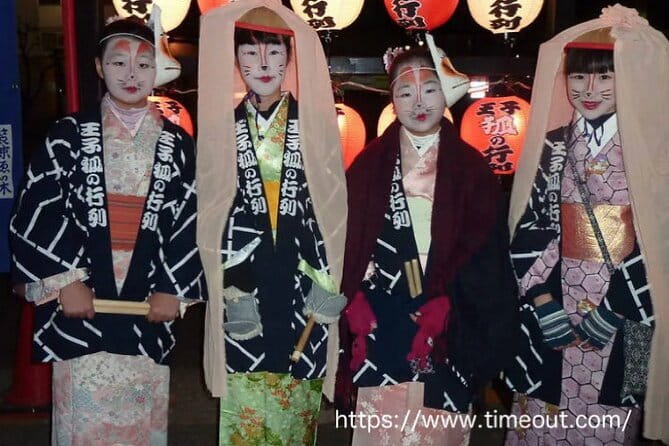
The story goes back through Utagawa ukiyo-e artwork, and locals turned that legend into the Oji Fox Pageant. You’ll see the “foxfires” vibe in the visuals too: yellow lanterns, kimonos, and fox masks or fox makeup. Even if you do not know the legend, the spectacle makes sense fast, because the event is designed to be seen in motion.
And then there is the fun part, literally. The evening is paired with sake tasting and pub food, so you get culture plus comfort. You end up feeling like you joined a neighborhood ritual, not like you checked off a photo location.
You can also read our reviews of more tours and experiences in Tokyo.



Meeting at JR Ōji Station, Then the Shrine Circuit
Your tour begins at the north entrance of JR Ōji station, with the address listed for 1-chōme-10-18 Ōji, Kita City, Tokyo 114-0002. Starting here matters because it keeps you out of the stress of figuring out local connections right when the day gets busy.
From that meeting point, you head out with your host to visit three local shrines. This is not just walking past gates. The value is in the guidance, so you know what you are looking at while you are standing there, rather than trying to puzzle it out later from your camera roll.
Shrines also reward the right pace. You’ll get time to notice details that can disappear when you are on your own: how people move, where they pause, and how the mood changes as you switch from one shrine space to the next. On New Year season, atmosphere is half the experience, and a guided circuit helps you catch it without getting lost.
A practical note: shrine areas are not wide open plazas. You may end up moving through tighter lanes with your group. If you plan to dress for comfort, not just looks, you will have an easier time in crowds and between stations.
The Izakaya Break, Sake Lessons, and Hinoki Cypress Masu Cups
After the shrine visits, the tour shifts into its most relaxing mode: a cozy izakaya stop where the event’s pacing turns from spiritual walk to social celebration.
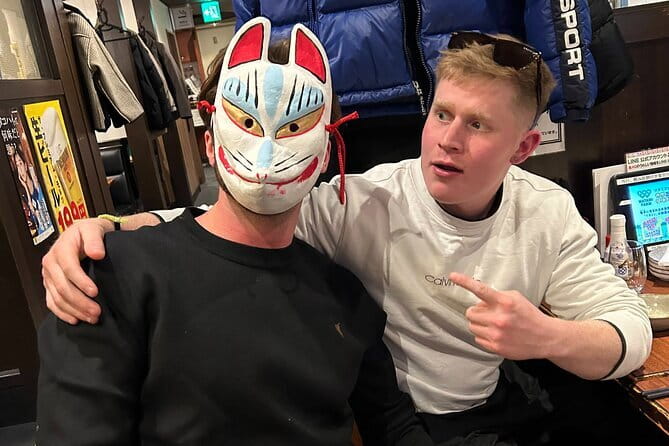
The standout here is the way sake is served. You’ll say “Kanpai” and drink from hinoki cypress masu cups. That matters more than it sounds. Cedar wood flavor and aroma do not just make for good photos. It also changes how the drink feels, warmer and more fragrant, which can be a pleasant surprise if you usually drink from a glass.
Before the tasting begins, you learn about sake brewing from a sake sommelier. This is a smart structure. If you only taste without context, you tend to remember which one was sweet or strong. With a short brewing explanation first, you can connect taste to ingredients and process, even if you stay at a beginner level.
You are also getting the cultural rhythm of the evening, not just alcohol. Izakaya culture is about sharing small plates, talking, and eating while the night builds. For a 3-hour format, this stop is what keeps the experience from feeling like a checklist.
Sake Tasting Plus Five Kinds of Snacks (and Free-Flow Drinks)

One of the best parts of the tour is that the tasting is paired with food. You get a sake tasting with 5 kinds of snacks, and the snack lineup includes items like edamame (green soybeans), fried chicken, and French fries.
That combo is practical. Sake tasting can get harder if you only have dry bites. These snacks give you texture and salt, so you can actually compare sakes. Fried chicken and fries, in particular, can “reset” your palate between tastings if you sip rather than chug.
Then there is the drink policy. For adults, you get free flow of sake and beer or other alcoholic beverages. Soft drinks are available for customers under drinking age. This is a real advantage in Tokyo, where buying drinks on top of an already-priced activity can add up fast.
Still, it is wise to pace yourself. You are moving from shrines to a food stop and then toward a procession viewing area. If you drink at full speed, you might miss some of the best moments simply because you feel slow. My advice is simple: take the first sips slowly, then enjoy, and keep water or soft drinks in rotation.
The Fox Procession Finale, Traditional Dances, and the Lion Dance
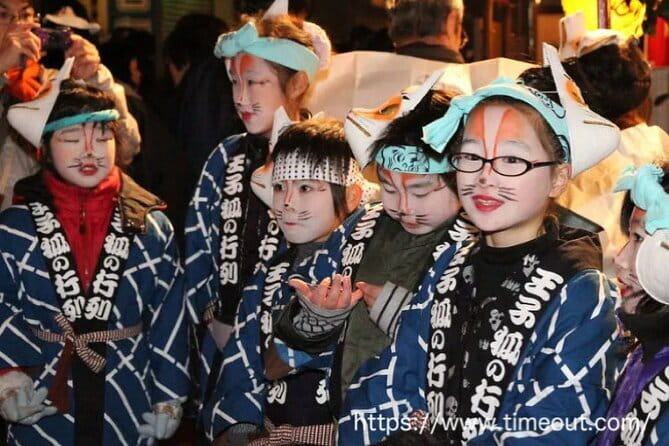
The last part of the experience is the payoff. After the meal and tasting portion, you are taken to the starting point of the fox procession. This is the moment the whole story becomes visual theater.
The event you are heading toward includes traditional dances and the lion dance, one of Japan’s most powerful crowd spectacles. Even if you have seen lion dance before, New Year timing changes the energy. It feels heavier, louder, and more ceremonial.
You also get the key pageant look. Fox performers carry yellow lanterns symbolizing foxfires. You see kimonos and fox masks or fox makeup. With more than 200 participants in the pageant imagery, the streets around the procession can feel like you stepped into a live version of the illustration.
The tour description also frames it around the countdown to midnight. In a 3-hour tour, that can mean you are positioned to watch the climax rather than standing in the thickest part from the first whistle. Either way, the big value is that you are not wandering on your own, trying to find a decent spot while everyone else crowds in.


Price and Value: Is $106.74 for 3 Hours Worth It?
At $106.74 per person, this is not a cheap snack tour. But it also is not only about food. You are paying for a guided shrine circuit, a sake lesson with a sommelier, a structured tasting, and free-flow drinks for adults, plus access to the procession starting point.
Here is how I judge value for this kind of experience:
- If you had to pay separately for a shrine tour guide, sake tasting class, and a drink-heavy izakaya meal, the total usually climbs quickly in Tokyo.
- The free-flow sake and beer means you are not stuck buying one small bottle at a time.
- The procession viewing component saves time and stress, which is real money in a city where crowds can swallow your schedule.
The main reason it can still feel pricey is the short duration. If your goal is a long, slow, reflective walk through multiple sacred spaces, this may feel tight. If your goal is to get the story, the food, and the finale in one organized evening, then the price starts to look more reasonable.
Group Size Reality and Who This Tour Suits Best
The activity lists a maximum of 30 travelers, and it is described as something most people can participate in. That size is generally manageable. You still might feel the “group energy” at busy shrine areas and during the march toward the procession.
So who will like it most?
- If you love Japanese folklore and want it tied to a real place, not just a lecture.
- If you enjoy sake, including people who like learning before tasting.
- If you want a New Year experience that blends shrine atmosphere, izakaya culture, and street performance.
Who might want to choose carefully?
- If you get uncomfortable around groups, this kind of event can feel like you are constantly moving with others.
- If you do not drink alcohol at all, you can still enjoy soft drinks, but the central value proposition is built around sake and free-flow drinks.
- If you want silent, personal shrine time, the shared flow may feel too fast.
Winter Tokyo Tips for This 3-Hour New Year Plan
This is an all-around winter-friendly plan, but you will be outside part of the time. Dress for cold, not for fashion points. Warm layers help you enjoy the lion dance and procession without feeling stiff.
A few practical moves that make a difference:
- Wear shoes you can stand in for a while. Shrine approaches and procession gathering areas tend to require patience.
- Keep your phone power up. You will likely be snapping photos of lanterns, fox masks, and the dance finale.
- Go into the sake tasting with a plan: small sips, small bites, and slow comparisons.
- If you are sensitive to crowds, give yourself a mental buffer before you start. The experience is designed as a moving group night.
Also, check the mobile ticket on your phone before you head out. Nothing ruins a festive start like a dead battery at the exact moment you need to show your ticket.
Should You Book This Ōji Fox Pageant New Year Experience?
If you want a New Year outing that feels both local and lively, I think this is a smart bet. The combination of three shrine visits, sake taught by a sommelier, tastings with snacks, and a guided placement near the fox procession finale is exactly the kind of bundled experience that can save you time in Tokyo.
I would book it if:
- you like folklore tied to a specific shrine area,
- you enjoy sake and want the lesson side, not just drinking,
- you want to watch the lion dance as part of a structured plan.
I would hesitate if:
- you want a quiet solo shrine experience and dread group movement,
- you are not interested in sake and do not care much about free-flow drinks.
If you fit the first group, this tour can feel like joining a neighborhood ritual, with lanterns, fox spirit, and a very drinkable New Year rhythm.
FAQ
How long is the experience?
It runs for about 3 hours.
What is the price per person?
The price is $106.74 per person.
Where do we meet for the tour?
Meet at the north entrance of JR Ōji station.
What time does the tour start?
The start time is 8:30am.
How many shrines are visited?
You visit 3 local shrines.
Is sake tasting included, and how many snacks are served?
Yes. There is a sake tasting with 5 kinds of snacks.
Are alcoholic drinks included for adults?
Yes. There is free flow of sake and beer or other alcoholic beverages for adults. Soft drinks are provided for under drinking age customers.
What is the maximum group size?
The maximum group size is 30 travelers.
What happens if the weather is poor?
This experience requires good weather. If it is canceled due to poor weather, you will be offered a different date or a full refund.













