
Review · ASAKUSA TOURS
Cherry Blossom Highlights, Asakusa, Ueno, Imperial Palace Garden
Cherry blossoms in Tokyo are a race. This private 6 to 7 hour tour lines up classic flower viewpoints like Imperial Palace East Gardens and Ueno Park, and ties them together with food stops in Tsukiji and Ameyoko. I like the personalizable private format that keeps you moving efficiently, and I also like the practical value of learning public transportation with your licensed guide. One possible drawback: if your guide’s English is harder to follow, you may miss some of the cultural color as you go.
You start at 9:00 am, and the route can shift with seasonal timing, because cherry blossoms do not always match the calendar. The day is light on sitting and heavier on walking, so plan for a moderate pace and comfortable shoes.
Key highlights to expect
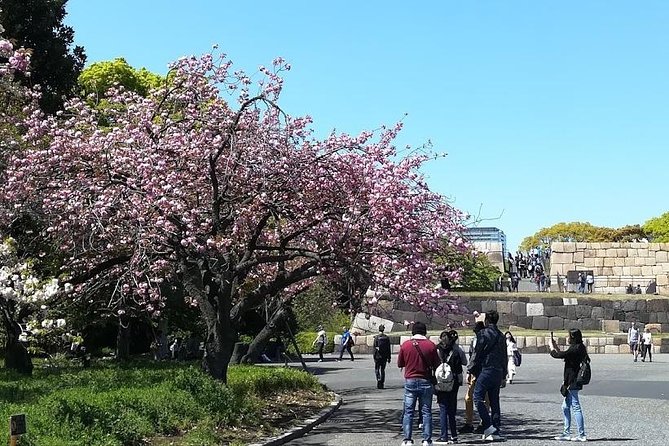
- Imperial Palace East Gardens with Edo Castle Ruin scenery and easy morning atmosphere
- Tsukiji market time that includes the chance to eat sushi, even though lunch is not included
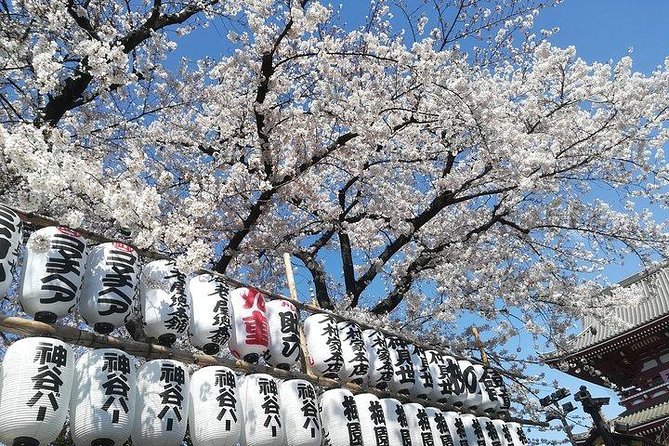
- Senso-ji in Asakusa with cherry blossoms and the Nakamise shopping street vibe
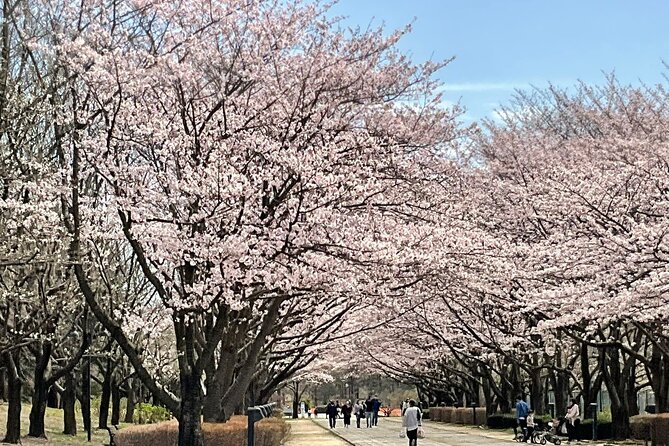
- Ueno Park cherry coverage near Tokugawa family sites and Shinobazu pond area
- Ameyoko shopping street for a very real downtown Tokyo feel
- Licensed guide coaching on how to use public transportation during the day
Why this cherry blossom route makes sense (and what it solves)
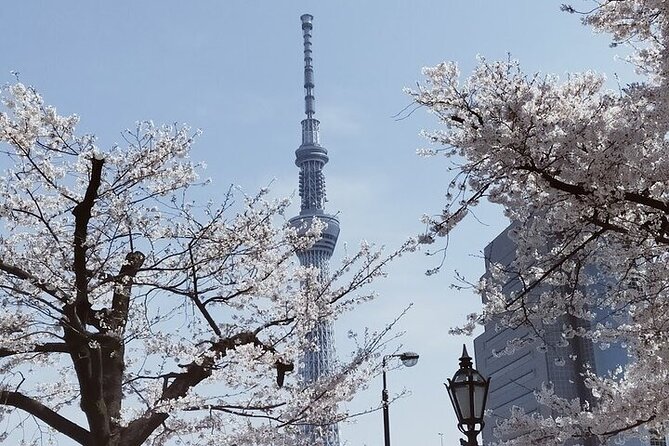
Tokyo’s cherry blossom season can be chaotic. Places fill up fast, photos take time, and getting around without a plan can turn fun into sprinting. This tour’s real strength is that it bundles several top viewpoints into one logical loop, so you’re not spending half your day figuring out transit and queues.
I also like the “value in context” approach. Instead of just pointing at trees, your guide helps you understand what you’re seeing: temple surroundings, the old Edo Castle site layout, and why Ueno and Asakusa feel like cultural anchors. That turns the flowers into more than pretty scenery.
One more practical note, especially in peak bloom. Timing can change. In at least one instance, the schedule shifted to support later blossoms when blooms at the Imperial Palace had already moved past their peak. That flexibility matters because cherry blossoms can start earlier than expected.
You can also read our reviews of more tours and experiences in Tokyo.



Imperial Palace East Gardens: Edo Castle Ruin and a calm start
Your first stop is the East Gardens of the Imperial Palace, on the site connected to Edo Castle Ruin. Even if you know Tokyo’s modern skyline, this area gives you a different pace. You walk through grounds surrounded by moats and stone walls, and it feels like a city lung, with forests and open space.
What makes this stop worth it on a cherry blossom day is contrast. The flowers here sit inside a larger sense of place, not just a single photogenic corner. You also get a morning start, which usually means easier access and a calmer walk before the day gets crowded elsewhere.
Duration is about one hour, and the admission ticket is free for this portion. That matters for value because you are buying a guided experience, not paying for multiple attractions. It also helps you keep the rest of the day on schedule.
Practical tip: treat this as a stroll and photo walk, not a long museum visit. If you try to “do it like a full sightseeing day,” you’ll run late for the market and temple stops.
Tsukiji food time: market energy and a sushi decision
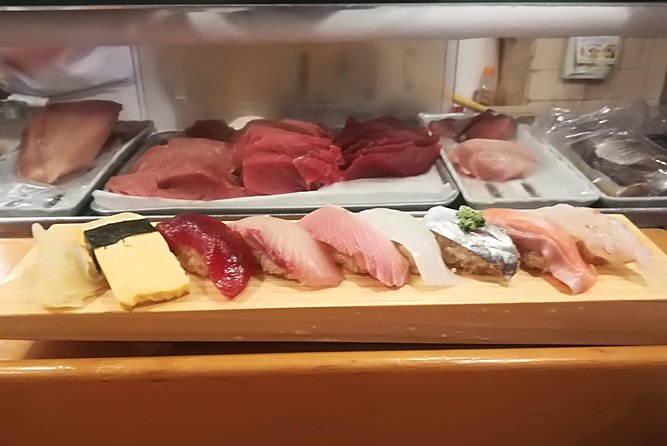
Next up is Tsukiji, where the mood changes fast from gardens to food street energy. You’ll find the outer market area filled with strong smells and quick action, with stalls that seem to work like an assembly line. The stop description even highlights the kinds of things you may see, like grilled items and seafood, plus the classic atmosphere of short snacks and lineups.
What you should plan for here is a fork in the road: you can snack your way through, or you can focus on a more “real meal” style sushi stop. The tour experience includes time for sushi options, but lunch is not included in the package price. So bring cash or a payment method you can use easily, and expect to pay for what you actually eat.
This is one of those stops where a good guide makes a difference. You’re not just walking past things. You’re learning what to look for and how to order without turning it into an anxious guessing game. Even if you do not eat a full lunch, you’ll still get the sense of Japanese food culture that you can’t get from photos.
Practical tip: if you’re sensitive to crowds and standing for long periods, keep your expectations realistic. Tsukiji is lively, and that’s the point.
Asakusa at Senso-ji: cherry blossoms and Nakamise street life
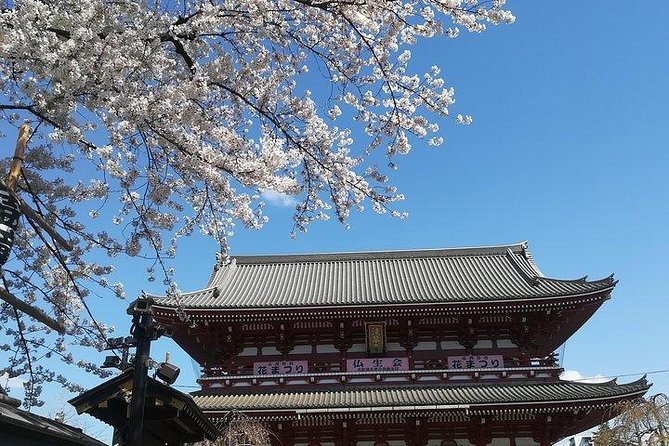
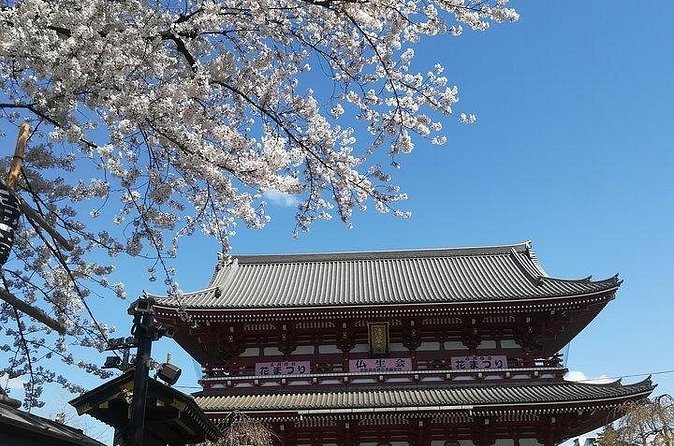
After Tsukiji, you head to Senso-ji Temple, one of Tokyo’s best-known historic temples. This stop is about two hours, and it’s the best blend of “old Tokyo” and shopping street atmosphere. You’ll stroll the temple grounds with cherry blossoms in the mix, which turns the walk into a small circuit of sights rather than one isolated viewpoint.
The tour also includes time along Nakamise street, running from the Thunder Gate area. This is where traditional souvenir shopping happens, and you’ll see snacks, crafts, and lots of busy foot traffic. The atmosphere here is different from Tsukiji. It’s not food market chaos, it’s ceremonial shopping energy, and the blossoms make it feel extra special during season.
What I like about building the route around this temple stop is timing and pacing. By the time you reach Senso-ji, you’ve already absorbed market culture, so the contrast helps. Gardens and stones in the morning, market scents at noon, then temple and street shopping later. The day feels varied instead of repetitive.
Practical tip: this is where you can easily lose time to photos. If you’re traveling as a pair or small group, agree on a simple photo plan up front, then let the rest of the time be relaxed wandering.
Ueno Park: a flower walk with history-adjacent landmarks
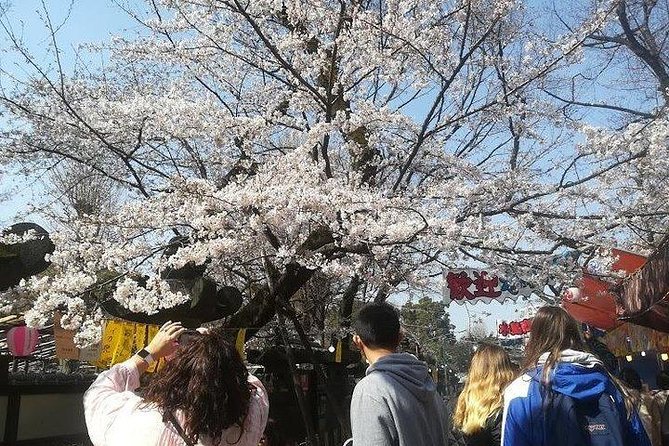
Then you move to Ueno Park, where the cherry blossom lining is a major draw. You’re looking at a big park scale, with more than a thousand cherry trees referenced in the description. It’s also a place where you feel Tokyo’s layers, because nearby you’ll find temple-related sites associated with the Tokugawa family, plus areas like Shinobazu pond.
Your time here is about one hour, and that’s enough for a meaningful cherry blossom walk if you manage expectations. Don’t try to “cover the whole park.” Instead, use the guide to point you toward the best flow of views for the day.
Why this stop works on a tour like this: it’s outdoors, it’s scenic, and it lets you stretch after earlier standing and walking. Also, Ueno is a classic Tokyo neighborhood hub, so the energy you get here feels grounded, not staged.
Practical tip: if it’s windy or crowded, the “best” photo spot can change fast. A guide can help you choose an angle where you’re not stuck fighting for space.



Ameyoko Shopping Street: where the day turns local
The final sightseeing anchor is Ameyoko Shopping Street (Ameya Yokocho). This is where Tokyo turns into its down-to-earth self. The description makes it clear that it’s a long shopping arcade with shops and food stands, and that local people and tourists eat and drink right in the street.
This stop is about one hour, and admission is free. Value-wise, it is a strong closer because you can grab a snack or a drink if you want something casual and comforting after temple and park walking. Even if you skip shopping, the street atmosphere alone makes it feel like a real day out.
What makes Ameyoko useful for travelers is that it breaks the pattern of “only famous attractions.” You go from cherry blossom sights to everyday commerce. That’s how you get a more complete Tokyo memory.
Practical tip: bring small bills or plan how you’ll pay. Street food and small shops can be easier with quick transactions.
Getting around with a guide: the secret sauce
One reason this tour fits first-time Tokyo visitors is the focus on navigation. You’ll learn how to use public transportation with the help of your licensed guide. That matters more than people think, because Tokyo’s transit system rewards confidence. One wrong turn or station exit can eat 20 minutes fast.
Also, the experience is described as private and only your group participates. That means you’re not stuck listening to 20 other people’s preferences. Your guide can pace the day around your needs, which is especially helpful during cherry blossom season when crowd flow can change hour by hour.
The day includes pickup offered, and you’ll have a mobile ticket. Those small logistics reduce friction, which is what you want for a half-day style outing.
Practical tip: treat this as a “learn while moving” day. Pay attention to the station names and the transfer pattern your guide uses, so you can repeat it later.
Price and value: what $221.12 per person buys you
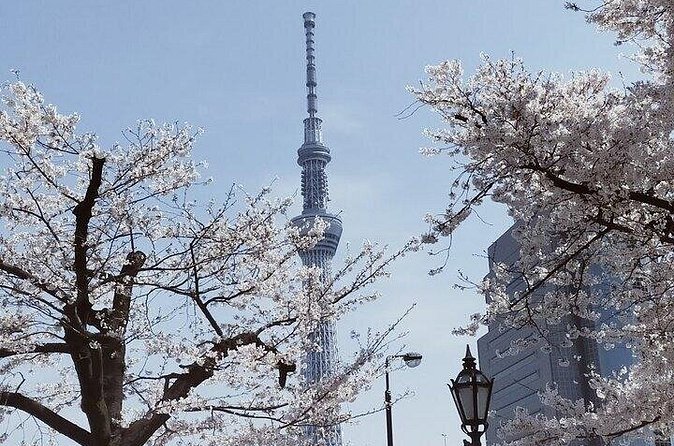
At $221.12 per person for about 6 to 7 hours, this tour is priced like a guided cultural day, not a budget walking tour. The key value drivers are the licensed guide, the private group format, and the cherry blossom route planning that strings together several locations that are far apart.
Lunch is not included, and private transportation is not included. That means your day is partly guided sightseeing plus partly self-pay for food. The good news is that Tsukiji and Ameyoko naturally lend themselves to flexible eating. You can choose light snacks or a more filling sushi meal depending on your budget.
Is it worth it? For me, it tends to be a smart buy if:
- You want cherry blossoms plus culture plus food without building the route yourself
- You care about getting oriented fast, especially if public transit feels intimidating
- You’d rather pay for guidance than spend time second-guessing transit and timing
If you already know Tokyo transit well and you travel like a solo planner, you might recreate a similar loop on your own. But you would likely trade away the “someone’s watching the schedule and pacing” advantage.
Guides matter: English clarity and how personal the day can feel
Your guide experience can shape the day. In positive examples, guides such as Nobuko Akimoto have been praised for generous time and knowledge, plus for adjusting the tour to match curiosity instead of sticking to a fixed script. Another guide, Hiroko, has been described as sweet and helpful for showing things you might not otherwise notice.
There’s also a caution worth taking seriously: one guest found a guide’s English difficult to understand. That does not mean the tour will be hard, but it does mean you should think about how critical interpretation is for you. If you rely heavily on narration, consider confirming language expectations when you book.
Either way, the private nature helps. If something is unclear, you have more opportunity to ask follow-up questions in a way that works for your group.
Weather, season timing, and why your day should stay flexible
Cherry blossoms are seasonal, and the tour is designed for timing. The exact itinerary can vary depending on seasonal factors. That’s not just a “maybe.” It’s the whole game here, since blooms can start early or fade quickly.
The route can also shift to support later blossoms when earlier areas are already past peak. So if your date lands after the usual peak window, you still have a chance to get a good cherry blossom experience, because the day can be adjusted to what’s in bloom.
Also, good weather is important. If the tour is canceled due to poor weather, you’ll be offered a different date or a full refund. That’s the right approach for an outdoor-heavy day like this.
Practical tip: pack for temperature swings and bring a small layer. Spring days can be pleasant until wind or rain changes the whole feel of the walk.
Who should book this tour, and who might want a different plan
This tour is a strong fit for you if:
- You want a structured cherry blossom day with cultural stops and practical transit help
- You like mixing “iconic sights” with local street life like Ameyoko
- You want a private group experience rather than a large bus tour
It may be less ideal if:
- You want a fully self-paced schedule with no guiding
- You hate crowds and standing lines, since Tsukiji and Senso-ji can get busy
- You expect lunch to be included, since lunch is not part of the package
Should you book this cherry blossom and Tokyo food tour?
Yes, if you want a guided day that reduces stress and gives you multiple cherry blossom hits in one go. I think it’s especially worth it when you’re new to Tokyo and you want to learn the rhythms of getting around while also seeing the classics.
I’d book it with your eyes open about two things: you pay for what you eat at Tsukiji since lunch is not included, and the day can be weather dependent because you’re outside for most of it. If those fit your travel style, this is a smart way to make cherry blossom season feel organized instead of overwhelming.
FAQ
How long is the cherry blossom tour?
It runs about 6 to 7 hours.
Where does the tour start?
The start time is 9:00 am, and pickup is offered.
What stops are included in the route?
The tour includes the East Gardens of the Imperial Palace, Tsukiji, Senso-ji Temple, Ueno Park, and Ameyoko Shopping Street.
Is lunch included?
No, lunch is not included.
What is included in the tour price?
A licensed tour guide is included. You also get a mobile ticket, and the tour offers pickup.
What should I do if the weather is bad?
The experience requires good weather. If it is canceled due to poor weather, you will be offered a different date or a full refund.
More Tour Reviews in Tokyo
Not for you? Here's more nearby things to do in Tokyo we have reviewed












Asakusa Tours, side by side.
 ★ 4.8Japanese Dance Cabaret Theater Asakusa-Kaguwa TicketFrom $492,270 reviews
 ★ 4.7Meiji Shrine, Asakusa, Skytree Bus Tour and CruiseFrom $1221,986 reviews
 ★ 4.9Roll and Authentic Sushi Making Class in AsakusaFrom $581,957 reviews
 ★ 4.8Asakusa Walking Tour with Sensoji Temple VisitFrom $221,583 reviews
 ★ 5.0Tokyo Asakusa Rickshaw TourFrom $421,375 reviews
 ★ 4.5Tokyo Panoramic 1 Day: Meiji Shrine, Asakusa, Odaiba and SKYTREE®From $851,222 reviews
 ★ 5.0Tokyo Go Kart: Asakusa, Skytree, and Akihabara **IDP MUST**From $99988 reviews
 ★ 4.7Asakusa, Skytree & Akhihabara Go-Kart City ExperienceFrom $96761 reviews
This tour also belongs to