
Review · TOKYO CITY TOURS
Cook Favorite Japanese Dishes with a Tokyo Mom
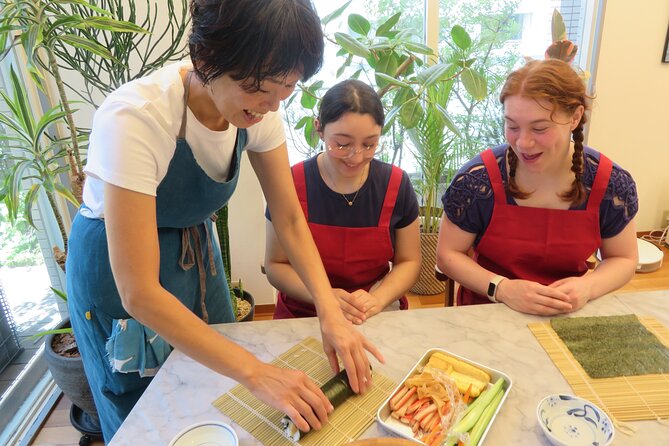
Cooking with a Tokyo mom feels oddly real. In her Shinjuku kitchen, I love learning washoku basics and making dashi from scratch, and you’ll also build a full meal around norimaki or onigiri plus miso soup. The only real drawback is simple: you must get to the venue on your own since transportation isn’t included.
This is a hands-on class, not a tourist cooking show with scripted steps. The English-speaking host, Aki, guides you through each part of the process, and you get a digital recipe PDF so the skills stick after you get home.
Key things that make this cooking class work
- Scratch-made dashi first: you learn the core technique behind everyday Japanese flavor
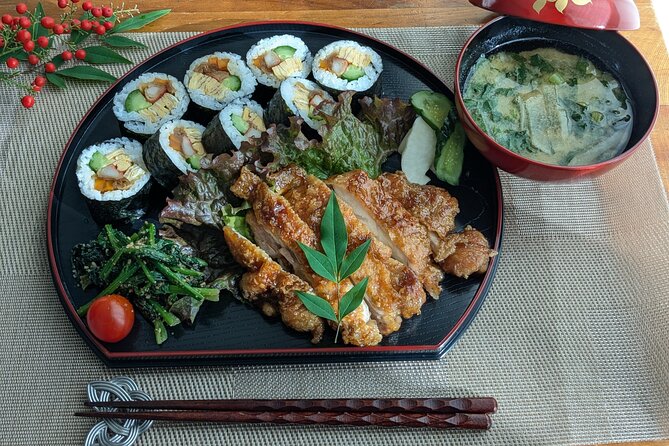
- Real meal building: norimaki or onigiri plus miso soup, then sides that fit what Japanese home cooks make
- Choose your main side dish: teriyaki chicken, saikyo yaki fish, or gyoza (or a vegetarian option by request)
- Clear teaching style: reviews mention instruction with pictures and a bit of food context
- Private, small-group feel: only your group participates, so you can ask questions while you cook
- Value beyond recipes: ingredients, tools, and an apron rental are included, plus a recipe PDF to take away
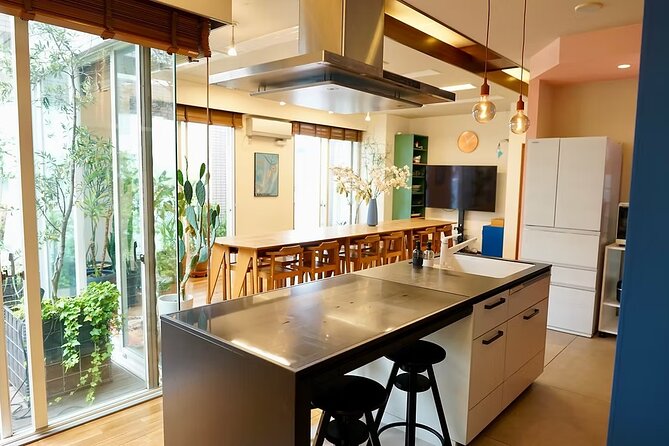
A Shinjuku kitchen, not a stage show
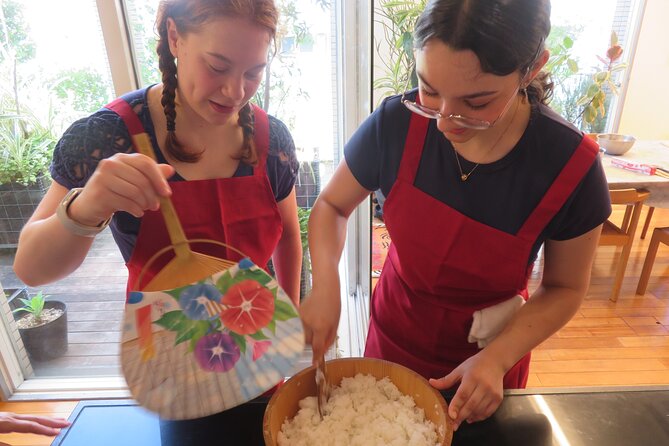
If you want Japan through the stomach, this is the kind of class that delivers. You start in a cozy home kitchen, where the goal is to teach you how these dishes actually come together, not to perform for cameras. You are not just watching. You’re chopping, mixing, shaping, and cooking with your own hands.
I like that the class focuses on everyday Japanese food and seasonal vegetables. That matters because Japanese home cooking is less about flashy techniques and more about balance, texture, and using ingredients in a way that tastes right together. You’ll feel that during the prep, especially once you start working with dashi and the flavor components that show up in multiple dishes.
One practical note: the meeting point is in Shinjuku, and transportation is not included. If you are staying far out or hate navigating train stations, plan your route ahead so you arrive on time.
You can also read our reviews of more tours and experiences in Tokyo.



Learning dashi from scratch, the skill behind everything
The first big teaching moment is making dashi completely from scratch, with no additives. This is the Japanese soup stock idea that ties a lot of dishes together, even when they don’t look like soup at all. Once you understand dashi, you start seeing it everywhere in Japanese cooking.
In a typical cooking class, you might get instructions that work once. Here, the instruction is about technique. You’ll learn how to make the stock so you can recreate the flavor at home. That means you’re not just collecting recipes, you’re building a foundation.
Also, this class treats dashi as a skill, not a shortcut. Reviews highlight how the environment helps both beginners and more experienced cooks, and that Aki walks you through steps clearly. If you’ve never made stock before, you’ll still get traction because the lesson starts early, and the rest of the meal uses what you’ve made.
The payoff: when you later season dishes like miso soup, you’ll understand why the seasoning lands the way it does. You stop guessing.
Norimaki roll skills (or onigiri if you prefer)
The class includes a traditional Japanese norimaki, a sushi roll. If rolls feel intimidating, you can substitute it with onigiri, rice balls instead. Either way, you’re working with rice and shaping it in a way that matters for the final texture.
What I like here is that the rolling or shaping is part of the core experience, not an optional extra. You’ll get to practice the mechanics, like forming tidy rice layers and handling nori so it doesn’t go limp or tear. Reviews also mention the secret to making items beautiful gets shared, which fits this part of the class. In other words, presentation isn’t treated as talent. It’s treated as technique.
If you choose norimaki, expect a hands-on session where you follow Aki’s guidance step by step. If you choose onigiri, you’ll still learn control and portioning, which is the real game. Either option gives you something practical to recreate later, not just a finished photo.
Your choice side dish: pick the flavor you want tonight
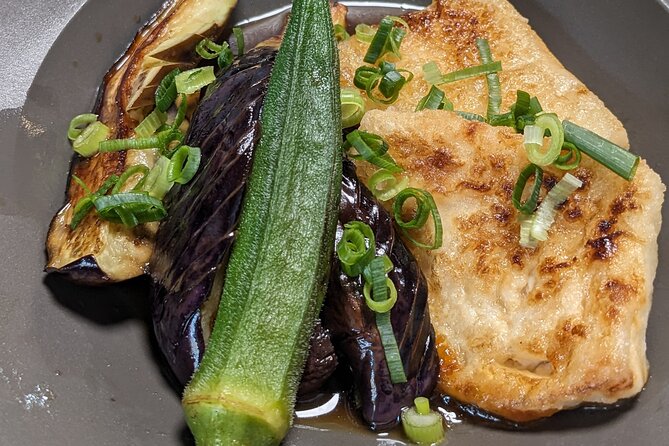
After the norimaki or onigiri, you choose one main side dish. This choice is one of the best parts of the class because it lets you tailor the meal to your tastes. Here are the three options:
- Teriyaki Chicken: tender chicken glazed in a sweet and savory soy-based sauce
- Saikyo Yaki: fish marinated in miso, then grilled for a delicate, rich flavor
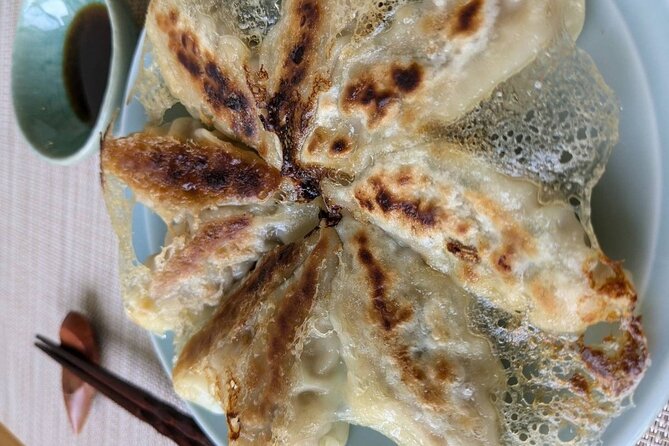
- Gyoza: pan-fried dumplings filled with ground pork and vegetables
Even if you aren’t a “dumplings person” or a “fish person,” you’ll benefit from seeing how Japanese home cooking handles different textures. Teriyaki focuses on glaze and balance. Saikyo yaki teaches miso-marination plus grilling. Gyoza is all about the pan-fry method and the dumpling rhythm.
One review experience stood out: Aki guided people through sushi, gyoza, and miso soup, and everything came out fantastic. That tells me the class is built to help you succeed, not just to keep you busy.
If you care about planning, go with your side dish first. It’s the easiest way to make the class feel personal.
The seasonal vegetable dish and miso soup meal rhythm
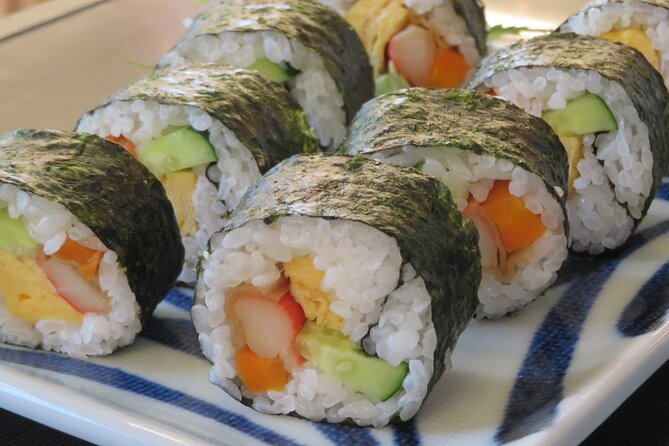
Beyond the norimaki or onigiri and your chosen side dish, the menu includes a seasonal vegetable dish and a comforting bowl of miso soup. The vegetable dish is a great reminder that washoku is not just about meat, fish, or rice. Japan’s home meals often balance comfort with fresh bites, and seasonal vegetables are the vehicle for that.
Because the vegetable dish is described as seasonal, you should expect the specific ingredients to vary. That’s normal, and it’s part of the value. You’re seeing how Japanese cooks think about what’s in season rather than relying on the same ingredients year-round.
Then there’s miso soup. Miso soup is one of those things people assume is easy, but it’s also one of the best places to learn finesse. When you make miso soup using dashi you made from scratch, the flavor feels rounded, not flat. It’s the difference between “miso water” and a real bowl of comfort.
Taken together, these dishes create a home-meal rhythm: rice plus roll or rice balls, soup, a savory side, and a seasonal vegetable element. It’s exactly the kind of meal you can copy at home without needing fancy restaurant tools.



The Aki factor: clear steps, pictures, and real warmth
A cooking class lives or dies on the teacher. Here, the English-speaking host Aki is repeatedly praised for making the process easy to follow, even for people who are new to Japanese cooking.
Reviews mention instruction with pictures and brief history about the food being prepared. That sounds small, but it changes everything. A quick note about why a technique exists helps you remember it later. It also helps your brain stop treating the steps like unrelated tasks.
Aki is also described as adapting to tastes. That matters because cooking is personal. If you prefer slightly different flavors or want to understand what you’re making, being able to adjust the experience makes it feel less like a script and more like a lesson.
And yes, the class is warm and welcoming. That shows up in how questions are handled, how the kitchen stays focused, and how the atmosphere feels like you’re joining someone’s home routine for a couple hours.
Price and value: what $120 buys you in a Tokyo home kitchen
$120 per person for about 2 hours 30 minutes can sound high until you look at what’s included. This class includes all ingredients, full use of kitchen tools, and an apron rental. You also get an English-speaking Japanese host, plus a digital recipe sheet in PDF format.
In other words, you’re paying for more than recipes. You are paying for:
- a private, hands-on lesson style
- access to ingredients and tools that you might not want to buy just for one meal
- guided technique for key building blocks like dashi and shaping rolls or rice balls
- a follow-along recipe PDF you can use later
If you were to recreate all of this on your own, you’d likely spend money on groceries and end up with random items you don’t use again. Here, the class funnels your spending into exactly what you cook, and it teaches you how to use it.
Also, the price includes a natural pace. You’re not rushed through a checklist. You’re learning kitchen fundamentals that transfer to future meals.
What the class feels like: hands-on, structured, and practical
Even without seeing the exact internal timing, you can expect a clear flow based on what the class teaches. It starts with making dashi from scratch, then moves into the main items that are always part of the menu: norimaki (or onigiri), a seasonal vegetable dish, and miso soup. Your chosen side dish is cooked as part of the meal too.
This matters because you’re not learning one isolated dish. You’re learning a system. Japanese home cooking often shares methods across multiple dishes, like using dashi for depth and understanding how miso fits into the flavor profile.
One more practical detail: the class is marked as a private tour or activity, only your group participates. That usually means you get more personal attention than you would in a large group setting, especially when you need help shaping rice or dialing in seasoning.
Practical tips so you enjoy the 2.5 hours
Here are the things that will help you have a smooth experience.
First, arrive a few minutes early. The meeting point is a specific address in Shinjuku: アイ・ディール株式会社1-chōme-24-7 Shinjuku, Shinjuku City, Tokyo 160-0022, Japan. It’s near public transportation, but you still want time to find the exact place and get settled.
Second, wear comfortable clothes. You’ll be in a kitchen environment with cooking activity, and you’ll use tools. An apron is provided, which helps, but you still want clothes you don’t mind getting a little food-splashed.
Third, choose your side dish based on what you’re craving, not on what you think you should like. Teriyaki chicken, saikyo yaki fish, and gyoza each have different vibes. This choice is your handle on the menu, and using it makes the class feel like your meal, not a generic assignment.
Finally, use the recipe PDF after the class. The smart move is to skim it soon after you get home while the steps still feel fresh. The PDF is there to support your memory, and it’s included for a reason.
Should you book this Tokyo Mom cooking class?
Book it if you want a real home-cooking style class focused on washoku fundamentals, especially dashi and Japanese meal balance. It’s a strong pick for first-timers because the teaching is described as clear, with pictures and step guidance, and it still works for people with some cooking experience.
Skip it if you dread cooking in a kitchen setting or you simply want to browse and watch instead. This experience is about making and learning, and you’ll get the most value if you plan to actively participate.
If you’re staying in or near Shinjuku, it’s also an easy “spend one evening learning” option. And since it’s booked on average about 37 days in advance, you’ll likely want to lock it in earlier rather than later.
Bottom line: this class gives you more than a list of dishes. It gives you techniques you can reuse, plus a meal you can genuinely understand and recreate.
FAQ
What dishes are included in the class?
You’ll cook norimaki (or onigiri as a substitute), one main side dish of your choice, a seasonal vegetable dish, and miso soup. Dashi is made from scratch as part of the lesson.
Can I substitute norimaki with onigiri?
Yes. The class offers an onigiri substitution if you prefer it over norimaki.
What main side dishes can I choose from?
You can choose one: teriyaki chicken, saikyo yaki (miso-marinated fish grilled), or gyoza (pan-fried dumplings with ground pork and vegetables).
Is there a vegetarian option?
Yes. A vegetarian option is available upon request.
What is included in the price?
The price includes all ingredients, full use of kitchen tools, apron rental, an English-speaking Japanese host, and a digital recipe sheet in PDF format.
Do I need transportation to get there?
Transportation is not included. You’re required to come directly to the venue, and it’s near public transportation.
More Tour Reviews in Tokyo


Not for you? Here's more nearby things to do in Tokyo we have reviewed












Tokyo City Tours, side by side.
 ★ 5.01-Day Tokyo Bus TourFrom $12914,250 reviews
 ★ 4.5TOKYO SKYTREE® Admission ticketFrom $1311,192 reviews
 ★ 4.6teamLab Planets TOKYO Digital Art Museum Entry TicketFrom $259,779 reviews
 ★ 4.0Mt Fuji & Hakone Cruise, Drum Show Bullet Train 1 Day from TokyoFrom $1497,413 reviews
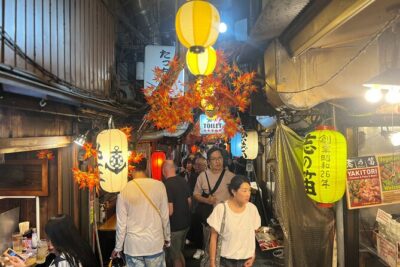 ★ 5.0Shinjuku Food Tour (13 Dishes at 4 Local Eateries)From $866,603 reviews
 ★ 4.4Tokyo Mt Fuji 5th St & Hakone Cruise Bus Tour w/Bullet TrainFrom $1545,024 reviews
 ★ 5.0Flagship 2-Hours Official Street Go-Kart Tour – Tokyo Bay ShopFrom $644,974 reviews
 ★ 4.5From Tokyo: Mount Fuji Full-Day Sightseeing TripFrom $684,970 reviews