
Review · TOKYO
Craft Your Own Elegant Handmade Chopsticks from Scratch
You leave Tokyo with your own chopsticks. In a quiet Sasazuka workshop, craftsmen help you carve cypress/hinoki wood, refine the shape, and finish with camellia oil.
I like the hands-on, tool-guided pace that still leaves room for creativity, and I like that the shop teaches why chopsticks differ by food, not just how to shape wood. I also especially enjoy the optional lacquer coating experience, which can include a tour of a normally off-limits lacquer workshop.
One consideration: it is a tight, about-2-hour format, and meals are not included, so plan for hunger before or after.
Key things to know before you go
- Sasazuka Station meeting point with a short transfer to the workshop store, so you do not waste time guessing
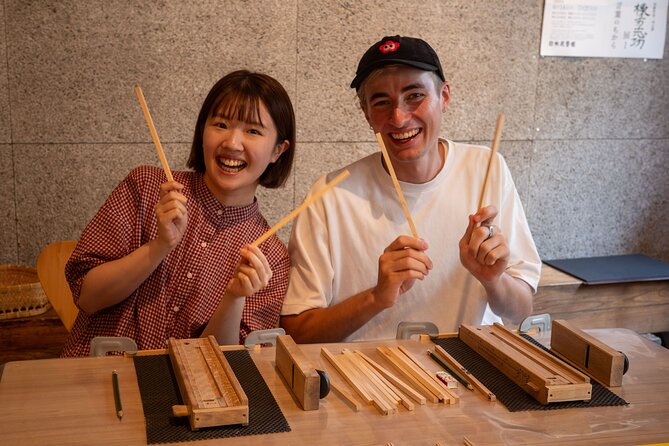
- 55 minutes of chopstick-making with step-by-step guidance and sanding and finishing
- Camellia oil finish to help your final pair feel smooth in-hand
- Optional lacquer coating experience plus a tour of a normally off-limits lacquer workshop
- Small group, up to 6 people for a more personal rhythm with the artisan team
- Custom chopsticks included so the time turns into a real keepsake you use at home
Sasazuka workshop time, close to Shinjuku, far from tourist noise
Sasazuka is a smart base for craft time. You get a short train ride from Shinjuku, but the workshop itself is described as quiet and residential, which makes the whole class feel calmer than the usual big-sight rush.
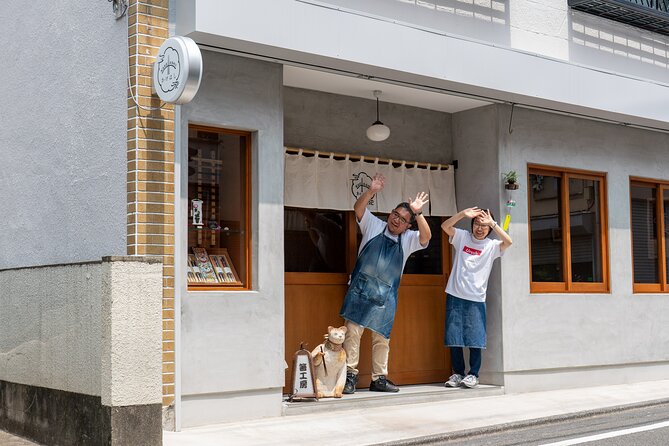
The experience is also set up like a real local specialty shop. You are not only learning, you are moving through a space where chopsticks are sold and displayed. That matters, because it helps you connect the skills you are learning to the choices people make day-to-day in Japan.
The group size is kept small, with a maximum of 6 travelers. That usually translates into more patience around your questions and fewer long waits while the artisan team finishes instructing others.
You can also read our reviews of more tours and experiences in Tokyo.



Cypress or hinoki, plus camellia oil, the practical way chopsticks get made
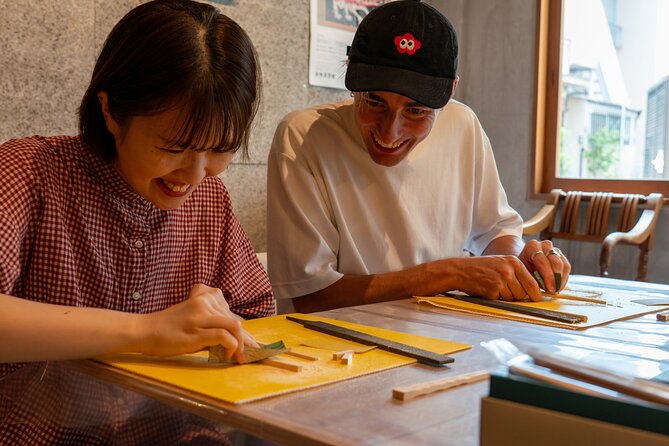
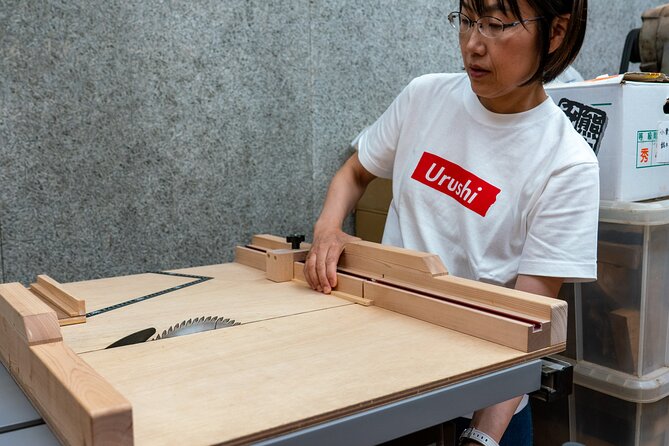
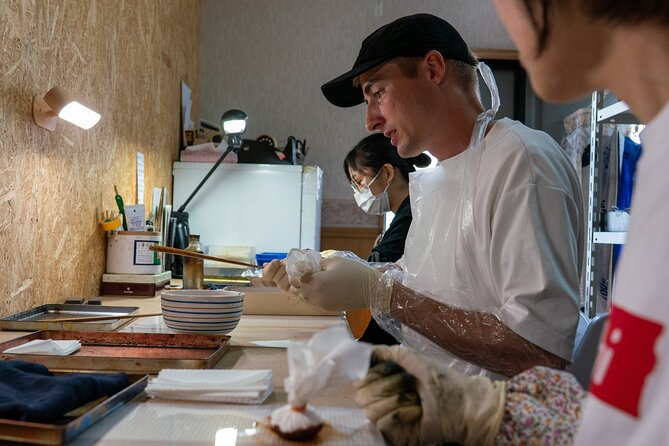
This class is built around one main goal, you leave with a pair you shaped for yourself. You start by carving chopsticks from cypress/hinoki wood, using the craftsmen’s tools in a workshop setting.
Then comes the part that makes chopsticks feel good in your hands: refinement. You shape the wood, smooth and refine the form with sandpaper, and then finish with camellia oil. That oil step is not just a nice touch, it is part of how the finished chopsticks become pleasant to handle and ready to use.
One detail I appreciate is the customization. The workshop aims for chopsticks tailored to your hand size and your preferred cuisine. In other words, you are not just copying a sample. You are building something that matches how you actually eat.
The Kakehashi session: 10 minutes to start, 55 minutes to create
Your day begins at Sasazuka Station, then you move to the workshop store and workshop called Kakehashi with a guide for about 10 minutes. It is short, but it helps you arrive in the right place without stress.
The core making time is about 55 minutes. This is long enough to get beyond the basics but short enough that the artisan team can keep everything moving step-by-step. The guidance is not robotic. It is a careful balance of instruction and room for personal adjustment.
In past groups, the teaching style has been praised as patient and supportive, with English translation making communication smooth. One review even singled out Amy for translation. If you prefer explanations in plain English while you work with Japanese tools, that kind of support is a real comfort.
If you want a souvenir that feels earned, this is a strong setup. You are shaping, sanding, and finishing something you will actually use, instead of watching from behind glass.
Learning why chopsticks differ: sushi, tempura, ramen, and more
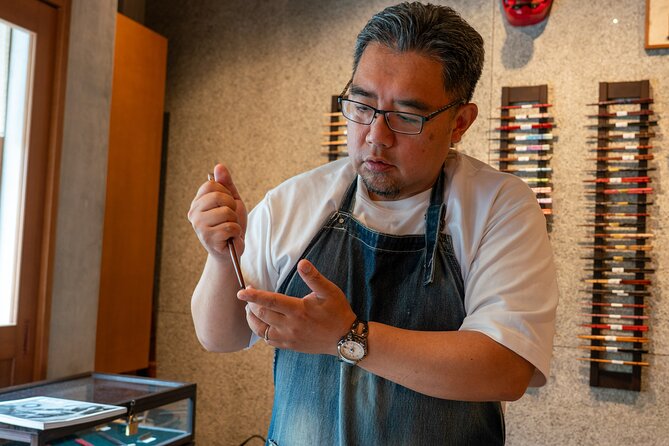
This workshop does not treat chopsticks as a generic utensil. You learn about the history and background of chopsticks, and you also learn how different types get used for different foods.
The shop presentation highlights the idea that chopsticks are designed with food in mind. Sushi, tempura, and ramen are specifically referenced as examples of foods with different chopstick considerations. That gives your making process a purpose beyond aesthetics.
You also see a variety of chopsticks on display in the shop area. That is useful if you are the type who enjoys practical shopping. You can look at what is available, then understand why one pair might feel better for noodles, while another works better for certain textures.
Even if you only remember one lesson, it is a good one: design choices affect how food transfers from plate to mouth. When you make your own pair, you end up paying attention to grip and control, not just the look.
Optional lacquer coating and a tour of a workshop you usually cannot enter
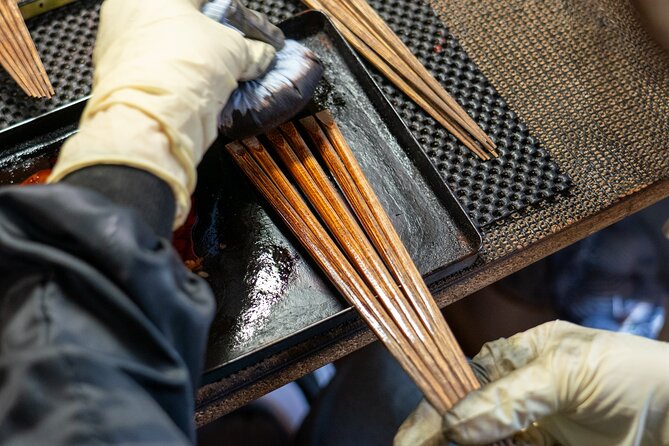
If you add the lacquer option, you get an extra 25 minutes. This part is designed to be firsthand, not just a quick demonstration.
The lacquer experience includes learning about lacquerware and traditional Japanese crafts. The focus is on how lacquer shows up in shrines, temples, and daily life. You also get a tour of the lacquer workshop that is normally off-limits, which is a rare look compared to typical craft visits.
One of the sensory details that gets mentioned is the scent of lacquerware as you experience the process with your senses, not only with your eyes. That kind of detail is why some people describe the lacquer part as therapeutic and memorable.
Is it required? No. But if you have any interest in Japanese craft beyond chopstick woodwork, the lacquer option is where the day can feel most special.


Your take-home keepsake: a pair built for your hand and your table
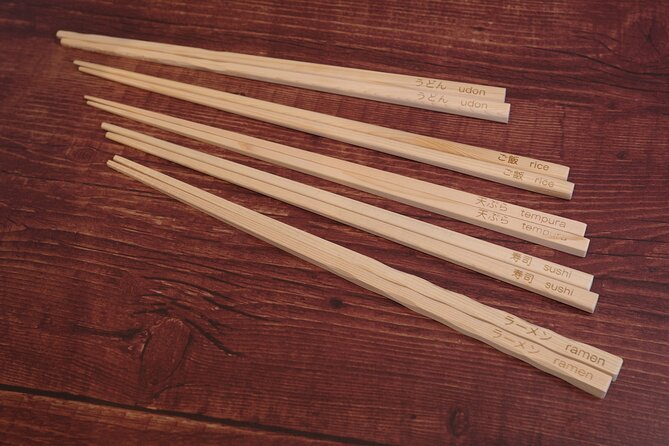
The experience includes your custom-made chopsticks. That means the workshop is not a class that ends with photos. You leave with something you can actually use, and it is made to fit you, including hand size and preferred cuisine.
In the reviews, people repeatedly emphasize two things: the chopsticks feel one-of-a-kind, and they deepen appreciation for what looks simple but requires real skill. That is exactly what I would expect from a workshop that starts with carving and ends with finishing.
Also, because the shop sells chopsticks and related items, you have chances to browse while you are there. That can be handy if you want extra gifts that match the craft theme, especially for family members who love practical souvenirs.
If you are worried you will end up with something too basic, the class design argues against that. The pacing and guidance are meant to get you to a finished pair that looks like it belongs on a dinner table, not a rough draft.
Price and value: $97.98 for time plus the finished chopsticks
The price is $97.98 per person, and the experience runs about 2 hours. For a hands-on Tokyo activity, the biggest value driver here is that the finished item is included. You are paying for instruction, tools, and the materials process that ends with a real pair you take home.
Compare that to workshops where you make something small or temporary, or where you leave with just knowledge. Here, you get both the skill and the object. That is why people rate it so strongly.
The other value driver is group size. With a maximum of 6 participants, you are not stuck in a crowded line while instructions pass over your head. You get support as you work, plus English-speaking guidance is available for better accessibility.
Also worth noting: the experience has a mobile ticket, and you receive confirmation at booking time. If you like knowing you have everything lined up ahead of time, that helps reduce day-of uncertainty.
Timing in Tokyo: where the 1:00 pm start helps your day plan
The start time is 1:00 pm, and you finish back at the venue. That timing is flexible for most sightseeing plans.
If you are doing a Tokyo day packed with museums and neighborhoods, the workshop can act like a reset. It is quieter and slower paced than most major attractions, and it focuses on making rather than walking.
If you are hungry, plan ahead. Meals and drinks are not included. I would treat this like a class with a built-in break for your body, meaning eat before you go, then you can enjoy dinner after without thinking about what you forgot.
Who should book this chopstick workshop, and who might skip it
This is a strong fit if you:
- Want a hands-on craft souvenir you will use at home
- Like practical food culture, especially how tools relate to sushi, tempura, ramen, and other dishes
- Prefer small-group instruction with English support
- Are curious about traditional Japanese lacquer and want to see a workshop that is not usually open
It might be less ideal if you are the type who wants a big, fast sightseeing checklist. This is a workshop experience, not a tour of landmarks.
Also, because the group is capped and the time is scheduled, you should expect a paced format. If your goal is an ultra-long, totally open-ended crafting session, you will likely want a longer class option elsewhere. Here, the goal is a complete result within about 2 hours.
Should you book this chopstick-making class in Tokyo?
Book it if you want a Tokyo experience that feels real, not performative. You get woodwork instruction, a customization component that helps your chopsticks fit your hand and eating style, and the option to add lacquer coating and a rare lacquer workshop tour.
Skip or choose another style if you need meals included or you want a full day of sightseeing. This is a focused craft block.
My quick decision checklist:
- If you will actually use chopsticks after the trip, this is an easy yes.
- If you are curious about lacquer and like sensory details, add the optional lacquer experience.
- If you want small-group attention with English support, this format is a good match.
FAQ
Where is the meeting point?
You meet at Sasazuka Station. The address listed is 1 Chome-57 Sasazuka, Shibuya, Tokyo 151-0073, Japan.
How long does the workshop take?
The experience is about 2 hours total. Chopstick-making takes about 55 minutes, and the optional lacquer coating experience adds about 25 minutes.
What exactly do I make and take home?
You make a custom pair of chopsticks and take them home with you. The included item is your custom made chopsticks.
Is there English support during the class?
Yes. An English-speaking guide is available, which helps explain the process and history while you work.
What wood and finishing steps are involved?
You carve chopsticks from cypress wood, and the highlight notes hinoki wood. You then refine the shape and finish with camellia oil.
Is lacquer coating included?
Lacquer coating is optional. If you choose it, you also get a tour of a normally off-limits lacquer workshop.
What is the group size?
The experience has a maximum of 6 travelers. There is also a minimum of 2 participants.
What is not included in the price?
The price does not include private transportation, hotel travel and transportation expenses, or meals, food, and drinks.
Is there free cancellation?
Yes. You can cancel for free up to 24 hours in advance of the experience start time for a full refund.













