
Review · TOKYO CITY TOURS
Create Your Own Party Sushi Platter in Tokyo
Sushi, but you make it yourself. This Tokyo class is interesting because you practice futomaki and temari from scratch, then eat the results like you planned the party. I like that it feels celebratory in Japan, not just a cooking demo. One thing to consider, you’ll need to handle getting to Minato City on your own since private transportation is not included.
What I really liked is the hands-on pace with English-speaking instructors right there with you, chatting and coaching as you go. The format also stays social without getting chaotic, and with a maximum of 40 people you can still ask questions. You also get lunch included, ingredients provided, and a mobile ticket to keep things simple.
The session runs about 2 hours, starting at 11:30 am and ending back at the meeting point. It’s also not a casual “drop in” kind of activity, because there’s a minimum of 4 people per booking.
Key highlights you will care about
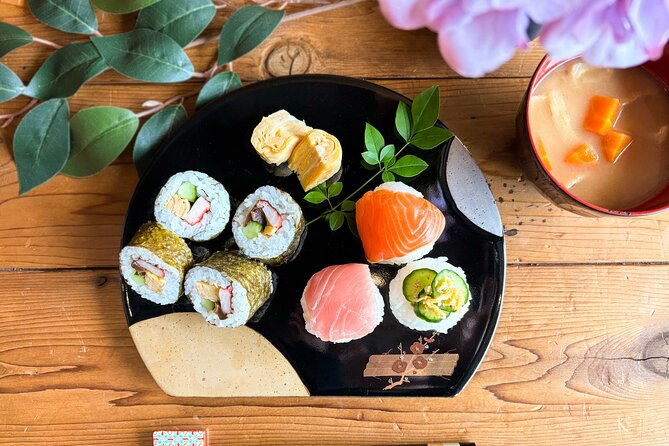
- Party-friendly sushi types, futomaki rolls and temari bite-size sushi
- From-scratch instruction, not just tasting or watching
- Lunch included, so you eat what you make
- Japanese home cooking add-ons, miso soup and tamagoyaki
- English support up close, instructors work with you side by side
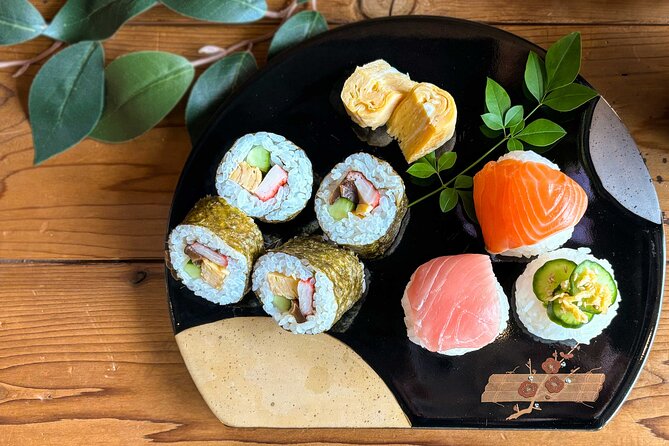
Futomaki and Temari Sushi: The Two Party Styles You Make
This experience is built around two sushi styles that look like they belong on a celebration table. You start by learning futomaki, then you move into temari. The key idea is presentation, but you also learn the practical building blocks that make each style work.
Futomaki is described as a thick roll that uses sushi rice plus several ingredients, placed on a sheet of nori. In class, you’re not just learning what it looks like. You’re learning how to assemble it so the ingredients stay where they belong and the roll holds together. That matters if you want the final platter to look like it came from a thoughtful host, not a lucky accident.
Temari-sushi is the other centerpiece. It’s made by topping a round formed piece of rice with sashimi and vegetables. This style is often easier to think about for a party because the shape is already portioned. It also highlights the Japanese love of careful form, because the round presentation is part of the charm.
Both styles are described as gorgeous and perfect for parties. I like this focus because it gives the lesson a goal. After 2 hours, you can realistically bring home a few repeatable techniques and the confidence to try again.
You can also read our reviews of more tours and experiences in Tokyo.



What a 2-Hour Sushi Workshop Feels Like in Real Life
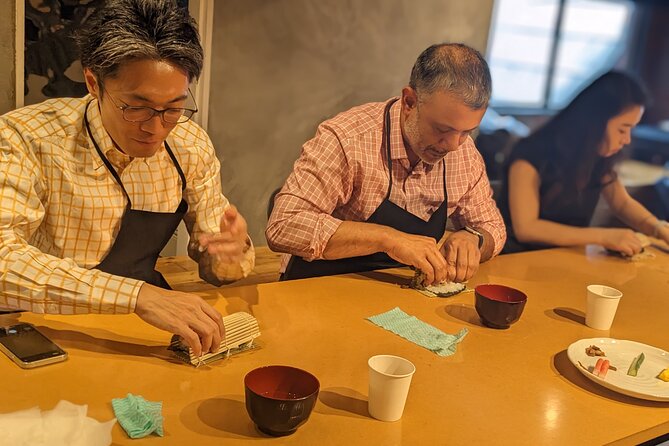
The class runs about 2 hours, which is a good length for a first-time sushi maker. Long enough to learn more than one thing, short enough that you’re not trapped in a kitchen all afternoon. That timing is especially nice if you are doing other sightseeing in Tokyo the same day.
You also get lunch included, so you can stop thinking about what to eat and just enjoy what you made. That’s one of the biggest value points. Many “food experiences” end with tasting tiny samples. Here, lunch is part of the package.
Because it’s capped at a maximum of 40 travelers, the room should stay manageable. With that many people, you’re unlikely to be totally isolated, but you can still interact. The minimum of 4 people per booking is also a hint that the company expects a real group workshop, not a half-empty class.
The Home Cooking Bonus: Miso Soup and Tamagoyaki
Sushi is the headline, but the lesson adds two Japanese home-style dishes: miso soup and tamagoyaki, which is the rolled omelet.
Why this matters: miso soup and tamagoyaki are the kind of dishes you can recreate without chasing rare sushi ingredients. Even if your sushi results are slightly imperfect the first time, you’ll still have two “go-to” Japanese recipes you can make at home. That’s a real advantage if you want skills, not just souvenirs.
Miso soup is taught as part of the lesson, so you learn the process rather than just tasting. Tamagoyaki is taught too, and that’s a skill with a learning curve, even for people who cook regularly. The class approach, with English-speaking instructors supporting you side by side, is the right setup for that.
I also like that this turns the experience into more than sushi practice. You leave with a mini menu in your head: sushi for the party look, miso soup for comfort, and tamagoyaki for that unmistakable Japanese breakfast and lunch vibe.
English-Speaking Instructors and the Social Team Energy
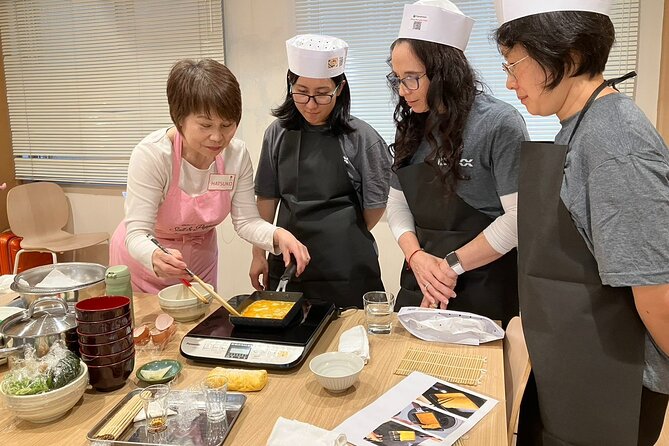
One of the best parts of this kind of class is the “do it together” feeling. The experience is described as instructors supporting you side by side, with chats and care, so you can relax during the process. That coaching style matters when you are learning technique fast.
From what the class experience is known for, it combines food learning with social time. People tend to show up with friends because you can talk, compare results, and cheer each other on. It’s also a classic group-friendly Tokyo activity if you want something more interactive than another museum stop.
That said, this still is a cooking class, not a casual lounge. You’ll be actively working with ingredients and assembling sushi. If you prefer to observe more than participate, you might want to set expectations. Still, the instruction model is designed to keep you involved without leaving you to figure it out alone.
Lunch You Actually Get to Eat, Not Just Watch
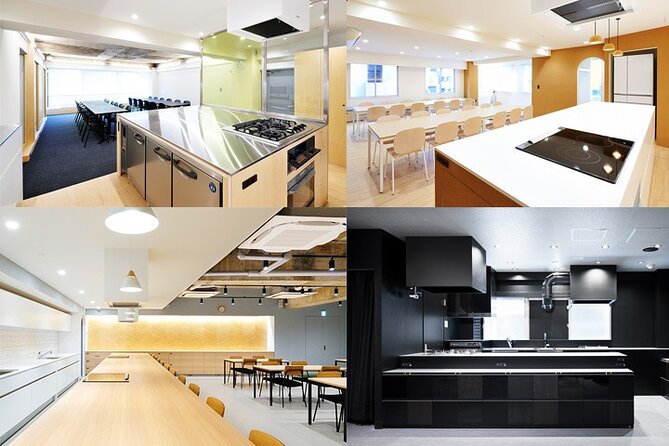
Lunch is included, along with cooking experience and ingredients. That pairing is why this can feel like real value. You are paying for a lesson plus the meal that comes from it.
Eating what you made also changes the motivation. You are more likely to take in details about texture, flavor balance, and presentation because you’re going to taste it right away. If the sushi looks right but tastes bland, you can immediately understand what needs adjusting next time.
In a city like Tokyo, where good food is everywhere, the difference is getting the skill behind the taste. Here, you leave with a couple of dishes you can recreate, not just a memory of eating.



Price and Value: Is $100.73 Worth It?
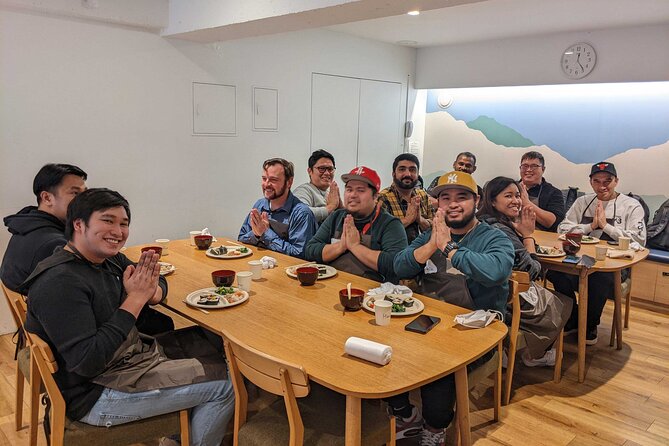
The price is $100.73 per person, for about 2 hours. That is not the cheapest way to eat in Tokyo, but it is a solid deal if you look at what you actually receive.
You get:
- Lunch
- Cooking experience
- Ingredients
Private transportation is not included, so you’ll need to budget time and transit from where you’re staying. Still, the core package includes the materials and instruction.
Here’s how I’d judge value in simple terms. If you were to buy a similar lunch at a restaurant plus pay for a class-style experience, you would likely be in the same ballpark or higher. The big difference is that this class gives you technique. Technique is what turns food into a repeatable hobby.
If you are traveling with friends and you want a shared activity that ends in lunch, the group format can also make the price feel more reasonable.
Timing and Getting There: Minato City at 11:30 am
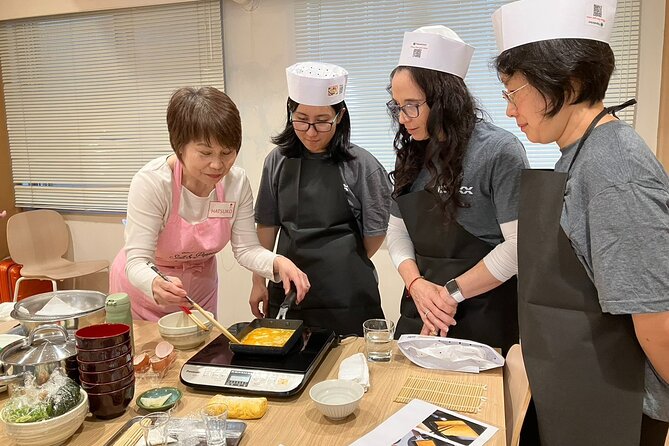
The class starts at 11:30 am in Minato City, Tokyo. Plan to arrive a few minutes early so you can check in calmly and get settled. The activity ends back at the meeting point, so you’re not left guessing how to get back.
You also receive a mobile ticket. That helps if you are moving around Tokyo with your phone in hand. It cuts down on paper handling, which is always a win in a busy city.
Practical tip: since private transportation is not included, check your route before you go. Minato City is connected well, but you still don’t want to gamble on timing. If you miss the start time, the class experience is the whole point, and cooking workshops are not built for late arrivals.
Who This Party Sushi Platter Class Fits Best
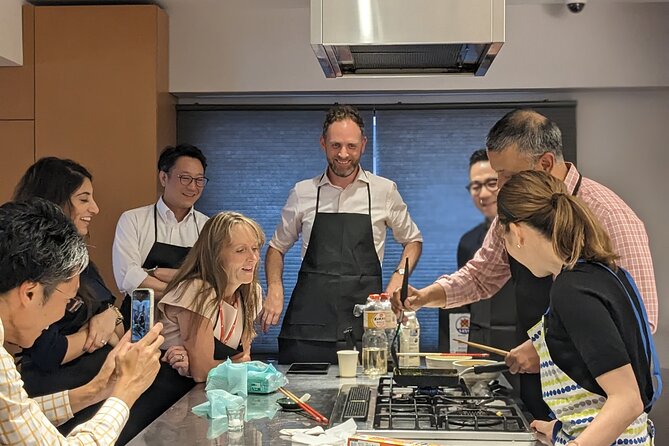
This experience is best for people who want an interactive Tokyo activity that leads to a tangible takeaway. It’s especially fitting if you enjoy Japanese home cooking as much as you love sushi culture.
You should strongly consider it if:
- You are traveling with friends and want a group activity with shared results
- You want to learn specific sushi types meant for parties, not just one roll
- You like the idea of learning miso soup and tamagoyaki alongside sushi
- You care about English support because you want to understand what you’re doing
It may be less ideal if you want a purely sightseeing-based day with minimal kitchen time. Also, because there is a minimum of 4 people per booking, very small groups might have their plans affected if the class doesn’t run as scheduled.
Should You Book Create Your Own Party Sushi Platter?
I think you should book this if you want a fun, hands-on Tokyo food experience that ends with lunch and real skills. The focus on futomaki and temari gives you party-ready sushi knowledge, and the bonus of miso soup and tamagoyaki adds practical Japanese home cooking you can use later.
You might skip it if you’re trying to keep costs ultra-low or if you hate cooking in a group setting. And if transportation logistics are your weak spot, remember private transportation is not included, so plan your trip to Minato City around the 11:30 am start.
If you want a Tokyo memory that involves your hands, your taste, and a platter you can talk about at dinner back home, this one makes a lot of sense.
FAQ
Where does the class start and where does it end?
The start point is Minato City, Tokyo, Japan. The activity ends back at the meeting point.
What time does the experience begin?
The start time is 11:30 am.
How long is the sushi class?
The duration is about 2 hours.
What is included in the price?
Lunch, the cooking experience, and ingredients are included.
Is private transportation included?
No, private transportation is not included.
What is the cancellation policy?
This experience is non-refundable and cannot be changed for any reason. If the minimum number of travelers is not met, you will be offered a different date or experience, or a full refund.
More Tour Reviews in Tokyo
Not for you? Here's more nearby things to do in Tokyo we have reviewed












Tokyo City Tours, side by side.
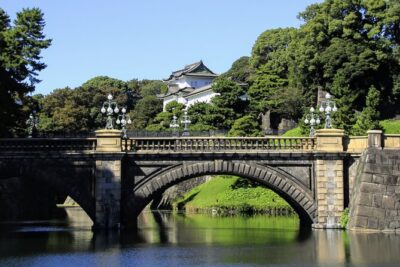 ★ 5.01-Day Tokyo Bus TourFrom $12914,250 reviews
 ★ 4.5TOKYO SKYTREE® Admission ticketFrom $1311,192 reviews
 ★ 4.6teamLab Planets TOKYO Digital Art Museum Entry TicketFrom $259,779 reviews
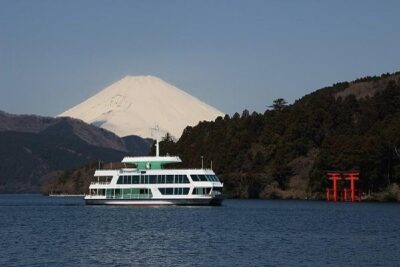 ★ 4.0Mt Fuji & Hakone Cruise, Drum Show Bullet Train 1 Day from TokyoFrom $1497,413 reviews
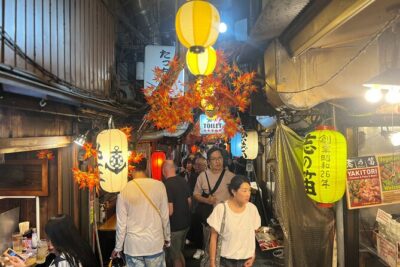 ★ 5.0Shinjuku Food Tour (13 Dishes at 4 Local Eateries)From $866,603 reviews
 ★ 4.4Tokyo Mt Fuji 5th St & Hakone Cruise Bus Tour w/Bullet TrainFrom $1545,024 reviews
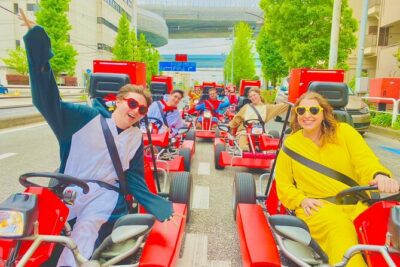 ★ 5.0Flagship 2-Hours Official Street Go-Kart Tour – Tokyo Bay ShopFrom $644,974 reviews
 ★ 4.5From Tokyo: Mount Fuji Full-Day Sightseeing TripFrom $684,970 reviews