
Review · TOKYO CITY TOURS
Customizable Private Tokyo Trip with an English Speaking Driver
Tokyo makes more sense with a driver in front. This private day uses an English-speaking driver and door-to-door pickup, so you spend less time figuring out routes and more time actually seeing Tokyo.
What I love most is the flexibility. You can personalize the day or roll with your driver’s suggestions, and the pacing is designed to hit major landmarks like Tsukiji, Senso-ji, Shibuya, and Skytree without feeling like you’re sprinting. One thing to plan for: Tokyo Skytree tickets cost extra (they are not included), so your final day budget is not just the tour price.
What makes this Tokyo day work so well
- Private vehicle and driver means no crowded train transfers, just a smooth route
- English-speaking guidance helps you move faster and ask questions on the spot
- Flexible itinerary order depending on where you’re picked up, with time-saving sequencing
- Early Tsukiji option as a first stop, which can make your morning easier
- A hit-list that still feels walkable, from temples to observation decks to photo stops
- Skytree is the only major paid add-on, everything else is listed as free
A private, English-friendly Tokyo day in 10 hours
Tokyo can feel like a maze, even when public transport is excellent. A private driver changes the game. Instead of spending your limited time swapping lines, you get direct hotel pickup and drop-off, then a full day of planned stops.
The real win is control. You can follow the suggested flow or tell your driver what you care about, and they work it into the schedule. That matters because Tokyo’s top sights are far apart, and with a fixed day, distance becomes the enemy.
Also, the vehicle is air-conditioned and you get bottled water. Small details, big payoff when the weather turns hot.
You can also read our reviews of more private tours in Tokyo
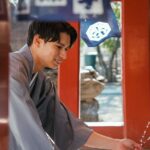
Price and value: $420 per group up to 6, with one ticket fee
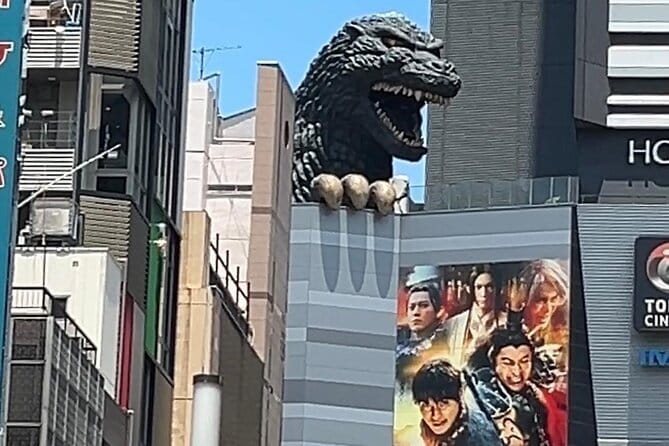
The price is $420 per group for up to 6 people. If your group can fill it (all 6 spots), the cost per person drops quickly compared with booking multiple paid extras or paying separate taxi rides all day.
Here’s the practical catch: Tokyo Skytree admission is not included. The listed minimum is ¥2,300 for adults and ¥900 for children. Everything else on the route is listed as free entry, so your main extra budget item is Skytree.
If you only have two people, the tour can still make sense because you’re buying convenience plus an English-speaking guide. But I’d think about what you’d otherwise pay for: taxis, tickets, and time lost to transit.
Your day, your order: how customization actually helps
This is a fully private outing, so it’s not a set-group script. You get a driver who can guide you through the major stops, but you also have room to shift priorities.
One detail I’d pay attention to: the order is flexible. Tsukiji is preferred early because it closes early, but if your pickup area makes that tough, the day can start elsewhere and the sequence adjusts. That’s exactly the kind of flexibility that keeps a 10-hour day from collapsing.
Your tour also includes a mobile ticket. That’s useful because it reduces the friction of showing up, especially at busy areas where you might otherwise wait around.
Tsukiji Fish Market first: breakfast potential and an early-morning feel
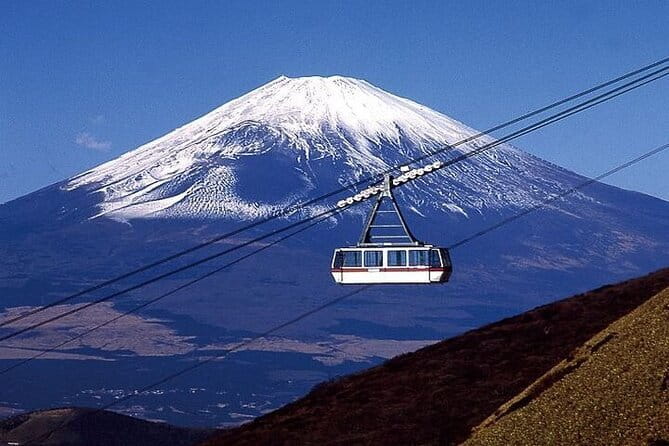
Tsukiji Fish Market is where many Tokyo days begin, but doing it as your first stop can make it more manageable. It’s listed as 1 hour with free admission, and it’s also positioned as a breakfast option, including the chance to try a range of seafood and sushi-style bites.
Why I like this start: morning energy is different. Even when the market is lively, you’re not fighting the later-day crowds for your bearings. Plus, breakfast at the market can reduce the number of meals you have to plan later.
One practical note: you’ll likely walk and stand more than you expect. If you hate crowds, go early and keep your pace steady. Ask your driver what to aim for first so you’re not wandering while hungry.
Senso-ji Temple: classic Tokyo within a tight hour
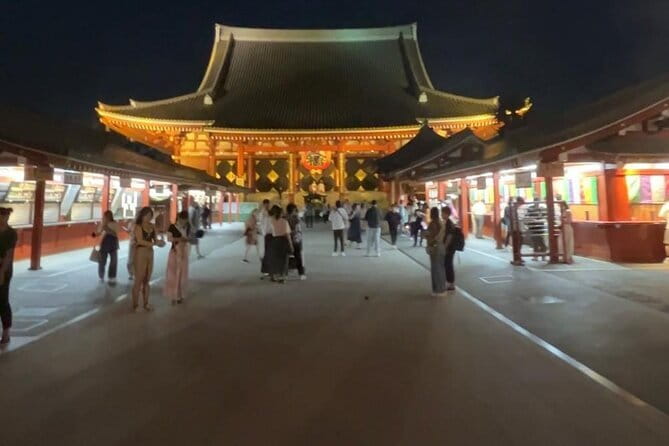
Senso-ji is one of those places where the main experience is visual and atmospheric. You get about 1 hour here, and it’s listed as free entry, with time to walk in, take photos, and soak up the Buddhist cultural feel of the area.
This stop works well in the middle of the day because it’s not a long transit move compared with some of the more spread-out neighborhoods. You also don’t need a ticket to enjoy the core moments, so time spent here feels efficient.
Still, treat it as an active stroll, not a museum visit. The value is being in the thick of it, capturing the iconic views, and then moving on before you lose daylight to lines.
More Tokyo tours and experiences for the shortlist

Tokyo Skytree: the skyline payoff, plus the one paid ticket
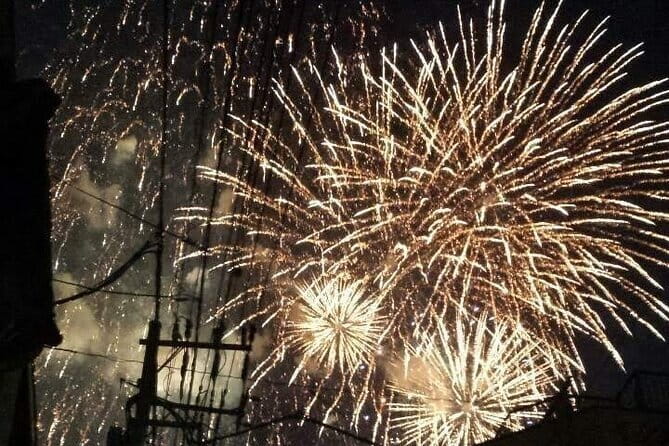
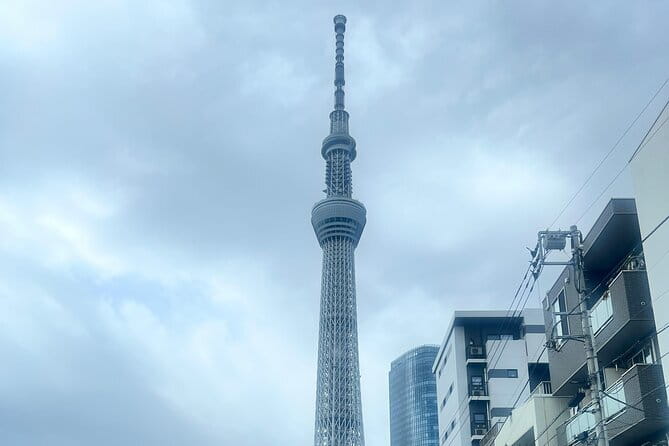
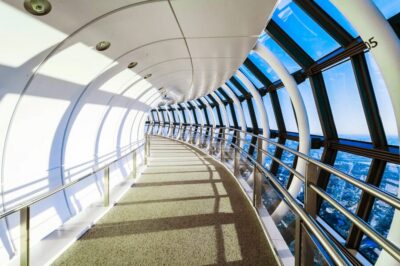
Skytree is your “see the whole city” moment. It’s scheduled for about 2 hours, and it’s the only major attraction on the list that requires an admission ticket.
The observation decks are listed at 350 m and 450 m. That height is why Skytree is often worth the money, even for people who think they’ve already seen enough skylines.
Here’s how I’d think about planning for it:
- You’ll want time for the view, photos, and walking around the deck area.
- If the weather is clear, it’s a huge win. If visibility is poor, you might feel more limited.
Because admission is not included, factor the ticket cost into your budget early. It’s an easy add-on decision once you see Skytree on your route.
Odaiba photo mission: Gundam, Rainbow Bridge, and waterfront scenes
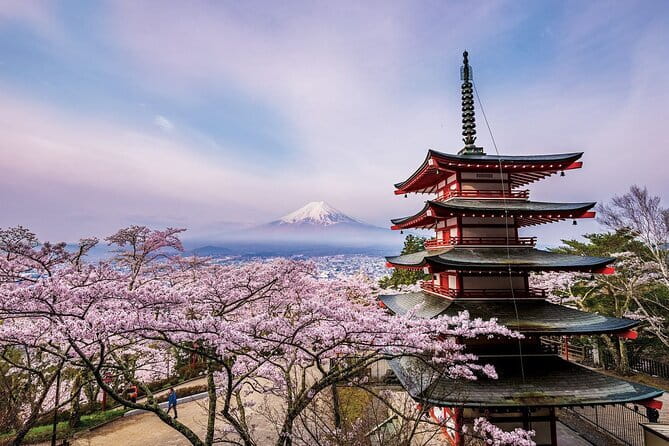
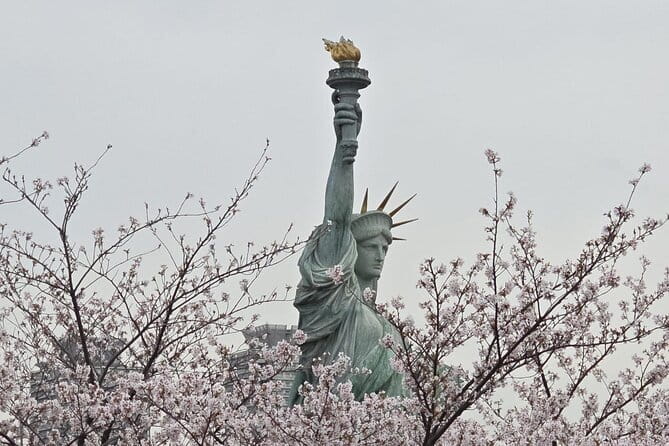
Odaiba is built for fun pictures. You get about 1 hour, listed as free entry, and the notes call out several photo anchors: a life-sized Gundam robot, a mini Statue of Liberty, and the famous Rainbow Bridge.
What makes this stop valuable is variety. You go from old temple energy in the morning to a modern, waterfront-feeling district. The visual contrast is part of the pleasure.
Drawback to keep in mind: if you’re not into themed photo stops or waterfront scenery, you may want to use that hour more strategically. This is where customization shines, because your driver can help adjust what you prioritize in the time you have.
Imperial Palace: a walk in the gardens and a moat drive-by
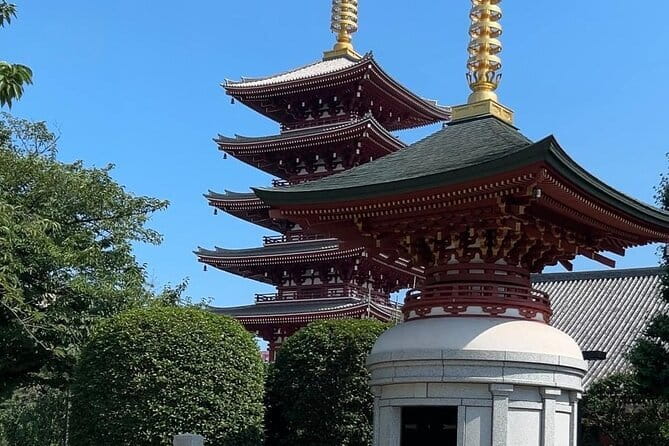
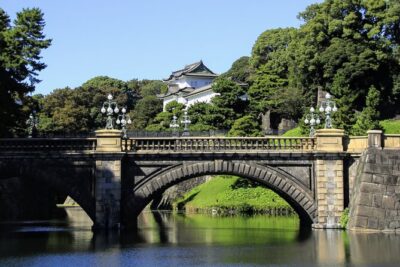
Imperial Palace is scheduled for about 1 hour and listed as free. You’ll walk to the imperial gardens and gates, then drive around the moat.
This is a calmer stop than the high-heat photo districts. Even if you don’t know every detail of the site, the experience works because it feels formal and open, and you get both walking time and a driving view.
One consideration: garden-style areas can mean a bit more walking on uneven paths than you expect. Wear comfortable shoes, and plan to take your time with photos rather than trying to “speed-run” the grounds.
Meiji Jingu Shrine: a short walk into city quiet
Meiji Jingu Shrine is listed for about 1 hour, with free entry. You get a 10 to 15 minute walk to the shrine area, then time to experience the Shinto setting dedicated to Meiji Emperor and Empress Shoken.
Why this stop matters in a big-day itinerary: it slows you down. You go from busy intersections and landmark photo zones into a more reflective, nature-feeling atmosphere.
It’s also a good place to ask your driver questions. An English-speaking guide can explain what you’re looking at in a way that makes the visit click, even if you’re not the type to read plaques for an hour.
Shibuya Crossing and Tokyo Tower: two icons, one efficient flow
Shibuya Crossing is scheduled at about 30 minutes, listed as free. You’ll walk at the famous, busiest cross and also have time to spot the loyal dog statue nearby.
Then the itinerary moves to Tokyo Tower for about 1 hour, listed as a free photo stop. It’s described as colorful and famous, with optional add-ons if time remains.
This pairing works because it balances motion and structure. Shibuya gives you kinetic, modern Tokyo energy. Tokyo Tower gives you a stable landmark to frame your photos around. If you’re short on time, these are the classic “see it once” stops that still feel worth the effort.
If you want to make Shibuya less overwhelming, keep your walk short, take photos early, and get out. The crossing is iconic, but you don’t need an hour to feel it.
Optional add-ons near Tokyo Tower: how to use leftover time
Tokyo Tower is listed as a quick picture stop, and then your schedule can flex toward optional sites. The notes include Zozoji Hall, Edo-Tokyo Open Air Museum, and Kappabashi street for kitchen tools.
This is where I’d personalize based on your interests:
- If you want a more cultural, museum-style experience, look at Edo-Tokyo Open Air Museum.
- If you’re into traditional crafts and practical shopping, Kappabashi for kitchen tools can be more rewarding than random souvenirs.
- If you want another local-feeling stop, Zozoji Hall is listed as an option.
Because these are optional, it’s a good sign for you as the traveler. It means your driver can adapt to timing and your energy level, instead of treating everything as mandatory.
What it feels like in the car with an English-speaking driver
A private day lives and dies by the driver’s rhythm. In the guides named from past experiences, I noticed a repeated theme: prompt pickup, clean and comfortable vehicles, and a guide who knows when to offer context and when to let you explore.
Some people even noted guides who were fun and effective at reading the group. That’s a real skill in Tokyo, where one person wants more walking and another wants shorter stops.
If you have kids or you’re traveling with extra mobility needs, you’ll appreciate the flexibility. One of the experiences described included a mobility scooter, walking frames, and multiple suitcases, and the guide handled the day smoothly. If you have special needs, message ahead so the driver can plan the route and the timing.
How to get the best day out of the route
With a 10-hour schedule and many stops, the best results come from simple planning. Here’s what I’d do before you go.
First, decide what you want most: city skyline views, classic temples, modern photo districts, or shopping. Then pick your “must-do” stops. Skipping Skytree is possible if budget matters, but if you care about the skyline, keep it.
Second, set expectations for walking. Temple streets, shrine paths, and big photo areas mean standing and moving. Wear comfortable shoes even if you consider yourself a light-walker.
Third, plan for lunch your way. Lunch is on you, not included, so you can eat where you want and keep your energy up. If you snack early at Tsukiji, that can also make the day feel less rushed.
Finally, be ready for a flexible order. Tsukiji is preferred early because it closes early, but the sequence can shift based on pickup area. Don’t worry, that’s part of how the schedule stays realistic.
Who should book this private Tokyo trip?
This is a strong fit if you want:
- A first-timer friendly highlights circuit without guessing transit lines
- A day that feels customizable, not rigid
- A realistic way to see both classic Tokyo (Senso-ji, Meiji Jingu, Imperial Palace) and modern Tokyo (Skytree, Shibuya, Odaiba)
It’s also a good choice for families, couples, and small groups who want the comfort of a vehicle and the clarity of an English-speaking guide.
If you love being fully independent and you’re comfortable using Tokyo transit daily, you might skip the driver. But if your goal is to maximize a limited number of hours, the private setup is usually the smarter trade.
Should you book it?
I’d book this if you value time and ease. The route hits the big, memorable stops, and the private format means you’re not stuck in crowd flow or transit stress. The big decision is Skytree budget, but at least it’s a single clear ticket cost rather than surprise fees all day.
Book it especially if you want a driver who can adjust the day on the fly, like starting Tsukiji early when possible, or flexing around optional add-ons near Tokyo Tower. For a first or second trip to Tokyo, this is the kind of day that gives you momentum fast.
FAQ
How long is the private Tokyo trip?
The tour runs for about 10 hours.
How much does the tour cost, and how many people can join?
It costs $420 per group and can accommodate up to 6 people.
Is hotel pickup and drop-off included?
Yes. Pickup is offered, and the tour includes door-to-door hotel transfers and drop-off at your hotel or desired point.
Are attraction tickets included?
Most stops are listed as free entry. Tokyo Skytree admission is not included, with the tour listing ticket prices of ¥2,300 for adults and ¥900 for children.
Does the itinerary start with Tsukiji Fish Market?
Tsukiji Fish Market is the preferred first stop because it closes early, but the start point and order can change depending on your pickup area.
What happens if weather is bad?
The experience requires good weather. If it’s canceled due to poor weather, you’ll be offered a different date or a full refund.
More Private Drivers in Tokyo
More Private Tours in Tokyo

More Tour Reviews in Tokyo






Not for you? Here's more nearby things to do in Tokyo we have reviewed












Tokyo City Tours, side by side.
 ★ 5.01-Day Tokyo Bus TourFrom $12914,250 reviews
 ★ 4.5TOKYO SKYTREE® Admission ticketFrom $1311,192 reviews
 ★ 4.6teamLab Planets TOKYO Digital Art Museum Entry TicketFrom $259,779 reviews
 ★ 4.0Mt Fuji & Hakone Cruise, Drum Show Bullet Train 1 Day from TokyoFrom $1497,413 reviews
 ★ 5.0Shinjuku Food Tour (13 Dishes at 4 Local Eateries)From $866,603 reviews
 ★ 4.4Tokyo Mt Fuji 5th St & Hakone Cruise Bus Tour w/Bullet TrainFrom $1545,024 reviews
 ★ 5.0Flagship 2-Hours Official Street Go-Kart Tour – Tokyo Bay ShopFrom $644,974 reviews
 ★ 4.5From Tokyo: Mount Fuji Full-Day Sightseeing TripFrom $684,970 reviews
This tour also belongs to