
Review · TOKYO CITY TOURS
Discover Japanese Umami: Onigiri & Dashi Masterclass in Tokyo
Umami is easier to taste than explain. In this Tokyo cooking class, you learn Japanese flavor basics by watching how dashi is made, then comparing kombu, katsuobushi, and awase flavors side by side. You also get hands-on with dashimaki tamago and shape your own onigiri by hand.
What I really like is the clear, practical focus on dashi and umami and the fact you leave with usable technique, not just notes. The meal is also substantial for a 2-hour class, with multiple dishes plus a sake tasting. The one thing to consider is that it is not a private experience, and the group is capped at 8, so if you want lots of one-on-one attention, this might feel a bit fast paced.
Key things to know before you go
- Taste three dashis side by side to understand how umami changes with each stock.
- Hands-on cooking with classic tools, including a rectangular tamagoyaki pan for dashimaki tamago.
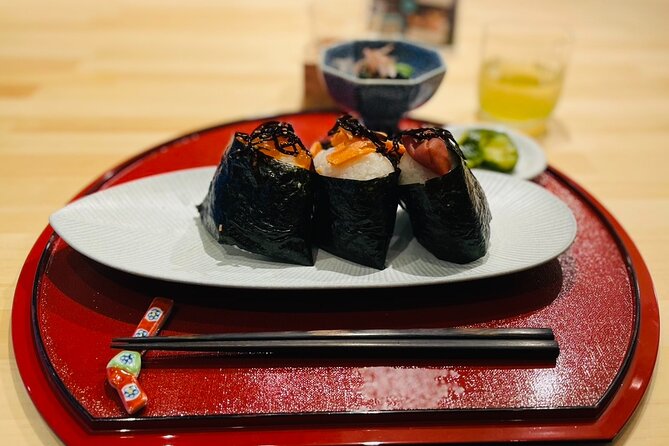
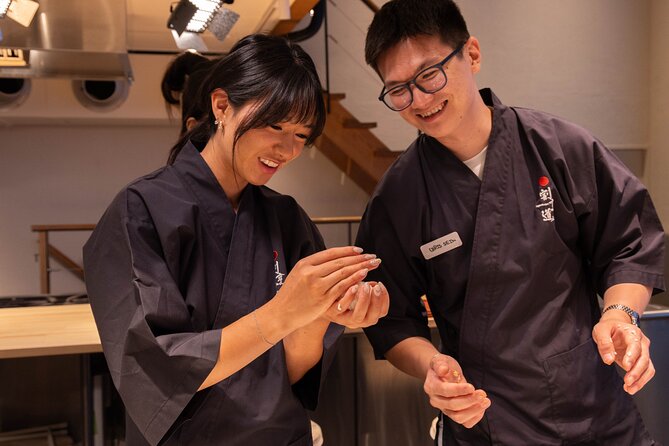
- You shape your own onigiri by choosing fillings and forming the rice balls by hand.
- A full washoku-style lineup includes miso soup and side dishes, not just one dish.
- Sake tasting is included, with Kappodo original sake.
- English instruction, plus a printed recipe set and Japanese seasonings to take home.
Umami and dashi basics you can taste in Tokyo
Japanese cooking has a “flavor backbone,” and this class teaches you what that backbone is. Umami is often described like a concept, but here you learn it the way Japanese cooks do, through dashi. You start with a warm welcome, then the lesson moves straight into what makes dashi so central: the ingredients, the process, and how the stock tastes.
I like that the class does not treat umami like a magic word. It links the idea to something you can actually compare. That matters, because once you taste the differences, you can recreate them later at home without needing to guess.
Timing is also friendly for planning. The class starts at 11:00 am and runs about 2 hours. That is long enough to cook, eat, and learn the core techniques, but short enough that it fits cleanly into a day of exploring Tokyo.
You can also read our reviews of more tours and experiences in Tokyo.



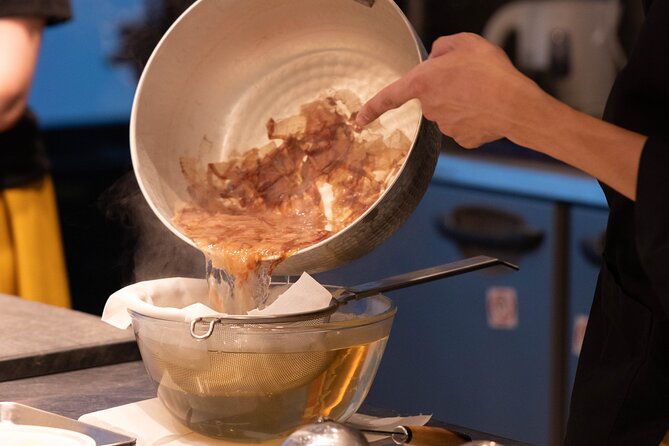
Watching three dashis get made, then tasting the differences
This is the part of the experience that makes it more than just “another cooking class.” You get to see three types of dashi prepared in front of you, and you taste them in a comparison format that makes the theory stick.
You will learn about:
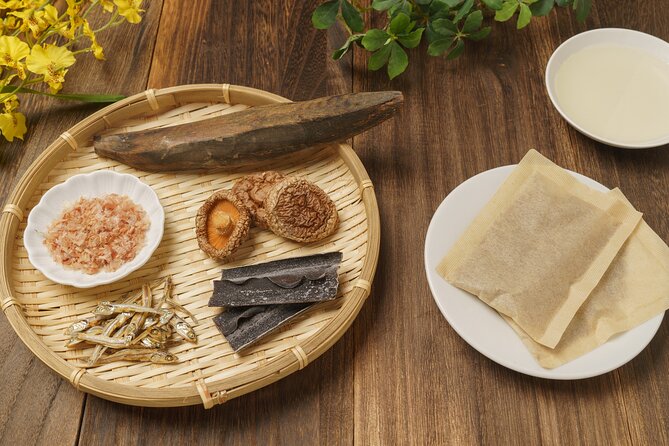
- Kombu dashi (kelp)
- Katsuobushi dashi (bonito flakes)
- Awase dashi (combined)
The combo stock is especially important because many Japanese kitchens use blends to balance aroma and depth. When you taste each one, you start to understand why Japanese soups, noodle broths, and braises often hinge on the same starting point.
One practical benefit for you: once you know these three, you can troubleshoot at home. If a soup tastes flat, you will understand what to adjust, such as stock strength or how the ingredients contribute umami.
Miso soup and side dishes: the washoku flow makes sense
After the dashi comparison, the class shifts into a washoku-style meal flow. You watch how traditional side dishes and miso soup are demonstrated, including the plating process. Even if you do not care about presentation, this portion teaches an important idea: Japanese home cooking is structured. It is not just one pot and a side.
You also see how the pieces relate to your earlier lesson. Dashi is not only a technical step. It becomes the foundation that supports everything else on the table, especially in miso soup and many side dishes that lean on that savory base.
This is also where you feel the class is designed for real eating, not just cooking. The meal you build and sample feels full for a 2-hour session, and it is a nice pace change after hands-on prep.
Dashimaki tamago on a rectangular pan: technique you can repeat
Now you get your hands on one of the most recognizable Japanese egg dishes: dashimaki tamago, a fluffy Japanese rolled omelet.
The class specifically uses a rectangular tamagoyaki pan, which matters. The shape helps you roll thin layers evenly and keep that tender, layered texture. If you have ever tried making tamagoyaki at home with the wrong pan, you know the frustration. Here you get to learn the method in the proper setup.
You cook the rolled omelet yourself, guided through technique. Even without prior cooking experience, this is approachable because the process is structured: mixing, pouring, rolling, repeating. It gives you a real-world takeaway, not just a dish to eat once.
What to watch for as you cook: control and consistency. When layers cook too thick, the roll loses that delicate texture. When your pour is uneven, the roll can get lumpy. This class pushes you toward small, repeatable actions, which is exactly what you want if you plan to recreate it later.
Making onigiri by hand with classic fillings
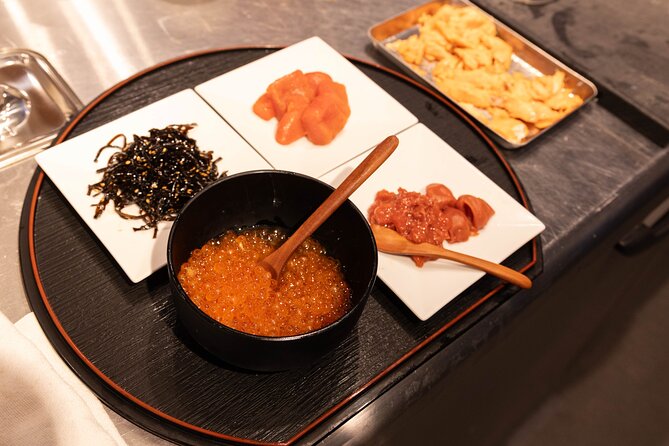
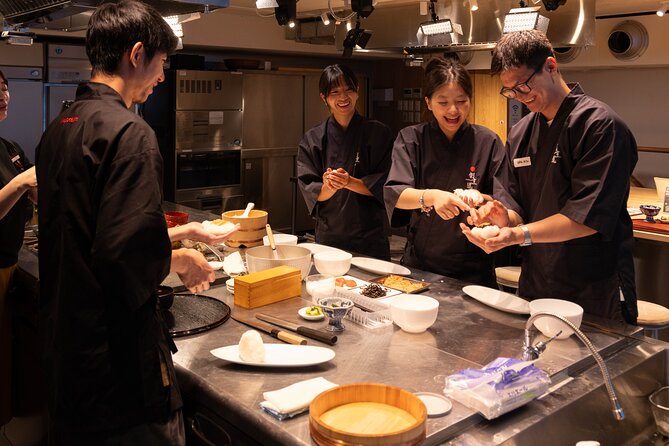
Then comes the fun, satisfying part: onigiri. You choose from a variety of traditional fillings and shape the rice balls by hand. This is where the class becomes more personal, because you decide what goes inside and how you form it.
Onigiri can look simple, but it has hidden technique. Rice temperature affects how it sticks. Firm shaping helps the filling stay in place. If you go too loose, it falls apart. If you press too hard, it can turn dense. You get guidance so you are not just guessing.
Practical tip for your future you: once you learn the basic shaping feel, you can freestyle fillings more confidently. This class gives you a framework using classic options, which is better than learning random fillings without the core technique.
Also, the rice and dashi theme runs through it. Even when the dish is portable, the flavors are still tied to Japanese umami thinking. That is why it all works together as a lesson plan, you are not jumping randomly between unrelated recipes.



Alcohol included: Kappodo original sake makes it a meal
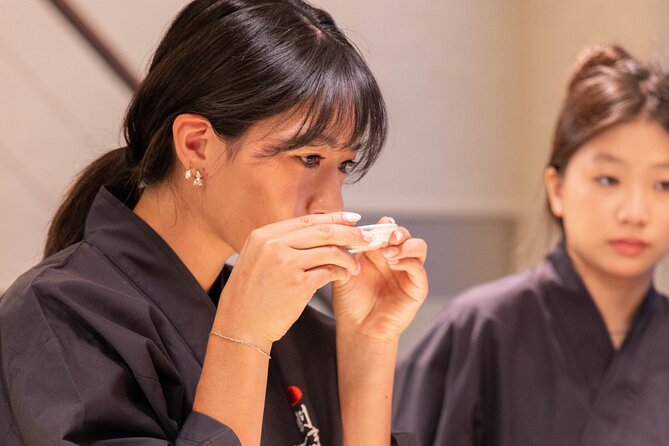
One detail that turns this from “a class” into “an experience” is the included drink. You get alcoholic beverages tasting of Kappodo original sake during the session.
This is not just a token pour. It fits the food-focused theme. If you like matching drinks with subtle flavors, you may find it helps you notice how the dishes taste once the palate is warmed up.
If you do not drink alcohol, you might still appreciate the class atmosphere and the fact that it feels like a proper meal experience. The key is that the cooking and food are still the center.
Price and value for a 2-hour Tokyo umami workshop
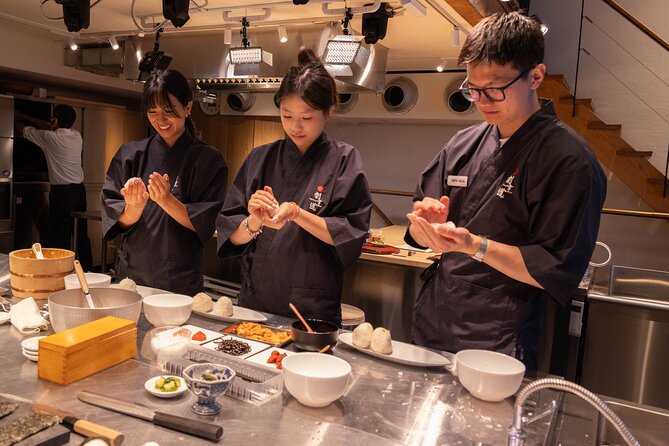
The price is $129.49 per person for about 2 hours in Tokyo, with a group size capped at 8 travelers. That is not the cheapest cooking class in the city, but it is also not paying for showmanship.
Here is where the value comes from:
- You get to taste three types of dashi, not just one.
- You cook multiple dishes: dashimaki tamago plus onigiri, and you also get miso soup and side dishes as part of the meal.
- Tools and aprons are included, which matters if you do not want to bring kitchen gear.
- Instruction is in English, so the learning stays clear.
- You receive a printed recipe set and Japanese seasonings to take home, which extends the class beyond the table.
Think of it like this: you are paying for guided technique plus ingredient education, with a take-home component. If you care about Japanese flavor foundations, this is the kind of class that keeps paying you back when you cook later.
Where it runs and how to fit it into your Tokyo day
The meeting point is Kappodo H.Q / Tokyo D kitchen Studio, in Minato City, Nishiazabu, at 2-chōme 21-12 DKビル, Tokyo 106-0031. It ends back at the meeting point, so you are not dealing with a long handoff or extra transfers.
It is described as near public transportation, which is a big deal in Tokyo. You want your “cooking class time” to be predictable. Private transportation is not included, so plan to use trains or walking.
Also, 11:00 am start time is ideal if you want a late morning meal and still have energy for sightseeing after. If you are doing a food day in Tokyo, this can anchor the schedule.
Who should book this, and who might not love it
This class is a great match if:
- You want a hands-on Tokyo cooking class focused on umami and dashi.
- You like eating what you cook, not just sampling one small bite.
- You want techniques you can repeat, especially for tamago rolling and rice shaping.
It may feel less ideal if:
- You want a very slow, one-on-one cooking session. With a small group, you will still get attention, but the class flow is set up for everyone to cook and taste.
- You are only interested in one dish. Here, the point is learning the flavor foundation that connects all dishes.
Booking tips that make the day smoother
A few practical points before you go:
- Come hungry. The class includes making and tasting multiple dishes, plus miso soup and side dishes, and sake tasting.
- Wear comfortable clothes you can move in. You will be standing and working at a workstation.
- Expect English instruction and printed materials. If you like writing down steps, you will have a recipe set to keep you on track later.
- If you want to shop for dashi and seasonings after, you will have a better sense of what you are looking for once you taste the three dashis.
Should you book this Japanese umami masterclass in Tokyo?
If you like Japanese food, this is one of those classes that can change how you cook. The reason is simple: you learn the flavor foundation, dashi, through tasting and technique, not just reading recipes.
I would book it if you want hands-on practice with dashimaki tamago and onigiri, and you care about understanding why flavors taste the way they do. The small group size and included tools, aprons, sake tasting, and take-home recipe set all support the price.
I would skip it if you are looking for a pure sightseeing tour or if you prefer deeply private instruction. This is a structured class where you work, eat, and learn within a tight 2-hour window.
FAQ
What time does the class start, and how long is it?
It starts at 11:00 am and lasts about 2 hours.
Where is the meeting point in Tokyo?
You meet at Kappodo H.Q / Tokyo D kitchen Studio, in Minato City, Nishiazabu, Tokyo (2-chōme 21-12 DKビル, 106-0031).
How many people are in the group?
The class has a maximum of 8 travelers.
Is the class taught in English?
Yes, instruction is in English.
Do I need prior cooking experience?
No prior cooking experience is needed.
What food and drink are included?
You’ll do hands-on onigiri making, cook dashimaki tamago, and you’ll also have side dishes and miso soup. An alcoholic beverages tasting of Kappodo original sake is included.
Are tools and aprons provided?
Yes, all tools and aprons used in the lessons are included.
Will I get anything to take home?
Yes, you’ll receive a printed recipe set and Japanese seasonings to recreate the flavors later.
What is included in the price, and is transportation provided?
The experience includes the lecture, hands-on cooking components, and sake tasting, but private transportation is not included.
What is the cancellation policy?
You can cancel for free up to 24 hours in advance of the experience start time for a full refund.
More Tour Reviews in Tokyo
Not for you? Here's more nearby things to do in Tokyo we have reviewed












Tokyo City Tours, side by side.
 ★ 5.01-Day Tokyo Bus TourFrom $12914,250 reviews
 ★ 4.5TOKYO SKYTREE® Admission ticketFrom $1311,192 reviews
 ★ 4.6teamLab Planets TOKYO Digital Art Museum Entry TicketFrom $259,779 reviews
 ★ 4.0Mt Fuji & Hakone Cruise, Drum Show Bullet Train 1 Day from TokyoFrom $1497,413 reviews
 ★ 5.0Shinjuku Food Tour (13 Dishes at 4 Local Eateries)From $866,603 reviews
 ★ 4.4Tokyo Mt Fuji 5th St & Hakone Cruise Bus Tour w/Bullet TrainFrom $1545,024 reviews
 ★ 5.0Flagship 2-Hours Official Street Go-Kart Tour – Tokyo Bay ShopFrom $644,974 reviews
 ★ 4.5From Tokyo: Mount Fuji Full-Day Sightseeing TripFrom $684,970 reviews