
Review · TOKYO
Discover the Secrets of Pachinko, Japan’s Traditional Game
Pachinko feels like chaos at first. This Tokyo lesson turns that noise and flashing lights into a clear game flow, from buying credits with an IC card to firing balls on real machines. I especially like how quickly the guide helps you start playing, not just watching.
I also like the short pre-play briefing on parlor rules and manner, because it keeps you from doing the wrong thing when you’re surrounded by people and machines. One possible drawback to plan for: the tour price does not include the token or ball rental fee of 4,000 JPY per person.
Key Points You’ll Appreciate
- IC card setup first, so you’re not stuck figuring out payments in the arcade
- BB station near Nippori, easy to reach and straightforward to return to afterward
- A quick rules and manners talk (5 to 10 minutes) before you touch the machines
- Handle-position tips focused on aiming for the center pocket
- Small group size with a maximum of 10 travelers for more hands-on coaching
- High satisfaction with a 4.8 rating from 11 reviews and 100% recommendation
Getting Oriented at Nippori and BB station
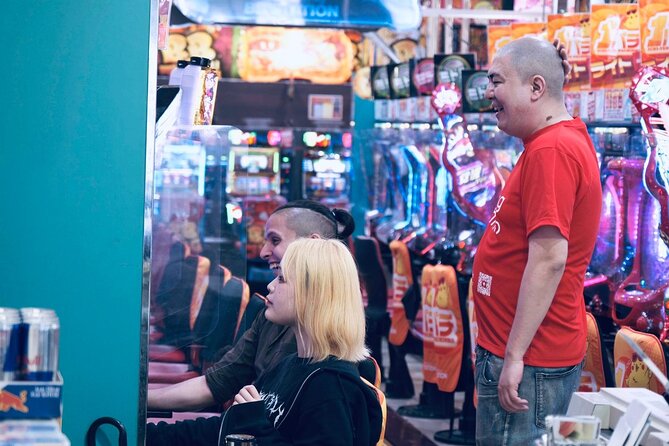
The experience starts at Nippori Station, then you head to a nearby pachinko parlor called BB station. Since you’re meeting near a major station area, you can show up without a long “where is this place” hunt. The whole session also ends back at the same meeting point, which is handy in Tokyo where you might have dinner plans.
What I like most is that the guide’s job begins before you ever see a machine up close. You get help getting your bearings fast, and that matters because pachinko parlors can feel overwhelming on your first visit. You’re moving through a maze of colorful machines, and learning the layout and where to stand is part of the early value.
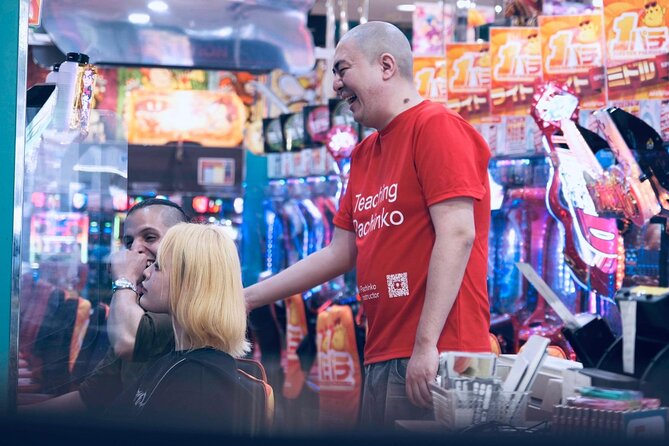
This is a small group experience, capped at 10 people. In practice, that usually means more direct attention when you’re trying to remember what you were shown. It also means you can ask quick questions without turning the instruction into a slow lecture.
You can also read our reviews of more tours and experiences in Tokyo.



Price and Token Costs: What You’re Paying For
The tour costs $70.73 per person and runs about 1 hour 15 minutes. That price covers the guided instruction plus gratuities, so you do not have to think about adding tips at the end.
But you do need to budget one extra item: the fee to rent tokens or balls, listed as 4,000 JPY per person. Bottled water is also not included, so bring your own or plan to buy water separately.
Here’s how I’d think about value. You’re not just buying entry to a parlor. You’re paying for someone to explain the game flow clearly and then coach you through the mechanics of launching balls. If you’ve ever walked into an unfamiliar arcade and wasted time just trying to locate the right buttons or steps, this kind of guidance is exactly what makes the experience feel worth it.
IC Card Credits: The First Skill Before You Play
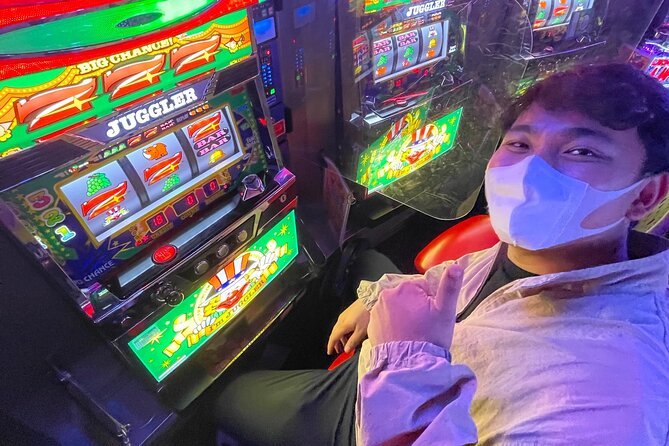
One of the most useful parts is the guide walking you through how credits work using an IC card. That’s your starting point, because pachinko is not just about flicking a handle. It’s also about getting the machine ready to accept your play.
Once you’ve got credits set up, the guide shows you how the game actually progresses on the machine you’re using. The core action you’ll practice is launching balls with a flick of the handle. This is the moment where instruction matters, because if you’re guessing, you’re basically learning with every try.
I like that you learn the flow in the order that you’ll experience it in real life. First you handle the IC card credits. Then you focus on the physical action. Then you play and adjust based on what you see.
If your goal is to understand pachinko instead of just pressing buttons, this structure helps. You’re building a mental model, not just muscle memory.
The 5 to 10 Minute Rules and Parlor Manners Briefing
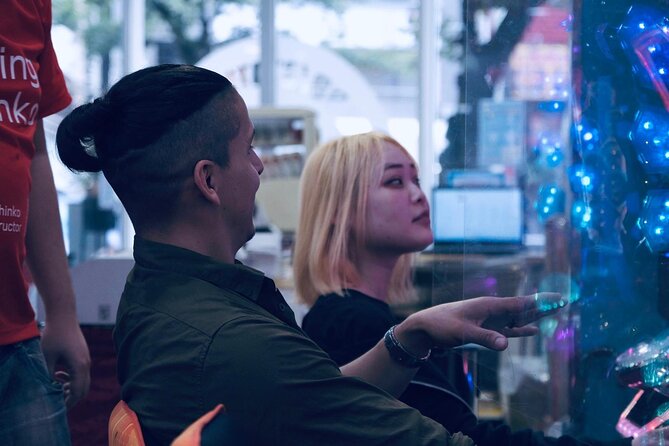
Before you play, you get a short briefing, about 5 to 10 minutes, on rules and manner in the parlor. That sounds quick, but it’s exactly what you need at this stage. You do not want a long safety speech, and you also do not want to figure out etiquette while everyone else is already in motion.
Even without getting too technical, knowing the basics of how to behave in the parlor makes everything easier. It helps you focus on the machine, rather than wondering if you should be doing things differently.
The timing also works well for first-timers. You spend a small chunk of the session learning how to act, then you jump into real practice. That balance is one reason this experience scores so well for people who want an easy start.
Hands-On Training: Flicking the Handle and Aiming for the Center Pocket
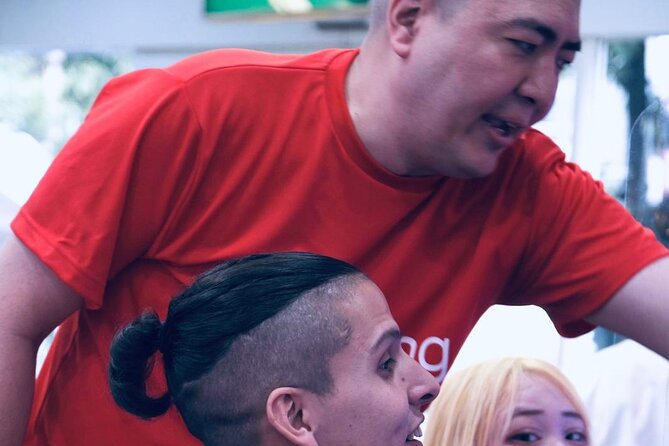
The big coaching moment comes when the guide teaches you how to aim, not just how to launch. You’ll get tips about adjusting the handle’s position, with the goal of aiming for the center pocket with precision.
This is the kind of instruction that instantly makes pachinko feel less random. Instead of treating it like luck, you start treating it like a skill with controllable inputs. Even if results still vary, you’re learning what the machine is expecting from you.
You’ll also be moving around among machines during the session, and the guide helps you navigate that maze of colorful equipment. That includes finding machines, getting set up correctly, and then staying focused while you play.
One more practical point: this is a real training style tour. Some people walk in not fully understanding the game, then leave with a better grasp because the instructor keeps you moving through the exact steps. And while winning is not guaranteed, the experience is clearly positioned as a learning session where you can still have moments of success.


Make the Most of a 1 Hour 15 Minute Session
With an experience duration of about 1 hour 15 minutes, you should think of this as a concentrated lesson. The first portion includes walking from Nippori to BB station plus the quick rules briefing. Then you get time to try playing with guidance.
In a short session, pacing matters. You want to spend your effort on learning the critical sequence, like IC card credits and the handle flick, instead of burning time on confusion. The guide’s job is to reduce that confusion quickly, so you get more meaningful practice.
There’s also a nice extra detail from real-world coaching behavior. One account describes the guide being willing to stay after the hour was up if a machine was still performing well, giving the group a chance to learn a few different games. That’s not something you should assume will happen every time, but it does signal an instructor who cares about your learning, not just clocking out.
If you’re the kind of person who likes to watch a little, then try, then adjust, this format works. If you prefer a long, slow explanation before touching anything, you might want a different style of activity.
Who Should Book This Pachinko Lesson in Tokyo
This tour fits best if you want a structured, hands-on introduction to a very Tokyo activity. It’s also built for first-timers, since most travelers can participate and you’re guided through the actual mechanics.
You’ll likely enjoy it if you:
- want to learn how to start playing pachinko, including IC card credits
- like practicing physical skills with an instructor watching your form
- enjoy Japanese arcade culture and traditional games
- appreciate a small group setting with a maximum of 10 travelers
It might be a weaker fit if you hate crowded parlor environments or you’re looking for a purely observational experience. The activity is centered on you trying the machines, and the session is designed around practicing the handle flick and aiming tips.
Also, go in with a clear mindset about outcomes. Winning can happen, but it’s not the point. The strongest promise here is learning the flow and getting coached enough to play with confidence.
Should You Book This Tour or Skip It?
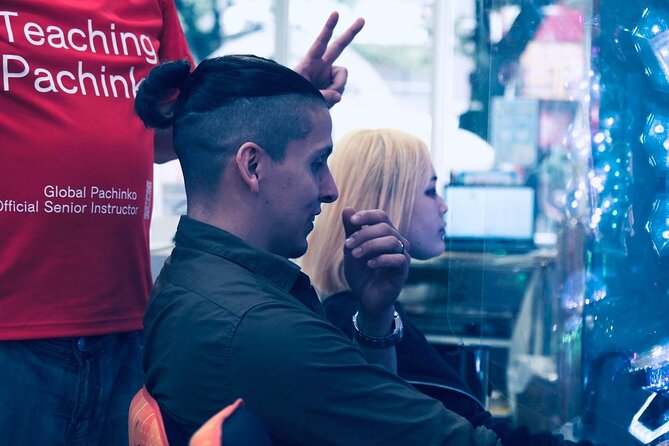
I’d book this if you want your first pachinko session to feel understandable, not random. The high satisfaction score, 4.8 with 11 reviews and 100% recommendation, lines up with what this experience is built to do: teach the game flow, help you find your way at BB station, and coach the aiming and handle setup so you can actually play.
It’s also a good choice for value if you would otherwise spend your time figuring things out on your own. Paying an instructor for that early confusion is often the difference between a frustrating night and a fun one.
Skip it only if you’re not willing to pay the extra 4,000 JPY token or ball rental fee, or if you want a long sightseeing-style activity. This is a play-and-learn session, and it moves fast for a reason.
FAQ
Where is the meeting point for this Tokyo pachinko experience?
You’ll start at Nippori Station, with the address listed as Nippori Station 2 Chome-19 Nishinippori, Arakawa City, Tokyo 116-0013, Japan.
What is the approximate duration?
The experience takes about 1 hour 15 minutes.
What additional fees should I expect?
The tour does not include the fee to rent tokens/balls, listed as 4,000 JPY per person. Bottled water is also not included.
Is this near public transportation?
Yes. The meeting point is near public transportation, and the parlor is near Nippori Station.
How many people are in the group?
This activity has a maximum of 10 travelers.
Do I receive a ticket on my phone?
Yes. The tour includes a mobile ticket.













