
Review · TOKYO
Enjoy plus size Kimono
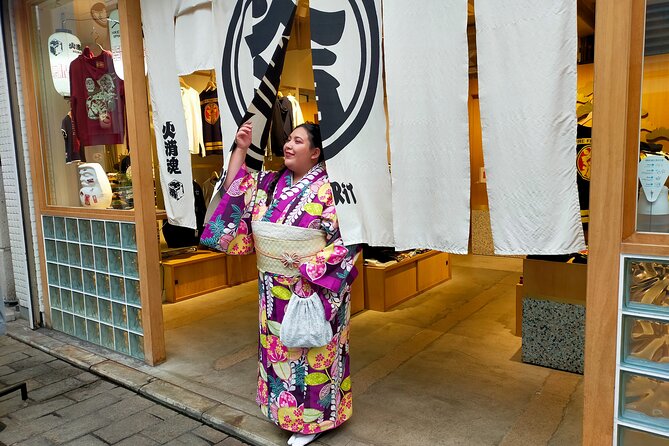
One outfit. One guide. Much better photos. This private plus-size kimono and photo session in Asakusa is built around comfort, fit, and getting you flattering angles fast, with Alisa helping you choose a kimono, accessories, and spots for photos.
What I love most is the plus-size sizing rules are clearly spelled out, so you can plan without guesswork. I also like that the whole thing is focused on photos, with a guide directing you so you are not stuck doing awkward solo selfies in Japanese outfits.
The main thing to consider is that pattern choice changes with size. Larger sizes have fewer patterns, and men’s larger sizing is limited, so you’ll want to check your measurements before you fall in love with a specific look.
Key things to know before you go
- Private attention: it is just your group, so you get help instead of waiting your turn.
- Photo coaching included: you leave with smartphone-ready images, not just a pretty outfit.
- Plus-size limits are specific: torso width up to 130 cm, plus height limits for women and men.
- Kimono vs yukata depends on temperature: winter kimono or summer yukata, based on the weather.
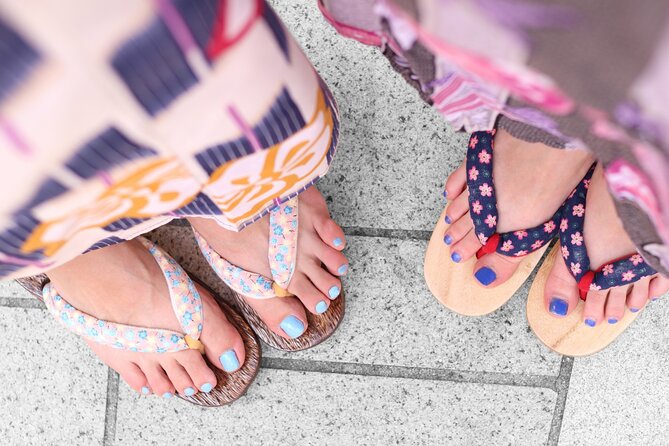
- Dress-up is included end-to-end: kimono, inner, belt, shoes, socks, and accessories are provided.
- No snacks, no transport: budget for your own water/snacks and get yourself to Asakusa.
Plus-Size Kimono Fit Rules That Actually Matter
Before you book, check the measurements. This experience is designed for plus-size visitors, but kimono sizing in Japan still follows traditional patterns, so the operator sets clear cutoffs.
Here are the limits you need to plan around:
- Widest torso part up to 130 cm (52 inches) for both men and women.
- Height limits: Women up to 170 cm (67 inches), men up to 190 cm (75 inches).
If your biggest part is over 130 cm, you cannot reserve from the page, but you can contact them by message. I like that this is handled upfront, because it keeps expectations realistic. Kimono dressing is not magic if the garment cannot fit the body.
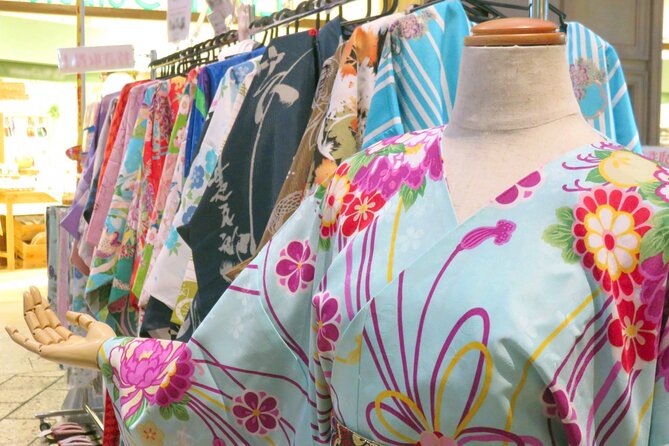
Pattern choice also depends on size. The larger the size, the fewer patterns you can choose. Even so, the largest size still has more than 10 patterns for women. For men, larger sizing is more limited, with only a few large kimonos in basic dark colors and no pattern options listed for the biggest sizes. If you are shopping for a bold print for a partner, confirm what is available for your exact size range.
You can also read our reviews of more tours and experiences in Tokyo.



Asakusa Station Check-In and Your Dressing Time
You meet at Asakusa Station at 12:00 pm. The exact start location is listed near Asakusa, Taito City, Tokyo, and the activity ends back at the same meeting point. This matters because you are not dealing with half a day of transit, and you can plan your lunch or snack timing around a clean start and finish.
At check-in, you change clothes and the female staff dresses you in the kimono you chose. You also get help with the details that make kimono photos look good, not just “kimono-shaped.” That includes:
- belt setup
- inner layers
- shoes and socks
- bag and hair accessories selection
- a Japanese-style hairstyle
One small detail that has real impact: hair styling is part of the experience, so you are not trying to wrestle with pins after you already stepped outside. In one account, the dressing and hair setting reportedly took around 45 minutes, which gives you a sense of pace. If you are anxious about time, aim to arrive a few minutes early so nobody feels rushed.
Season also affects the garment. If it is colder, you wear a winter kimono. If it is warm, you wear a yukata (a lighter summer kimono). The schedule for switching depends on temperature, so your guide is likely adjusting based on what the weather feels like on the day.
A practical note on comfort
Kimono can feel unfamiliar at first, but you are not thrown into a mystery outfit. You get fitted and guided in the shop before going out. That is the difference between feeling like a costume and feeling like you belong in the photos.
The Photo Walk: When the Guide Helps You Look Natural
At around 12:45 pm, you go out with your guide. This is the part you should think of as the “real value,” because it is not just scenic strolling. Your guide gives top tips on the best photo spots in Tokyo, and then actively takes your photos with your camera or smartphone.
So instead of:
- finding a pose,
- hoping your angles work,
- and praying strangers do not photobomb,
you get someone steering you into positions that look good.
Asakusa is the setting, and photos are heavily associated with the classic area around Sensoji. In plain terms, you get that iconic backdrop, without you having to guess where to stand for the shot.
What your guide is doing for you
Even if you only see a few minutes of guiding, you get the benefit of someone who knows how to make the kimono look right on camera. That can mean:
- turning you slightly so the kimono shape shows cleanly,
- adjusting where your bag and sleeves sit,
- and choosing viewpoints where your outfit does not get swallowed by the crowd.
Because it is private, there is no pressure to keep moving before you feel ready. You can ask for a specific angle or a different background, and you do not have to negotiate with a group schedule.
One more thing I appreciate: the experience is built for people who want photos without awkward selfie angles. It is a small goal, but it changes the whole tone of the afternoon.


Going Back at 2:30 pm to Change Out
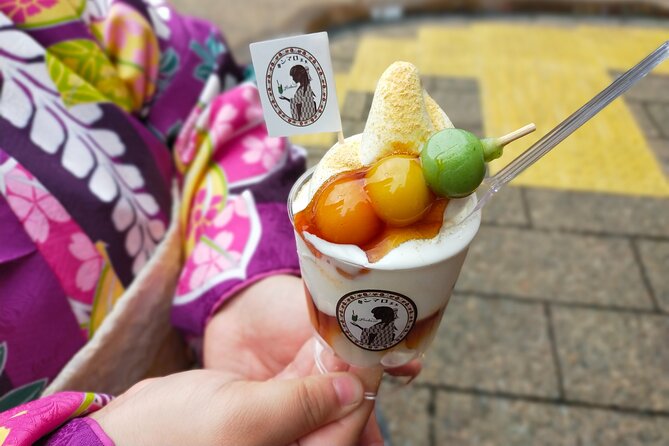
The session wraps at 2:30 pm. That includes returning to the shop and changing clothes again. I like that the outfit time is contained. You get time for photos and then you get back to normal clothes while you still have energy.
This schedule also helps if you are planning the rest of your day in Tokyo. You can fit in a second activity after, or at minimum you can eat something soon after your kimono adventure.
What’s Included, What’s Not, and How to Budget
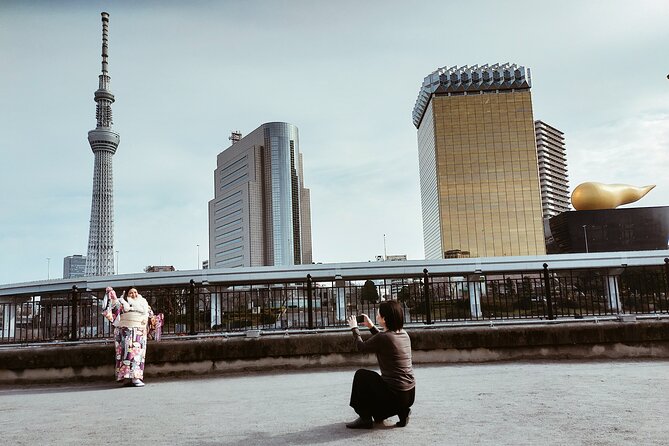
The price is listed at $85.65 per person, and for context, this is booked about 101 days in advance on average. That tells me it is popular, especially for people planning their first Japan trip or Asakusa day.
Here is what is included:
- rental kimono, belt, inner, shoes, socks
- hair accessories and bags
- the full dressing and hairstyle setup
- the guided photo session, including help with camera or smartphone
What is not included:
- snacks or food (you pay for that yourself)
- private transportation (you handle getting yourself to Asakusa)
Is $85.65 good value?
For Tokyo, yes, because the price is doing more than “rent a costume.” You are getting:
- fit plus outfit details,
- hair styling,
- and a guide dedicated to photos in a tight 3-hour window.
If you tried to do this on your own, you’d likely spend time and stress renting clothing, figuring out fit, and still needing someone to take decent photos. Here, you pay for speed and guidance.
You should still budget for your day like a normal tourist: plan a snack and water stop, and factor in your own transportation to Asakusa Station.
Private Session Energy, Solo-Friendly Comfort
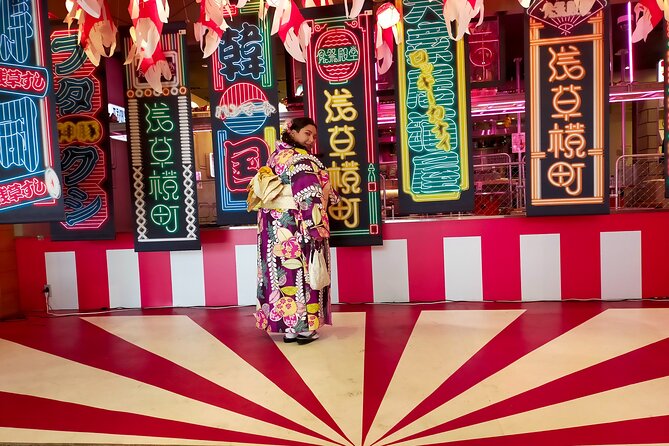
This is a private experience. Only your group participates. That is a big deal for kimono dressing and photo time, because it reduces the usual friction.
For solo travelers, it is often the biggest help: you are not trying to time your selfie breaks or ask strangers for photos. You also can move at the pace of your comfort level while still getting the photos you want.
For couples, the experience supports men’s only or female couples (men’s kimono paired with women’s kimono). So if you and your partner want matching vibes, you can set it up in a way that feels coordinated, not improvised.
And yes, people also use this as a special-occasion day. If you are celebrating a honeymoon or a milestone, a private kimono photo session is one of those “simple plan, big memory” experiences.
The One Potential Problem: Double-Check the Meeting Point
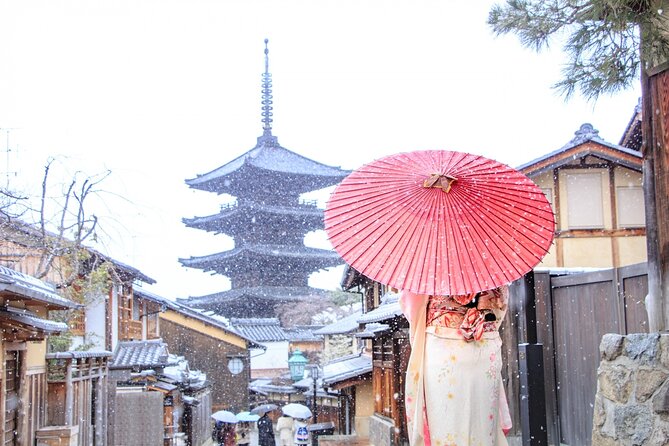
One downside shows up rarely, but it is important: if you arrive at the wrong station exit or the wrong meeting point, it can throw off the timing fast. Kimono changes and photo schedules do not wait around forever.
The address is listed clearly, but station labeling in Tokyo can confuse even careful planners. My advice is simple:
- confirm the exact station and address details right after booking,
- and give yourself extra time to get there.
If you are doing this on your first Tokyo day or you are jet-lagged, this is the kind of activity you should not schedule when you might be rushing.
Who This Tour Fits Best
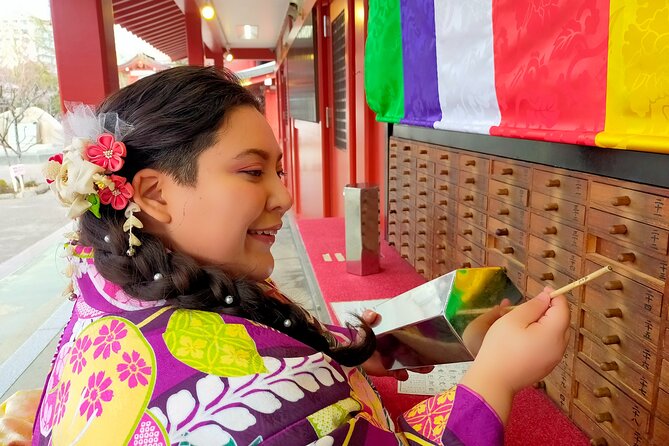
This is a strong match if you want:
- plus-size kimono dressing without stress,
- professional help getting better photos,
- and a private guide so you can be comfortable asking questions.
It might be less ideal if:
- you are expecting a long guided tour of many neighborhoods,
- you want lots of food included (snacks are not included),
- or you are planning a tight schedule that cannot absorb 3 hours of outfit and photo time.
Also, keep your size limits and pattern availability in mind, especially if you are shopping for men’s larger sizing. The outfit selection is not identical at every size.
Quick Tips to Get Better Photos in Kimono
You will get guidance on photo spots, but you can still help yourself with a few smart choices:
- Wear comfortable clothes to the meeting, because you will change quickly.
- Bring a charged smartphone or camera, and make sure you know how to switch between photo modes.
- Plan to relax into poses rather than forcing a stiff stance. A guide can adjust your angle, but your body still sets the comfort tone.
- Consider your day plan around the wrap time at 2:30 pm, so you can eat after.
These are small moves, but they make the whole session feel smoother.
Should You Book This Plus-Size Kimono Photo Session?
Book it if you want a plus-size kimono experience that is built for real photo results, not just a rental and a hope-for-the-best plan. The private attention, the included styling details, and the photo coaching are what make this worth the money.
I would hesitate only if:
- your measurements are close to the width or height limits and you are unsure,
- you are picky about a specific pattern for a larger size,
- or you are likely to arrive late or confused at the meeting point.
If you confirm your fit, show up a bit early, and go in expecting photos to be the main event, this is the kind of Tokyo experience that turns into a set of images you actually like looking at later.
FAQ
What is the meeting time and where do we meet?
The activity starts at 12:00 pm. You meet at Asakusa Station at the listed address (Asakusa, Taito City, Tokyo 111-0032, Japan).
How long does the experience last?
It is approximately 3 hours. You’ll dress and get ready at the start, go out for photos, then return to change clothes at 2:30 pm.
Do you offer plus-size kimonos, and what size limits apply?
Plus-sized kimonos are available, with the widest torso part up to 130 cm (52 inches). There are also height limits: women up to 170 cm (67 inches), and men up to 190 cm (75 inches). If your largest part is over 130 cm, you cannot make a reservation from the page and should contact by message.
Can I choose my kimono design and accessories?
Yes. You choose the kimono pattern, and you can also choose hair accessories and a bag. Pattern options may be more limited for larger sizes.
Is the session private?
Yes. It is a private tour/activity, and only your group participates.
Is a yukata available in warm weather?
Yes. Winter wear a kimono, and summer wear a yukata. The timing of switching depends on the temperature.
What is included in the price?
Included items are rental kimono, belt, inner, shoes, socks, hair accessories, bags, and the guidance during the photo session.
Is food or transportation included?
No. Snacks and food are not included, and private transportation is also not included. You are near public transportation.
Are service animals allowed?
Yes. Service animals are most welcome.













