
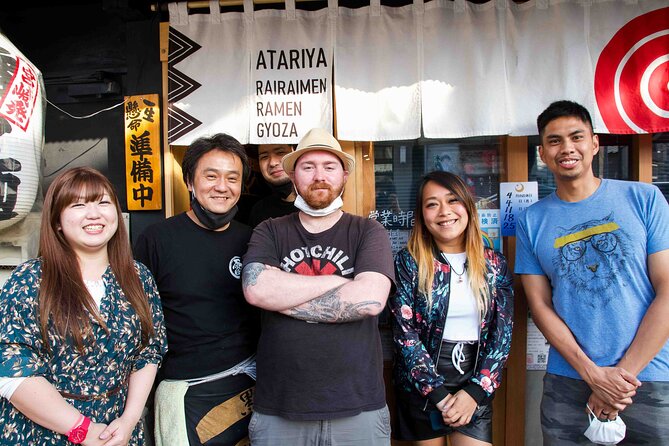
Review · TOKYO FOOD TOURS
Exclusive Ramen Kitchen Experience
Ramen is a craft, not fast food. This exclusive, award-kitchen style experience lets you learn exclusive access to how top bowls are built, then practice temomi noodle massage and tebo shaking so your bowl actually comes out right.
I also like that it is hands-on without turning into a half-day project. Still, there are two things to consider: it is not a full from-scratch cooking class, and the ramen includes chicken, pork, and fish.
Key things you’ll notice right away
- Award-kitchen access in an actual working ramen shop, not a demo space
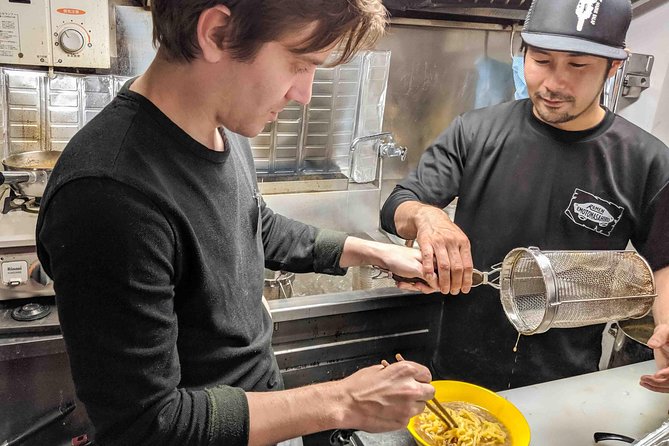
- Real noodle technique coaching with temomi (massage) and tebo (shake off water)
- Shortened prep flow that skips the hours-long work you usually never see
- Your own custom bowl once the toppings are added
- Small group size with multiple guides for better attention (max 6 travelers)
Entering an award-winning Tokyo ramen kitchen, VIP style
If you have ever watched someone build a bowl of ramen and thought, I could learn that, this is the kind of experience that answers that question. You get instruction in an actual ramen kitchen that is known enough to win awards, plus you have exclusive access that is not normally offered.
The value here is not just that you will eat ramen. You will see how ramen professionals think. Ramen shops move fast, but the process is very deliberate. That difference is what makes this feel like a behind-the-scenes look that still ends with something delicious in your hands.
Also, the experience is built to stay focused. It runs about 1 hour, so you are not trapped watching slow steps you will never touch. You do the key hands-on parts, then you get to eat the result.
You can also read our reviews of more tours and experiences in Tokyo.



How your ramen-making skills work: temomi and tebo
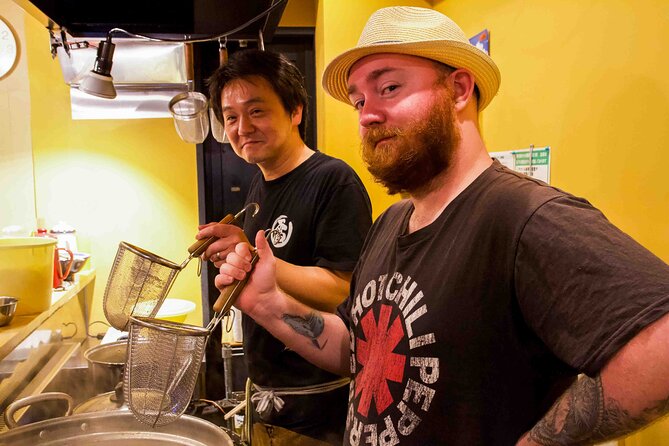
The two techniques at the center of this experience are temomi and tebo. Even if your Japanese is limited, you do not need language skills to understand what matters. Your hands learn the rhythm.
temomi: massage the noodles for texture
Temomi is described as massaging the noodles. In practical terms, this is about getting the noodle feel right before it hits the bowl. Noodles that are handled well tend to behave better with broth, and they do not fight you as much when you are eating.
What I like about this lesson is that it turns ramen from a mystery into a skill. You stop thinking ramen is magic. It becomes technique and timing.
tebo: shake water off so the bowl balances
tebo is shaking water from the noodles. Again, this sounds small, but it is exactly the sort of detail that separates good ramen from “pretty good.” Excess water can change how the broth tastes and how the noodles feel. When you practice the motion yourself, you understand why pros care about steps that look tiny.
Even if you only remember one thing later, remember this: noodles and broth have to work together. tebo is one of the ways ramen shops help that happen.
What you actually do in the 1-hour experience (and what you skip)
This is not a cooking class where you make everything from scratch. You are not there to grind wheat or spend all day on broth. The experience explicitly notes the broth takes 10 hours to make, which is the kind of reality check that helps you appreciate why short, guided access is valuable.
Instead, you focus on the parts that visitors can realistically learn in a short session:
- prepping ramen ingredients before the noodle work
- practicing the noodle techniques (temomi and tebo)
- assembling your bowl with the toppings you prefer
- eating what you made
That setup matters. If you try to learn ramen by copying full restaurant production at home, you will burn a day and still miss key timing. Here, the shop does the heavy lifting. You get the skills that shape the final result, without the long wait.



The itinerary flow: from Nezu meetup to Nakameguro kitchen time
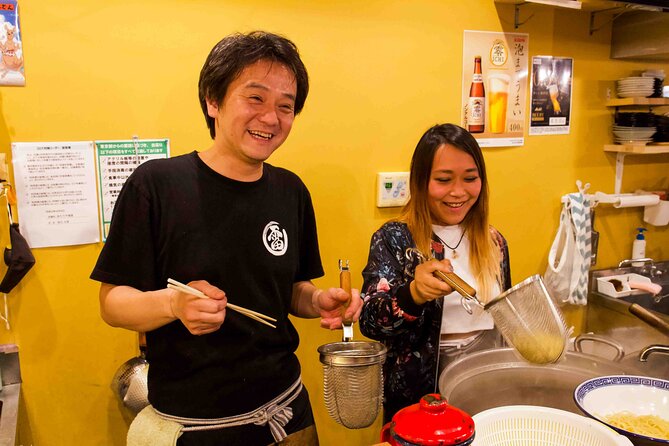
The experience starts at the meeting point in Nezu: 2-chōme-12-6 Nezu, Bunkyo City, Tokyo 113-0031, Japan. It ends back at that same meeting point. There is also a stop listed as Nakameguro Koukashita, which is where the ramen shop session happens.
So the practical rhythm looks like this:
- meet at Nezu
- head into the ramen kitchen experience at the Nakameguro Koukashita stop
- make, season, and eat your bowl
- wrap up and return to the meetup area
Why this matters for you: a one-hour activity with a fixed start and return point is easier to plug into a Tokyo itinerary. You do not need to plan a long buffer, just plan enough time to get there calmly.
The ramen shop meal: what you get to build and eat
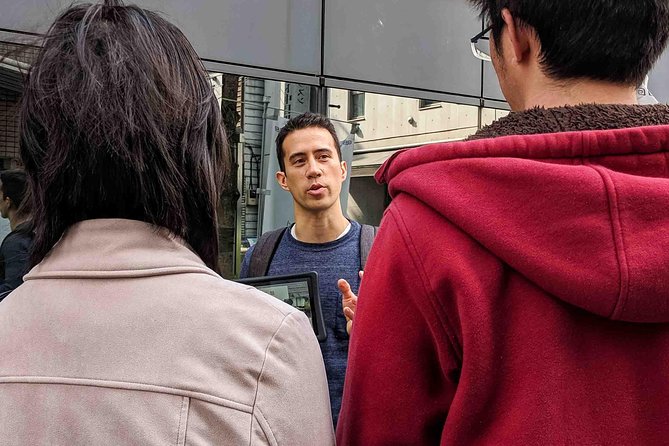
You will learn how to prep ramen ingredients, then your bowl comes together with your chosen toppings. After assembly, you eat your creation.
The experience also notes that the ramen served contains chicken, pork, and fish. That is an important detail for planning dinner plans and dietary boundaries. If you avoid any of those ingredients, you should treat this as a deal breaker unless the experience you choose can accommodate changes, and you should verify before booking.
One more thing to keep in mind: the broth is the kind of flavor you cannot fake at home quickly. Since the shop handles the long broth work, you get the benefit of professional base flavor while still getting hands-on instruction for noodles and assembly.
And from an enjoyment standpoint, that balance is great. You do not finish feeling like you mostly watched. You finish with a full bowl and the satisfaction of doing the steps that control texture and structure.
Why small groups and multiple guides make this worth $78
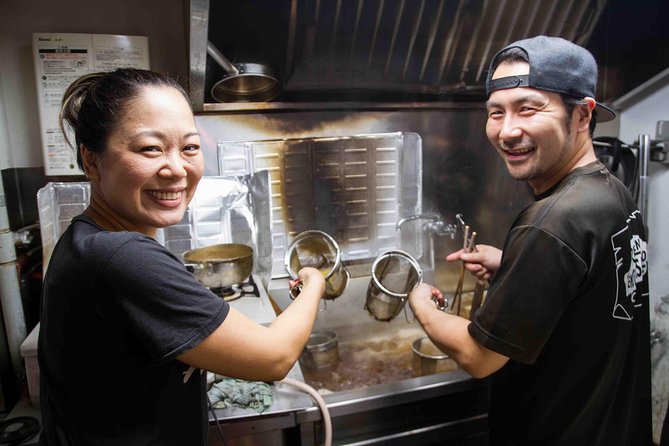
Price is $78.38 per person, and it is usually booked about 16 days in advance on average. For Tokyo, that is not bargain pricing, so the key question is value.
Here is why I think it holds up: the experience includes exclusive access in an award-winning kitchen, active instruction, and a meal made from the shop’s professional prep. You are not just paying for noodles. You are paying for time with ramen pros inside a working operation.
The group size is also max 6 travelers. In a class, small groups mean you can actually do the motions and get feedback. You should expect hands-on coaching rather than a quick walk-through.
The experience also notes multiple guides. That often translates to smoother pacing. In a short one-hour session, keeping everyone moving matters. It also helps with questions, especially if your curiosity is higher than your appetite, which is a normal Tokyo problem.
The best part is learning the why, not only the how
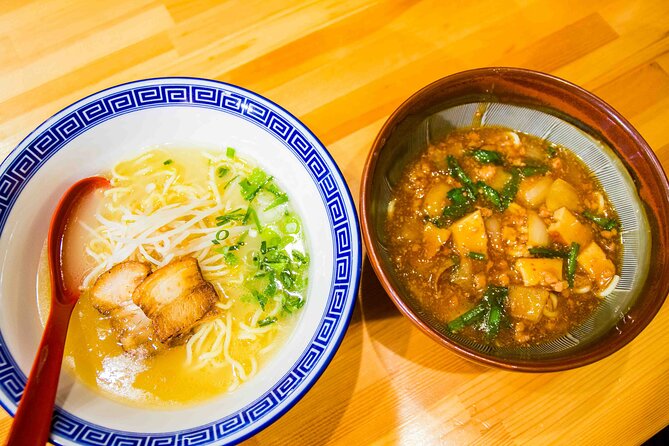
A great ramen meal is not only taste. It is understanding why certain choices exist. This experience is designed to teach ramen prep and explain ingredients, including what their purpose is and where they come from.
That kind of explanation is what sticks after the meal. You start noticing things like broth character and how toppings interact with noodles. You also pick up a more respectful view of what ramen shops do day after day.
And the chef and guides are presented as kind and helpful, answering questions about recipe details and their history, plus the role ramen plays in Japanese cuisine. That matters, because it turns the session into a conversation. You can ask for clarification, and you can build context while your noodles are still hot.
Logistics that matter in real life: mobile ticket and public transport
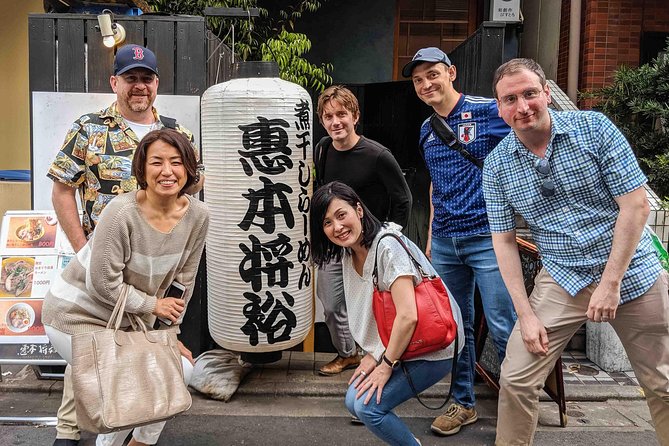
The tour uses a mobile ticket, which is convenient. You should still plan to have your phone charged and ready, because Tokyo is much easier when you are not hunting for screen brightness at the wrong moment.
It is also near public transportation. That is a big deal in Tokyo. One-hour food experiences can fail fast if the meetup point is a pain to reach. Here, you at least have the advantage of being close to transit.
The duration is about 1 hour. That means you should treat it like an appointment, not a wandering activity. If you arrive late, you will cut into your hands-on time.
Dietary and comfort considerations before you book
The ramen includes chicken, pork, and fish. If that is not compatible with you, this is the main caution flag in the information you have.
Also remember it is not from scratch. If your dream is to learn the full ramen production timeline, including broth making from raw ingredients, this probably will not satisfy that specific goal. The broth takes 10 hours to make, and the experience is shortened so you do not spend hours waiting.
Finally, because this happens in a kitchen setting, expect a focused experience. It is not a sightseeing crawl. If you like watching food being made, you will enjoy it, but the main value is that you do key steps yourself.
Who this experience suits best
This works especially well if you match one of these profiles:
- You want ramen depth beyond eating a bowl and moving on.
- You like hands-on lessons, even short ones.
- You appreciate food culture and want context about ingredients and technique.
- You are okay with chicken, pork, and fish.
If you are traveling with kids or picky eaters, you should think carefully about the meat and fish detail first. If you are strictly vegetarian or avoid fish or pork, this is likely not the right fit based on the stated menu.
Should you book this Tokyo ramen kitchen experience?
If you want a memorable food moment that actually teaches technique, I would book it. The exclusive kitchen access, the small group size, and the focus on temomi and tebo make it feel like skill-building, not just a fancy meal.
If you want full from-scratch cooking, or you need a specific dietary setup, you should pause and verify compatibility before spending time and money.
My take: at $78.38 for about an hour, you are paying for access plus instruction inside a top ramen shop operation. When you price it that way, it stops feeling overpriced and starts feeling like a smart Tokyo food education.
FAQ
How long is the Exclusive Ramen Kitchen Experience?
It lasts about 1 hour.
Where does the experience meet, and where does it end?
The start is at 2-chōme-12-6 Nezu, Bunkyo City, Tokyo 113-0031, Japan. It ends back at the meeting point.
How much does it cost per person?
The price is $78.38 per person.
Is there a mobile ticket?
Yes, the experience uses a mobile ticket.
What will I learn and do during the experience?
You will learn ramen prep, including the noodle techniques temomi (massaging noodles) and tebo (shaking water from noodles), then make and eat your own ramen with preferred toppings.
Is this a full cooking class where everything is made from scratch?
No. The process is shortened. The experience notes that broth takes 10 hours to make, so the long parts are not included in the hands-on time.
Does the ramen include any specific ingredients?
Yes. The ramen served contains chicken, pork, and fish.
How big are the groups?
The experience has a maximum of 6 travelers.
What if the minimum number of travelers is not met?
If it is canceled because the minimum isn’t met, you will be offered a different date or a full refund. You can also cancel for a full refund if you cancel at least 24 hours before the start time.
More Tour Reviews in Tokyo
Not for you? Here's more nearby things to do in Tokyo we have reviewed












Tokyo Food Tours, side by side.
 ★ 5.0Shinjuku Food Tour (13 Dishes at 4 Local Eateries)From $866,603 reviews
 ★ 5.0Tokyo Bar Hopping Tour in Shinjuku (All-You-Can-Drink + Dinner)From $1063,587 reviews
 ★ 4.9Shinjuku Food Tour (15 Dishes and 4 Eateries)From $852,033 reviews
 ★ 5.0Best of Shinjuku: Izakaya Food Tour (4 Stops, 14+ Tastings)From $921,863 reviews
 ★ 5.0Shibuya Meltdown Nightlife Tour: All-You-Can-Drink Bar HoppingFrom $1061,058 reviews
 ★ 5.0Eat and Drink Like a Local: Tokyo Ueno Food Tour-Taverns&RamenFrom $95957 reviews
 ★ 5.0Ramen & Gyoza Cooking Class in Tokyo with Local Supermarket VisitFrom $122823 reviews
 ★ 5.0Shibuya Food Tour (13 dishes and 4 Eateries)From $77770 reviews
This tour also belongs to