
Review · TOKYO FOOD TOURS
Ramen & Gyoza Cooking Class in Tokyo with Local Supermarket Visit
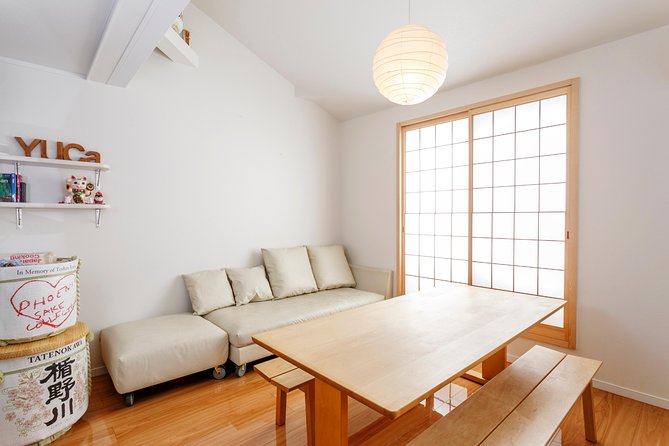
You can learn ramen in someone’s real kitchen. This 2.5-hour Tokyo class with YUCa’s Japanese Cooking turns familiar comfort food into a practical skill you can repeat at home. You start with a short talk about Japanese home cooking, then cook and eat what you make, with an optional supermarket walk at the end.
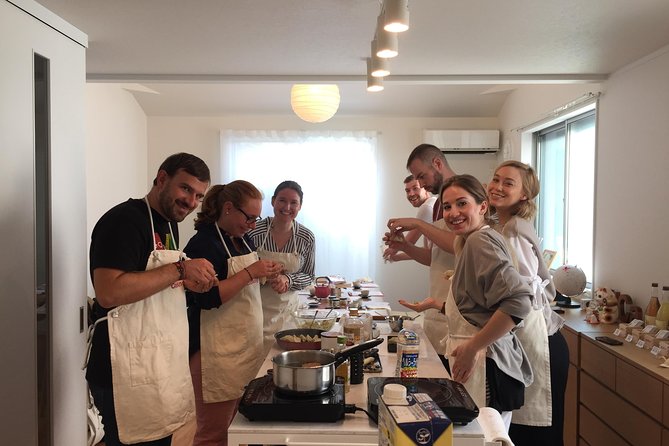
What I like most is the small group size (max 7), which keeps things friendly and makes it easier to ask questions when a step feels unclear. I also love that you are not just watching, you are cooking and tasting ramen and gyoza in the same session, so the food sticks in your memory as something you actually did.
One thing to consider: the class is not guaranteed to be fully hands-on at every single step, and the local supermarket tour is optional, so plan your expectations around a mix of instruction, prep, and cooking, not a marathon of solo labor.
Key Highlights Worth Booking
- Small group, max 7 people, so you get real attention while you cook
- Ramen + gyoza in one morning, meaning you leave with two Japanese home-cooking wins
- Short home-cooking and lifestyle lecture before you start chopping and mixing
- Optional local supermarket tour that can help you shop like a local
- Vegetarian option available, just tell the host when you book
- A warm, interactive home-kitchen vibe, especially if you like meeting other people
Why This Tokyo Ramen and Gyoza Class Feels Different
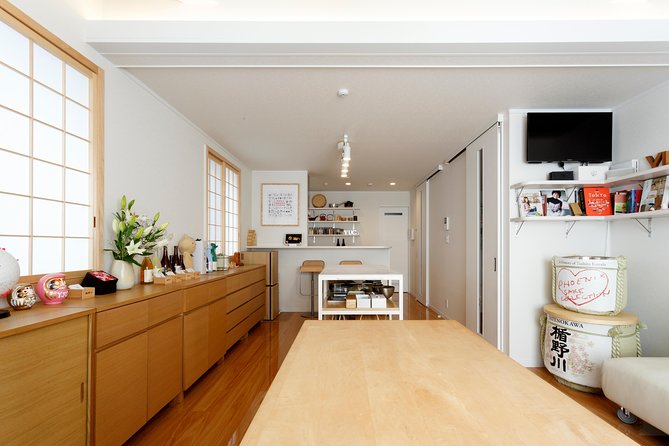
Tokyo has no shortage of food tours. This one is different because it is not built around people walking past sights while holding a camera. It is built around a home kitchen, shared roles, and learning how Japanese cooks think about texture, seasoning, and timing.
The class is led by YUCa, and based on the way the session is described, you get more than a recipe. You get a feel for how ramen and gyoza fit into everyday Japanese cooking and how cooks use ingredients in a way that makes the final dish taste balanced, not just salty.
If you like making food with your hands, you will enjoy the fact that the session is designed as a do-it-yourself experience. If you are a beginner, you will also like that it is structured and paced, with clear explanations and a comfortable setting where you can ask questions without feeling rushed.
You can also read our reviews of more cooking classes in Tokyo


Price and Value for a 2.5-Hour Cooking Session
At $122.70 per person, this class is not the cheapest thing you can book in Tokyo. But when you compare it to what you get, the value makes sense.
Here is the value equation I see:
- You get around 2 hours and 30 minutes total, including lecture, cooking, and tasting.
- You learn two dishes, ramen and gyoza, not just one.
- You cook in a real home setting with a small group, max 7 people.
- You can add an optional supermarket tour, which can make future shopping easier.
If you have ever left a cooking class wishing you could recreate the flavors at home, the supermarket add-on can be a big deal. Even without that stop, learning how someone builds ramen broth notes and gyoza fillings is usually more useful than eating the same dishes somewhere else.
Also, this experience has been booking frequently lately, which is a gentle clue that it is popular for a reason. When a class repeatedly fills, it often means the experience is running smoothly and consistently.
Getting There: Meeting Point in Arakawa City
The meeting point is YUCa’s Japanese Cooking, 2-chōme 34 8 Nishiogu, Arakawa City, Tokyo 116-0011. The start time is 10:00 am, and the tour ends back at the meeting point.
You do not have to plan for a complicated route. The class is described as near public transportation, which matters in Tokyo because transit time and walking time can add up quickly. If you are staying in central areas, give yourself some buffer for train changes and a short walk.
One practical tip from how these small classes operate: arrive a few minutes early. In a home-kitchen setting, there is usually a moment where the group is organized before cooking starts, and you do not want to be late when things are already underway.
The 10:15 Lecture: Japanese Home Cooking and Lifestyle
The schedule gives you a short lecture after you meet. From 10:15 to 10:30, you learn about Japanese home cooking and lifestyle.
This might sound like a bonus, but it actually helps your cooking. Japanese home cooking is often about method as much as ingredients. A short pre-lesson can help you understand why ramen broth and gyoza fillings are treated a certain way, and why timing matters once the kitchen starts moving.
Based on how the host teaches, you can expect more than facts. The instruction style is designed to help you carry the technique to your own kitchen later, not just finish your bowl.
If you are the kind of person who likes context, this is where you get it. If you are more eager to cook immediately, the lecture is short, so you will still have plenty of hands-on time afterward.
Cooking Time: What Happens From 10:30 to 12:30
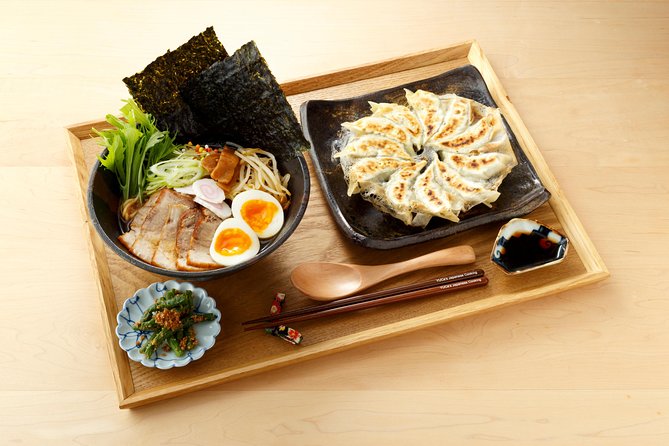
Your main block runs 10:30 to 12:30, and this is the heart of the experience: cooking and tasting ramen and gyoza together.
More Tokyo tours and experiences for the shortlist




Ramen basics you can actually reuse
You will work on ramen as a finished bowl experience. The class is positioned around creating the noodle soup and learning the role of different vegetables and meat. The big value here is that you are not just learning a topping list. You are learning how to think about ingredients as part of a cohesive bowl.
Japanese ramen at home often comes down to getting flavor layering right and understanding what each component is doing. Even if your first bowl is not restaurant-level, you will have a clear template for what to try next time.
Gyoza from filling to dumpling
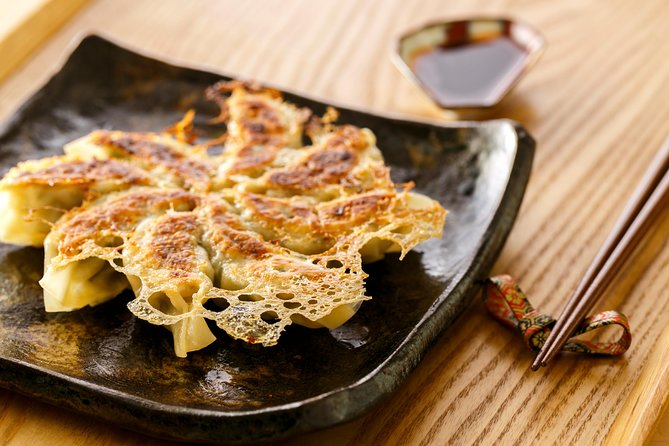
For gyoza, the focus is minced pork dumplings and technique. You will learn to make dumplings using different ingredients, and you should expect a hands-on component where you assemble gyoza yourself.
One small detail I really like from the class style: people are given roles during the session. That matters because it keeps energy up and stops the cooking from feeling like one person does all the work while everyone else watches.
How hands-on is it, really?
Here is the balanced reality. Some steps in cooking classes are naturally shared or demo-led, especially in a single home kitchen and for a group of up to 7. A few reviews note that it can feel less hands-on than expected in certain moments, like when you are adding measured items or following instructions at speed.
So go in with the right mindset: you will cook and assemble, but not every single step is guaranteed to be fully solo. If you want maximum participation at all times, choose classes where the host emphasizes every role and expects you to do repeated motions. This one does involve hands-on, just not at every micro-step.
The Tasting Moment: Eating Your Own Ramen and Gyoza
After cooking, you eat what you made. That tasting time is part of why this class is worth your morning. There is something motivational about tasting the exact bowl and dumplings you built, right after learning the steps.
This is also where lessons become clear. When you taste your gyoza, you quickly understand how filling balance affects flavor. When you taste your ramen bowl, you can detect whether your approach to vegetables and meat matches the structure you were aiming for.
If you are planning to cook at home later, this tasting moment is your reference point. You will remember what worked, what needed adjustment, and what you want to try again.
Some versions of the experience also include tea and sake tasting that the host offers for purchase. Even if you skip that, it signals that this is more than a worksheet class. Food culture is part of the flow.
Optional Local Supermarket Tour After Lunch
From 12:30 to 13:00, there is an optional stop at a local supermarket.
This is one of the most practical parts of the experience, because ramen and gyoza are not hard dishes, but ingredient choices matter. A supermarket walk can help you:
- spot items you might not recognize at a glance
- understand how Japanese shoppers choose vegetables and meat for home cooking
- build confidence for your next grocery run, especially outside the tourist bubble
One caution: because it is optional, do not assume you will automatically get the supermarket time. If you care about this stop, confirm the plan clearly when you book, and give yourself time in your schedule to stay flexible.
When the supermarket tour happens, it tends to feel local rather than sightseeing. That matters, because it teaches you how real ingredients fit into daily cooking.
Diet Options and Who This Class Fits Best
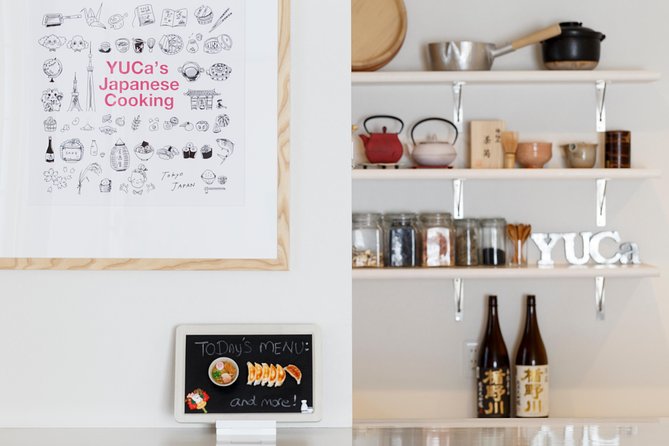
This class offers a vegetarian option, as long as you request it at booking. Also, you are asked to advise specific dietary requirements during booking, so the host can prepare accordingly.
In terms of who it suits, the structure makes it friendly for a wide range of visitors:
- Families with kids, since the experience uses shared roles and a welcoming home-kitchen pace
- Singles and couples who want an active class, not just a meal
- Beginner cooks, because the session is paced and designed to help you follow steps and finish with something delicious
If you are an experienced cook and crave advanced technique, this might feel more like foundation-building than professional training. Still, the home-style approach can be a great reset, especially if you want to master ramen and gyoza from the basics up.
Small Group Comfort: Max 7 Travelers, Home Kitchen Energy
The class has a maximum of 7 travelers, which changes everything about the experience. In a larger cooking class, you often wait for your turn and hope your questions get answered. Here, the group stays small enough for real interaction.
The host also creates a social tone. People often mention how welcoming and energetic YUCa is, and that you get chances to participate, ask questions, and feel included while you work.
Another detail I appreciate: the host may even teach you how to write your name in Japanese characters and pronunciation. That is a small thing, but it adds to the feeling that you are in a real home experience, not an imitation show.
Should You Book This Ramen and Gyoza Class?
Book it if you want:
- a hands-on Tokyo food experience that ends with you eating your own ramen and gyoza
- a small group class with a real home-kitchen atmosphere
- a chance to learn ramen and gyoza basics you can repeat at home
- possibly, an optional supermarket tour to support future cooking
Skip or compare if:
- you want a class where you do every step with your own hands, nonstop, with zero demo moments
- you care deeply about the supermarket portion and cannot be flexible if it is not included
If your goal is to leave Tokyo with practical Japanese cooking skills, this is a strong choice.
FAQ
How long is the ramen and gyoza cooking class?
The class is about 2 hours and 30 minutes total.
What time does the experience start?
The meeting time is 10:00 am, and cooking runs from 10:30 to 12:30. An optional supermarket tour is scheduled from 12:30 to 13:00.
Where do I meet for the class?
You meet at YUCa’s Japanese Cooking, 2-chōme 34 8 Nishiogu, Arakawa City, Tokyo 116-0011, Japan.
Is the supermarket tour included?
A local supermarket tour is listed as optional after the main cooking and tasting.
Can I request a vegetarian option?
Yes. A vegetarian option is available, and you should advise the host at the time of booking.
How big is the group?
The experience has a maximum of 7 travelers per class.
More Workshops & Classes in Tokyo
More Cooking Classes in Tokyo
More Tour Reviews in Tokyo





Not for you? Here's more nearby things to do in Tokyo we have reviewed










Tokyo Food Tours, side by side.
 ★ 5.0Shinjuku Food Tour (13 Dishes at 4 Local Eateries)From $866,603 reviews
 ★ 5.0Tokyo Bar Hopping Tour in Shinjuku (All-You-Can-Drink + Dinner)From $1063,587 reviews
 ★ 4.9Shinjuku Food Tour (15 Dishes and 4 Eateries)From $852,033 reviews
 ★ 5.0Best of Shinjuku: Izakaya Food Tour (4 Stops, 14+ Tastings)From $921,863 reviews
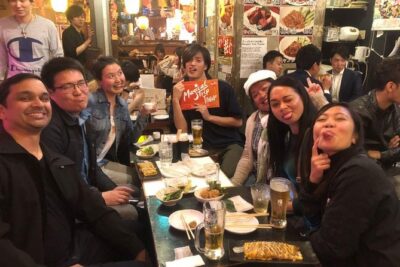 ★ 5.0Shibuya Meltdown Nightlife Tour: All-You-Can-Drink Bar HoppingFrom $1061,058 reviews
 ★ 5.0Eat and Drink Like a Local: Tokyo Ueno Food Tour-Taverns&RamenFrom $95957 reviews
 ★ 5.0Shibuya Food Tour (13 dishes and 4 Eateries)From $77770 reviews
Shinjuku Food Tour – 15 Dishes, 3 Drinks, 4 EateriesFrom $72629 reviews
★ 5.0Shibuya Food Tour (13 dishes and 4 Eateries)From $77770 reviews
Shinjuku Food Tour – 15 Dishes, 3 Drinks, 4 EateriesFrom $72629 reviews
This tour also belongs to