
Review · TOKYO FOOD TOURS
Exclusive Tokyo Ramen Kitchen Experience
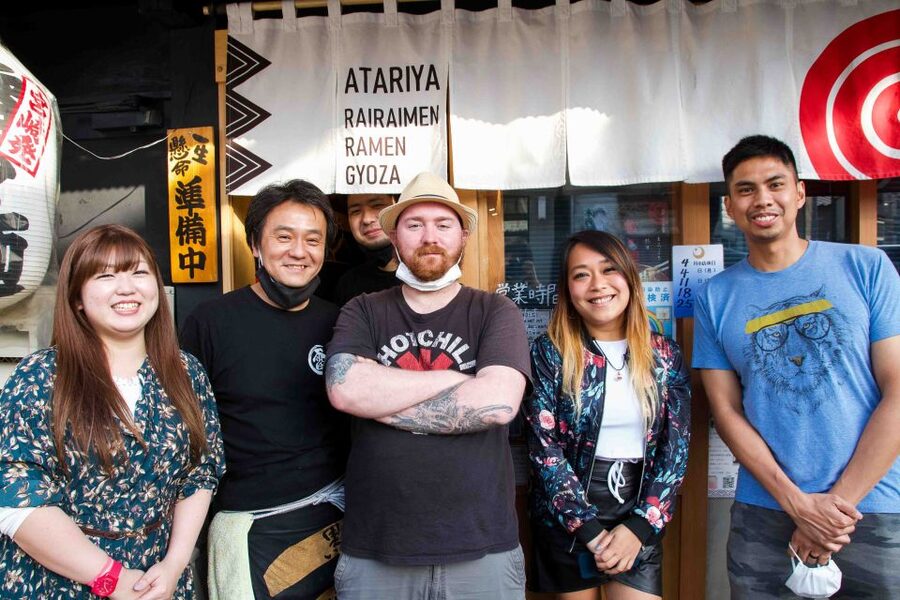
Ramen in Tokyo has a real back kitchen. This is one of those rare foodie experiences with exclusive access to an award-winning shop, where you assemble ramen yourself in a real ramen shop kitchen. It’s short, hands-on, and focused on what matters for flavor, timing, and craft.
My favorite parts are the hands-on bowl building and the English explanations from the guide team, with Frank repeatedly praised by name for making the process click fast. You don’t just eat, you learn why ramen is built the way it is, from origins to types and prep.
One possible drawback: at $83 per person for 1 hour, it can feel expensive if you expected a full from-scratch cooking class, since this is a behind-the-counter experience and the ramen includes chicken, pork, and fish.
Key highlights at a glance
- Exclusive kitchen access at a ramen shop known for awards
- Small group of 6 for a more personal look at how a shop runs
- English guidance from the team, including Frank, who’s praised for clear, friendly hosting
- Learn ramen foundations, including origins, types, and how prep affects the final bowl
- Short, efficient process: you make ramen, but not every element from zero
- Two small bowls plus gyoza in a 1-hour experience
A VIP Ramen Kitchen in Nezu: What You Actually Do
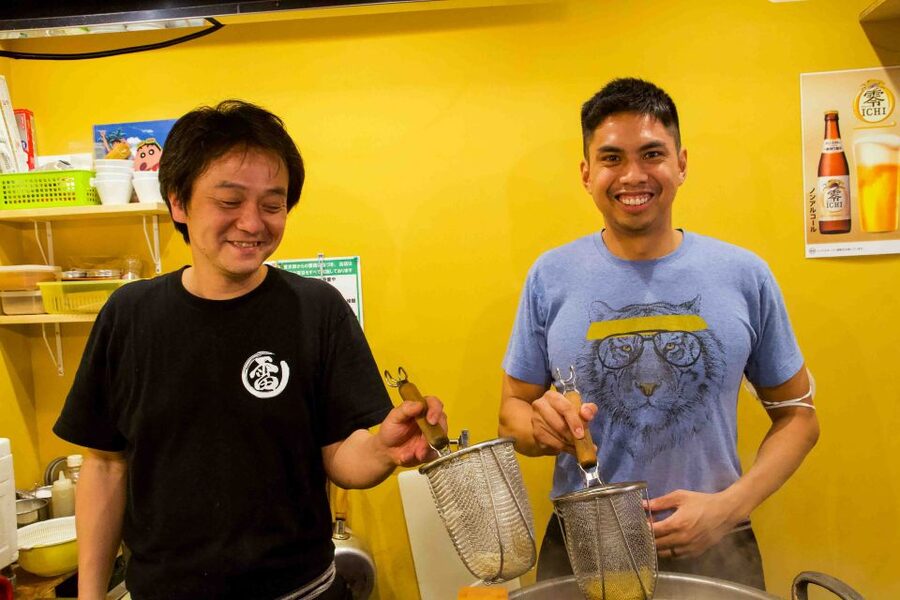
This experience is built around one simple idea: you should see ramen the way a ramen shop does, not the way a cookbook imagines it. You’ll step into a working ramen shop and its kitchen area, which means you’re surrounded by the sounds and pace of a real service environment.
The “exclusive” part is what you feel immediately. Instead of watching from a dining room table, you get a front-row look at how ramen prep works and then take part in assembling your own bowls. That mix of kitchen access plus hands-on ramen is the reason this tour stays popular with ramen fans.
You’ll also leave with more than a full stomach. The guide team covers ramen origins, the different types, and what goes into preparation. Even if you already love ramen, this kind of context helps you eat more intentionally next time, noticing broth, noodle texture, and topping choices instead of only chasing the best bite.
You can also read our reviews of more tours and experiences in Tokyo.



Meeting at Nezu Station, Then Into the Hot Zone
You meet at Nezu Station (C 14), Exit 1, in front of the supermarket Akafudado. Your guide holds a Tokyo Ramen Tours sign, so you can orient quickly and avoid wandering.
From the start, keep one thing in mind: this is not a calm demo. It takes place in a ramen shop and its kitchen, and you’ll be dealing with hot water and soup. So show up in comfortable clothes and be ready to move a bit around a working kitchen space.
The good news is that the experience is designed to flow smoothly. It runs for about 1 hour, and the shop’s staff handles the parts that normally take the longest. That means you get the feeling of being in a chef setting without spending half a day waiting for prep.
Inside an Award-Winning Ramen Shop Kitchen
This tour is priced around a very specific kind of value: time with professionals in their actual workspace. The shop you visit has won awards, and the kitchen setup reflects that level of discipline and consistency.
You’ll get a look at the “behind-the-scenes” reality of ramen. Broth is a big deal, and you’ll hear about how long it takes. The key detail here is that the broth alone takes about 10 hours to make, which is exactly why you are not standing there for hours mixing stock.
What I love about the kitchen focus is that it turns ramen from a menu item into a process you understand. You’ll learn about the ingredients used, including their purpose and where they come from. That matters because ramen flavor is rarely one ingredient. It’s balance, layering, and careful prep.
Also, pay attention to the vibe of the kitchen. The best reviews mention a fun, full-of-personality atmosphere, with hosts who treat the whole group well. It’s part food, part performance, part instruction.
Ramen Origins, Types, and Prep: Why It Tastes Different
A lot of ramen experiences stop at flavor. This one adds the “why,” and that’s where you get smarter fast.
You’ll be taught about ramen origins and the idea of different ramen types. You’ll also cover how preparation changes the final bowl, especially how ingredients and steps work together. Even though you’re not making everything from scratch, the tour still connects the dots so your bowl at the end makes sense.
Here’s how you can use that in practical terms. When you eat ramen after this, you’ll likely catch how broth choices shape saltiness, depth, and aroma. You’ll also pay more attention to noodle texture and the order things get assembled. That’s chef thinking, and it’s hard to get from a casual meal.
And because the process is shortened, you get the core lesson without the long waits. You can think of it as tasting the chef mindset rather than reproducing every step. For most people, that’s exactly the right amount of effort for a busy trip.
Making Your Ramen: Hands-On Without the Whole-Day Grind
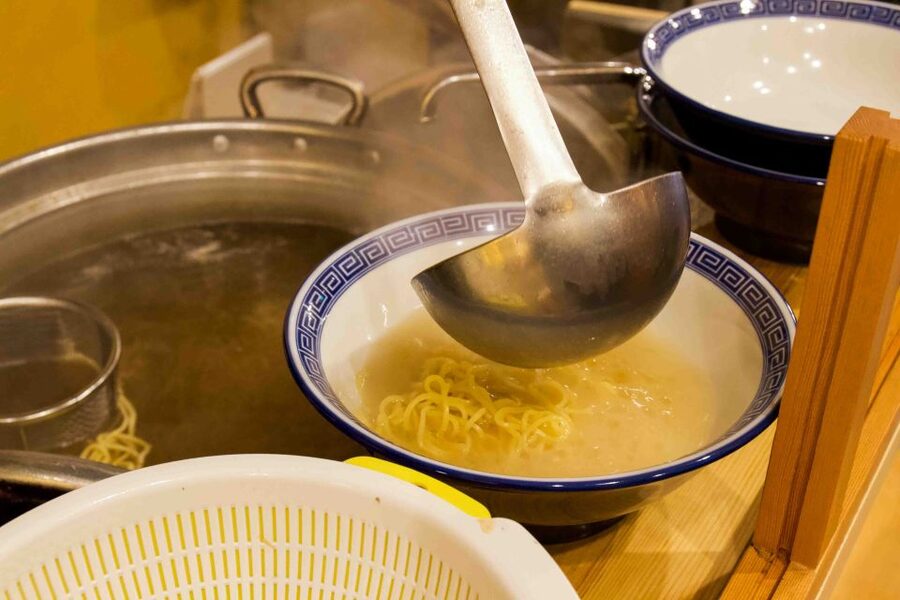
You’ll help put together delicious ramen, and that’s the part that makes this tour feel different from a normal dinner. The format is hands-on, but it’s not a full cooking class where you start from raw ingredients and build everything from zero.
This “shortened process” approach is actually smart. It keeps the experience to 1 hour and prevents you from losing the energy that makes cooking fun. The tour explains that even the broth takes around 10 hours, so the shop handles long-lead work while you participate in the part that guests can reasonably do.
Reviews also highlight moments like mixing noodles and assembling ingredients. Even without exact step-by-step instructions in every detail, you’ll feel what it takes to handle ramen ingredients correctly and build a bowl that looks and tastes right.
Then come the big payoffs. You end up with two small bowls of ramen and two gyoza (fried dumplings). Multiple comments call the ramen among the best they had during their Japan trip, and that matches the logic of being in a top shop and learning from the kitchen rather than cooking at home.
Pro tip for getting the most out of the hands-on portion: watch what the chef and guides do. Even if your role is limited compared to a trainee chef, the way ingredients are handled teaches you how to evaluate flavor later.



The Role of the Guides, Including Frank
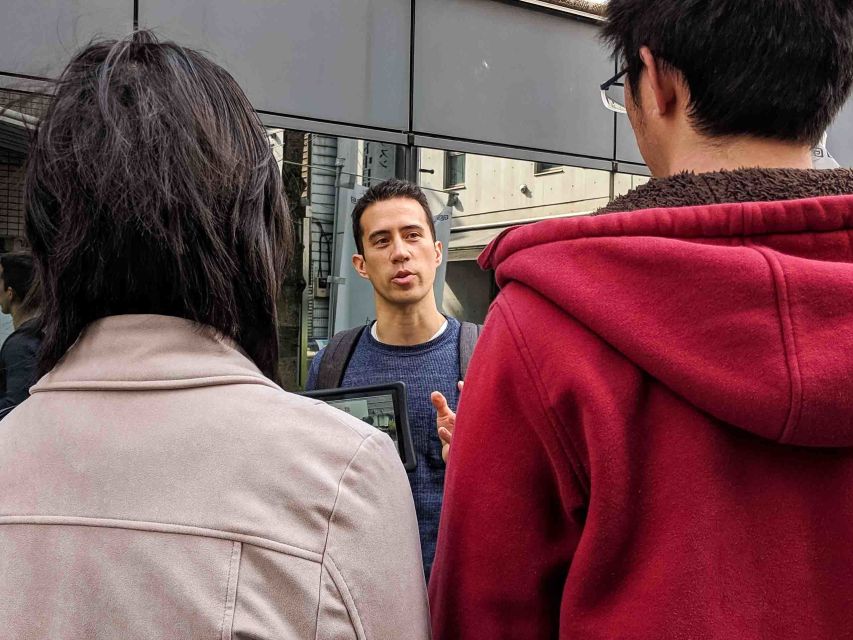
The guide experience matters here because you’re moving through a kitchen, learning ramen concepts, and making your own bowl in a short window. This tour runs in English, and it’s led by live guides. The experience info notes multiple guides, which helps keep the group small and moving.
One name you’ll see repeatedly praised is Frank. In the feedback, Frank is described as friendly, passionate, and great at sharing what he knows. That lines up with what you want from a ramen teacher: clear explanations, a calm pace, and a way to make the kitchen feel approachable.
Even if your guide is different, the best pattern holds. You want someone who can translate ramen technique into something you can taste and remember. When the guide does that well, the final bowl feels earned, not just served.
What’s Included With Your Ticket (and Why Two Bowls Works)
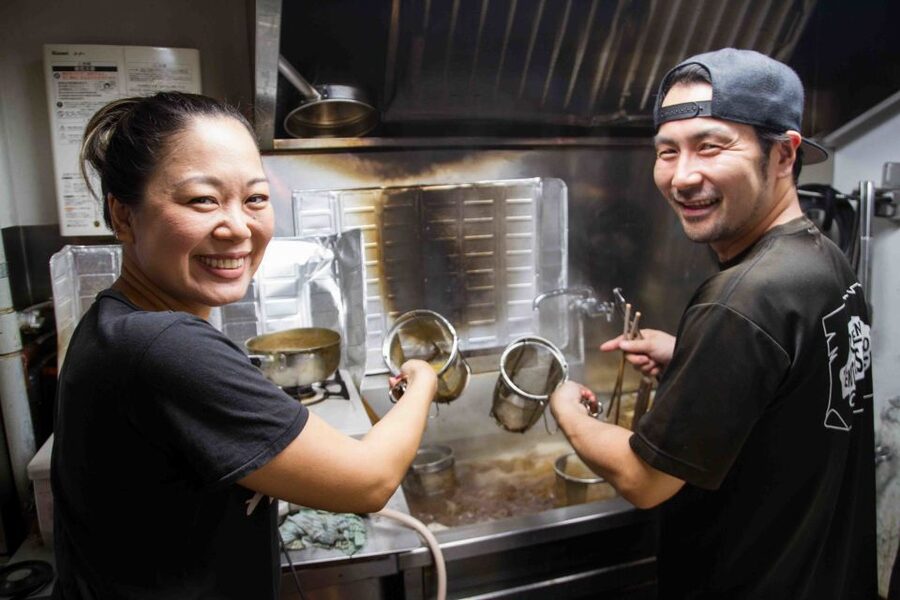
Your ticket includes food, and it’s not just a token taste. You get two small bowls of ramen and two gyoza.
That two-bowl setup is a sneaky win. It gives you enough quantity to feel satisfied, but also enough variety to compare flavors, noodle texture, and balance. If one bowl hits a little differently from the other, you’ll likely notice because you’re still in learning mode.
The gyoza add a second layer to the meal. Fried dumplings are a classic pairing, and they give you a contrast to the warm, broth-forward experience of ramen. It’s a practical way to make your “ramen lesson” feel like an actual meal.
One important note: the ramen contains chicken, pork, and fish. If you avoid any of those for dietary or religious reasons, you should treat this as a deal-breaker rather than something to negotiate on the spot.
Price and Logistics: Is $83 Worth It?
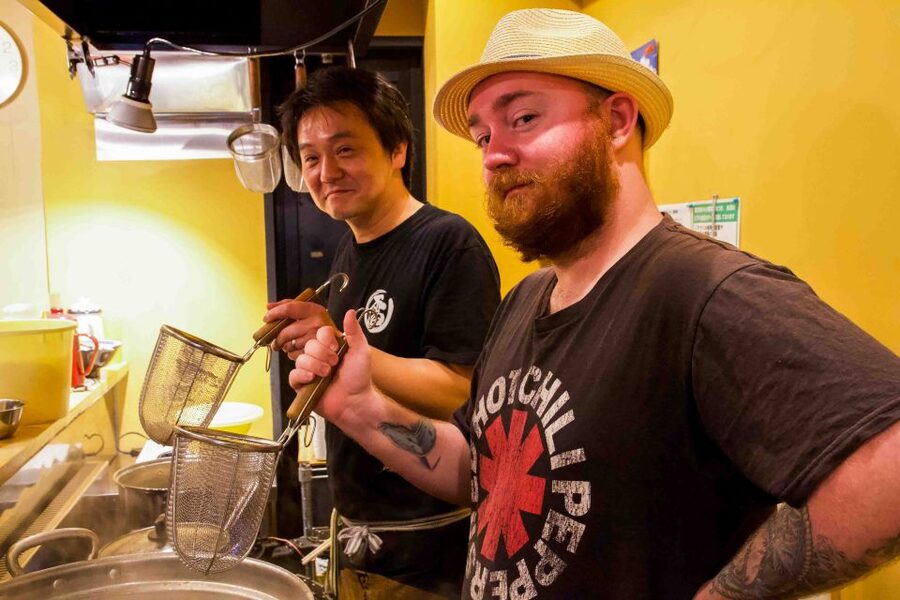
Let’s talk value, because $83 for a 1-hour food experience is not cheap. The question is what you’re buying.
You’re paying for:
- Kitchen access that guests typically do not get
- A small group size, capped at 6 participants
- Live English guidance
- An award-winning ramen shop environment
- A hands-on component that results in real ramen and gyoza
In other words, you’re not just buying noodles and broth. You’re buying time inside a chef workspace plus instruction that helps you eat ramen smarter later.
If you love ramen and want something more meaningful than a meal, this can be a strong value. If you’re mainly chasing a cheap stomach-filler, you might feel the price tag more sharply. And if you expected a long, from-scratch cooking class, you’ll likely find the shorter format reflected in the cost.
For me, the clean way to decide is to ask: do you want ramen craft context, or do you just want ramen? This experience is aimed clearly at the first group.
Food Notes and Comfort Tips for a Kitchen Setting
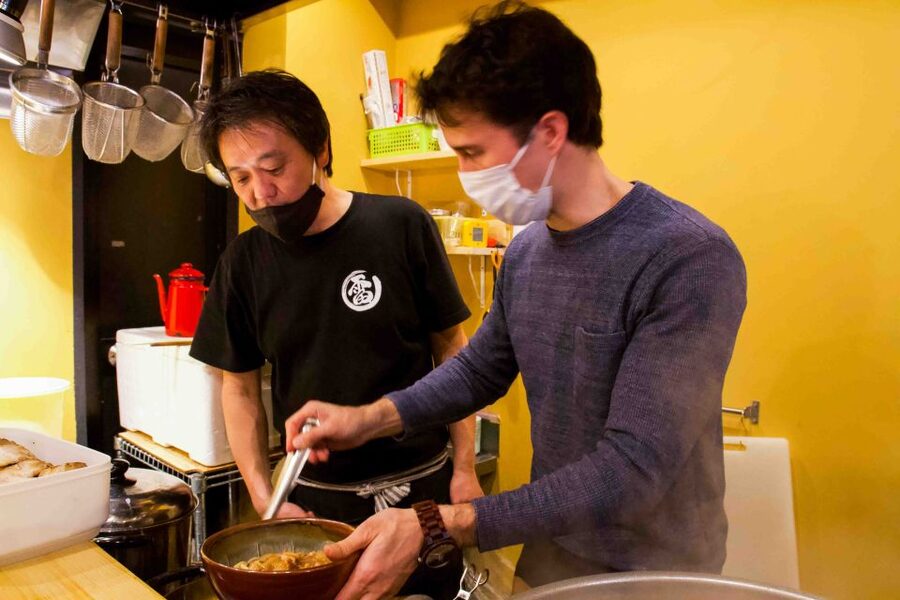
You’re told clearly what to prepare for: hot water and soup in a kitchen environment. So think about comfort and attention, not just taste.
Wear comfortable clothes. Keep your body calm and steady while you’re handling items near soup or hot water. If you’re traveling with kids, the kitchen can be welcoming, but the setup still needs basic care around heat.
Also, take the protein note seriously: the ramen includes chicken, pork, and fish. The tour info makes that explicit, and it’s the kind of thing you should plan around before you commit.
Finally, because the ramen shop kitchen is active, don’t expect a leisurely, formal dining-room pace. The value here is access and instruction within a set hour, so you’ll move through the experience with purpose.
Who This Experience Fits Best (and Who Should Skip It)
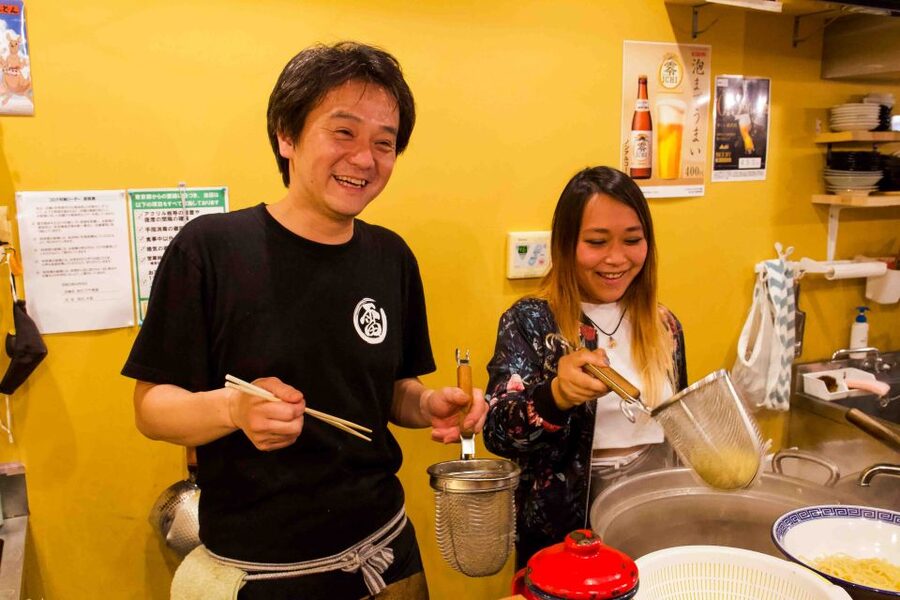
This tour is a great fit if you:
- Love ramen and want to understand how it’s made, not just eat it
- Want a VIP behind-the-counter experience in Tokyo
- Prefer small group activities where you can ask questions
- Enjoy guided food learning in English
It may not be the best fit if you:
- Want a long, hands-on cooking class where you make everything from scratch
- Need dietary accommodations beyond the clear protein note
- Feel uncomfortable around hot water and soup in a kitchen environment
One more practical thought: this works especially well as an early Tokyo food experience. After a bowl like this, you’ll likely read menus differently across the rest of your trip.
The Final Call: Should You Book Tokyo Ramen Tours?
I’d book this if ramen is a main character for your Tokyo trip. The best part is the combination of exclusive kitchen access plus actual ramen making, plus clear instruction on ramen origins and prep. You’ll come away with both a full meal and a new way to think about what you’re eating.
If you’re on the fence because of the price, use a simple checklist. Ask yourself if you’re really buying the kitchen access and the chef-style learning. If yes, $83 for 1 hour can feel justified. If you’re hoping for a full cooking lesson from scratch, or you need flexibility around chicken, pork, and fish, you’ll probably feel frustrated.
For the right traveler, this is the kind of meal you remember because you understand it afterward.
FAQ
How long is the Exclusive Tokyo Ramen Kitchen Experience?
It lasts about 1 hour.
How much does the experience cost?
The price is $83 per person.
Where do I meet the guide?
Meet at Nezu Station (C 14), Exit 1, in front of the supermarket Akafudado. The guide will be holding a Tokyo Ramen Tours sign.
How big is the group?
It is a small group with a limit of 6 participants.
What food is included?
You get two small bowls of ramen and two gyoza.
Is the ramen dietary restricted?
Yes. Please be aware that the ramen contains chicken, pork, and fish.
Is this a cooking class where everything is made from scratch?
No. This is not a full cooking class from scratch. It is a behind-the-counter experience with a shortened process.
What language is the tour guide?
The tour includes a live guide in English.
What should I wear, and what is the cancellation policy?
Wear comfortable clothes. There is free cancellation up to 24 hours in advance for a full refund.
More Tour Reviews in Tokyo
Not for you? Here's more nearby things to do in Tokyo we have reviewed












Tokyo Food Tours, side by side.
 ★ 5.0Shinjuku Food Tour (13 Dishes at 4 Local Eateries)From $866,603 reviews
 ★ 5.0Tokyo Bar Hopping Tour in Shinjuku (All-You-Can-Drink + Dinner)From $1063,587 reviews
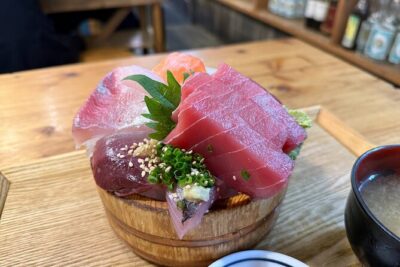 ★ 4.9Shinjuku Food Tour (15 Dishes and 4 Eateries)From $852,033 reviews
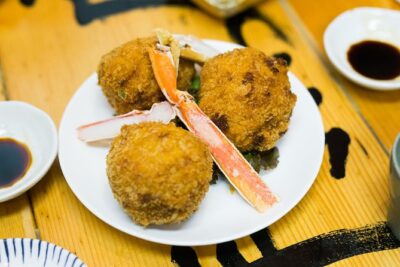 ★ 5.0Best of Shinjuku: Izakaya Food Tour (4 Stops, 14+ Tastings)From $921,863 reviews
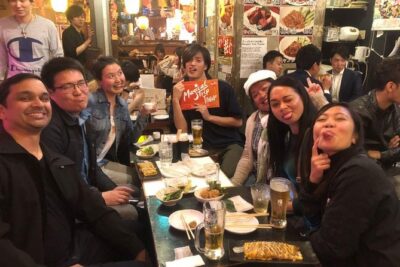 ★ 5.0Shibuya Meltdown Nightlife Tour: All-You-Can-Drink Bar HoppingFrom $1061,058 reviews
 ★ 5.0Eat and Drink Like a Local: Tokyo Ueno Food Tour-Taverns&RamenFrom $95957 reviews
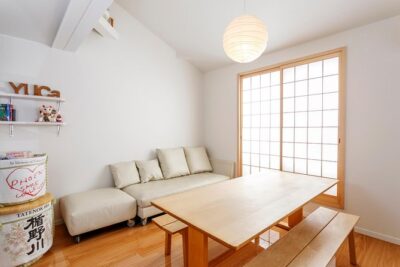 ★ 5.0Ramen & Gyoza Cooking Class in Tokyo with Local Supermarket VisitFrom $122823 reviews
 ★ 5.0Shibuya Food Tour (13 dishes and 4 Eateries)From $77770 reviews
This tour also belongs to