
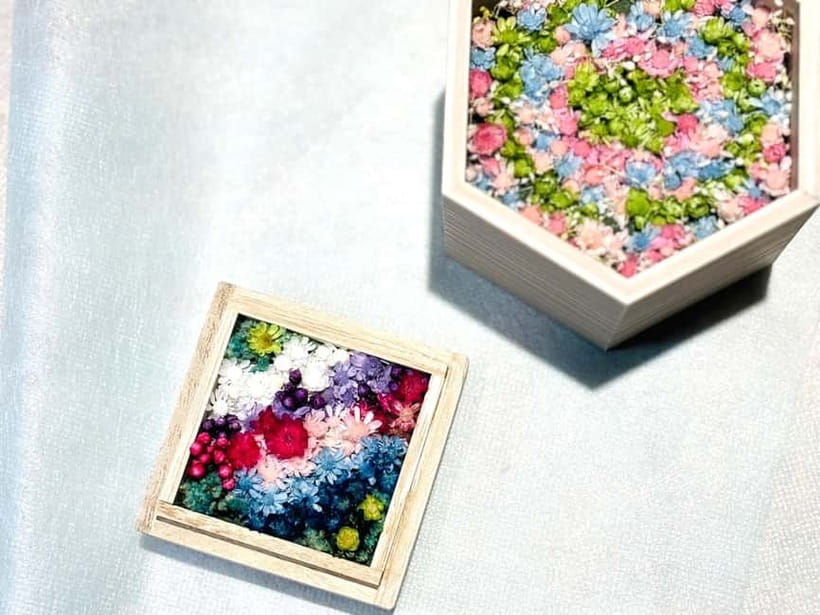
Review · TOKYO
Experience Crafting a Flower-Adorned Mini Japanese Garden
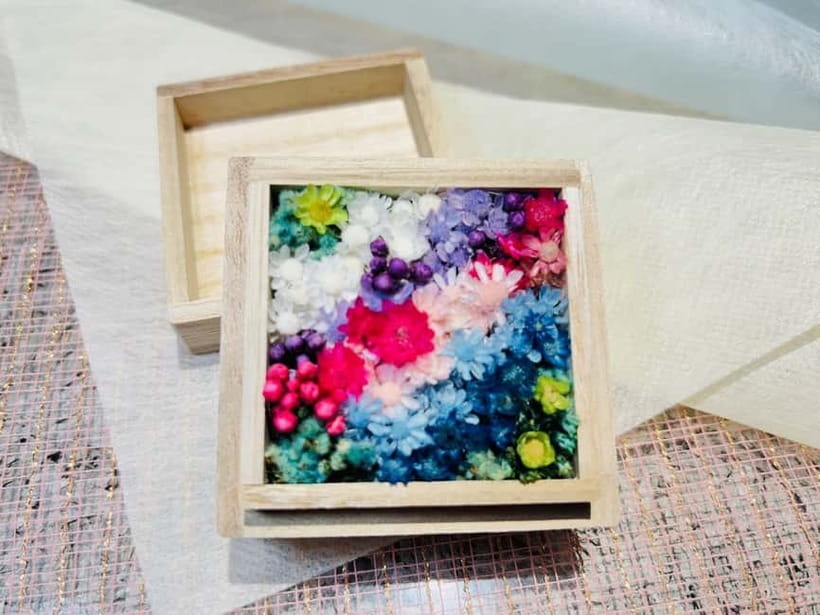
A mini Japanese garden sounds fancy, but it is actually calm and hands-on. You build a diorama-style flower box using preserved and dried flowers, then take home a souvenir that also works as room decor. I like that it is designed for first-timers, and the small group keeps the pace relaxed. The only real catch is you need to bring your own energy for careful arranging, because it takes your time to look right.
I also love the setting: you spend the session in a spacious cafe where the vibe stays friendly, not rushed. The instructor explains the materials and process in English, and the staff is there to help you refine your design. The drawback to think about: this is not a full meal activity, so plan around it if you are hungry.
Key things to know before you go
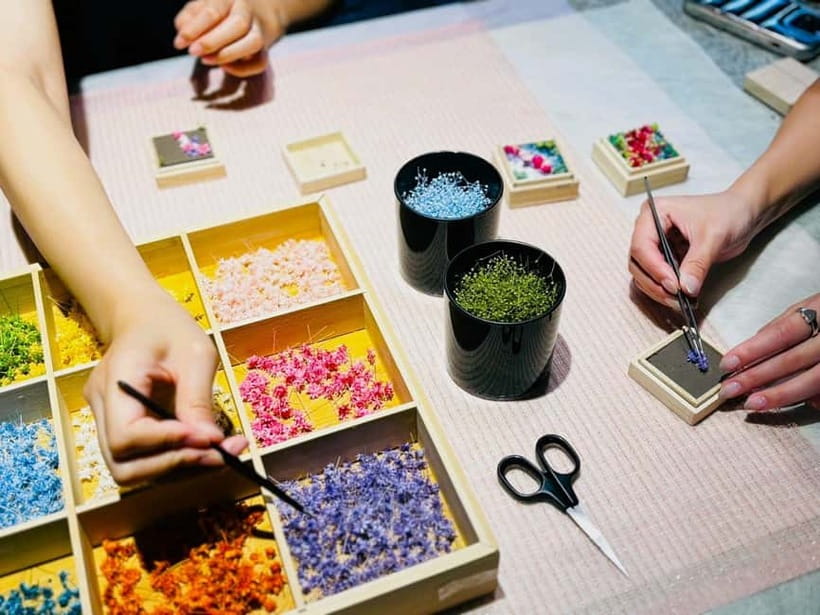
- Diorama effect, real craft time: you are arranging preserved and dried flowers inside a small container to create a tiny “scene.”
- Relaxed pacing: there is plenty of time to work slowly and make choices you like.
- English instruction and small group: limited to 10 participants, with an instructor who guides step-by-step.
- Cafe included: one soft drink is part of the experience, and the atmosphere is meant to feel comfortable.
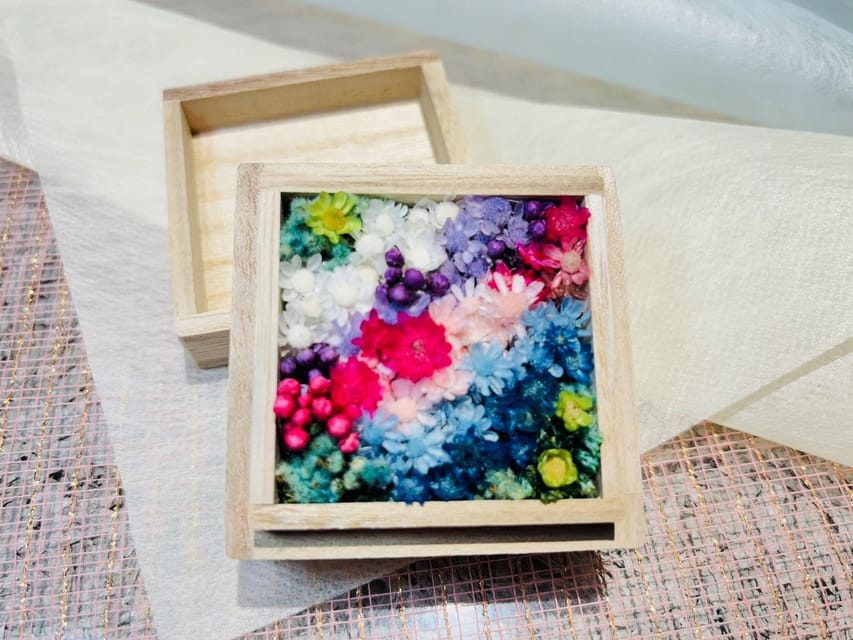
- A souvenir you can display: your finished flower garden doubles as a cute interior piece.
- Optional parfait upgrade: some people recommend upgrading for parfaits as a special treat.
Finding Sumika in Shinjuku, without stress
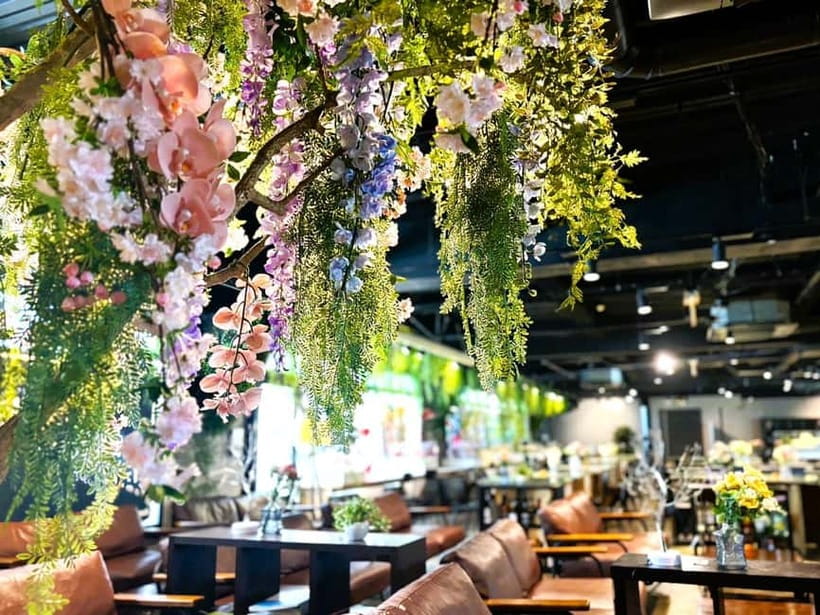
This is a very workable activity location-wise because it sits in central Shinjuku. Your meeting point is 1 minute walk from Tokyo Metro Shinjuku Sanchome Station, Exit E3. The building is easy to spot because the first floor is a pachinko parlor.
Near the entrance, you will find an outside elevator. Take it up to the 4th floor, and look for the shop named Sumika. If you use maps, the plus code is MPR4+J9 Shinjuku City, Tokyo.
Why this matters: Shinjuku can be a maze when you are tired or jet-lagged. Having a pinpoint meeting spot plus a simple “elevator to the fourth floor” plan lowers the chance you waste time wandering around. This also helps if you are pairing it with another Shinjuku stop before or after, since the area is transit-friendly.
You can also read our reviews of more tours and experiences in Tokyo.



What the 90 minutes actually feels like
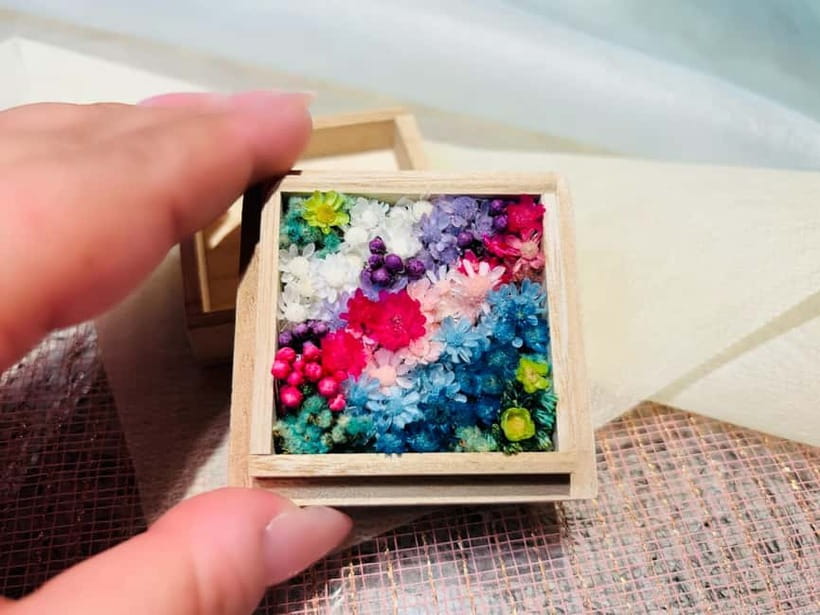
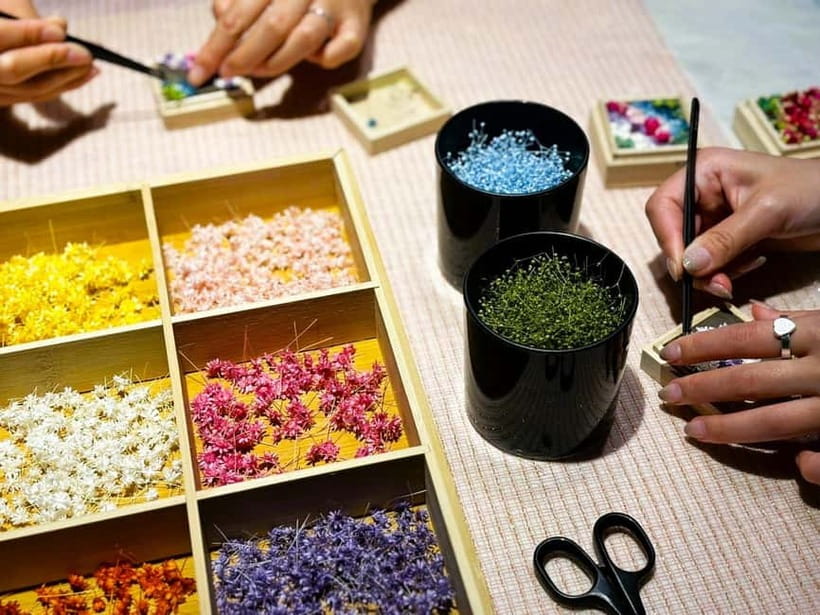
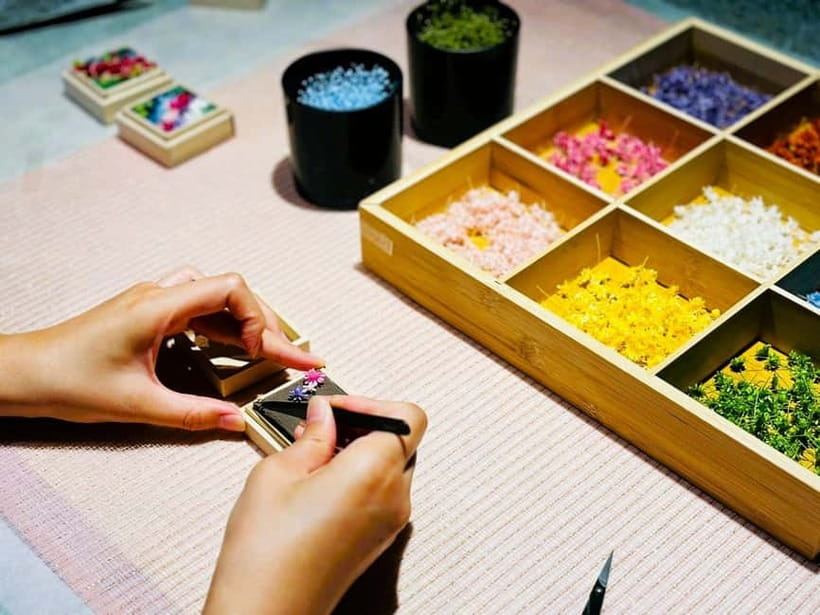
The workshop lasts 90 minutes, and that timeframe is big enough to do more than just assemble a craft kit. You start by being introduced to the ingredients and materials, and you get instructions on how to build your mini garden. After that, you are free to arrange the preserved flowers and dried elements into your own layout.
The “diorama” look is the main idea. Instead of making a flat arrangement, you create a small boxed scene. That 3D effect is exactly what makes the finished piece feel like a genuine Japanese memento, not a quick souvenir impulse buy.
You are not being pressured to rush. The format is designed so you can take your time and enjoy the work at your leisure. In a city like Tokyo, that kind of slower pace is a gift. It turns the experience from shopping into something you actually do.
Also, group size is capped at 10 participants. In practice, that usually means you get more attention when you ask a question, and you are not fighting for space with a big crowd.
Inside the spacious cafe: comfort matters
One of the best parts is that you are not doing this craft in a cramped back room. You spend time at a spacious cafe, and that changes the whole feel of the session. You are seated, provided your materials, and able to focus on the arranging without feeling boxed in.
Included with the activity is one soft drink. That seems small on paper, but it helps you settle in, especially if you arrived after travel or a long walk. It also makes the workshop feel more like a guided experience than a dry class.
One small planning note: meals are not included. If you are using this as part of your day, you will likely want to eat before you come or plan for dinner afterward. If you show up hungry, your hands will still work, but your patience will be shorter.
Making your mini Japanese flower garden, step by step
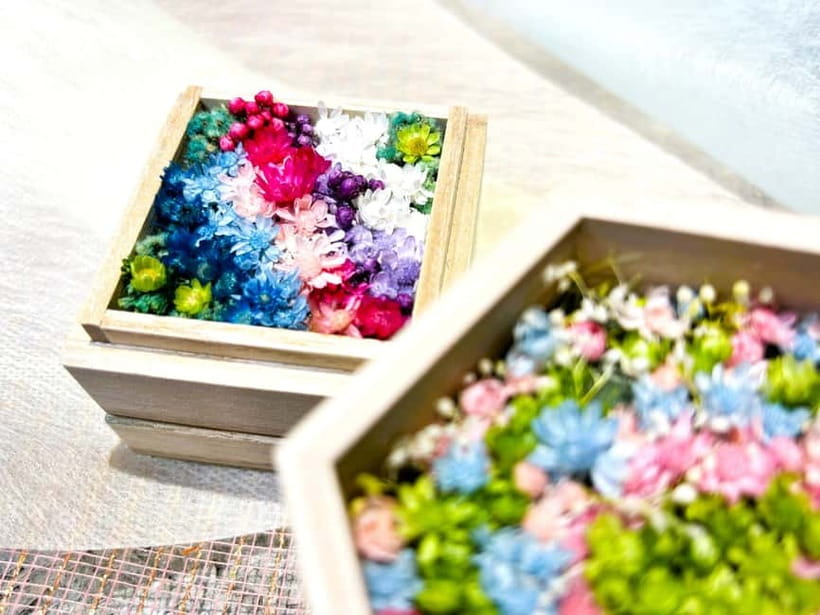
Here is what you are creating: a Japanese-style flower garden that looks like a mini diorama. You place preserved flowers and dried flowers into a small box or container and arrange them into a small “scene.”
When you arrive, you get an explanation of the process and what you will use. Then you start building. The core instruction is simple: arrange small colorful flowers in a container in a way that reads like a tiny landscape.
You get a lot of creative control. That is part of why this works even for people who have never done anything like it. You are not expected to have artistic training. You are expected to place, adjust, and choose what looks right to you.
Practical tip from how this type of workshop usually plays out: aim for a design that will look good from different angles while you are working. Since it is a small box, tiny shifts can change the balance, so slow down and check your layout before you commit to the final placement.
Another practical tip: leave yourself breathing room for decision-making. The best-looking pieces often come from someone who rearranges once or twice, not someone who starts fast and refuses to adjust. The session is built to let you do that.
Why this souvenir works as both keepsake and home decor

A lot of Tokyo souvenirs are either edible or forgettable by week two. This one has staying power because your finished piece is meant to be displayed. The workshop’s whole purpose is to make a one-of-a-kind memento that you can also use as interior decoration.
That dual purpose matters for your vacation photos too. You can photograph it right away, then later you can remember making it when you see it on a shelf. It gives the experience a second life after you return home.
It also avoids the problem of “another keychain.” A mini garden in a box feels more personal and more Japan-specific, especially because the materials are preserved and dried, not fresh cut flowers that fade immediately.
The “cute interior” angle is real: the finished piece is small, visual, and designed to sit nicely in a home setting. If you like craft souvenirs that look good in real life, not just in a store display, this is a strong match.



Price and value: what $45 buys you
The price is $45 per person for 90 minutes. It includes all fees and taxes plus one soft drink.
That is not a budget street-snack price, so you should think of it as a ticket to a guided activity. The value comes from three places:
- You get instruction in English.
- You get time, materials, and staff support to build a finished piece.
- You leave with a usable souvenir that is also decor.
Also, small group format is part of the value. With up to 10 participants, you are less likely to feel like a factory line. You get help if you get stuck, and the instructor can offer ideas as you design.
If you are trying to stretch your Tokyo spending, compare this to paid workshops where you only get a small kit with minimal guidance. Here, the process includes a clear explanation of ingredients and how to assemble your box garden.
Optional upgrade note: some people specifically recommend upgrading to get parfaits, calling it a special treat. That is not part of the baseline listing details you provided, but it suggests there is a cafe food option you can consider if you want to turn the session into more of a full dessert moment.
Who should book this mini garden workshop
This is a great fit if you want a break from queues and long museum walks. If you like crafts, you love DIY-style souvenirs, or you want a calmer activity during your Japan trip, this makes sense.
It is also a strong choice for:
- First-time visitors who want something hands-on but not stressful
- Friends or couples who want a shared project
- Families where everyone can participate at a comfortable pace (though you will want to judge based on your kids’ attention span, since the format is still craft work)
Where it might not be the best choice is if you are looking for a high-energy sightseeing program. This workshop is about making, not touring. You should go into it expecting a quiet, relaxing focus session.
What to watch for on the day
A few practical points based on the activity details you have:
- Arrive on time for the start, since the instructions come first and you only have 90 minutes.
- Wear something comfortable. You will be arranging flowers in a small space, and you want your hands and posture to feel fine.
- Bring a mindset of adjusting. The best result comes from small corrections, not forcing the first arrangement to work.
You will also want to plan food around it. Lunch and dinner are not included, so your schedule should avoid booking this as your only meal stop unless you already ate.
Should you book it?
I think it is worth booking if you want a memorable souvenir that feels personal and you like the idea of creating something tiny and displayable. The combination of English instruction, a small group, and a calm, relaxing cafe setting makes it an easy win for many kinds of travelers.
I would hesitate only if you dislike craft activities or if you are strictly looking for a sightseeing-heavy half day. This is a do-it-yourself experience, and the value is tied to enjoying the making process.
If you want a Japan moment you can actually take home, not just photograph and move on from, this mini Japanese garden workshop is a very solid choice.
FAQ
What is the duration of the flower mini Japanese garden experience?
The experience runs for 90 minutes.
How much does it cost, and what is included?
It costs $45 per person. The price includes one soft drink and all fees and taxes.
Is lunch or dinner included?
No. Lunch and dinner are not included.
Is the workshop taught in English?
Yes. The instructor language is English.
How big is the group?
It is a small group limited to 10 participants.
Where do I meet, and how do I get there?
Meet at Sumika on the 4th floor. It is a 1-minute walk from Tokyo Metro Shinjuku Sanchome Station (Exit E3). The first floor is a pachinko parlor building, and there is an outside elevator near the entrance.
Is there a cancellation policy?
Yes. There is free cancellation up to 24 hours in advance for a full refund.
What if I want to keep my travel plans flexible?
You can use Reserve now & pay later, which means you can book your spot and pay nothing today.













