
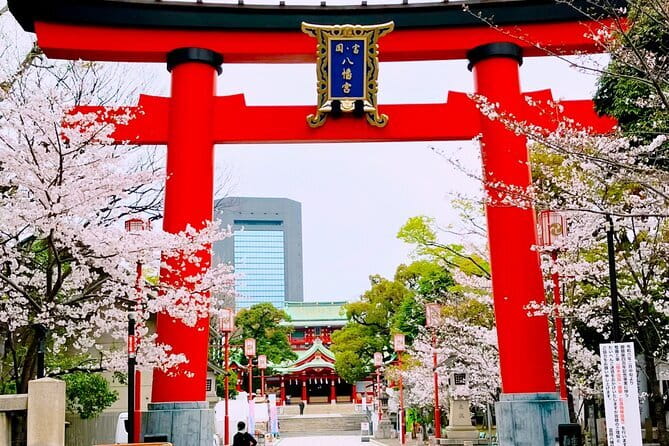
Review · TOKYO CITY TOURS
Explore Local Tokyo: Buddhism & Shinto
Tokyo has quiet temples, if you know where. This small-group walk through Monzennakacho teaches you how Tokyo’s Shitamachi roots shaped everyday faith, not just postcard sites. You’ll move at human speed through East Tokyo, with stops that explain what you are seeing and why it matters.
I especially loved the way Manami brings Buddhism and Shinto into focus, with clear explanations you can actually use later at other shrines and temples. And I like that the group is tiny, max six people, so questions do not get swallowed by the crowd.
One thing to consider: this is a short, neighborhood-focused experience, so if you are chasing big, famous monuments, it may feel more intimate and less dramatic. Also, the chance to see a fire ceremony depends on what the local temple is doing that day.
Key highlights at a glance
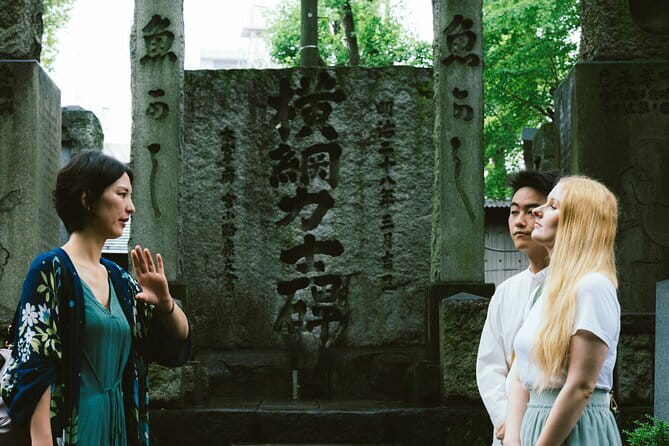
- Monzennakacho and Edokko pride: learn how local identity connects to the area’s waterways and history
- Water channels explained: get the practical geography behind East Tokyo life
- Fudo-son Temple with manners and meaning: understand how visitors behave and what symbols point to
- Free Buddhist daily ritual visit: see how routine worship fits into daily schedules
- Opportunity for a fire ceremony: watch a striking moment of practice at a local temple
- Tomioka Hachimangu Shrine: connect Shinto tradition to the neighborhood around it
Monzennakacho and the Edokko mindset
Monzennakacho sits in East Tokyo, in that older river-delta zone that locals historically associated with ordinary working life. This tour frames it as Shitamachi, the east-side counterpart to the more government-and-money image people think of when they say Edo-era Tokyo. You start with the idea that faith here is not about tourist performance. It is part of how people mark time, handle hope, and stay connected to their community.
A detail I liked a lot is the concept of Edokko. The guide connects the term to the idea that locals saw themselves as builders and supporters of Edo, even if they were not wealthy or posh. That tone matters. When you visit temples and shrines right after learning that mindset, the places stop feeling like random stops and start feeling like community anchors.
You can also read our reviews of more tours and experiences in Tokyo.



The café start: quick orientation, then you walk
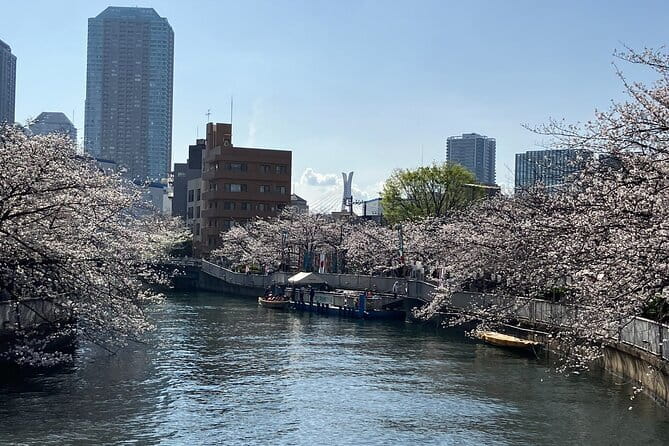
Before you hit the temples, you go to a café for a short presentation. This is not wasted time. It is how you get your bearings fast and avoid the classic problem of staring at religious sites without knowing what you are looking at. You also get context for the neighborhood, including why water channels matter for the local economy and the pride people still feel about the area.
This is where Manami’s teaching style makes a difference. Even if you already know a little about Japan’s religions, you can still benefit from the local-level explanations, like how daily life and beliefs intersect. One review note that Manami has a PhD, and you can feel that in the way she answers questions patiently, without rushing. It helps if you like to ask why things are done a certain way, like offerings, hand motions, or how worshippers behave.
Practical tip: wear comfortable shoes. The pacing is walking and talking, and you will want your feet to be happy.
Fudo-son Temple: learning how to behave and what to notice
Your temple visit is anchored at Fudo-son Temple, where the focus is less on collecting photos and more on understanding practice. The guide talks about different religions in Japan and how manners in sacred spaces reflect respect. You get help figuring out what to do, what to avoid, and what small details might mean.
This is one of those moments where a guide earns their fee. Without guidance, it is easy to treat temple areas like indoor museums. With guidance, you can read the space like a living place. You notice the flow of worshippers. You understand why certain spots feel more important. And you learn what symbols you are seeing, instead of guessing.
You should also plan for the fact that temple environments are active. Even if you are there as a visitor, people are still there to practice. A respectful approach helps you blend in quickly, and that makes the whole experience more comfortable.
A free visit to a Buddhist daily ritual
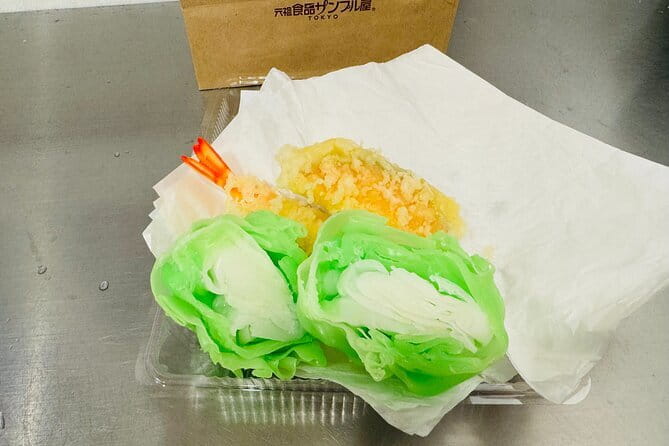
The tour includes a free visit to a Buddhist daily ritual. That is a big deal for value, because it gives you access to something with an everyday rhythm rather than only standing at the edge and watching from far away.
Think of it like this: big attractions can be impressive, but they are often one-off sights. Rituals are repeatable. When you see daily worship as part of the local schedule, you get a more honest sense of how Buddhism works in real life. You also get a clearer mental model for what you might notice at other temples later in your trip.
A quick note on offerings: the tour mentions small coins you might throw into a box at temples and shrines. It is not mandatory, and you do not need to treat it like a test. If you want to participate, do it lightly and respectfully. If not, you can still watch and learn.
Watching a fire ceremony at a local Buddhist temple

One of the most memorable parts of this tour is the opportunity to watch a fire ceremony at a local Buddhist temple. Fire ceremonies tend to be visually intense, but the real payoff is understanding the context behind the moment, not just the flame.
You will be in a smaller group, so the guide can explain what you are seeing in a way that matches what is happening right then. That matters, because fire ceremonies can feel chaotic from a distance. With interpretation, it becomes structured and meaningful.
Consider this as the tour’s “wow” factor, but keep expectations flexible. Since it is an opportunity, what you see can depend on the temple’s schedule and the day’s program.



Tomioka Hachimangu Shrine: Shinto in a neighborhood setting
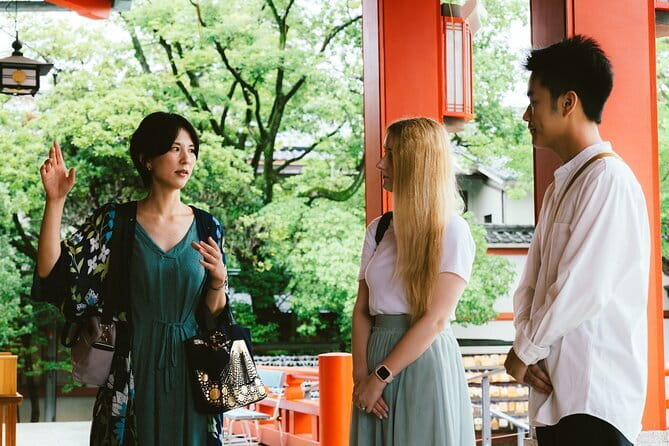
After the Buddhist focus, the tour shifts to Shinto at Tomioka Hachimangu Shrine. The guide ties what you learn about Shinto practice to the surrounding area, so the experience feels like a story that continues. You are not jumping between unrelated places. You are learning how two major traditions coexist in daily Tokyo life.
What I like about this pairing is that it forces you to compare. Buddhism often shows up through temples and ritual routines. Shinto often feels more tied to shrines, local spirit, and community rituals. When you experience both within the same walk, you get a better sense of how religion works as a set of everyday relationships, not just beliefs you read about.
You also get a sense of how visitors behave at shrines, which is the part people usually struggle with. If you have ever felt awkward trying to guess proper steps, a guide here makes everything simpler.
Why the small group size changes everything
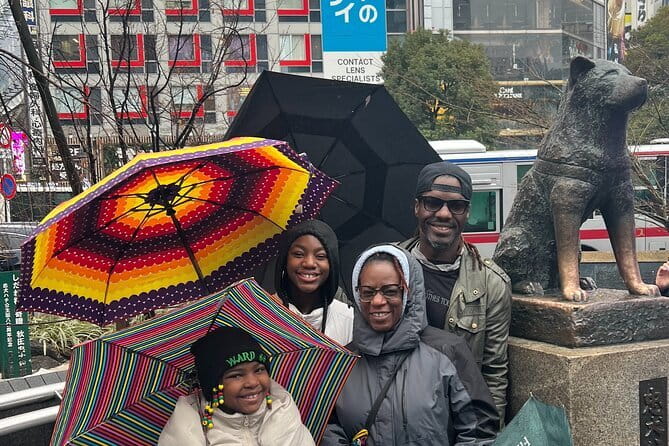
Max six travelers is not just a comfort detail. It affects how much you actually learn. In a tiny group, Manami can slow down when you ask something, and she can explain in a way that fits your questions. That is especially useful with religion, because people often want clarification on basic manners, meanings, or the logic behind practices.
You also get a smoother pace through the neighborhood. You are not competing for attention in a big bus-style crowd. You can look, listen, and absorb without feeling hurried.
If you like thoughtful travel and you prefer conversations over crowds, this structure is a real advantage.
Price and value for a temple-and-shrine experience
At $58.53 per person for about 1 to 2 hours, this tour can feel like a modest splurge, but the value is in the teaching and the access to ritual time. You are not just paying for walking. You are paying for interpretation, guidance at specific sacred sites, and the included free visit to a Buddhist daily ritual.
The best value move is simple: use the tour to learn the rules of the game. Once you understand manners and basic context at Fudo-son Temple and Tomioka Hachimangu Shrine, you will enjoy the other religious sites you visit afterward much more. You will know what to look for and what not to do.
Also, you receive a mobile ticket, which keeps things easy. And the short duration means you can fit it into a morning or early afternoon without dedicating your whole day to one theme.
Getting there, ending back, and fitting it into your day
The tour starts at Monzen-nakacho Station, located at 2 Chome-4 Monzennakacho, Koto City, Tokyo 135-0048, Japan. It ends back at the meeting point, so you are not stuck figuring out late-stage logistics.
It is also near public transportation, which is exactly what you want in Tokyo. A neighborhood walking tour can be great, but only if you do not waste time on complicated last-mile transfers.
Timing-wise, plan on around 1 hour 40 minutes for the main experience. The tour is short enough that you can pair it with nearby activities in East Tokyo, without feeling rushed.
If you are sensitive to standing or slow walking, it helps to wear shoes with grip and bring a water bottle. The pace is manageable for most people, and service animals are allowed.
Who this tour is best for
This is ideal if you want a deeper sense of how Buddhism and Shinto show up in daily life. It is especially good for you if you:
- Like small group experiences and direct Q and A
- Want help with temple and shrine manners so you do not feel lost
- Prefer local neighborhood context over only famous landmarks
- Enjoy explanations that connect faith to place and history
It might not be the right pick if you are only interested in major headline sights. This tour is about understanding a specific area, its identity, and its religious routine.
Should you book Explore Local Tokyo: Buddhism and Shinto?
If you enjoy learning while you walk, I think you will like this tour. The strongest reason to book is that it pairs neighborhood context with practical religious guidance. You get more than sightseeing. You get a framework for reading sacred spaces in Tokyo.
Book it if you want:
- A small group with Manami leading the experience
- Visits to Fudo-son Temple and Tomioka Hachimangu Shrine
- A chance to see a Buddhist daily ritual
- The possibility to watch a fire ceremony
Skip it only if you are chasing huge, world-famous monuments, or if you dislike walking and prefer strictly museum-based touring. For the rest of us, this is a smart, affordable way to experience Tokyo’s older East-side character, with respect and real context.
FAQ
How long is the Explore Local Tokyo: Buddhism & Shinto tour?
The tour lasts about 1 to 2 hours.
How much does the tour cost?
The price is $58.53 per person.
Where does the tour start and end?
It starts at Monzen-nakacho Station (2 Chome-4, Monzennakacho, Koto City, Tokyo 135-0048) and ends back at the meeting point.
What is the group size limit?
The tour has a maximum of six travelers.
Which religious sites are included?
You visit Fudo-son Temple and Tomioka Hachimangu Shrine, along with a local Buddhist daily ritual visit.
Is there an included daily ritual?
Yes. The tour includes a free visit to a Buddhist daily ritual.
Is the fire ceremony included?
You have the opportunity to watch a fire ceremony at a local Buddhist temple.
What ticket type do I receive?
You’ll receive a mobile ticket.
Is free cancellation available?
Yes, you can cancel up to 24 hours in advance for a full refund.
More Tour Reviews in Tokyo
Not for you? Here's more nearby things to do in Tokyo we have reviewed












Tokyo City Tours, side by side.
 ★ 5.01-Day Tokyo Bus TourFrom $12914,250 reviews
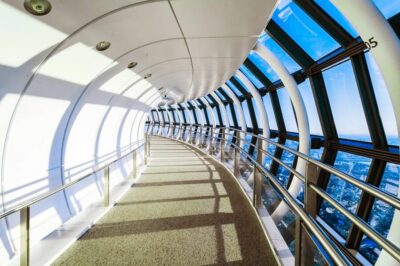 ★ 4.5TOKYO SKYTREE® Admission ticketFrom $1311,192 reviews
 ★ 4.6teamLab Planets TOKYO Digital Art Museum Entry TicketFrom $259,779 reviews
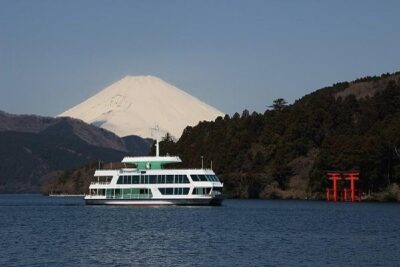 ★ 4.0Mt Fuji & Hakone Cruise, Drum Show Bullet Train 1 Day from TokyoFrom $1497,413 reviews
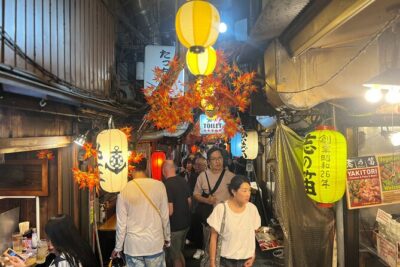 ★ 5.0Shinjuku Food Tour (13 Dishes at 4 Local Eateries)From $866,603 reviews
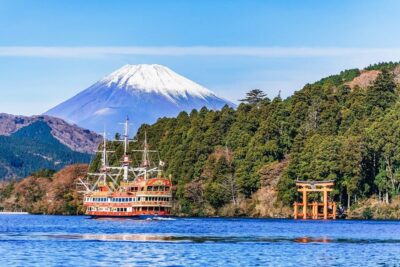 ★ 4.4Tokyo Mt Fuji 5th St & Hakone Cruise Bus Tour w/Bullet TrainFrom $1545,024 reviews
 ★ 5.0Flagship 2-Hours Official Street Go-Kart Tour – Tokyo Bay ShopFrom $644,974 reviews
 ★ 4.5From Tokyo: Mount Fuji Full-Day Sightseeing TripFrom $684,970 reviews