
Review · ASAKUSA TOURS
From Asakusa: Old Tokyo, Temples, Gardens and Pop Culture
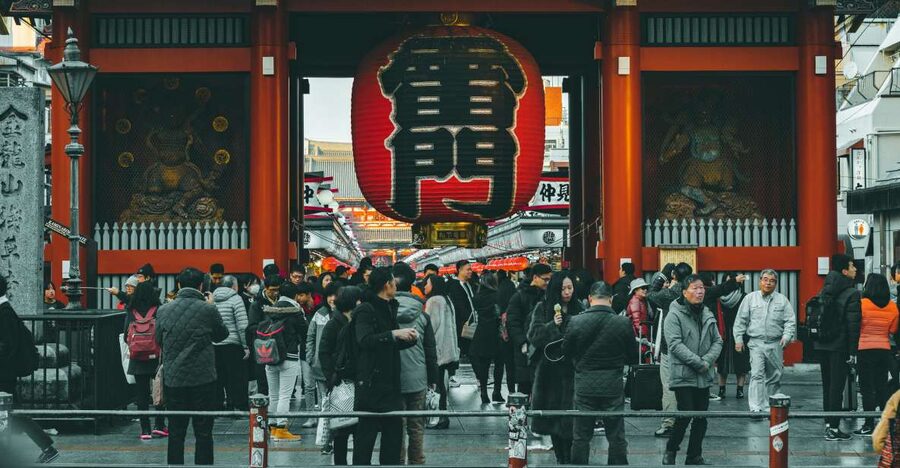
Four neighborhoods, one Tokyo story. This small-group walk takes you through Asakusa and its Senso-ji temple grounds, then moves on to Ueno, Akihabara, and the calm Koishikawa Korakuen garden. I like that the guide ties the old layout of East Tokyo to what you see today, including the connection between Asakusa and Ueno via the early subway.
What I love most is the contrast. You get Ameya-Yokocho style marketplace energy and street-level shopping, then you shift into Akihabara’s Electric Town world of electronics and anime culture before finishing with an Edo-era garden reset. The only real drawback is time. In 4 hours, you’ll get great orientation, but you will not have long, slow stretches for heavy shopping, museum detours, or long snack breaks.
Key Things That Make This Half-Day Feel Worth It
- Small group size (up to 8) with a live English guide: easier questions, faster adjustments to your pace.
- Senso-ji plus the lead-in street: you see Asakusa’s temple approach area, not just the main halls.
- Ueno and Okachimachi market grit: street-vendor style shopping energy, including Ameya-Yokocho.
- Akihabara beyond gadgets: gaming culture, anime and manga corners, and cosplay atmosphere.
- Koishikawa Korakuen as a calm landing: Edo-era garden paths and seasonal scenery after neon streets.
- Transport and standard costs are included: local train rides and admissions covered while you’re on tour.
A 4-Hour Plan That Actually Connects Old Tokyo to Now
This tour is built like a story arc. You start where Tokyo’s religious and working-life rhythm is still easy to picture, then you watch the city’s gear shift toward modern entertainment and pop culture. Finally, you land in a garden where the pace slows down again.
I also like the format. It’s a small group, not a huge bus crowd. With up to 8 participants and a live English guide, you can ask real questions instead of listening to a monologue while you shuffle along.
The route is efficient, because you’re not just “hopping” between random sights. You’re moving through neighborhoods that show different sides of the same Tokyo evolution: traditional temple streets, old-market commerce areas, and the tech-to-anime transformation of Akihabara, then a classic garden ending.
Practical note: bring comfortable shoes. This is a walking tour, and you’ll likely spend most of the 4 hours on your feet.
You can also read our reviews of more tours and experiences in Tokyo.


Starting in Asakusa, Finding Your Bearings Fast
You meet at Kamiya bar in Asakusa. It’s a useful anchor point because once you’re on the street, Asakusa immediately makes sense as a layered neighborhood, not a single photo spot.
The first stop gives you a guided orientation around Asakusa, with about 45 minutes in the area. You’ll get a look at how the neighborhood feels today, and the guide helps you translate it back into the past. That translation matters here. Asakusa is famous for Senso-ji, but it’s also about what surrounds the temple, the shopping streets, and the everyday movement of the area.
This is where I think the tour earns its keep. If you arrive on your own, you’ll see a lot. You might not know what you’re looking at. With a guide, you start to notice the why behind the patterns: why the temple area developed the way it did, and why certain streets remain central.
Walking Up to Sensō-ji Without Feeling Rushed
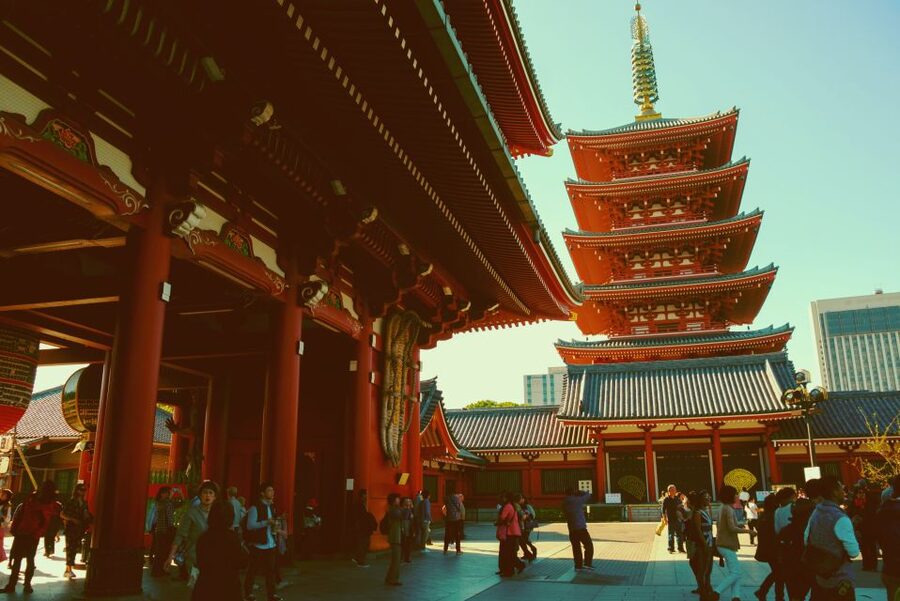
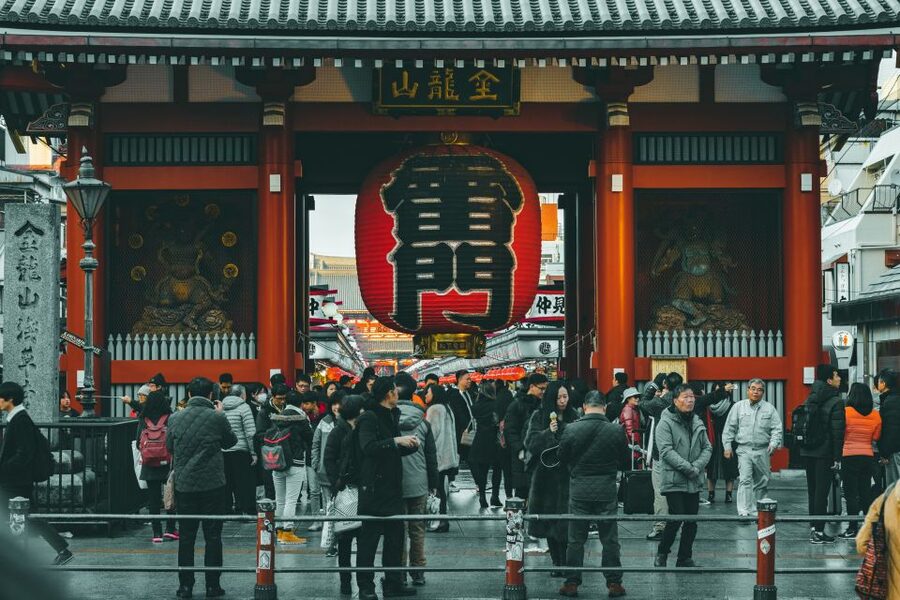
Senso-ji is the headliner, and you do get time to take it in. Expect about 15 minutes for guided time at the temple grounds. It’s enough to get oriented, learn what you’re seeing, and understand the basics without dragging you into an all-day temple crawl.
If you care about meaning, this portion is a strong value. The guide focuses on the history of the early Buddhist temple in Japan, so you’re not just scanning architecture for your camera roll. You learn how Senso-ji fits into the broader story of East Tokyo.
Then you’ll also be in the right mindset for the shopping street lead-in. Nakamise-dori is the classic approach route, and the tour route is designed so you experience that temple-to-street connection rather than arriving at a standalone monument.
One practical consideration: Senso-ji area can be busy. If you’re the type who dislikes crowd noise, you’ll still enjoy it, but keep your expectations aligned. This is a major Tokyo draw, and the energy is part of what you’re paying for.
Ueno and Okachimachi: Real Marketplace Grit, Not a Museum Lobby
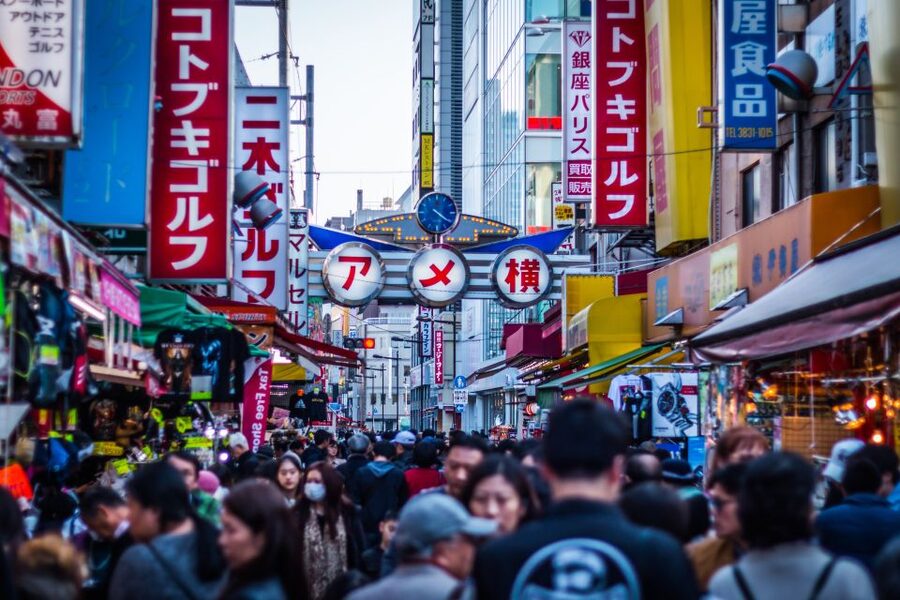
From Asakusa, you head toward Ueno, stopping in a stoplight kind of way at about 25 minutes in Ueno and another 25 minutes in Okachimachi. The point here is not just sightseeing. It’s atmosphere. This is where the tour leans into how Tokyo worked day to day.
The guide sets up Ueno and Okachimachi as a long-running marketplace zone where street vendors and small shops sold everything from food to everyday goods. The feeling now is probably just as chaotic as it used to be, but in a way you can actually walk through instead of reading about.
You’ll also hear the significance of the early subway link between Asakusa and Ueno. The idea is simple but useful: Tokyo’s growth wasn’t only vertical buildings and fancy districts. It also ran on practical transit connections that made neighborhoods more accessible.
And yes, you’re in the general area where Ameya-Yokocho fits in, the street-market vibe that many visitors find more honest and less staged than corporate shopping centers. If you want Tokyo without the smooth edges, this is one of the best moments of the tour.
Potential drawback for some people: if you’re expecting a polished, curated shopping mall experience, you might feel like you’re in the middle of real life. That’s the point, but it’s worth knowing upfront.
Akihabara Electric Town: Electronics History Meets Anime Street Culture
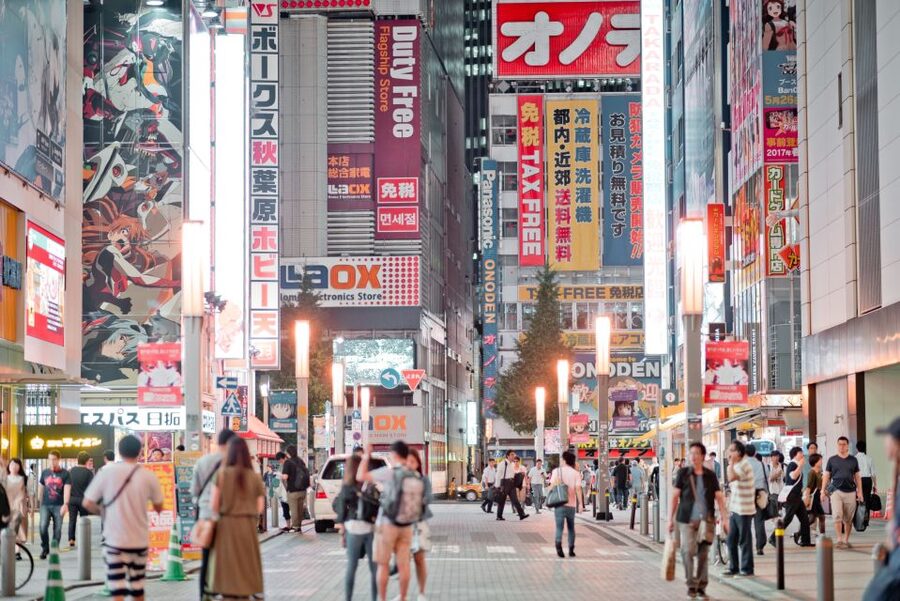
Akihabara is next, with about 45 minutes on foot. The tour frames it as Electric Town, with a background in electronics reaching back to the pre-war era, and then it explains how that evolved into otaku culture tied to anime and manga.
What makes this portion fun is that you’re not limited to store-front sightseeing. You’re walking streets where pop culture is part of how people perform and dress. The tour talks through the way reality and fantasy blur in daily life here, especially when cosplayers are out.
There’s also the practical side. Akihabara is easy to wander and easy to get lost in, but a guide helps you focus. You learn what to look for, how the district’s identity changed over time, and how electronics culture connects to the entertainment world you see today.
I also appreciate that guides here can bring personality beyond the basics. In the feedback I saw, names like Taka and Takee were praised for being engaging and information-packed, and Takee was even described as doing small extras like origami, plus a casual pub outing for the group. Michelle was praised as well, including for speaking fluent Italian. You should not treat that as guaranteed, but it’s a good signal that the guide staff tends to bring energy, not just facts.
If you’re traveling with kids, this stop often lands well because anime and gaming cues are so immediate. If you dislike dense signage, bright lights, and crowded streets, plan to keep your pace easy and take short breathers.
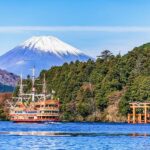
Koishikawa Korakuen: The Garden Reset After Neon Streets
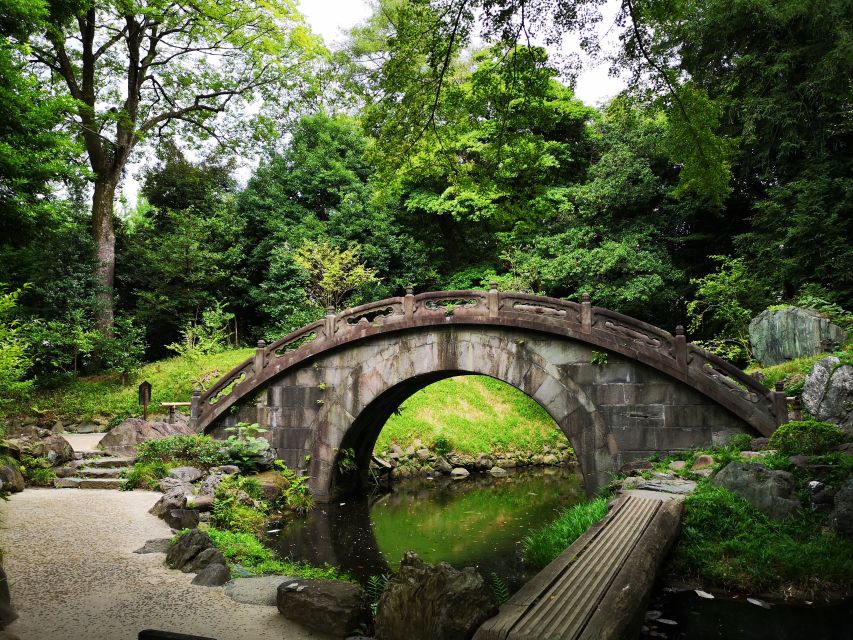
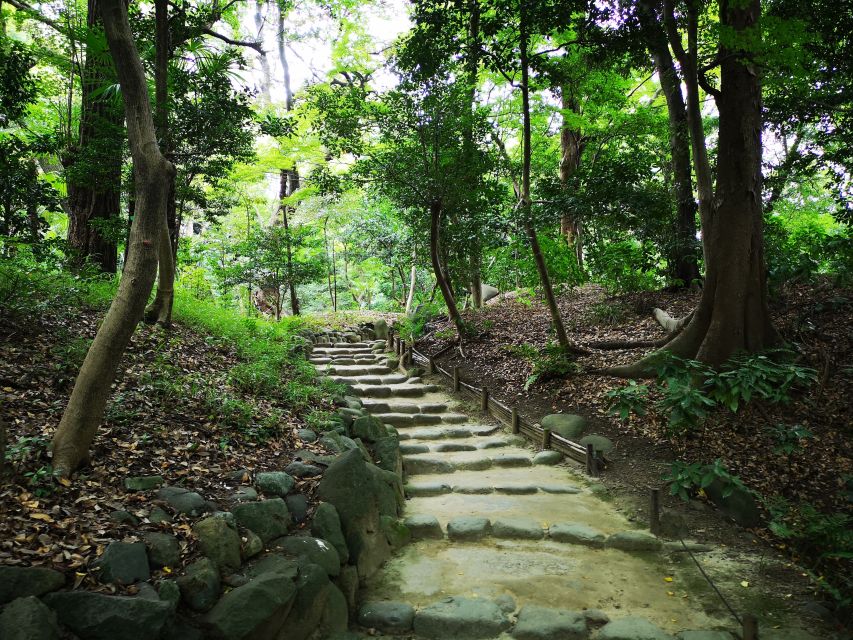
After Akihabara’s energy, Koishikawa Korakuen is the calm counterweight. The schedule gives about 45 minutes for the garden portion, including scenic views on the way. This matters because it turns the transition into part of the experience, not just a transport gap.
Koishikawa Korakuen is described as a traditional Japanese garden with Edo-era roots. The guide also points out seasonal differences, including cherry blossoms in spring and autumn’s fiery colors. Even if you’re not there in one of those peak seasons, the garden structure is still a visual lesson in pace and planning.
I love how this part of the tour changes your memory of the whole day. Many city walks leave you feeling like you only saw busy streets. Here, you get space to slow down and notice form: paths, open sight lines, and the way a garden can feel separate from the city even when it sits inside it.
One consideration: if you’re the type who wants to spend hours in quiet places, you might wish you had more time. But as a half-day capstone, it does its job. It closes the story by giving you a Tokyo scene shaped for reflection.
Price and Value: Why $68 for 4 Hours Can Make Sense
The price is $68 per person for a 4-hour small-group tour. For East Tokyo, that’s not just a ticket to sights. It’s a package of guided context plus practical costs.
Here’s what you’re getting for the money:
- A live English guide for the full 4 hours
- Included standard costs while on tour, including admissions and local train rides
- The benefit of small group movement, up to 8 participants, so you can keep questions from piling up
- A guided mix of temple culture, street markets, pop culture, and garden scenery
Food and drinks are not included. That part is pretty normal, but it matters for budgeting. If you want snacks during Nakamise-dori or market areas, you’ll need to plan that yourself.
Also, if you want to add a big museum stop like Tokyo National Museum, admission is not included. The tour’s main strength is flow and variety, not museum time. If you’re looking for a full museum day, you’ll want a separate plan.
In plain terms, this tour is value-heavy if you want the map and the meaning, not just the photos. If you already know Tokyo deeply and you like wandering without help, you could do it on your own. But even then, the guided timing between neighborhoods saves you from the guesswork of what to prioritize.
Who This Tour Suits Best (And Who Should Skip It)
This tour is a great fit if you want a “greatest hits with context” mix, but you also like when someone explains the connections. You’ll enjoy it if you’re the type who cares how neighborhoods evolve, because the tour is built around that contrast: traditional temple streets, market commerce areas, and Akihabara’s pop culture shift.
It also works well for mixed groups. There’s something here for temple and culture fans, shop-and-snack explorers, and pop culture lovers. And because you finish at a garden, you’re not stuck in chaos the whole time.
You might want a different option if:
- You want long stays in one location, like many hours in a single museum or multiple temples
- You dislike walking and want a mostly seated format
- You expect food and drinks to be part of the price
Should You Book This Tour?
Yes, I’d book it if you want to see East Tokyo in one organized half day and you like stories that connect past and present. The Senso-ji start, the Ueno and Okachimachi market grit, the Akihabara pop culture stop, and the Koishikawa Korakuen garden reset make it feel balanced, not random. The small group size and the fact that it’s guided in English also help a lot.
I would not book it if your ideal trip is slow, quiet, and food-first, because meals are on you and the pace is intentionally efficient. But for most first-time Tokyo visitors, or anyone returning to Tokyo who wants an East-side tour that does more than point at landmarks, this is a smart choice.
More Tour Reviews in Tokyo
Not for you? Here's more nearby things to do in Tokyo we have reviewed







Asakusa Tours, side by side.
 ★ 4.8Japanese Dance Cabaret Theater Asakusa-Kaguwa TicketFrom $492,270 reviews
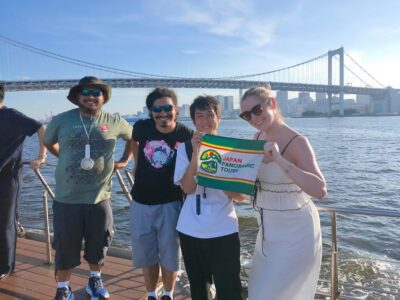 ★ 4.7Meiji Shrine, Asakusa, Skytree Bus Tour and CruiseFrom $1221,986 reviews
 ★ 4.9Roll and Authentic Sushi Making Class in AsakusaFrom $581,957 reviews
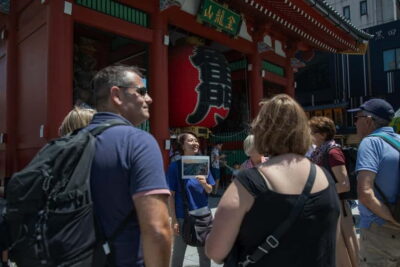 ★ 4.8Asakusa Walking Tour with Sensoji Temple VisitFrom $221,583 reviews
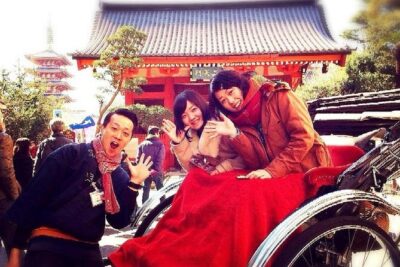 ★ 5.0Tokyo Asakusa Rickshaw TourFrom $421,375 reviews
 ★ 4.5Tokyo Panoramic 1 Day: Meiji Shrine, Asakusa, Odaiba and SKYTREE®From $851,222 reviews
 ★ 5.0Tokyo Go Kart: Asakusa, Skytree, and Akihabara **IDP MUST**From $99988 reviews
 ★ 4.7Asakusa, Skytree & Akhihabara Go-Kart City ExperienceFrom $96761 reviews
This tour also belongs to