
Review · TOKYO FOOD TOURS
Home made Ramen you made from scratch!!
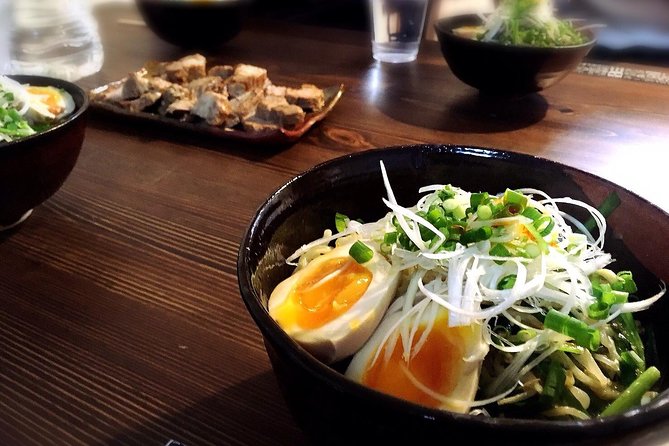
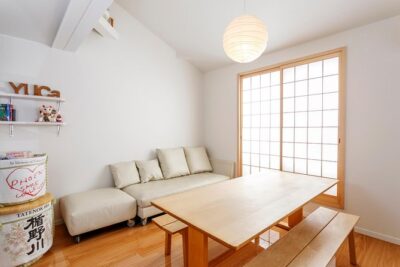
Ramen made from scratch, taught by a pro. This small Tokyo class led by Hideki (about 10 years in ramen restaurants) gives you the real structure behind a good bowl, not just a quick walk-through. I especially like the hands-on pace and the fact the group is capped at 4 travelers, so you get real attention. One thing to consider: this is at a home-style studio, so it will feel less like a polished restaurant tour and more like cooking in someone’s kitchen.
You’ll learn how to make homemade ramen components in the most practical order, starting with dashi (soup stock), then moving through key toppings like nitamago and chashu, plus gyoza dumplings. I like that the instruction is detailed enough that you can realistically recreate it later, since you’ll follow a take-home recipe format the host prepares.
Location-wise, it’s convenient for a traveler base, with easy access to areas like Ginza, Shibuya, Shinjuku, Shinagawa, and even Haneda. The main drawback is you should plan for a bit of local wayfinding around the meeting point and walk, since you start at Hideki ramen cooking studio and you end back there.
Key things to look forward to
- Small group cooking (max 4): you get more direct help and fewer awkward waiting moments.
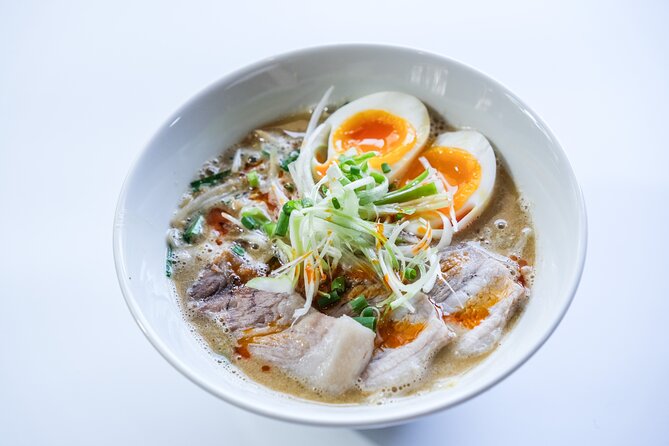
- Dashi from scratch: you learn the soup foundation, not just seasoning a broth.
- Nitamago + chashu skills: classic ramen add-ons, made with intention.
- You make the ramen with your hands: the class focuses on noodle and broth work, not assembly-only.
- Gyoza included in the menu: you get dumpling technique alongside ramen.
- Lunch is what you make: you eat the results the same day.
Why this ramen class feels practical, not just foodie fun
Tokyo has plenty of places to eat ramen. This is different. You’re not paying just to taste. You’re paying to learn the moving parts that make ramen work, and that matters if you want your next bowl at home to taste like ramen, not like soup with noodles.
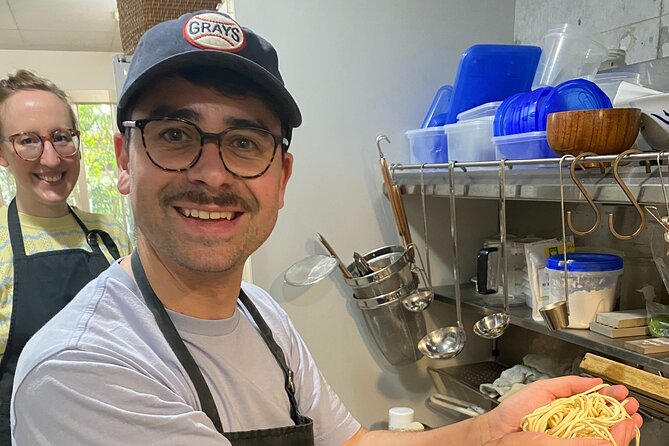
Hideki runs the class with the mindset of a working chef. The biggest plus here is the way the course is built around core ramen tasks. You’re making the soup stock first, then tackling the eggs and pork, and finally building a bowl. That order helps you understand how each part contributes flavor, aroma, and texture.
I also like that you’re cooking in a small setting. With up to four people, questions don’t get lost. You can ask why something happened, not just what to do next. And based on the way the host communicates, you’re not thrown into the deep end for logistics.
The class is positioned as a genuine ramen-focused lesson, with ramen and gyoza on the menu, plus lunch included. If your goal is to walk away with skills you can repeat, this format fits better than most tastings.
You can also read our reviews of more tours and experiences in Tokyo.



The 3-hour flow: how your kitchen skills line up with a real bowl
The class runs about 3 hours, and it ends back at the meeting point. That may sound simple, but the timing is what makes it work for travelers. You get one focused block of ramen learning without losing your day to multiple stops.
Here’s the kind of rhythm you should expect during the lesson:
- Start at Hideki ramen cooking studio at the Minamishinagawa address listed, then settle into the workspace.
- Prepare dashi (soup stock): this is where the flavor foundation starts.
- Make nitamago (ramen-style boiled egg): you’ll learn the method for the ramen egg texture and flavor profile.
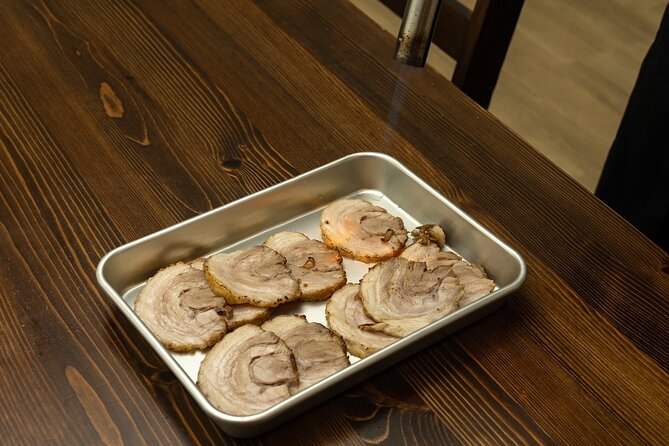
- Cook chashu (boiled pork): the class covers how to handle the pork so it works in ramen.
- Make ramen and gyoza together: the class includes gyoza dumplings and homemade ramen work, not just topping prep.
- Eat the lunch you made: your ramen ends up on your plate during the session.
One subtle but important detail: a good cooking class doesn’t just teach steps, it teaches when to slow down. With the pace described by past participants, Hideki is patient and walks you through each stage. That helps most travelers avoid the common mistake of rushing and producing a bowl that looks right but doesn’t taste right.
Also, because the studio is in a residential area rather than a big commercial kitchen, expect a homey, friendly flow. That can be a plus if you like real conversation while you cook.
Dashi, nitamago, chashu: the skills that transfer to your next ramen at home
If you’ve ever tried to make ramen at home, you’ve likely discovered the hard truth: the magic isn’t the toppings. It’s the stock and the balance.
This class attacks that problem directly. You learn dashi, then you build the supporting cast: nitamago and chashu. Even if you never make ramen from scratch again (honestly, it’s a lot of work), you’ll still leave with specific techniques you can use.
Why dashi matters
Dashi is the backbone. When you understand how to prepare soup stock properly, your ramen stops tasting like noodles in random liquid. You’ll learn the stock method step-by-step, which is where most at-home ramen attempts go off track.
Why nitamago matters
Ramen eggs are popular for a reason, and the class focuses on making them in a ramen style. The learning point isn’t just flavor. It’s timing and texture, so the egg stays satisfying when paired with hot broth.
Why chashu matters
Pork in ramen can turn either “good” or “meh,” depending on how it’s cooked and handled. Learning chashu as part of a cooking process helps you understand what makes it ramen-appropriate instead of just pork on the side.
If you like food science in a hands-on way, you’ll probably enjoy the structure. Each component teaches you a piece of how ramen tastes like ramen.
Homemade ramen and gyoza: hands-on work, not assembly-only food
A lot of cooking classes say you’ll make ramen. Then you end up assembling something with mostly pre-made parts. This one is aiming for the real thing.
You’ll make homemade ramen and also prepare gyoza dumplings. What stands out in the way participants describe the class is that you learn the noodles and soup from scratch, not just toppings and plating. That’s the value jump for many people: you leave with more than a meal and a memory, you leave with a process.
Gyoza is a smart add-on for travelers because it teaches “small bite” technique alongside ramen. Even if you don’t make ramen often, you can potentially use the dumpling method later, since gyoza has a life beyond ramen shops.
The class also includes plenty of tips along the way. That’s important because the little adjustments are often what separate a decent bowl from a truly satisfying one.
Getting there from Tokyo stations: location is the quiet superpower
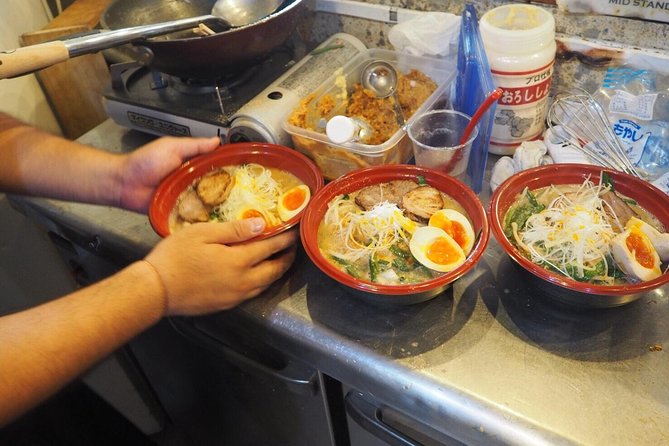
This is in Shinagawa City, in Minamishinagawa, close to places that matter for a typical itinerary: Ginza, Shibuya, Shinjuku, Shinagawa, and also Haneda. If you’re changing neighborhoods day to day, this location helps you avoid the feeling that you scheduled one activity in the wrong part of the city.
The meeting point is Hideki ramen cooking studio at:
6-chōme-15-3 Minamishinagawa, Shinagawa City, Tokyo 140-0004, Japan
What I appreciate for logistics: the host is set up to help you find the right spot. Past participants reported clear communication via WhatsApp if you’re running late, plus walking support to and from the train area to the home studio. That matters because home-based studios can be easy to miss if you’re new to the local streets.
Practical advice: plan to arrive a bit early. Even with the help, you’ll feel better when you’re not rushing through the last blocks hungry.



Lunch included: why the meal is part of the value
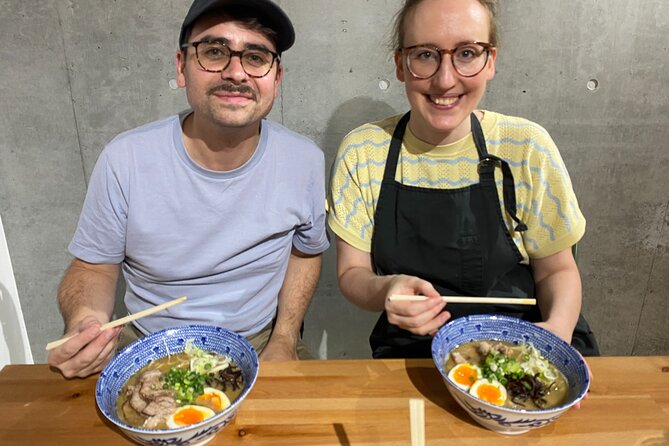
The price includes lunch, and it’s the ramen you made. That turns the session into more than a class. You get a full payoff during the same 3 hours, instead of paying for instruction and then needing to find food afterward.
For $115 per person, the value depends on what you want from Tokyo. If your plan is to eat your way through the city, this class might feel pricey compared to simply booking another meal. But if you want to take skills home, it starts to look like a fair trade. A small-group class with a specialized ramen chef background, hands-on work, and lunch included costs more than basic group tours, and that’s normal.
Also keep in mind that alcoholic beverages are additional cost. If you want a drink pairing, budget extra. If you’re fine with water or soft drinks, it’s simple.
Group discounts can also help. If you’re traveling with a friend and can book together, it’s usually easier to justify the spend.
The real vibe: small-group, patient coaching, and a take-home recipe
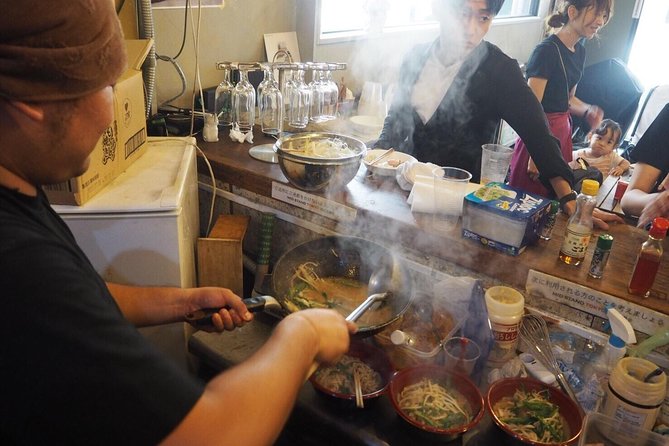
You’re not in a big crowd, so the atmosphere stays calm. Participants describe Hideki as welcoming and patient, with step-by-step guidance. That’s a big deal for non-cooks. The best classes reduce stress by breaking tasks into manageable chunks, and this one is designed that way.
Another practical win: a take-home instruction booklet. That’s what makes your learning stick. After you eat, you can recreate ramen components at home without trying to remember every step from scratch. For travelers, this is the difference between a nice day and a skill you actually keep.
It also helps you understand seasoning and timing, which are the areas where at-home cooking usually goes wrong. Even if you adapt ingredients later, you’ll have a framework.
Who should book this ramen cooking class
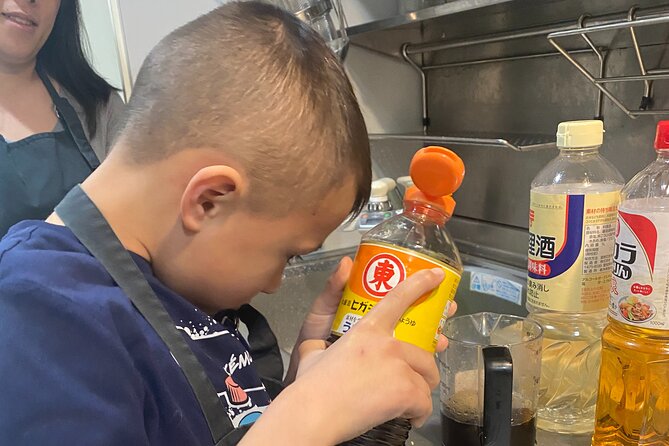
This class fits best if you:
- Love ramen and want to understand why it tastes the way it does.
- Prefer hands-on cooking over food-only tastings.
- Enjoy learning from a chef with real restaurant experience (Hideki has about 10 years).
- Want a smaller, calmer group experience, since the class tops out at four travelers.
- Are happy to spend a chunk of your day cooking in a local studio setting.
It may not be the best fit if you:
- Want a lively restaurant-style tour with lots of sightseeing stops.
- Expect alcohol and drink service to be included.
- Prefer a large anonymous group where you just observe for part of the class.
If you’re the kind of traveler who buys cookbooks or tries to recreate dishes after trips, you’ll probably appreciate the structure and the take-home material.
Should you book Hideki Ramen Cooking Studio?
I’d book this if your trip includes ramen cravings and you also want a tangible takeaway. The small group size, hands-on method for ramen components, and the fact lunch is included make it a strong use of a 3-hour block in Tokyo.
Book it especially if you’re staying near Ginza, Shibuya, Shinjuku, Shinagawa, or you have Haneda in your travel mix. It’s also a smart choice for couples or small groups who want real instruction rather than a crowded demo.
If you’re only chasing convenience and cheapest food, it might not be your top option. But if you want to leave with the building blocks of real ramen, this class is a very focused, very practical Tokyo experience.
FAQ
How long is the ramen cooking class?
It runs about 3 hours.
What is included in the price?
Lunch is included. You’ll eat the ramen you make during the class.
What dishes will I learn to make?
You’ll learn how to prepare dashi (soup stock), make nitamago (ramen-style boiled egg), cook chashu (boiled pork), and you’ll also make gyoza dumplings.
Are alcoholic beverages included?
No. Alcoholic beverages and soft drinks are additional cost.
Where do I meet for the class?
You start at Hideki ramen cooking studio, 6-chōme-15-3 Minamishinagawa, Shinagawa City, Tokyo 140-0004, Japan, and the activity ends back at the meeting point.
How large is the group?
The class has a maximum of 4 travelers.
When will I get confirmation after booking?
Confirmation is received within 48 hours of booking, subject to availability.
Can I cancel for a full refund?
Yes. You can cancel up to 24 hours in advance for a full refund.
Is it close to public transportation?
Yes, it is near public transportation.
More Tour Reviews in Tokyo
Not for you? Here's more nearby things to do in Tokyo we have reviewed












Tokyo Food Tours, side by side.
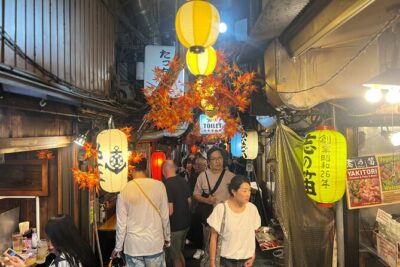 ★ 5.0Shinjuku Food Tour (13 Dishes at 4 Local Eateries)From $866,603 reviews
 ★ 5.0Tokyo Bar Hopping Tour in Shinjuku (All-You-Can-Drink + Dinner)From $1063,587 reviews
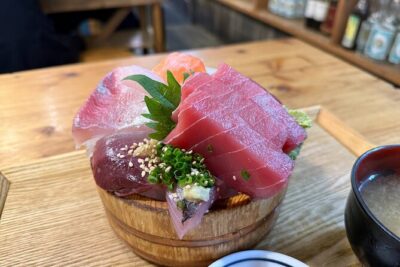 ★ 4.9Shinjuku Food Tour (15 Dishes and 4 Eateries)From $852,033 reviews
 ★ 5.0Best of Shinjuku: Izakaya Food Tour (4 Stops, 14+ Tastings)From $921,863 reviews
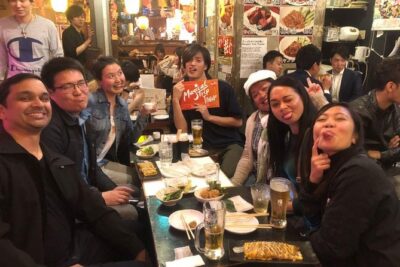 ★ 5.0Shibuya Meltdown Nightlife Tour: All-You-Can-Drink Bar HoppingFrom $1061,058 reviews
 ★ 5.0Eat and Drink Like a Local: Tokyo Ueno Food Tour-Taverns&RamenFrom $95957 reviews
 ★ 5.0Ramen & Gyoza Cooking Class in Tokyo with Local Supermarket VisitFrom $122823 reviews
 ★ 5.0Shibuya Food Tour (13 dishes and 4 Eateries)From $77770 reviews
This tour also belongs to