
Review · TOKYO
Make a temple stamp book with artist
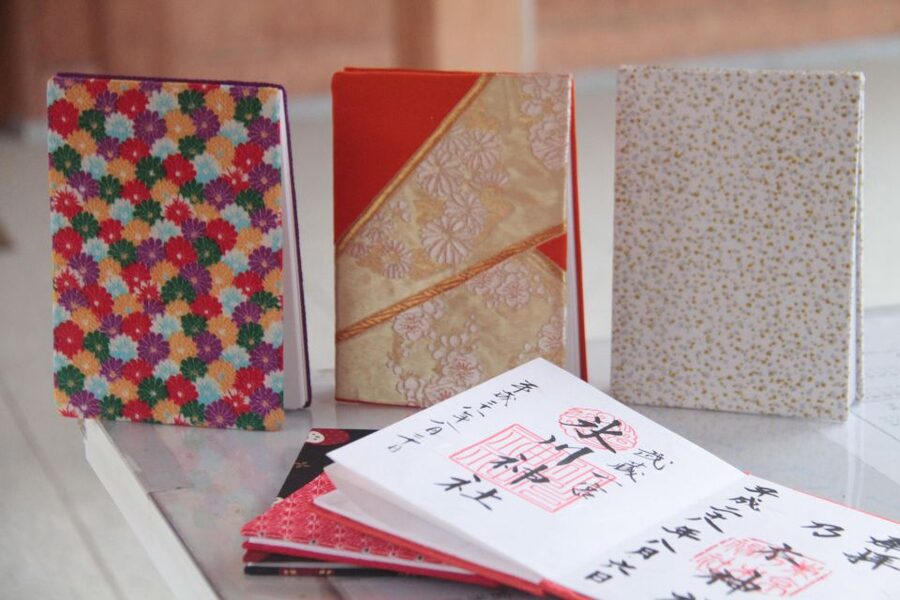
Your goshuin starts with fabric choices. I love how Chikako Oshiro lets you pick from over 100 kimono fabrics, then walks you through making a goshuin notebook you can actually use for stamps. I also like the way the workshop ends at a local Shinto shrine, where you practice a more formal visit and get your first stamp. The main drawback to plan for is that the shrine stamp fee is not included, so you will pay that separately.
This is a small-group workshop near Shibuya on Honshu, lasting about 2 hours. It runs rain or shine and includes a short walk with about 10 steps to reach the classroom and then the shrine. Meeting is in front of an entrance located between a drug store and Cozy Corner, a cake shop.
Key things I’d prioritize before you go
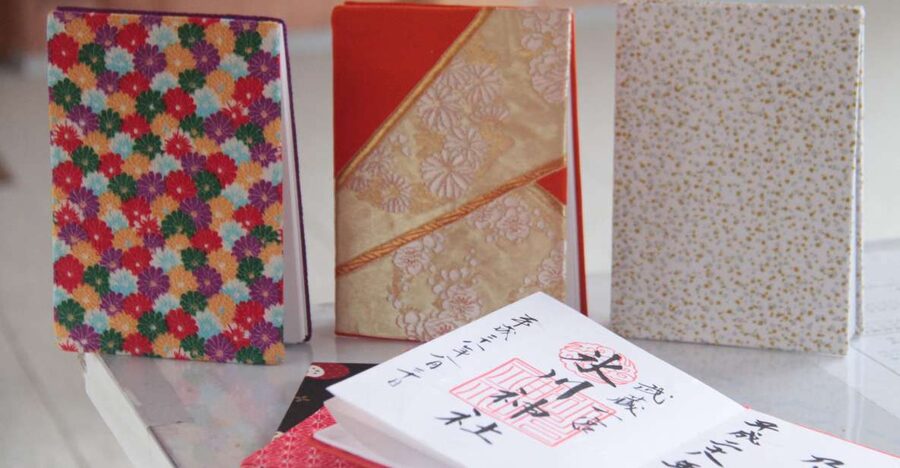
- Choose your cover from 100+ kimono fabrics and make the notebook feel like your own.
- Learn the proper goshuin notebook build with folding and gluing, so it is stamp-ready.
- Get your first goshuin stamp right away by visiting a local Shinto shrine.
- Practice shrine manners with an English instructor so you are not guessing what to do.
- Keep it personal with a small group of up to 8 participants.
- Fit it into a Shibuya day easily since it is close to popular sightseeing.
Making a Goshuin Notebook from Kimono Fabric, Not Templates
A goshuin notebook is more than a souvenir book. You are making a format meant for stamps you will collect at shrines and temples, with space and structure that works for the ritual. In this workshop, I like that you start with materials you can touch and choose, then you build the notebook in a careful, step-by-step way.
Chikako Oshiro’s method focuses on getting the basics right. You will fold and glue the papers together so the notebook is put together properly, not just decorated. That matters because goshuin stamps are meant to be placed neatly, and a notebook that is built well helps you avoid frustration later.
The workshop is also hands-on from the start. You are not watching from a distance. You pick, fold, glue, and then use what you made on-site when you visit the shrine.
You can also read our reviews of more tours and experiences in Tokyo.



Over 100 Kimono Fabrics: Why the Choice Feels Like the Real Experience
Most people want photos at Shibuya. This experience gives you something you keep with you, made from your own selections. You will browse a wide selection of kimono fabrics, with more than 100 options to choose from, and then decide which ones fit your taste.
I especially like that the fabric choosing is not random. The guide sets it up so you can select favorites and understand what you are making before you start gluing things down. One review also noted that the instructor explains how the materials and process connect to the meaning behind goshuin stamps, which makes your notebook feel more intentional.
Chikako Oshiro also seems to be generous with practical help. One of the reviews mentioned extra glue provided for later reminders of your stamps. That is a small detail, but it tells me the workshop is built for real hands-on work, not a rushed demo.
Folding and Gluing: The Part That Turns Creativity Into a Usable Tool
The core construction part is simple, but it is not mindless. You learn how to make a goshuin notebook the proper way by folding and glueing papers together. You will then be ready to collect stamps correctly during your shrine visit.
If you worry you will mess up paper crafts, this is worth knowing. The instructions are clear, and the materials are provided. People who like structure tend to enjoy this part, because you are guided step by step, but you still get to make choices with your own fabrics and decorations.
Timing is tight because the full experience is only about 2 hours. So your best strategy is to commit early to your fabric choices. Once you start assembling, you will want to stay focused and follow the steps rather than second-guessing every detail.
Visiting a Shrine Formally, and Getting Your First Stamp
The second half of the workshop is the payoff. After you finish your notebook, you go to a local Shinto shrine where you collect your first goshuin stamp. That makes the workshop feel complete. You do not just craft a book and hope you know what to do later, you do it in the moment.
More important than the stamp itself is the etiquette lesson. The guide teaches how to visit a shrine formally, so you have guidance on the basic manners of the visit. That is helpful if you are new to Shinto shrine customs, or if you want to avoid doing things awkwardly.
In one review, the person specifically said the guide helped them make and stamp their books, and then taught them a formal shrine visit as they collected their first stamp. That matches the overall flow here: craft first, then do the real thing with your finished notebook.
You should also expect that this part creates the strongest memories. Seeing your own notebook filled with your first goshuin stamp is the kind of moment you cannot replicate with photos alone. It turns the workshop into a story, not just an activity.
Chikako Oshiro’s English Instruction, and Why It Matters in a Workshop Setting
Language can make or break small group cultural experiences. Here, the instructor is English-speaking, which helps a lot during hands-on tasks where you need clarity fast. Folding, gluing, and proper shrine manners all benefit from being able to ask quick questions.
Chikako Oshiro is also described as generous and informative. One review praised how the instructor was extremely helpful and provided extra glue for reminders of stamps. Another highlighted how the teacher shared stories around goshuin stamps and shrine background, which adds meaning without turning the session into a lecture.
I like that the tone seems supportive. In workshops, confidence matters, and an English guide who stays patient can help you focus on enjoying the craft and the shrine visit instead of worrying about mistakes.



Logistics Near Shibuya: Meeting Point, Short Steps, and a Smooth 2-Hour Window
This workshop is positioned near popular sightseeing around Shibuya. That is practical because you can pair it with other plans without feeling like you traveled halfway across the island for one activity.
Meeting point is specific: meet in front of the entrance located between a drug store and Cozy Corner, a cake shop. If you like being early, do it. Small group activities are easier when you are not searching around at the last minute.
There are also about 10 steps to reach the classroom and shrine. That detail matters because this experience is not presented as fully step-free. If you have mobility limitations, this may not be a comfortable fit.
Because the experience is rain or shine, have a backup mindset. Even if weather is bad, you still craft inside and then you still go to the shrine. A small umbrella and a rain layer are usually the easiest way to keep your day calm.
Price and Value: What $38 Covers, and What You’ll Budget for Stamps
At $38 per person for a 2-hour small group, the workshop fee covers the creative instruction and the activity itself. You are paying for the guidance, the materials provided for constructing the goshuin notebook, and the English support that makes the etiquette piece work.
One key cost note is that the stamp fee at the shrine is not included. That means you should expect to pay extra on-site when you collect your stamp. Since the amount is not stated in the provided info, the safe move is to plan for some additional spending for the shrine portion.
Still, the value feels solid because you get both halves of the experience. You make a functional notebook, you learn how to visit properly, and you leave with your first goshuin stamp already in your book. A lot of craft activities stop at the making. This one connects the craft to the cultural practice immediately.
Also, the small group limit of 8 matters more than it seems. In a hands-on build like this, fewer people usually means you get better attention when you glue and fold, and you get clearer guidance when you practice shrine manners.
Who Should Book This Goshuin Workshop, and Who Might Not Enjoy It
This workshop is a great fit if you want something practical and memorable while you are in the Shibuya area. If you like crafts, enjoy Japanese cultural details, or want a structured way to learn goshuin basics, you will likely feel satisfied.
It is also a good choice for first-timers. You do not have to figure out how goshuin works on your own. The guide walks you through building the notebook and then getting your first stamp at a local shrine, which is the easiest way to start.
On the other hand, it is not suitable for children under 3 years. It is also not suitable for people with mobility impairments, likely due to the steps involved. If either applies to you, it is better to look for an alternative experience that better matches your needs.
Should You Book This Goshuin Notebook Workshop Near Shibuya?
If you want a single, focused experience that combines hands-on crafting with an on-the-ground shrine visit, I think this is a smart booking. The strongest selling points for me are the chance to pick from 100+ kimono fabrics, the clear instruction for building a notebook that works for stamps, and the fact that you get your first goshuin stamp right after learning formal shrine manners.
If you are trying to travel ultra-budget, remember the shrine stamp fee is extra. If you hate stepping around in weather, remember it runs rain or shine and involves about 10 steps. But if you are okay with that, you are likely to leave with something personal, usable, and meaningful, not just a quick photo moment.
FAQ
How long is the workshop?
It lasts 2 hours.
How much does it cost?
The price is $38 per person.
What is included in the price?
The workshop fee is included.
Is the shrine stamp fee included?
No, the stamp fee at the shrine is not included.
What will I make during the workshop?
You will make your own goshuin temple stamp book, called a goshuin notebook.
How many fabrics can I choose from?
You can choose from over 100 different kimono fabrics.
Is the workshop taught in English?
Yes, the instructor speaks English.
What group size is this?
It is a small group, limited to 8 participants.
Where do I meet the instructor?
Meet in front of the entrance located between a drug store and Cozy Corner (cake shop).
Does it run in bad weather?
Yes, it takes place rain or shine.
Can I cancel for a full refund?
Yes, you can cancel up to 24 hours in advance for a full refund.













