
Review · TOKYO CITY TOURS
Make Your Own Bonsai with a Professional Bonsai Artist in Tokyo
A tiny tree, big calm. This Tokyo bonsai workshop lets you shape your own plant with personal coaching in a small group, plus translator support so the craft makes sense. I especially like that the class fits a busy day (about 2 hours), and that you get a real connection to bonsai through the museum setting, not just a one-off activity. A possible drawback: you may still face extra costs later if you want to take your bonsai home, and the experience does assume moderate walking.
At Shunkaen Bonsai Museum in Edogawa, you start at the museum and finish back where you began. The maximum group size is 6, which means you are not shouting over other voices while trying to wire branches. If you like plants, Japanese culture, and learning skills you can practice after you return home, this one is a strong bet.
Key Points I’d Mark on My Map
- Small group size (max 6) for genuinely hands-on help
- Translator support so techniques and care instructions land clearly
- Make your own bonsai at Shunkaen with instruction from an expert artist
- Museum time is built in, so you learn by seeing lots of styles
- Juniper wiring and shaping basics are part of the hands-on learning
- Tea is offered during the experience at least on some sessions
Shunkaen Bonsai Museum Workshop: Why This Feels Like Real Japanese Craft
If you only do one hands-on cultural class in Tokyo, make it something where you can touch the process. This bonsai lesson is exactly that. You are not just watching a demonstration, you are learning the first steps of shaping a living tree, guided by professionals inside a serious bonsai museum.
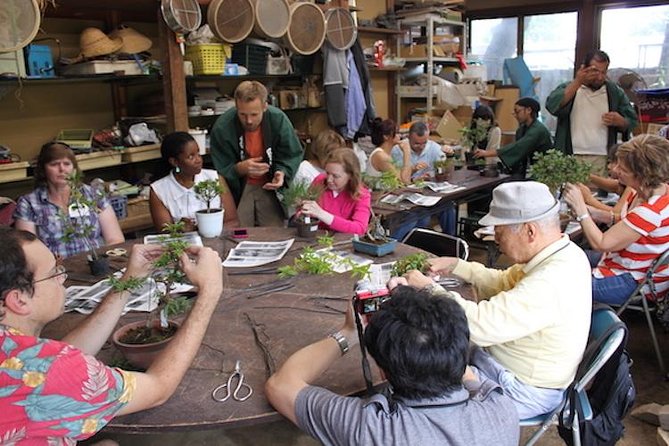
Two things I like a lot here. First, the instruction is tailored, and the group cap matters. With only a handful of people, you get time for questions. Second, the translator support helps you avoid the common problem with craft classes abroad: you walk out knowing what you did, but not why you did it.
There is also a practical side. The total time is about 2 hours, so you can fit it between other Tokyo plans without needing a half-day block. The museum setting helps too, because you can slow down and understand bonsai styles rather than rushing through a single project and leaving.
You can also read our reviews of more tours and experiences in Tokyo.



Where You Meet and How the Timing Works in Real Life
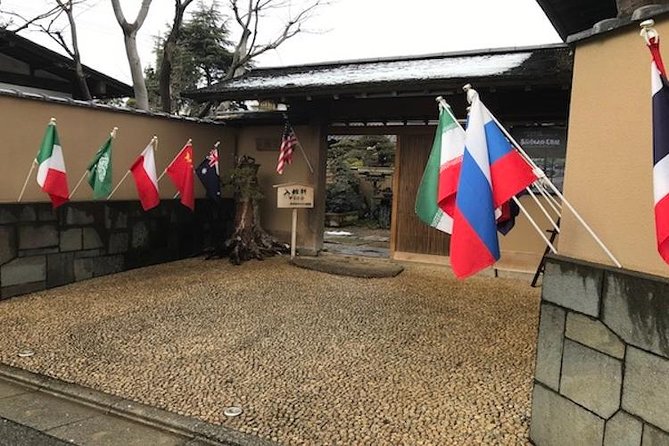
You meet at Shunkaen Bonsai Museum at 1-chōme-29-16 Niihori, Edogawa City, Tokyo. The activity ends back at the meeting point. That sounds simple because it is simple, and it is good news when Tokyo crowds and transit lines can turn your afternoon into a puzzle.
The experience runs for about 2 hours total, with at least one hour that includes the admission ticket. You should plan your day like this:
- Arrive a bit early so you have time to settle in.
- Expect a mix of instruction and museum viewing.
- Leave knowing you are returning to your starting point, not chasing a second location.
The museum is described as near public transportation, which is what you want. Still, the listing notes that transport fees are not included, so if you take a taxi, it will be on you.
The Core Experience: Your 2-Hour Bonsai-Making Lesson
The heart of this workshop is making your own bonsai with guidance from a bonsai master. That does not just mean someone holds the plant steady while you copy steps. The structure is meant to teach you fundamentals of shaping and care, with help from a translator so the details do not get lost.
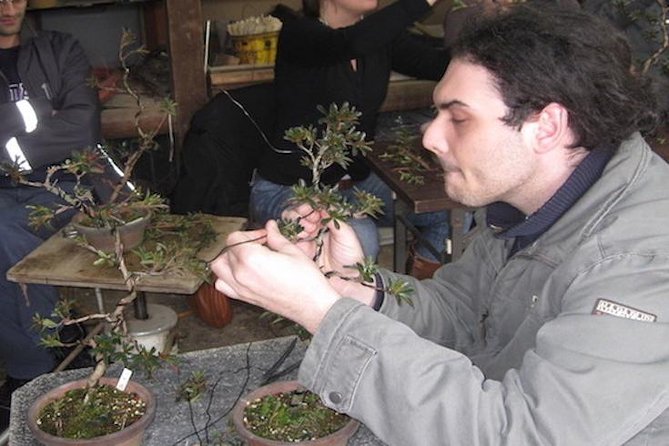
From the learning side, you can expect basics of shaping and wiring. One of the most repeated hands-on techniques in the experience is learning to wire a juniper tree. Wiring is where the “tree” starts to look like an artwork. You learn how to guide branches into direction and balance, not just how to attach wire.
On top of that, you should get explanations that connect the technique to long-term care. The workshop style here is classic: you learn a method, you understand the reason behind it, then you get help adjusting as you work.
Here is how the lesson tends to feel, based on how classes are described in practice: you start with an introduction, then you work on your tree with patient guidance. In some sessions, an apprentice or the instructor walks you through careful first steps, and there is time to ask questions while you are still holding the tool and the plant.
Museum Time at Shunkaen: Learning by Seeing Thousands of Years of Practice
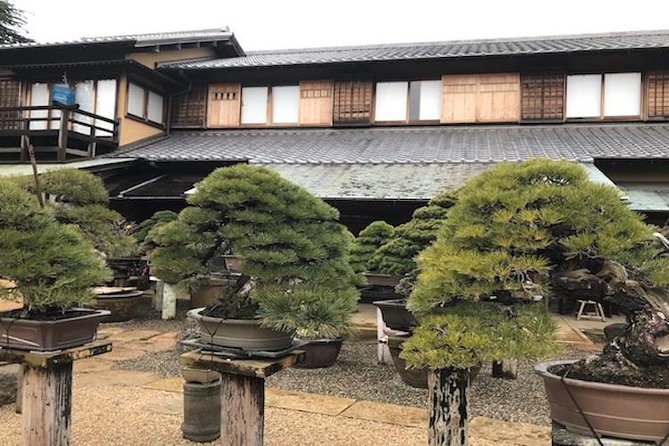
A lot of bonsai classes are “make one thing, leave.” This one gives you something better: time in the bonsai museum collection. Shunkaen is known for having many bonsai examples across different styles and growth forms. That matters because bonsai is not only a technique, it is also an eye for shape.
In the descriptions, the museum grounds include a peaceful courtyard and elevated viewing areas. That is not just pretty scenery. It helps you see how angles and branch structure create the illusion of age, and how different styles translate the same basic materials into totally different forms.
One highlight that shows up repeatedly is the chance to view impressive trees, including a bonsai cited as around 1000 years old. Even if you are not an expert, seeing something that age changes how you think about the slow work of bonsai.
If you want a class that teaches you to look, this museum time is a big part of the value.
Who Teaches You: Master Kunio Kobayashi, Apprentices, and Patient Help
Bonsai is a craft where the human connection matters. Here, you are working with a professional network. One name that comes up is Master Kunio Kobayashi, who has been present in at least some sessions. If he is available, meeting him adds a special layer of credibility because you are learning in a place where the craft is treated as serious art, not a weekend hobby.
Just as important are the apprentices. They are the ones who often help with hands-on tasks and answer questions while you work. Several descriptions emphasize patient instruction, including walking students through the first steps and explaining what to do next when your tree does not look like the example you saw.
Also, tea is mentioned as part of the experience in some sessions, which helps turn the workshop into a calmer, slower pace rather than a rushed “do it and go” class.



Making Your Bonsai Feel Like Yours (Not Just a Copy)
The best part of a bonsai workshop is when your tree starts to look like your decisions. Because the group size is capped at 6, you can get feedback before you lock in mistakes. That is huge for beginners. If someone corrects your wiring angle early, you avoid frustration later.
You should also pay attention to the care instruction side. Bonsai is not a “set it and forget it” plant. The workshop is designed to teach you the basics of bonsai care so your shaped tree stays healthy. Even if you only remember a few key points, having a starting plan is better than guessing when you get home.
And do not underestimate the mental shift. Learning bonsai teaches you patience and restraint. Every branch decision is tied to growth, wiring limits, and future shaping. That is why the museum portion matters too, it gives your hands and your eyes the same story.
Price and Value: Is $78.83 Worth It?
The price is $78.83 per person for about 2 hours, and it includes the bonsai making lesson. Admission is also included as part of the experience, which reduces extra line-item costs you might otherwise pay on site.
Here is how I think about value with this kind of workshop:
- You are paying for expert instruction, not just materials.
- The small group size (max 6) is part of that value. In bigger classes, your coaching time usually drops.
- Translator support is another value piece, because it improves learning, not just comfort.
The one thing that can change the final cost is what happens after class. The listing says bonsai shipping fees are not included. Some descriptions also note that taking your tree with you for a fee may be an option depending on your circumstances. So, if you are thinking about transporting your tree home, budget for that planning now, not later.
Still, even with possible future costs, this feels like a fair price for a true craft lesson in Tokyo, especially if you want something more meaningful than a typical sightseeing stop.
How to Fit This Into a Tokyo Day Without Stress
Because this is about 2 hours and you return to the same meeting point, it is easy to slot into a day. Tokyo rewards smart scheduling. You do not need a long transit sequence to make the class work.
A practical strategy:
- Plan your museum visit and class earlier rather than later, so you are not rushing.
- Bring your energy, not just your curiosity. Wiring and shaping takes focus.
- Wear shoes that work for walking on uneven or slightly elevated areas. Moderate physical fitness is noted.
If you like calm experiences, this also helps. The museum setting is described as peaceful, and the class is designed to feel like a workshop, not a production line.
What to Pack and What to Expect When You Arrive
The details you can be sure about are simple: start at Shunkaen Bonsai Museum, enjoy the class, and end back at the meeting point. But for your own comfort, think like this:
- Bring a small notepad or notes app ready for care instructions.
- Expect to handle tools or materials during wiring and shaping, so keep hands steady and be patient with yourself.
- Wear comfortable clothing and shoes for museum walking.
If you select an option that includes an assistant, you will have added help. That can be useful if you want extra support during hands-on steps, especially when translation is happening alongside your work.
Also, you get a mobile ticket, so you should be ready with your phone and saved confirmation details.
Who This Bonsai Workshop Is Best For
This is a great fit for:
- People who want a Japanese culture experience that is practical, not just a photo stop
- Beginners who want first-step wiring and basic bonsai care guidance
- Plant lovers who enjoy learning by doing
- Anyone who likes small group activities (max 6) where they can ask questions
If you are a serious horticulture nerd and already know advanced bonsai techniques, you might still enjoy it for the museum context. But the core value is getting an accessible start in bonsai through professional instruction.
Before You Book: My Simple Checklist
Ask yourself:
- Do I want to learn how to shape and wire a tree with professional help?
- Am I okay with spending a full 2 hours in a workshop setting, plus some museum time?
- Am I willing to consider extra cost if I want my bonsai shipped or taken home?
If you say yes, this is a strong booking.
One more tip: since confirmation is subject to availability and is received within 48 hours, do not book it on the same day you need absolute certainty. Better to lock it in with enough lead time so your schedule stays calm.
Should You Book This Make-Your-Own Bonsai Workshop in Tokyo?
Book it if you want a hands-on Tokyo activity that feels authentically Japanese and not like a generic “class.” The combination of small group size, translator support, and professional instruction makes it easier to actually learn the craft, and the Shunkaen museum setting turns it into more than a craft project.
Skip it or be cautious if you know you will not be able to handle the possibility of extra fees for taking your tree home. Also, if you hate any walking or standing on museum grounds, consider whether the moderate physical fitness note will fit your day.
If you are the type who loves plants, appreciates patient art, and wants a memorable skill to practice later, this bonsai workshop is one of those Tokyo stops that makes the whole trip feel more personal.
FAQ
How long is the bonsai-making workshop?
The experience is about 2 hours.
Where does the workshop start and end?
It starts at Shunkaen Bonsai Museum in Tokyo and ends back at the same meeting point.
How many people are in the group?
The workshop has a maximum of 6 travelers.
Is there translation support during the lesson?
Yes. The lesson includes tailored instruction with help from a translator.
What is included in the price?
The price includes the bonsai making lesson and the admission ticket.
What is not included?
Bonsai shipping fees, transportation fees, and food and drinks are not included.
Do I get a mobile ticket?
Yes, the workshop provides a mobile ticket.
When will I receive confirmation after booking?
Confirmation is received within 48 hours of booking, subject to availability.
Is the location easy to reach by public transportation?
Yes, it is near public transportation.
What is the cancellation policy?
You can cancel for a full refund if you cancel at least 24 hours before the experience’s start time. If you cancel less than 24 hours before, the amount paid will not be refunded.
More Tour Reviews in Tokyo


Not for you? Here's more nearby things to do in Tokyo we have reviewed












Tokyo City Tours, side by side.
 ★ 5.01-Day Tokyo Bus TourFrom $12914,250 reviews
 ★ 4.5TOKYO SKYTREE® Admission ticketFrom $1311,192 reviews
 ★ 4.6teamLab Planets TOKYO Digital Art Museum Entry TicketFrom $259,779 reviews
 ★ 4.0Mt Fuji & Hakone Cruise, Drum Show Bullet Train 1 Day from TokyoFrom $1497,413 reviews
 ★ 5.0Shinjuku Food Tour (13 Dishes at 4 Local Eateries)From $866,603 reviews
 ★ 4.4Tokyo Mt Fuji 5th St & Hakone Cruise Bus Tour w/Bullet TrainFrom $1545,024 reviews
 ★ 5.0Flagship 2-Hours Official Street Go-Kart Tour – Tokyo Bay ShopFrom $644,974 reviews
 ★ 4.5From Tokyo: Mount Fuji Full-Day Sightseeing TripFrom $684,970 reviews