
Review · TOKYO CITY TOURS
Mochi Making at a Private Studio in Tokyo
Sticky rice, serious fun. In a small-group mochi class in a private studio near Meguro Station, you learn mochi hands-on with an English-speaking Wagashi instructor in her home. I especially liked the variety of mochi styles you make, and how the lesson mixes quick cultural context with real cooking time. The main drawback is simple: you should expect sticky dough and an indoors, chef-led format, not a sightseeing stroll.
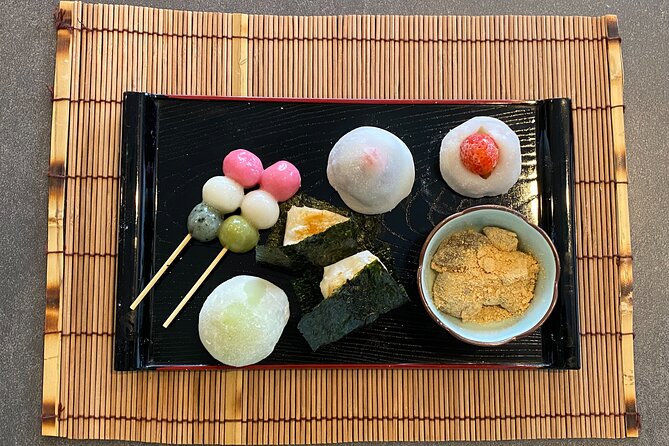
If you want a Tokyo food activity that feels personal, this works well. You’ll make items like strawberry daifuku, three-color dango, and warabi mochi, then you’ll eat savory grilled mochi and get to see mochi ice cream as a demo. If you are sensitive to mess or prefer purely hands-off cooking experiences, this may feel too interactive.
Key Highlights You’ll Actually Care About
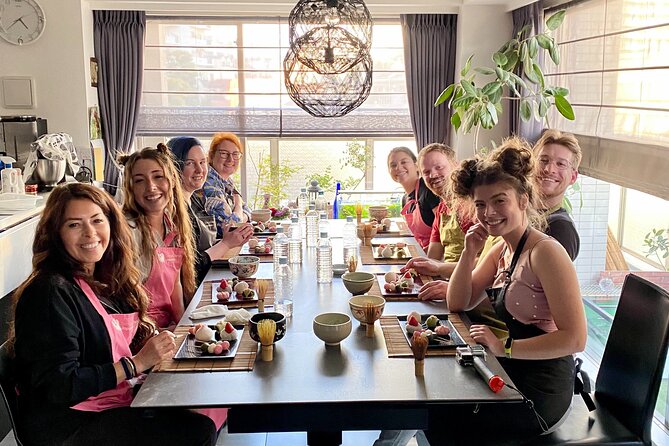
- Up to six people in the class, so you get real coaching, not just watching.
- You make multiple mochi types, including sweet and savory, not only one.
- English instruction from a certified Wagashi instructor, plus an English recipe sheet.
- You taste as you go, with green tea, hojicha, or coffee.
- Mochi ice cream is taught by demonstration, so you see how it’s done even if it is not your main build.
- A convenient neighborhood location near Meguro Station on the JR Yamanote Line and subway connections.
Finding the Private Mochi Studio by Meguro Station
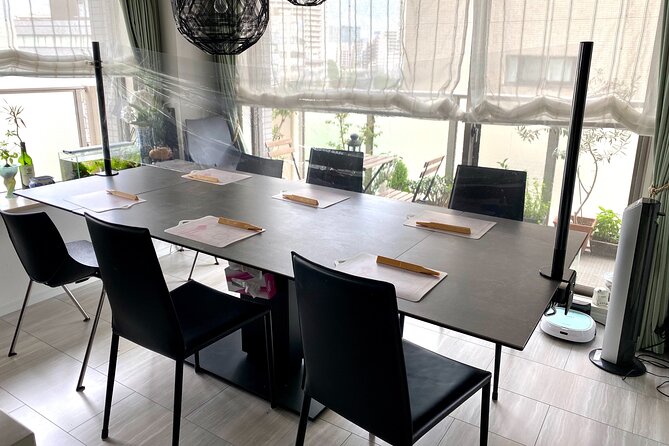
This class meets in a private studio near Meguro Station. The address is: 153-0063 Tokyo, Meguro City, Meguro, 1-chōme316 プレジデント目黒ハイツ, and you finish back at the same meeting point.
That location matters. Meguro is on the JR Yamanote Line, so it is easy to reach from much of central Tokyo without transfers that eat your time. You can also plan this as a break between sightseeing blocks, since it is only about two hours.
You can also read our reviews of more private tours in Tokyo

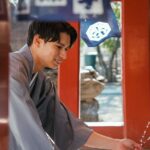
Greeting Your Chef and Getting the Mochi Cultural Context First
You are greeted by the instructor, then the lesson starts with a short presentation. You’ll learn how mochi connects to Japanese traditions and festivals, and why the ingredients and colors matter beyond taste.
This is not random trivia. It helps you understand why warabi mochi uses a certain look and texture, why different fillings show up for seasonal moments, and why mochi is such a social treat in Japan. English is used throughout, and the instructor is a certified Wagashi Instructor, so the explanations tend to be practical, not abstract.
You might meet different instructors depending on the day, and names from past sessions include Chef Michiko-san, Miho, Ayumi, Waka-san, and Owa. Regardless of which instructor you get, the structure stays the same, including the culture primer.
Strawberry Daifuku, Three-Color Dango, and Warabi Mochi
The hands-on portion is where this class wins. You’re not just assembling one dessert, you’re working with multiple mochi formats and textures.
Strawberry daifuku mochi: the sweet handheld
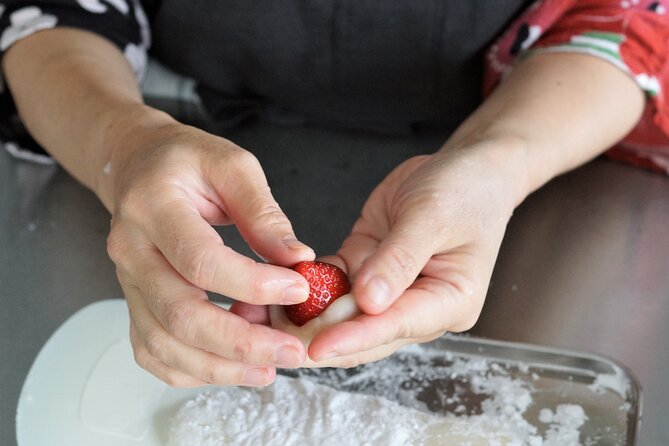
You’ll learn how to make strawberry daifuku mochi, which is basically a mochi shell wrapped around a sweet filling with strawberry as a highlight. Expect the dough to be sticky at first, then easier once you understand how to handle it without tearing.
What I like for first-timers is that the instructor guides you step by step. You do the work, but you’re not left guessing at the biggest moments.
Three-color dango: mochi on skewers
Next up is three-color dango, mochi on skewers. Dango feels simple when you see it in shops, but shaping and spacing matters for a neat bite and even texture.
Also, dango is a great bridge between mochi culture and everyday street food in Japan. Even if you only know one kind of mochi today, dango makes the range feel obvious.






Warabi mochi: the springy, powder-dusted style
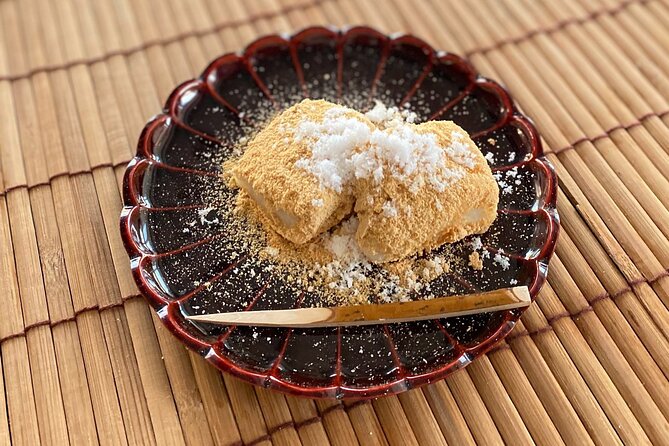
Then you move into warabi mochi. This is a different mochi experience than daifuku, because it is known for its distinctive texture and look. You’ll learn the method and what to aim for so it tastes right when you bite.
This “multiple formats” approach is why the class feels worth it. You end up understanding mochi as a flexible base, not a single dessert.
Savory Grilled Mochi With Soy and Nori, Plus Mochi Ice Cream by Demo
A lot of mochi classes focus only on sweet. Here, you also get savory.
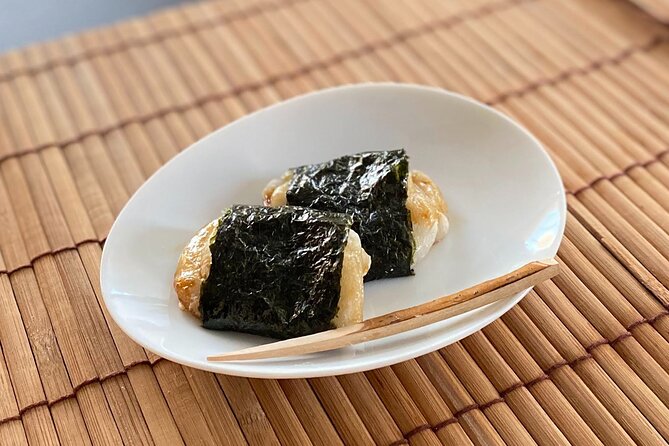
You’ll be served savory grilled mochi made with soy sauce and nori seaweed. That salty, umami punch helps reset your palate after the sweets, and it also makes your lesson feel more like real Japanese food culture, where sweet and savory often share the same table.
After that, there is a demonstration on making mochi ice cream. You watch how it comes together, so you get the technique and the reasoning even if ice cream assembly is not your final takeaway.
Why I think this combo is smart
Sweet-only tastings can blur together. The grilled mochi plus soy and nori gives you a reference point, so the different fillings and textures make more sense in your head when you later shop or cook at home.
Tasting With Green Tea or Hojicha, and What You Leave With
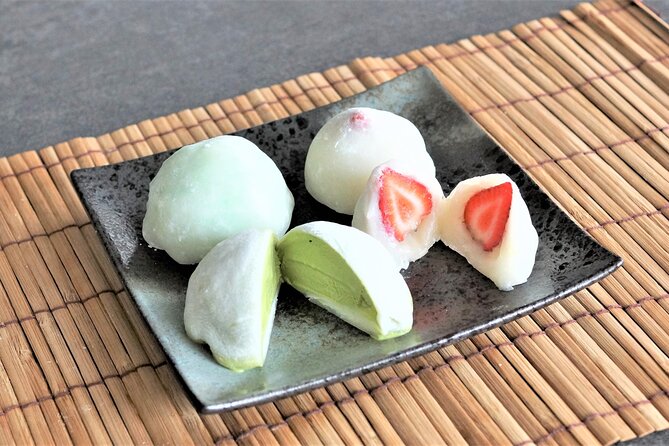
The class concludes with a tasting session. Depending on what you are served that day, you’ll drink green tea, hojicha, or coffee along with the mochi you helped make.
Food tastes better when you’re part of the process. Here, you’ll likely get a fuller sense of texture too, because you made the mochi yourself and can compare the sweet, the savory, and the demo style.
You also receive an English recipe sheet. In at least some sessions, people have also received QR codes to print recipes, plus containers to take your creations home if you can’t finish. Even if you don’t plan to take extra, the recipe sheet is what makes this feel like a real souvenir you can use later.
Finally, the instructor may share advice on where to shop or what to see in Tokyo. That kind of local guidance is helpful when you’re trying to turn a foodie day into a good itinerary.
Price and Value for a 2-Hour Small-Group Class
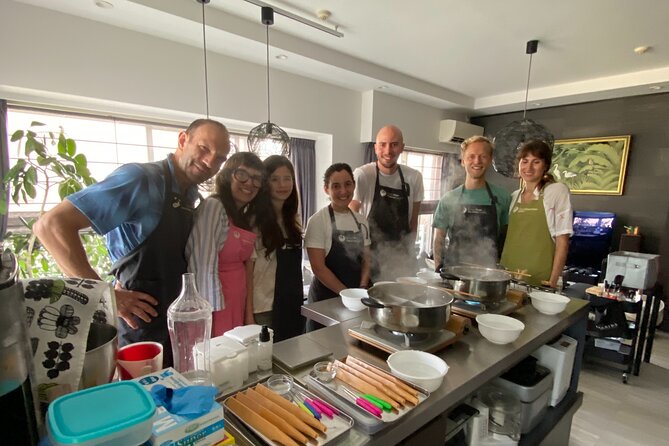
The price is $79.26 per person for about 2 hours. On paper, that sounds like a lot for “just cooking,” but the value comes from the full package:
- You get a hands-on class, not a passive demo.
- You make several mochi types, which usually means more ingredients and more prep from the instructor.
- You also get tea or coffee, plus savory mochi and a mochi ice cream demonstration.
- You leave with an English recipe sheet, plus aprons are included.
The group size helps here. The class has a maximum of six people, and the overall activity has a maximum of 12 travelers. In plain terms, it’s easier to get your questions answered and to get help when the mochi dough gets stubborn.
If you compare this to buying all the ingredients yourself and trying to replicate techniques at home, the lesson cost starts to look fair. You are paying to learn the process, not just to eat dessert.
Who This Mochi Class Fits Best (and Who Might Want Another Option)
This is a great match if you:
- Want a food experience with structure, and you like learning by doing.
- Like Japanese sweets but want to understand the mochi universe beyond one familiar flavor.
- Prefer a small group where questions do not get lost.
- Are traveling solo or as a couple, since the class is intimate and the instructor leads in English.
It may be less ideal if:
- You dislike getting your hands messy. Mochi dough can be sticky, and the process is physical.
- You want a long, multi-stop tour of Tokyo sights. This is an indoor studio class with culture talk first, then cooking, then tasting.
For families, it can work nicely too, since the minimum age is 4 years. Just note that children under 4 are not allowed due to safety reasons.
Quick Booking Call
If you want a Tokyo activity that feels both fun and genuinely useful, I’d book this mochi lesson. You come away understanding multiple mochi styles, you taste real sweet and savory mochi, and you get an English recipe sheet to try again later.
Skip it only if you are strongly food-averse to hands-on sticky dough, or if your ideal day is outdoors and sightseeing-heavy. Otherwise, this is exactly the kind of small, chef-led experience that makes Tokyo memories stick.
FAQ
Where is the class located?
It takes place in a private studio near Meguro Station. The meeting point address is 153-0063 Tokyo, Meguro City, Meguro, 1-chōme316 プレジデント目黒ハイツ, and the activity ends back at the meeting point.
How long is the mochi-making class?
The class runs about 2 hours (approx.).
What will I make and taste during the class?
You’ll make strawberry daifuku mochi, three-color dango, and warabi mochi. You’ll also be served savory grilled mochi with soy sauce and nori seaweed, and you’ll have a demonstration on making mochi ice cream. The session ends with tasting and green tea or coffee (plus options like hojicha).
Is this a small-group experience?
Yes. The class is small, with a maximum of six people. The overall activity has a maximum of 12 travelers.
Is there a minimum age to attend?
Yes. The minimum age to attend is 4 years. Children under 4 are not allowed due to safety reasons.
Can they prepare dairy-free ice cream?
A dairy-free ice cream can be prepared upon request.
Should You Book This Mochi Making Experience?
Yes, if you want a high-value, small-group Tokyo food lesson where you make multiple mochi types and finish with a proper tasting. It’s especially worth it if English guidance and an easy-to-follow recipe sheet matter to you. If you only want to watch from the sidelines or you hate sticky dough, choose a different kind of activity.
More Private Tours in Tokyo


More Tour Reviews in Tokyo
Not for you? Here's more nearby things to do in Tokyo we have reviewed










Tokyo City Tours, side by side.
 ★ 5.01-Day Tokyo Bus TourFrom $12914,250 reviews
 ★ 4.5TOKYO SKYTREE® Admission ticketFrom $1311,192 reviews
 ★ 4.6teamLab Planets TOKYO Digital Art Museum Entry TicketFrom $259,779 reviews
 ★ 4.0Mt Fuji & Hakone Cruise, Drum Show Bullet Train 1 Day from TokyoFrom $1497,413 reviews
 ★ 5.0Shinjuku Food Tour (13 Dishes at 4 Local Eateries)From $866,603 reviews
 ★ 4.4Tokyo Mt Fuji 5th St & Hakone Cruise Bus Tour w/Bullet TrainFrom $1545,024 reviews
 ★ 5.0Flagship 2-Hours Official Street Go-Kart Tour – Tokyo Bay ShopFrom $644,974 reviews
 ★ 4.5From Tokyo: Mount Fuji Full-Day Sightseeing TripFrom $684,970 reviews