
Review · TOURS
Nihonbashi Ningyocho Tour Seven Lucky Shrines and Treats
Tokyo can feel big. This one feels pleasantly small. You’re guided through seven Seven Lucky Gods shrines in Nihonbashi Ningyocho, including Koami Shrine, with Edo-era streets and a compact route that makes the whole “make a wish, collect a stamp” idea easy to follow. I love that this tour gives you a clear structure for prayer, omikuji, and goshuin without turning your day into a race.
Two things I especially liked are the 2.8 km route, which stays manageable in about 3.5 hours, and the fact you get a real neighborhood feel in Nihonbashi Ningyocho rather than just passing through on a photo stop. You also get 2 traditional snack items included, which helps keep the pace human. One possible drawback is that shrine add-ons like amulets and omikuji are not included, so you’ll likely spend a little extra if you want the full set of lucky items.
Seven Lucky Gods in Nihonbashi Ningyocho, 7 stops in 3.5 hours
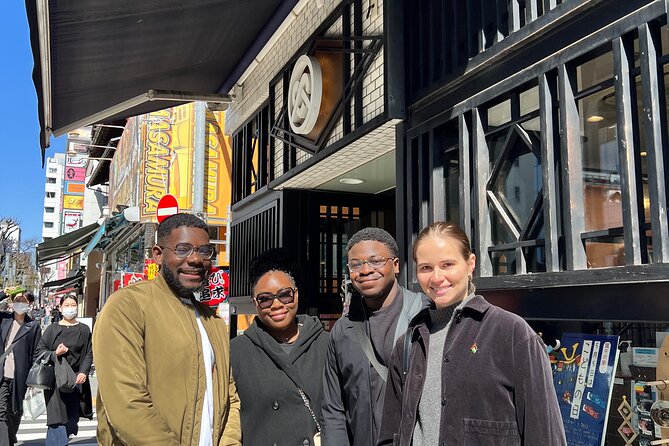
If you want a Tokyo experience that stays practical, this tour is set up for that. The whole point is a focused walk through the Shichifukujin shrines, with time for the basics at each stop, then move on while your legs are still fresh. It’s a private tour, so you’re not trying to sync up with strangers or fight for space around the main entrances.
Also, the area you visit, Nihonbashi Ningyocho, is known for keeping a calmer, traditional feel. The streets are compact enough that the tour can stay efficient, but you still get that sense that you’re walking through a real local district, not a theme park.
One nice detail: you can set your starting time by messaging, which is helpful if you want to line up the tour with your other plans in Tokyo. And since you receive a mobile ticket, it’s one less thing to manage.
Key highlights worth planning around
- Seven shrines tied to Shichifukujin, each with a short prayer and wish moment
- Koami Shrine included, with its reputation for bringing great fortune
- Two snacks included, so you can keep walking without hunting for food mid-route
- Mobile ticket and private group format, which keeps the flow smooth
- Compact 2.8 km route, with short, timed stops you can actually handle
- A friendly, organized guide, Tomo, who also helps after the tour with local shop and food ideas
You can also read our reviews of more tours and experiences in Tokyo.



Setting out in the Edo-style streets of Nihonbashi Ningyocho
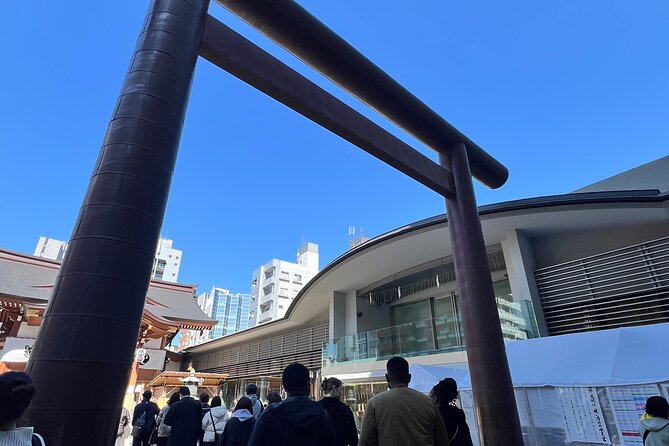
Nihonbashi Ningyocho is the kind of place where Tokyo slows down a notch. That matters on a shrine tour, because the experience is less about speed and more about rhythm. You’re not just collecting stamps. You’re doing small, repeatable acts of prayer, wish-making, and ritual tasks that make more sense when you’re walking in a calm, walkable area.
The route is 2.8 km, which is compact for seven stops. That’s a big deal because Tokyo walking can add up fast. Here, the walking time is balanced against short stays at each shrine, so you can keep a comfortable pace even if you’re not used to all-day transit.
It also helps that this is a 100% private tour. In practice, that means you can ask questions, pause when you need to, and keep your attention on the shrines instead of worrying about the group staying together.
The flow: prayer, omikuji, goshuin, and what is optional
At nearly every stop, the pattern is the same, and that’s what makes the experience feel doable:
- You offer prayers and make a wish.
- You have the chance to buy a protective amulet.
- You can draw an omikuji fortune slip.
- You receive a goshuin stamp.
Admission at these shrines is listed as free, which is good to know. But the tour does not include the extra items that come with shrine etiquette. The experience excludes coin offering, the amulet fee, goshuin fee, and the fortune slip fee. So while the base ritual access is free, you should budget a bit for optional, meaningful extras.
If you’re new to this kind of visit, I like that the timing is short and consistent. You don’t get stuck waiting around for long stretches, and you can follow the steps without feeling overwhelmed. The guide, Tomo, also uses easy-to-follow visuals, which makes the order of operations feel clear.
Stop 1: Koami Shrine, wishing for good fortune
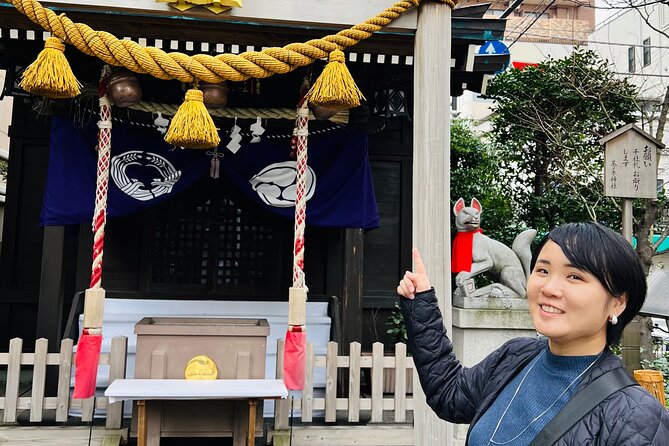
You start at Koami Shrine, where the focus is on making a wish and starting the luck theme with momentum. This is also one of the more famous stops on the route. It’s known for bringing great fortune, and people come from across Japan to pray here.
What I like about starting at Koami is that it sets expectations. You arrive at a shrine with a reputation, then you’re given time to do the practical steps: prayer, optionally get a protective amulet, draw an omikuji, and receive a goshuin stamp. The visit is planned for about 15 minutes, which is long enough to do the essentials without turning into a half-day detour.
A small tip for your mindset: treat the first stop like your calibration point. Decide what kind of wish you’re making before you get caught up in the atmosphere. Once you have that in mind, the rest of the route is easier.
Stop 2: Suitengu Shrine, safe childbirth and healthy babies
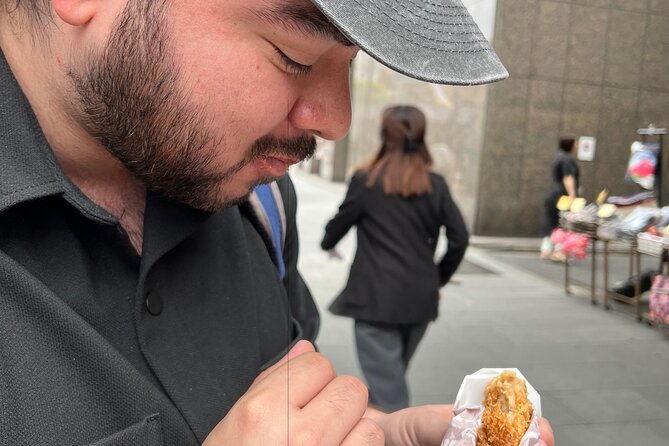
Next is Suitengu Shrine, another shrine in this Seven Lucky Gods chain, with a theme that feels very human and very specific. People pray here for safe childbirth and healthy babies.
The structure stays the same: prayer, wish, and time for amulet and omikuji options, plus the goshuin stamp. The visit is also scheduled for about 15 minutes, which gives you a little breathing room to slow down and actually take in the space rather than rushing through.
If you tend to get anxious when a plan is too tight, this is where the tour’s pacing helps. You’re not sprinting from one place to the next. You’re given enough time to do the basics carefully, then move on with clear next steps.



Stop 3: Suginomori Shrine, a quick stop with a full ritual set
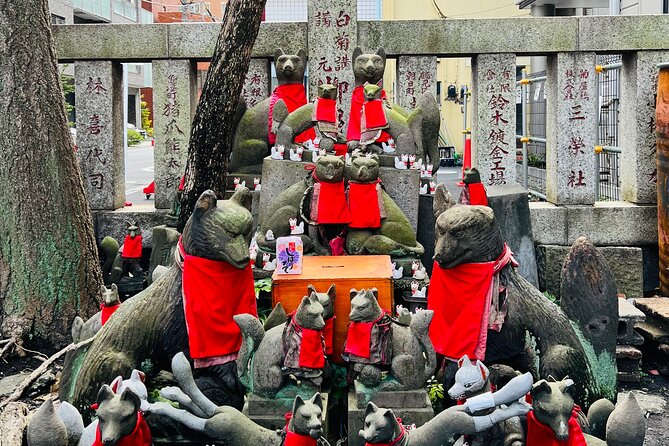
Suginomori Shrine is scheduled for about 10 minutes. That’s a shorter window, but the intent is the same: pray, make a wish, and you can still participate in the amulet and omikuji option, plus goshuin stamping.
I like that the tour doesn’t treat smaller stops as throwaways. The time is shorter, yes, but the ritual experience stays intact. This keeps the route feeling like a complete journey through the Seven Lucky Gods, not just a highlight list.
If you want to keep spending optional money under control, this is a good stop to decide your budget. You can do the prayer and omikuji without necessarily buying an amulet, depending on what feels right to you.
Stop 4: Kasama Inari Shrine Tokyo Bessha, a lucky Inari touch
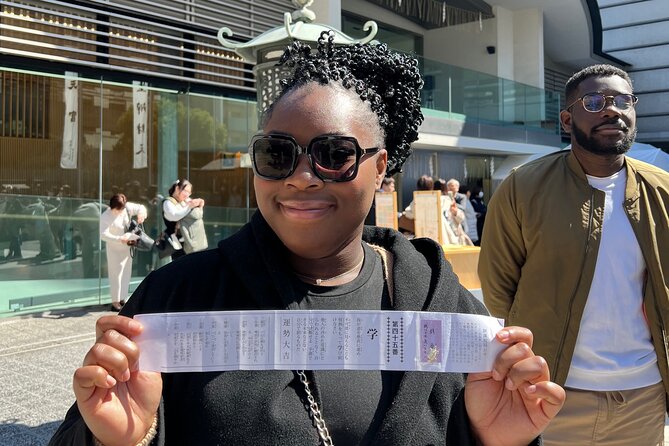
At Kasama Inari Shrine Tokyo Bessha, your visit is planned for about 10 minutes as well. Like the earlier stops, you’ll have time to pray and make a wish, with the same optional add-ons.
Inari shrines often feel lively in Tokyo, and even on a short visit, you can get a lot of atmosphere from the buildings, the approach, and the way people show respect. This is also one of those stops where your guided order matters. If you’ve never done goshuin, it can feel confusing at first. The tour format helps you focus on the experience rather than figuring out logistics while others move past.
Stop 5: Suehiro Shrine, a compact prayer and wish moment
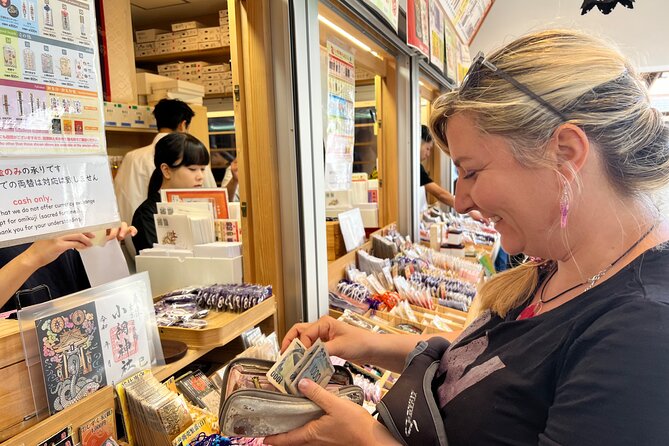
Suehiro Shrine is another 10-minute stop. The tour keeps the same rhythm:
- Offer prayers and make a wish.
- Optional: protective amulet and omikuji.
- Receive the goshuin stamp.
I find these mid-route stops helpful because they break up the day. After two longer stops, a shorter one gives your feet a breather while still keeping the lucky theme going.
If you’re collecting stamps, this stop is part of the “steady build” feeling. You’re already thinking in sequences, not random stops, which makes your whole souvenir set feel more intentional.
Stop 6: Matsushima Shrine, another step in the Seven Lucky Gods chain
At Matsushima Shrine, you continue with the same ritual structure in about 10 minutes. You’ll pray, make a wish, and have the option to participate in the amulet and fortune slip steps, plus the goshuin.
This is where you may notice a pattern in your own attention. Early on, you’re focused on doing everything correctly. Later, you start focusing on your actual wish and what you want luck to mean for the next few months of your life.
That shift is one reason shrine routes can be more satisfying than checklist sightseeing. You’re not just watching. You’re participating.
Stop 7: Chanoki Shrine, finishing with luck on your mind
Your last stop is Chanoki Shrine, also about 10 minutes. The intention is to end your walk with prayer and a final wish, with the usual options for amulet and omikuji, plus the goshuin stamp.
I like finishing this kind of tour at a shrine that isn’t the obvious headline name. It feels balanced. Koami gets the attention because of its reputation, but the final stop helps you remember this is about the whole Seven Lucky Gods theme, not one famous site.
After Chanoki, the activity ends back at the original meeting point, so you’re not left figuring out your next steps with tired legs.
Snacks and pacing: how the included treats fit the plan
You get two snacks included. That’s not just a nice-to-have. In practice, it keeps you from burning time searching for something you can eat quickly while navigating a busy city.
Even though the stops are short, you’re still walking between shrines and doing small tasks at each one. A planned snack helps you stay comfortable through the whole 3 hours 30 minutes.
A practical move: think about whether you’ll want tea or water after your snack. The tour doesn’t list anything else included beyond those two snacks, so bring a bottle if you get thirsty easily.
Price and value: what $68 buys, and what costs extra
The price is $68.00 per person for an approximately 3.5-hour private walking tour with a set route and included snacks. For me, the value isn’t just that it’s cheaper than you might expect. It’s that it handles the structure for you.
You’re paying for:
- Guided visits at seven shrines.
- Time-managed stops, about 10 to 15 minutes each.
- Goshuin stamp handling and a clear ritual flow.
- Two included snacks.
What’s not included is also clear, which helps you plan. The tour excludes shrine-specific extras like coin offering, amulets, goshuin fees, and fortune slip fees. That means the total out-of-pocket cost can vary depending on how “complete” you want your lucky set to be.
If you prefer only the prayer and omikuji, or if you skip amulets, you can keep spending tight. If you want everything, you’ll have to budget extra. Either choice is valid, because the tour is set up to let you decide while staying respectful of the rituals.
Meeting point near Nihonbashi Ningyocho, and what to expect after
The meeting point is at:
人形町しずか皮ふ科Japan, 103-0013 Tokyo, Chuo City, Nihonbashiningyōchō, 1-chōme1410 三原堂本店ビル 5F
From there, the tour runs through the shrine route and ends back at the meeting point.
One of the best, most practical extras from this experience is the way Tomo supports you after the walk. Based on her feedback style, she doesn’t just send you off. She recommends local shops for souvenirs and places to eat nearby once your tour finishes. That kind of advice saves time, especially when you’re already in the neighborhood and want to make the most of the remaining day.
Practical tips for your wish-making and souvenir collecting
Here are a few things to keep in mind so your visit stays smooth:
- Bring cash or a payment method that works for shrine fees. Since amulets, goshuin, and omikuji fees are not included, you’ll want flexibility.
- If you plan to collect goshuin, keep your goshuin book or folder ready. The tour includes receiving stamps, but you’ll still want your own materials organized.
- Expect the stops to be short. Visits are planned for 10 to 15 minutes, so decide in advance what you want to do at each shrine.
- Wear comfortable walking shoes. Even though the total distance is only 2.8 km, you’ll be on your feet the whole time, and shrine visits involve getting to entrances and staying aware of flow.
If you’re traveling with a service animal, this tour allows service animals, and it’s listed as near public transportation. Most travelers can participate.
Should you book this Seven Lucky Shrines tour?
Book it if you want a structured Tokyo experience that stays friendly and local. This is a good choice if you like:
- A walkable route with short stops
- Ritual participation without guesswork
- A private format where your questions do not slow everyone down
- Included snacks and a guide who helps you plan after the tour
Skip it if you want to linger for a long time at each shrine or you dislike tours with optional, extra-charge items. Even with short stops, the whole point is efficiency across seven shrines, so it’s not built for slow, unplanned wandering.
FAQ
FAQ
How long is the Nihonbashi Ningyocho Seven Lucky Shrines tour?
It runs about 3 hours 30 minutes (approximately), including time at all seven shrines.
How much does the tour cost?
The price is $68.00 per person.
Is this tour private?
Yes. It is a 100% private tour, and only your group participates.
How many shrines do we visit?
You visit seven local shrines connected to the Shichifukujin (Seven Lucky Gods).
Are admission tickets free for the shrines?
Admission is listed as free for all stops.
Are snacks included?
Yes. Two snacks are included in the tour.
Are amulets, goshuin stamps, and omikuji included in the price?
Goshuin stamp receiving is part of the tour, but fees for amulets, goshuin, and fortune slips are not included. Coin offering and fortune slip fees are also not included.
Where does the tour start?
It starts at 人形町しずか皮ふ科Japan, 103-0013 Tokyo, Chuo City, Nihonbashiningyōchō, 1-chōme1410 三原堂本店ビル 5F.
Does the tour end at the same place?
Yes. The activity ends back at the meeting point.
Do I get a mobile ticket?
Yes. The tour uses a mobile ticket.
Is the tour affected by weather?
The experience requires good weather. If it is canceled due to poor weather, you will be offered a different date or a full refund.
More Tours in Tokyo


More Tour Reviews in Tokyo
Not for you? Here's more nearby things to do in Tokyo we have reviewed












Tours, side by side.
 ★ 5.0Mt Fuji and Hakone 1-Day Bus Tour Return by Bullet TrainFrom $16326,383 reviews
 ★ 5.01-Day Tokyo Bus TourFrom $12914,250 reviews
 ★ 5.0Shinjuku Food Tour (13 Dishes at 4 Local Eateries)From $866,603 reviews
 ★ 4.4Tokyo Mt Fuji 5th St & Hakone Cruise Bus Tour w/Bullet TrainFrom $1545,024 reviews
 ★ 5.0Flagship 2-Hours Official Street Go-Kart Tour – Tokyo Bay ShopFrom $644,974 reviews
 ★ 4.7Mt. Fuji Tour, Hakone Ropeway, Owakudani, Lake AshiFrom $544,002 reviews
 ★ 5.0Tokyo 6hr Private Tour with Government-Licensed GuideFrom $1553,902 reviews
 ★ 5.0Tokyo Bar Hopping Tour in Shinjuku (All-You-Can-Drink + Dinner)From $1063,587 reviews